The Bearings, May 5, 1893
 Transportation building at the World’s Fair was in a chaotic state last Saturday. It was two days before the opening of the Exposition and the exhibits were not half placed. On the lower floor most of the work had been accomplished and the exhibitors were ready for President Cleveland to touch the little gold and ivory telegraph key which was to set the machinery in motion in every part of the beautiful White City.
It was in the gallery where the cycle manufacturers hold forth that confusion reigned. Not more than half of the exhibitors had made any pretence whatever at installing their wares. Workmen were engaged in tacking up bunting, unpacking wheels or putting the finishing touches to the booths.
English Exhibit About Ready.
The Englishmen were nearly through with their work and will soon have everything in ship-shape. They are situated in the western gallery and will make an imposing show.
The firit thing to strike the sight-seer is the cosy little ofiBce of the Whitworth Cycle Co., where Mr. F. J. Osmond will be located. A little way down the line is the magnificent mahogany booth of this company. Mr. Osmond had not put any of his wheels up on Saturday.
The Premier Cycle Co. had a considerable area of the wall in their space covered with mirrors. Their booth was made of walnut and presented a neat and substantial appearance. They had three stands, around which were a number of tireless machines.
Warman & Hazlewood’s place was nearer completion. Last Saturday this firm’s exhibit was in place and the wheels were being artistically grouped by the workmen. These were the only English firms that had any sort of an exhibit ready.
The American Exhibit.
The Bearings representatives had hard work to reach the American
gallery, huge boxes and building material barring their way. Hundreds of workers filled the aisles; the tap of hammer and buzz of voices drowned all attempts at conversation. Everyone was busy and the exhibits were rapidly being placed. Dodging flying missiles and workmen, they made their way around the gallery.
The first booth visited was that of the Mcintosh-Huntington Co., who are located at the head of the stairs. Although their space is small they have already made a showing—something that some other firms cannot say. Dummy figures of a lady and gentleman are riding on the bannisters, while several Sunols and Crypto geared ordinaries complete the exhibit as it now stands.
Next is the Hartford Cycle Co., with two machines, a picture of the factory and a curious arrangement composed of seven wheels in the form of a cross, all revolve by friction applied to the lower one.
Of course the Hickory Wheel Co. had the old wooden ordinary, that looked as though it had been hewn into form with an axe. The Hickory Company’s exhibit was the most complete on the American side. Besides the piece of antiquity, they had three of their wheels, finished in red, white and blue enamel; also one finished in natural wood.
Interesting Relics.
An interesting feature of the Pope Mfg. Co.’s exhibit will be a number of relics. Two boneshakers of uncertain age were seen. One of them was the kind that Noah rode when he coasted down Mount Ararat, and was propelled by the rider “toeing” the ground.
W. A. Rowe’s ordinary, on which he won laurels for himself and fame for the Pope Company; Steven’s battered wheel and an old Challenge com- plete Col. Pope’s museum. The magnificent brass pavilion is almost finished and presents a handsome appearance. None of the modern Columbias had yet been uncrated.
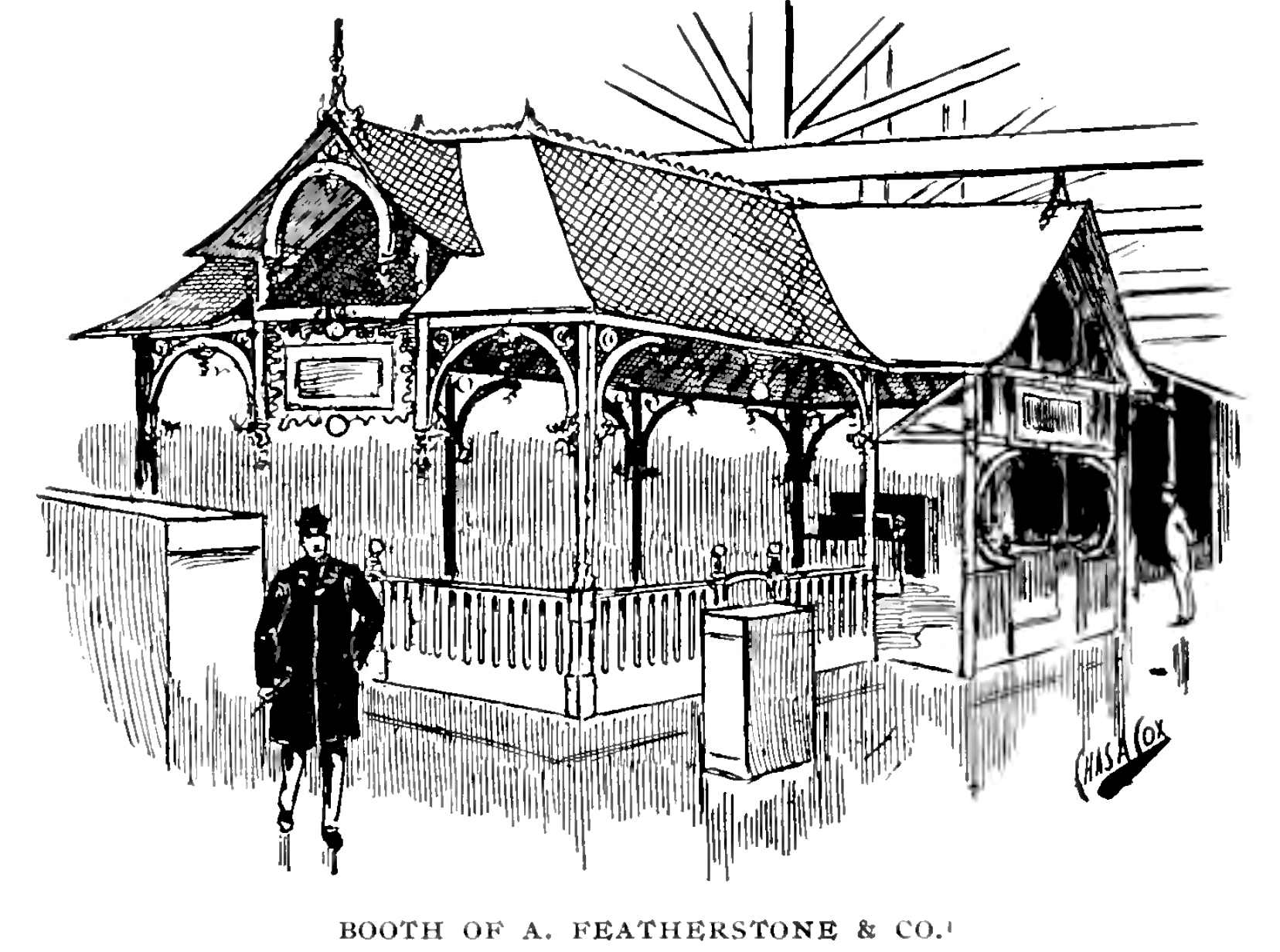
Right back of this is located the booth where A. Featherstone & Co.’s wares will be displayed. It looks like a summer cottage with the walls down, and is highly ornamented with handsome woodcarving. Nothing has been put in it as yet. It will certainly be one of the most attractive in the gallery.
Rouse, Hazard & Co. and the Rouse-Duryea Cycle Co., thanks to the artistic taste of Mr. E. P. Miller, of Peoria, have a fine place. A blaze of yellow catches the eye and one stops to look more carefully. Mr. Miller is an artist in his line. With the aid of yellow silk he has made the booth an arbor of beauty. The back and ceiling are formed of what is technically known as a sun-burst, which is fastened by various parts of a bicycle. Portieres made of tubing and handles droop gracefully from the sides, while a Moorish chair composed of handlebars and other sundries tempts the weary to rest. The crates have not been opened.
An Ornamental Pavilion.
The Ames & Frost Co. are expending a large sum on their exhibit. Nickeled railings, handsome carving and a ceiling of staff make their wooden pavilion very catching. It had not been completed, the staff workers being busy putting on the finishing touches.
The richly red walls of the Overman Wheel Co.’s dignified “Mahogany Hall “loomed up prominently. Manager Klipstein was rushing around getting his exhibit in readiness.
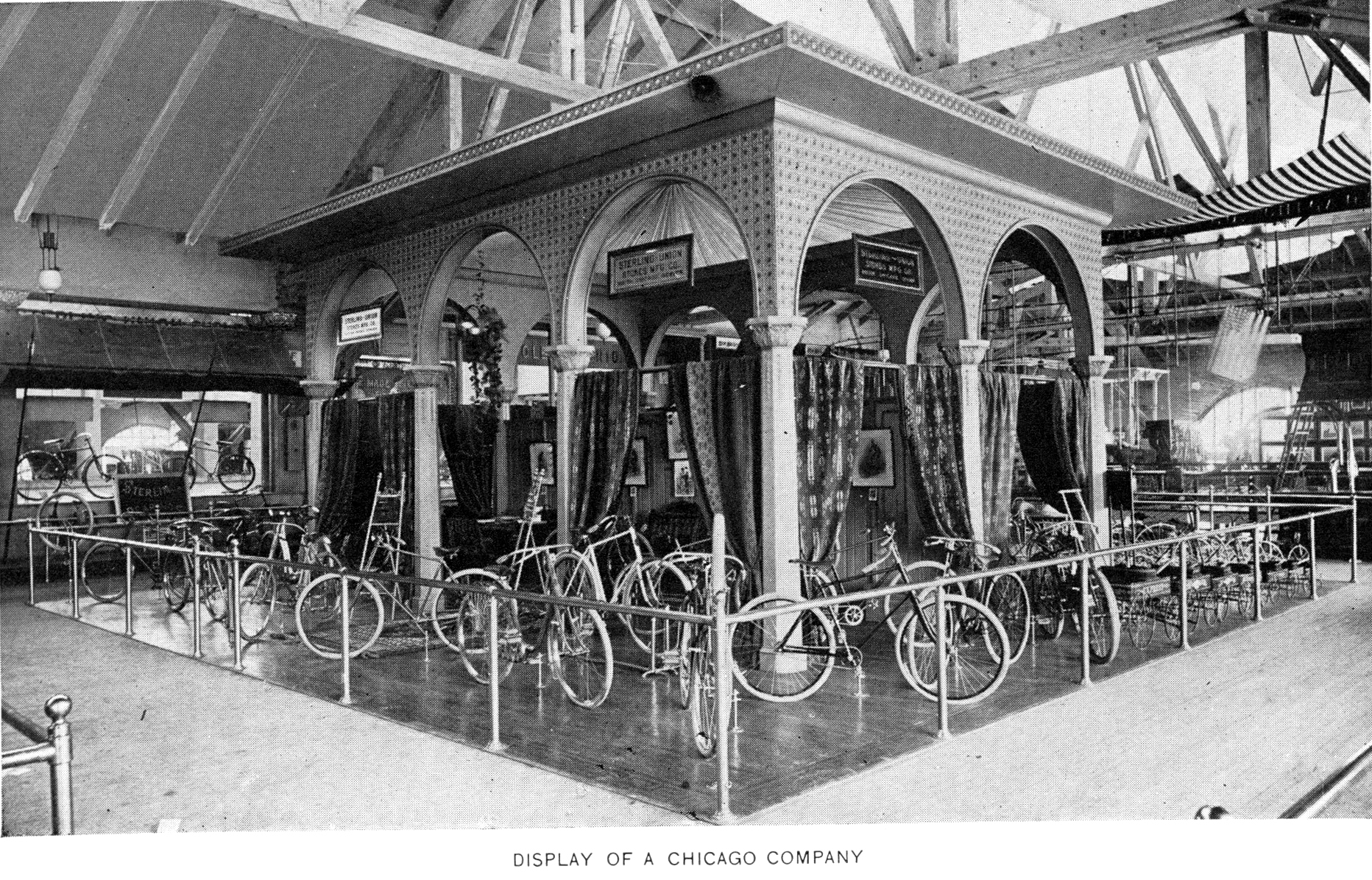
The American Cycle Co. had a cushion tired Sociable and several pneumatic tired Worths in their space. The Sterling and Union allotment was still bare, but will doubtless be well worthy of a visit when the exhibits are up.
The Sercombe-Bolte Mfg. Co. and Derby Cycle Co. spaces are also incomplete.
The Marion Cycle Co., the Royal Cycle Works and the Remington Arms Co. had wheels ready to be uncrated. Several New Mails were standing in front of William Read & Son’s place.
Donnelly & Deward, of Chicago, comparative strangers to the cycling world, had one of their Double Diamonds in an 8×8 space. It is a light looking wheel with a combined crank and axle and a peculiar arrangement of the crank hanger.
Novel yet simple is the place occupied by the Western Wheel Works. The center part is a pavilion made of nickeled rods, with an American flag for a roof. Huge mirrors on two sides add beauty to the booth. Across the aisle and in the arches is a background composed of wheels.
The Kenwood Mfg. Co. has a square with a yellow canvas roof sup- ported by nickeled rods.
The Gormully & Jeflery Mfg. Co.’s space is next, decorated with red and yellow cloth. Neither of these firms had yet prepared their wheels for display.

What Germany Will Show.
Down stairs, behind the huge trip hammer, is located the German exhibit. Three firms have taken space and their booths compare favorably with those up stairs. Adam Opel, of Frankfort, has a handsome pavilion, decorated with the German arms and a picture of Lehr, the German champion. Adam Opel, fils, a famous racing man, is in charge. He proudly exhibited the Victoria, the wheel made by his firm. And he had good reason to be proud, for a handsomer lot of machines could not be found in a day’s journey. The gem of the lot is a fifteen pound racer, similar to the one ridden by Lehr, who, by the way, will be in Chicago in August. This wheel is fitted with Dunlop tires and can be lifted with the little finger. The spokes are fitted in a peculiar manner.
Just imagine a 28-pound tandem racer! One of these dainty machines is on exhibition here and surprises one by its lightness and rigidity. The steering rods fasten to the front forks, and are apparently an improvement over the old style. A 30-pound front driver and a pneumatic tired ordinary also grace the stand. Mr. Opel has twenty-seven wheels on exhibition.
Across the way Henrick Kleyer, of Frankfurt, A. M., holds forth. Here is the Adler, a beautiful machine. A twelve pound racer, a 25-pound tricycle and a 28-pound tandem safety are marvels of lightness and workmanship. Three roadsters, fitted with band brakes on the front wheels, look strong and substantial. No one could be found in charge. The third German exhibit was also without a manager. The wheels, five in number, were marked “Badenia, Fahrader, Eisenwerke, Gaggenou, Baden.”
The Book of the Fair, H. H. Bancroft, 1893
In the United States exhibit of bicycles, more than forty of the leading manufacturers participate. The display is organized almost on the same plan as that of the Great Britain, some of the exhibitors showing special parts of the machine, but the majority presenting the entire mechanism. Many of the collections are housed in handsome pavilions, and not a few are in charge of well-known experts, who have won for themselves an excellent record while using the machines whose merits they are always ready to explain to the visitor.
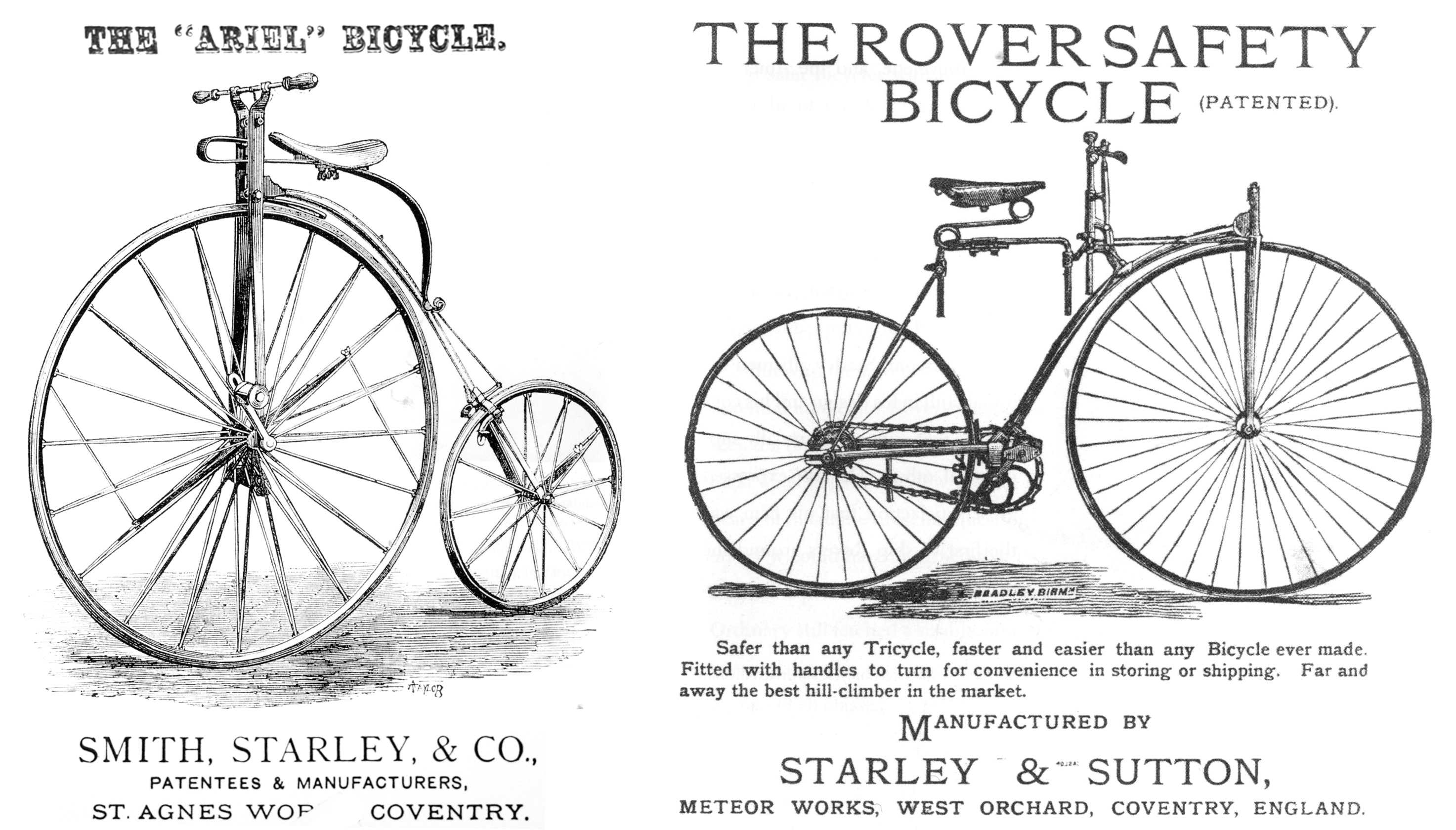
Chicago is well represented in this section, several of the larger factories making a somewhat elaborate display. The Western Wheel works have, in addition to bicycles of many patterns, wheel chairs and children’s carriages, all very tastefully arranged in their neat and spacious pavilion. In the specimens prepared for exposition, the Stokes Manufacturing company has avoided the use of enamel nickel plates that the visitor may better judge for himself as to their material and workmanship. The Gendron Wheel company, of Toledo, has one of the largest collections on exposition, including bicycles, tricycles, velocipedes, childrenï’s carriages and sulkies. In a structure composed of brass, a Boston company shows in several styles its bicycles with weldless steel tubing. Beside the perfected machine of 1893 are the parts of which they are composed, either as unwrought material or in various stages of manufacture. There is also a model of the English dandy horse, with pedals, of Parisian make, the first safety, which appeared in 1877 in Boston streets, and the now antiquated machine on which Stevens made his tour of the world. Finally there is a bicycle fashioned for military service, one that has recently been adopted by the army department.
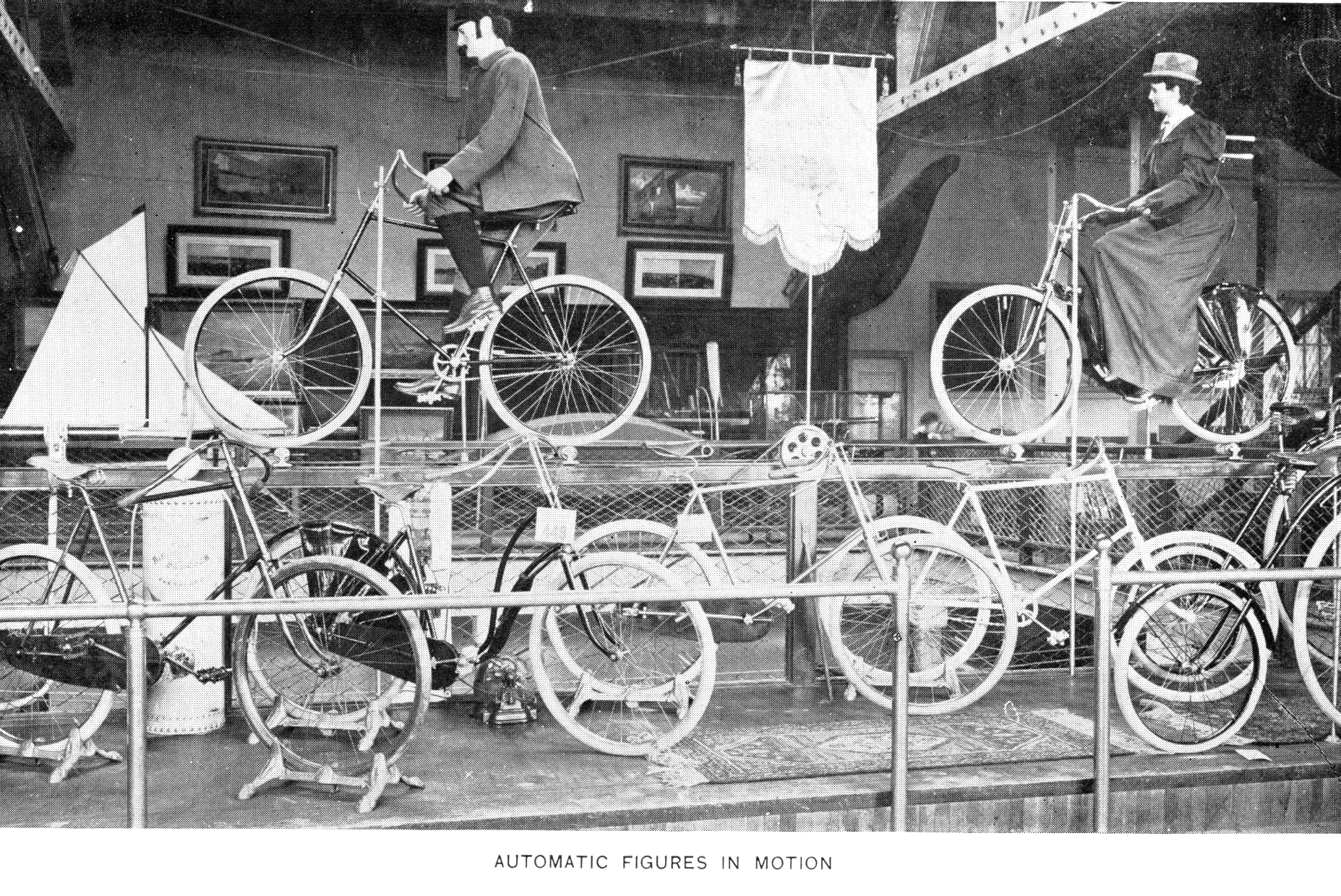
Other features in this division are wooden bicycles from a Newton company of Massachusetts. An exhibiting firm, dissatisfied with its space and position, placed two of its machines upon the gallery railing, the treadles worked by automatic figures. A group finished in rainbow tints is among the many ornamental specimens contained in the department.
Sterling Bicycle Works Exhibit.
Bicycle Exhibitors.
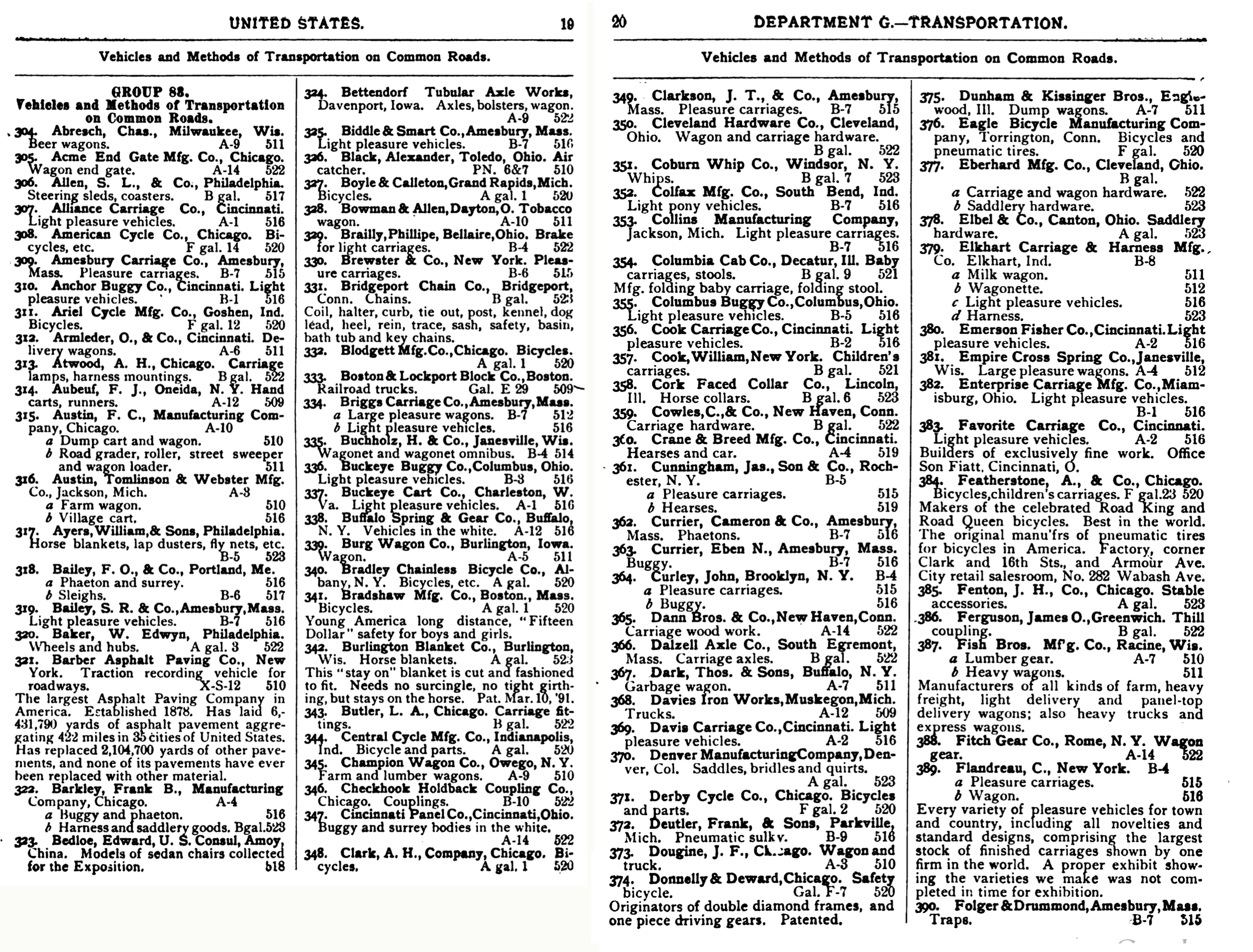
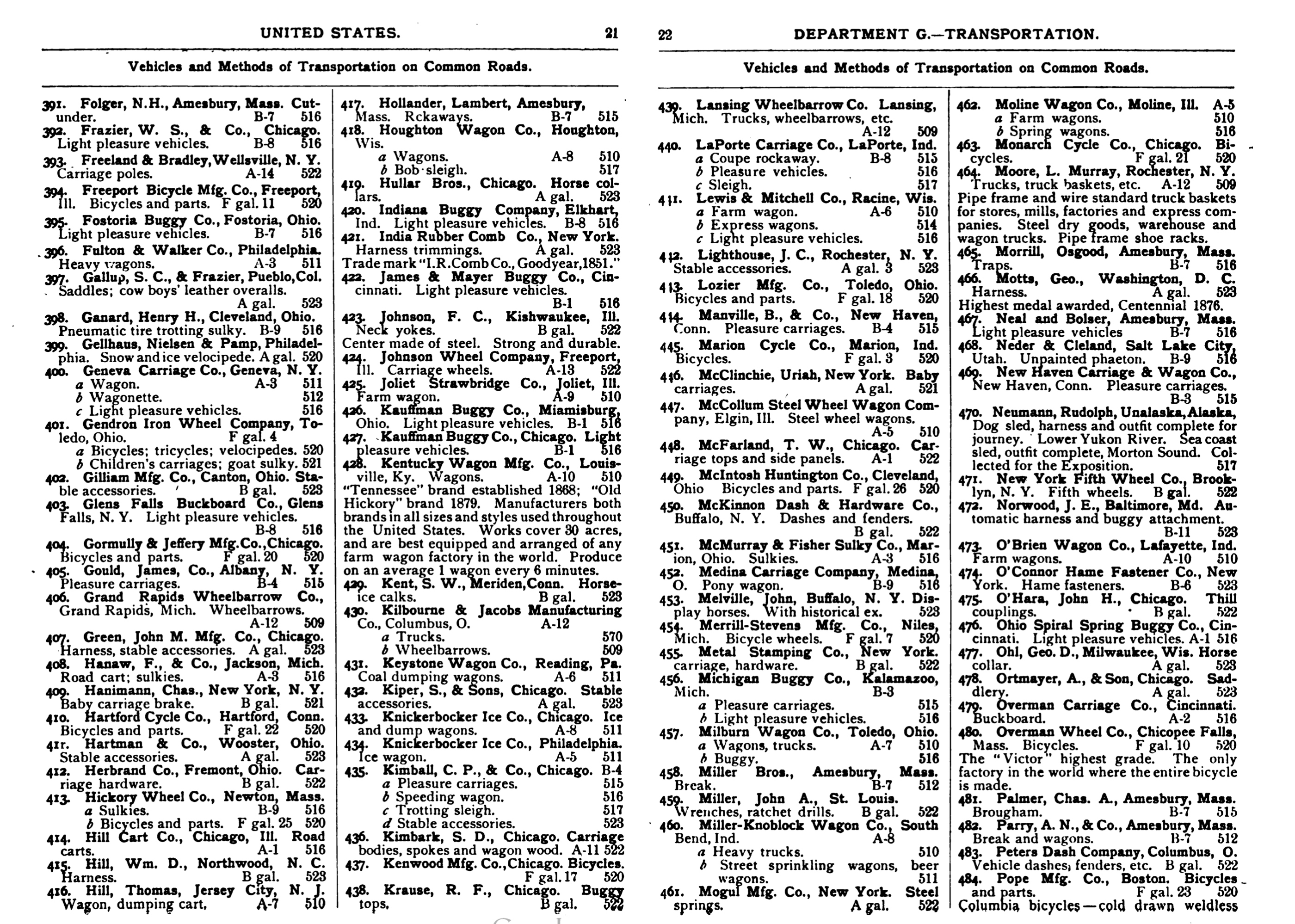
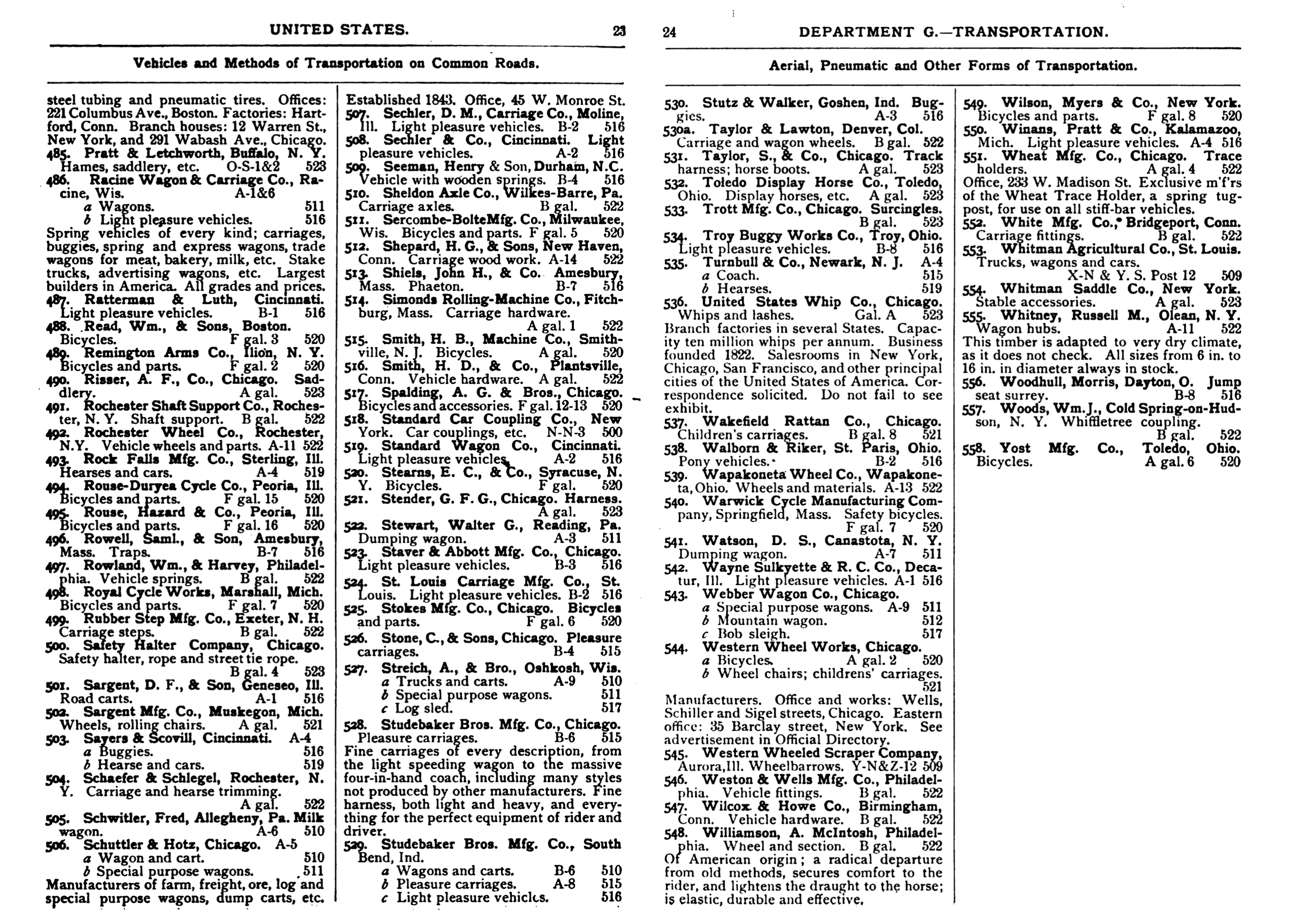
World’s Columbian Exposition, Official Catalogue, 1893

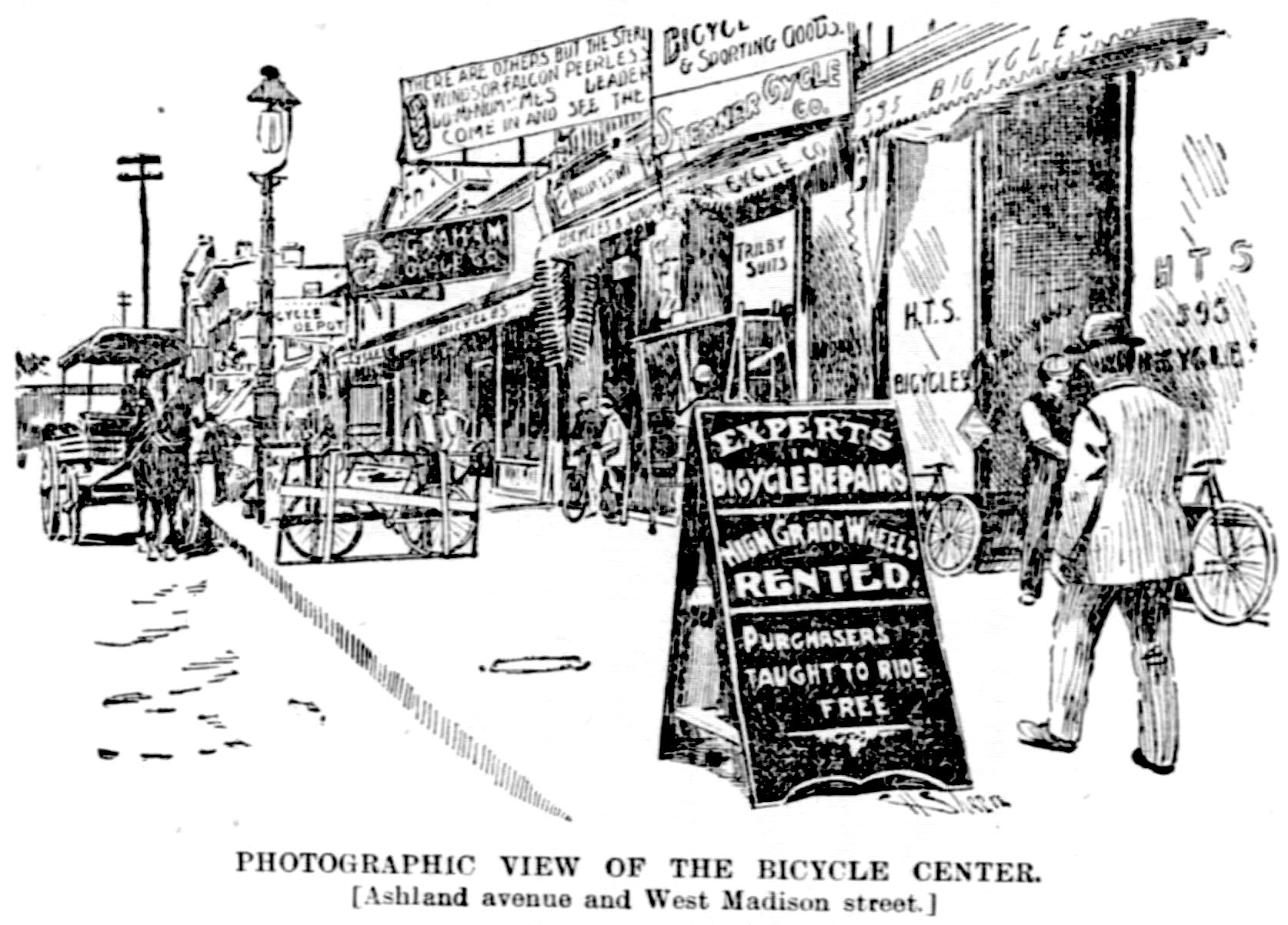
 “Opening day” among the bicycle houses was fairly successful yesterday, and today it is expected the different wheel repositories will be crowded with patrons anxious to inspect 1898 models and novelties. If the weather is more propitious the dealers agree they ought to have the biggest crowds their stores have seen in many a day.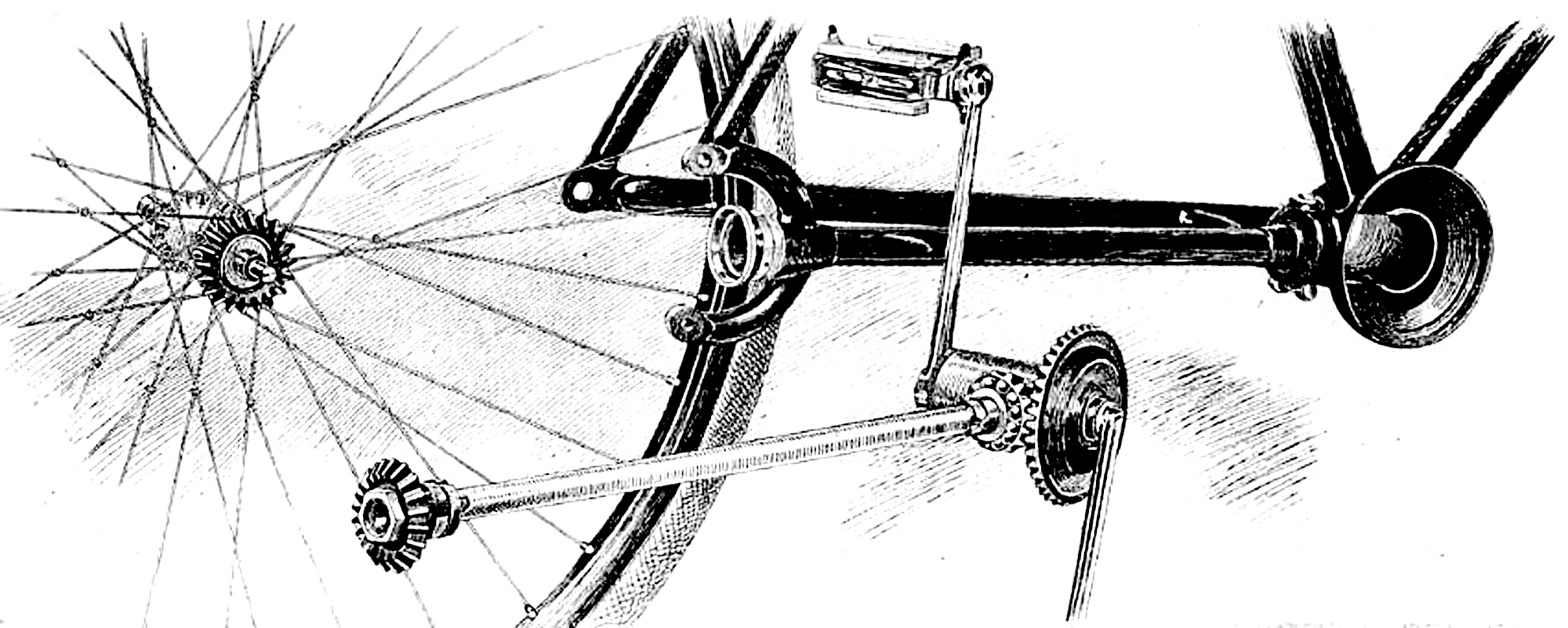
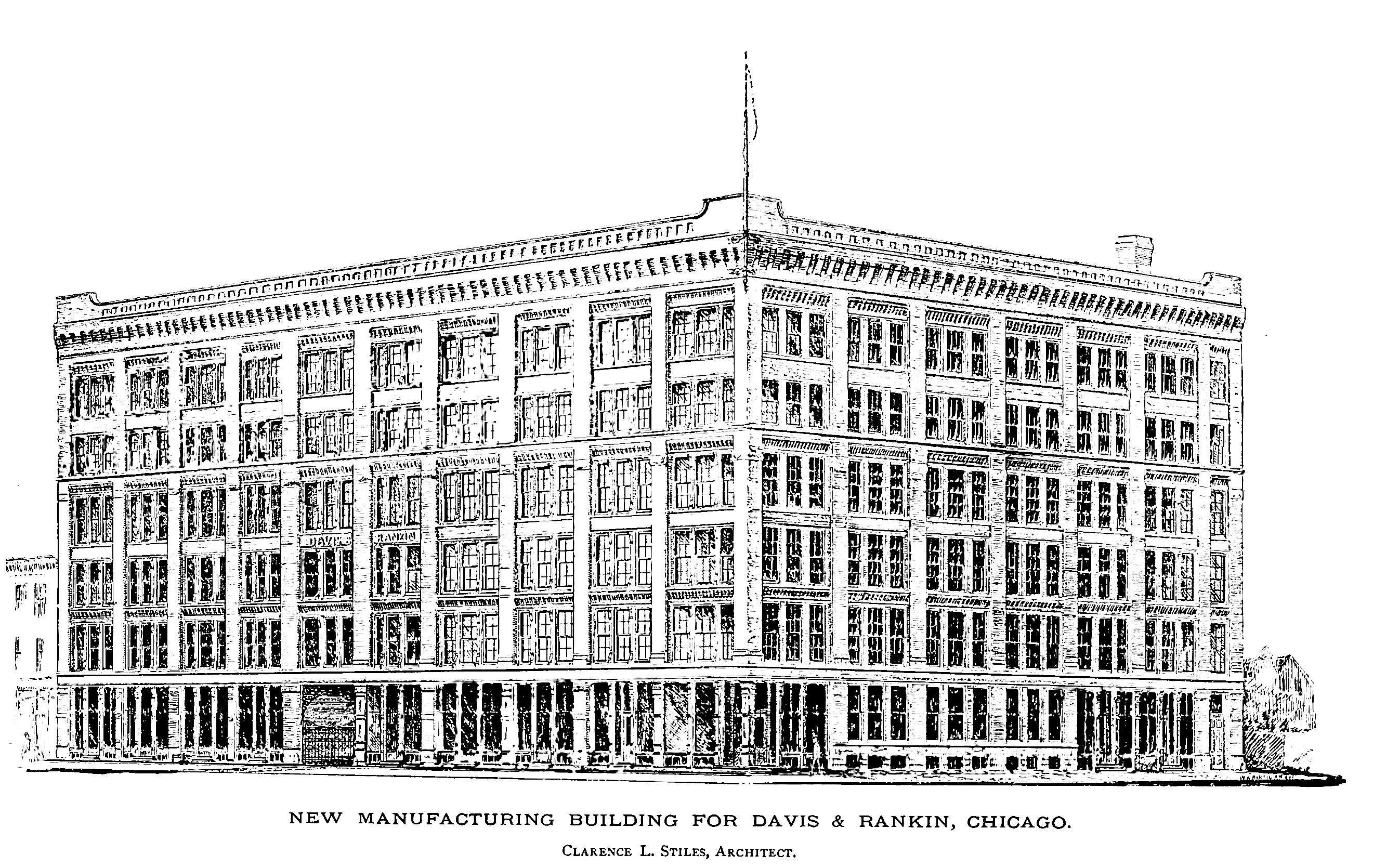
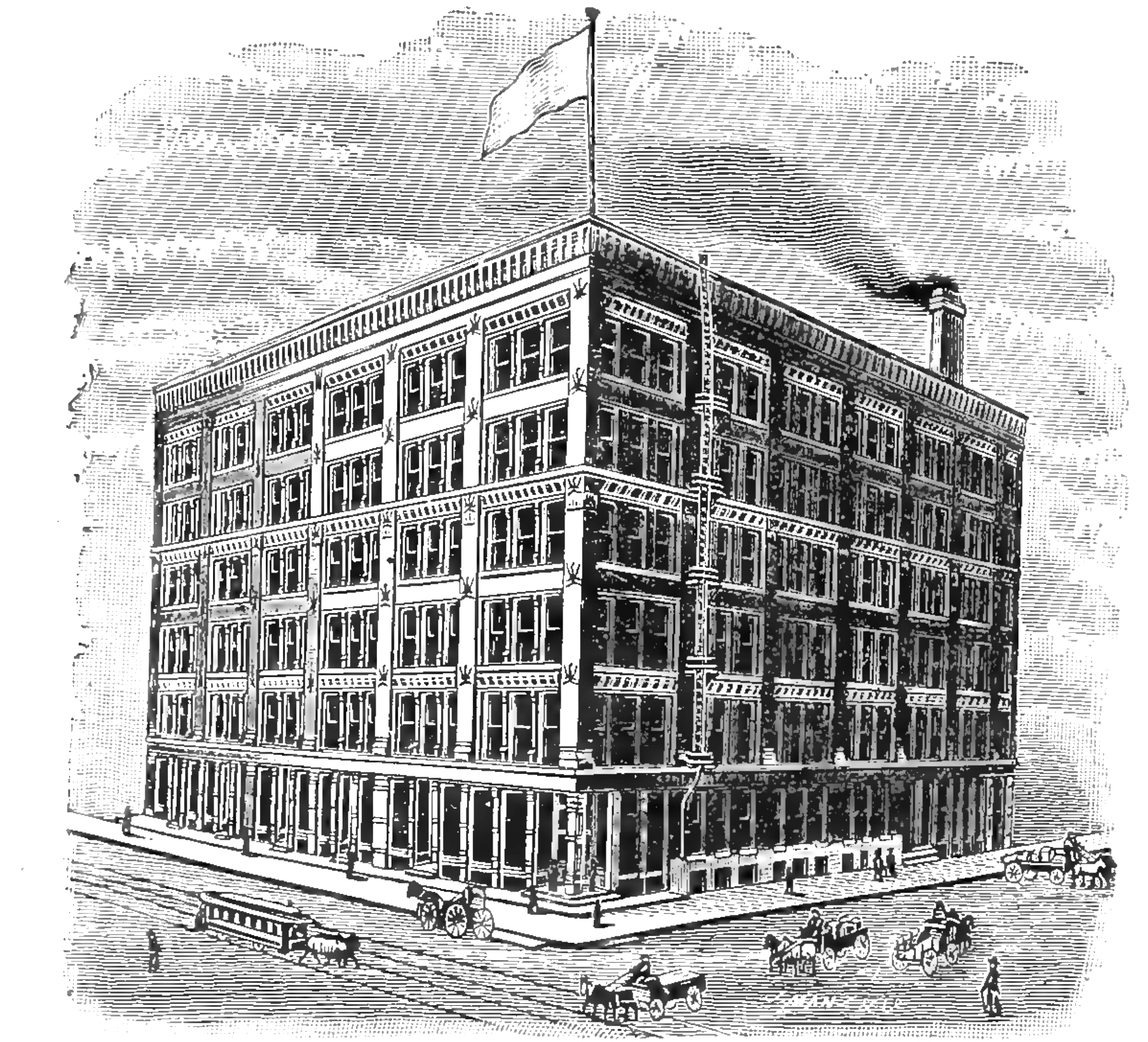
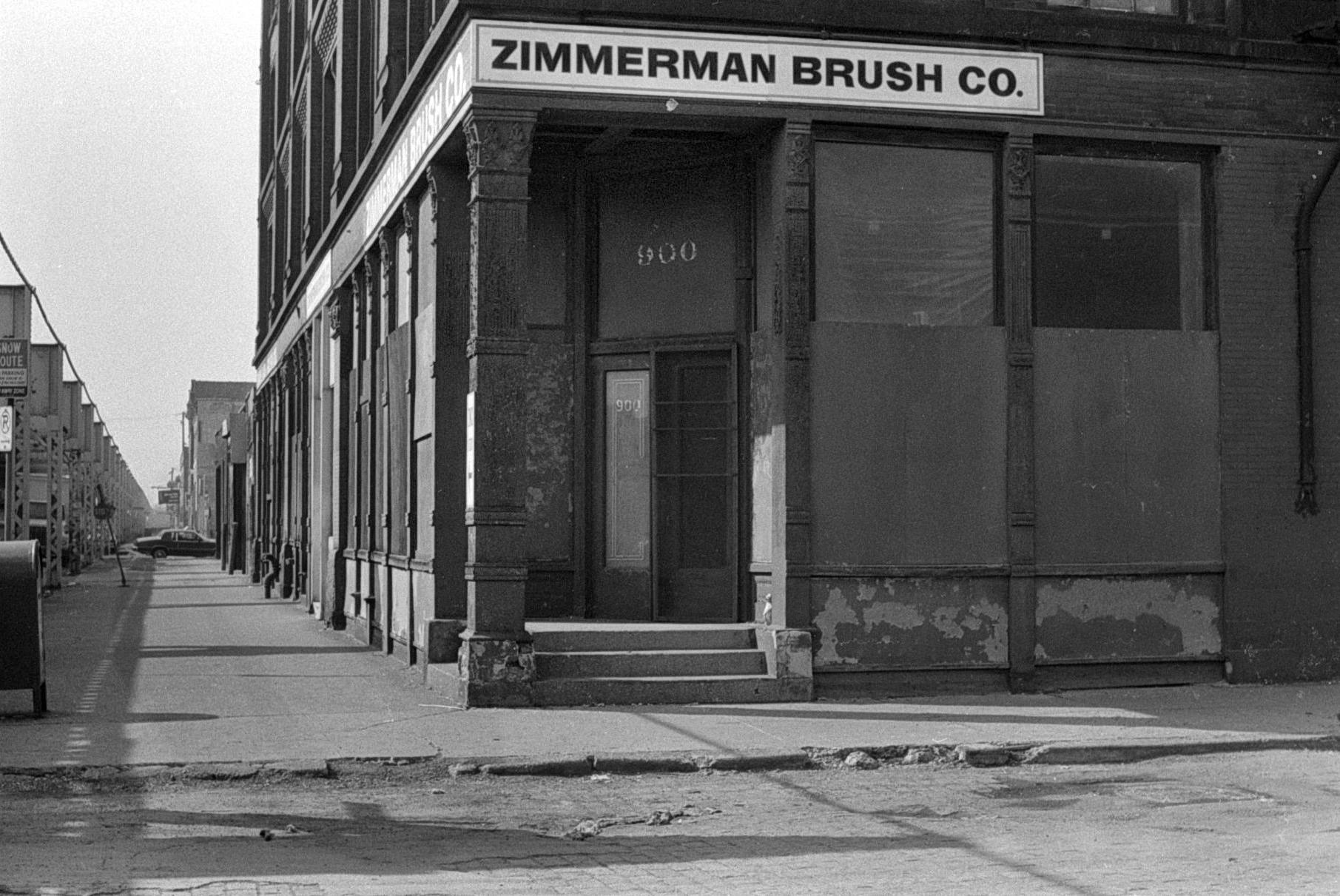
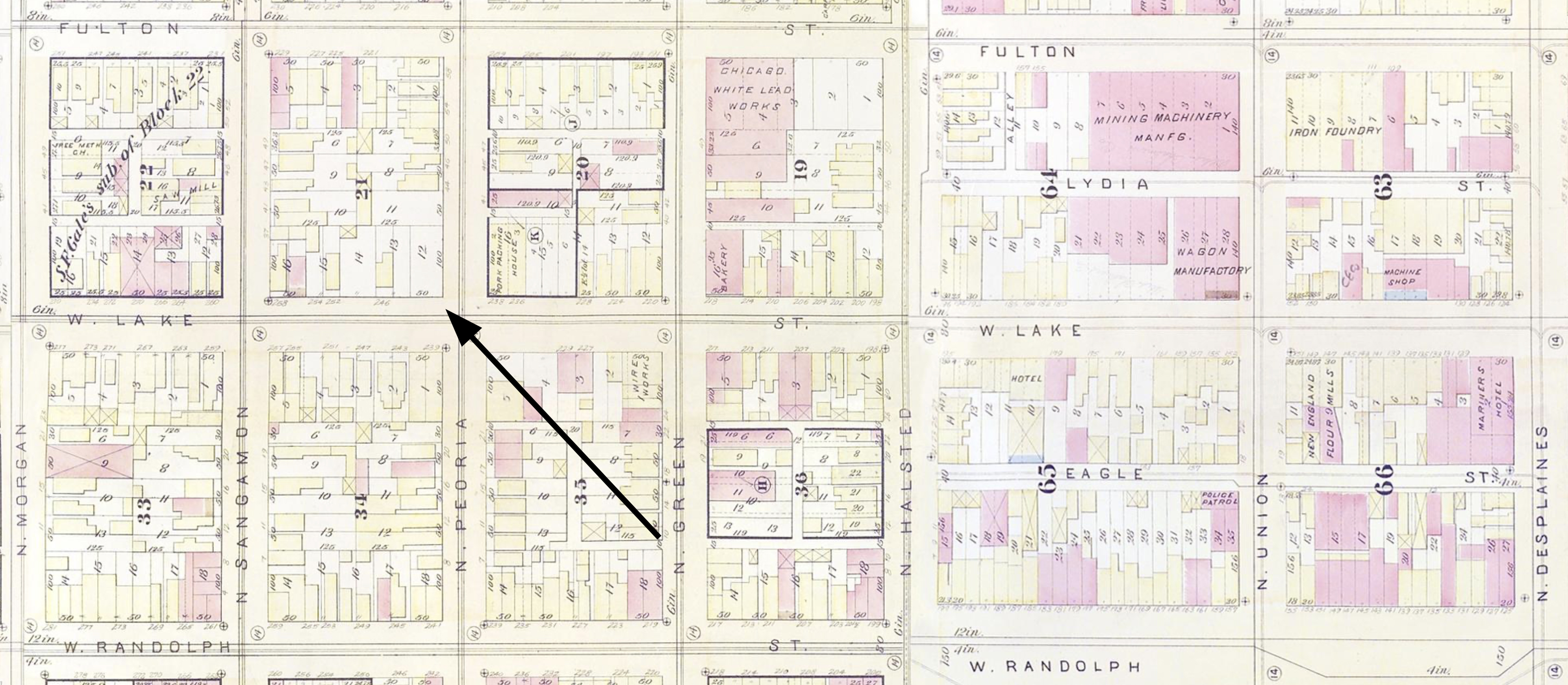
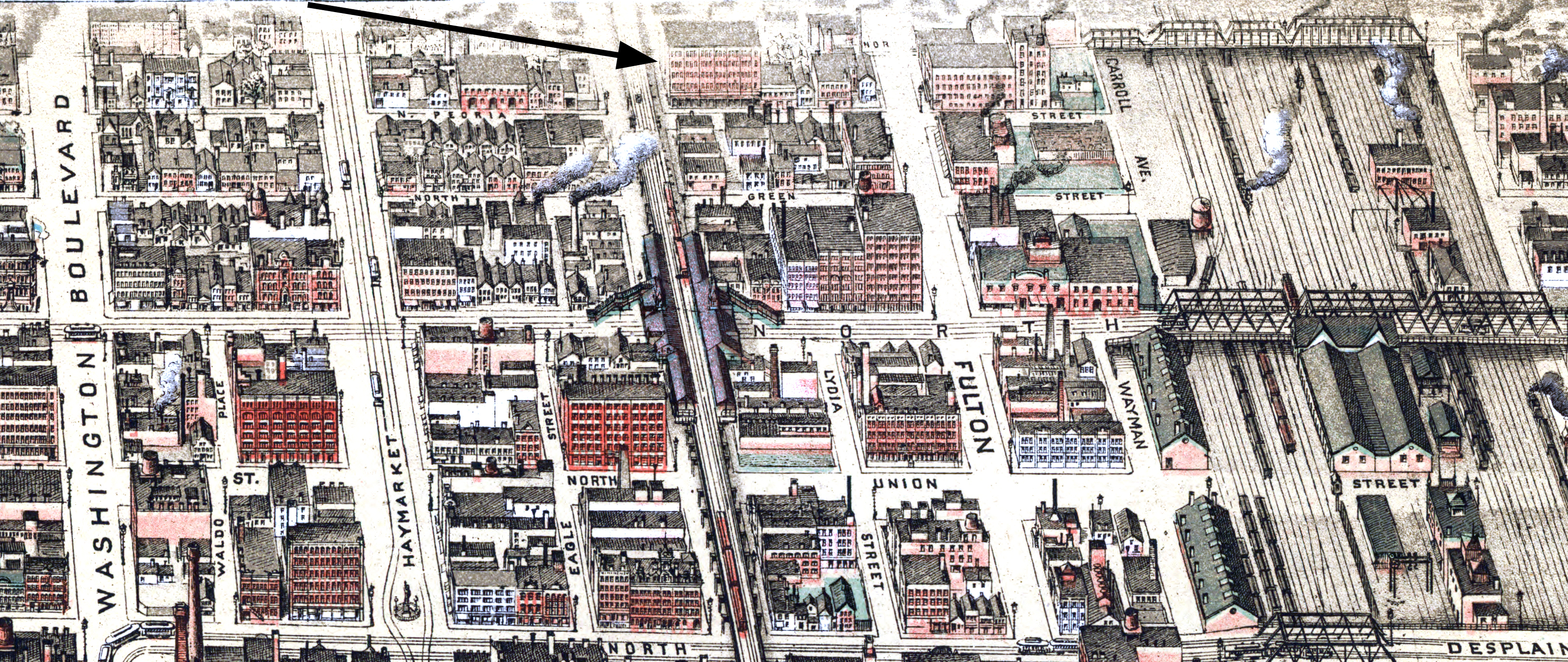
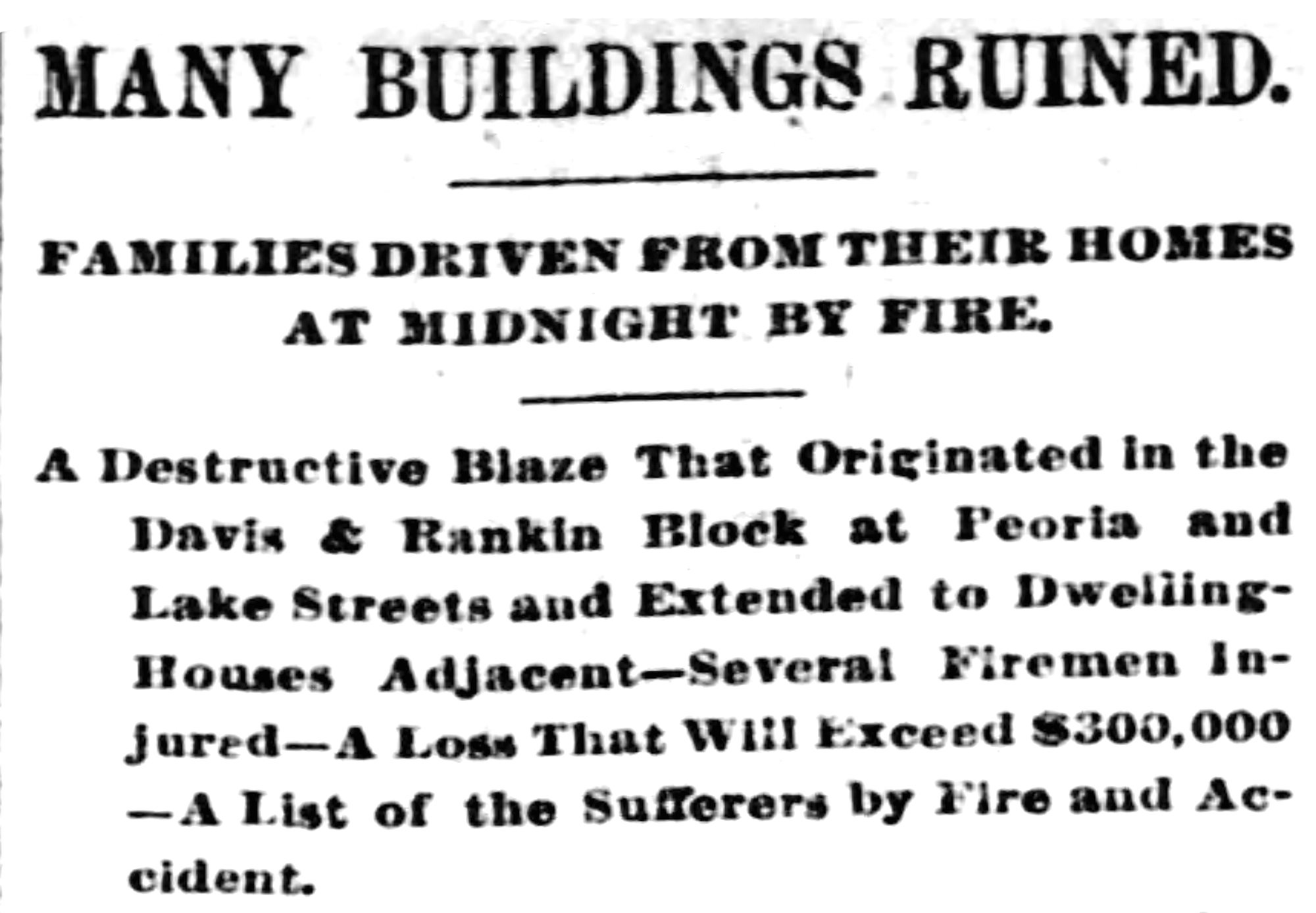 The hottest blaze the Fire Department has had to battle with for some time broke out at midnight in the Davis & Rankin Block, a five-story brick, 125×150 feet, located at the northwest corner of Lake and Peoria streets, and occupied half a dozen firms, the largest being Davis & Rankin, who deal in creamery supplies. In the building were also Zimmerman & Co., refrigerator manufacturers, Lane, Weaver & Co., oyster and fruit cans, the Gross Printing-Press Company, Lintholm, Picture-Frame Company, Chicago Egg-Condesing Company, and the Steele Key-Drive Chain Company.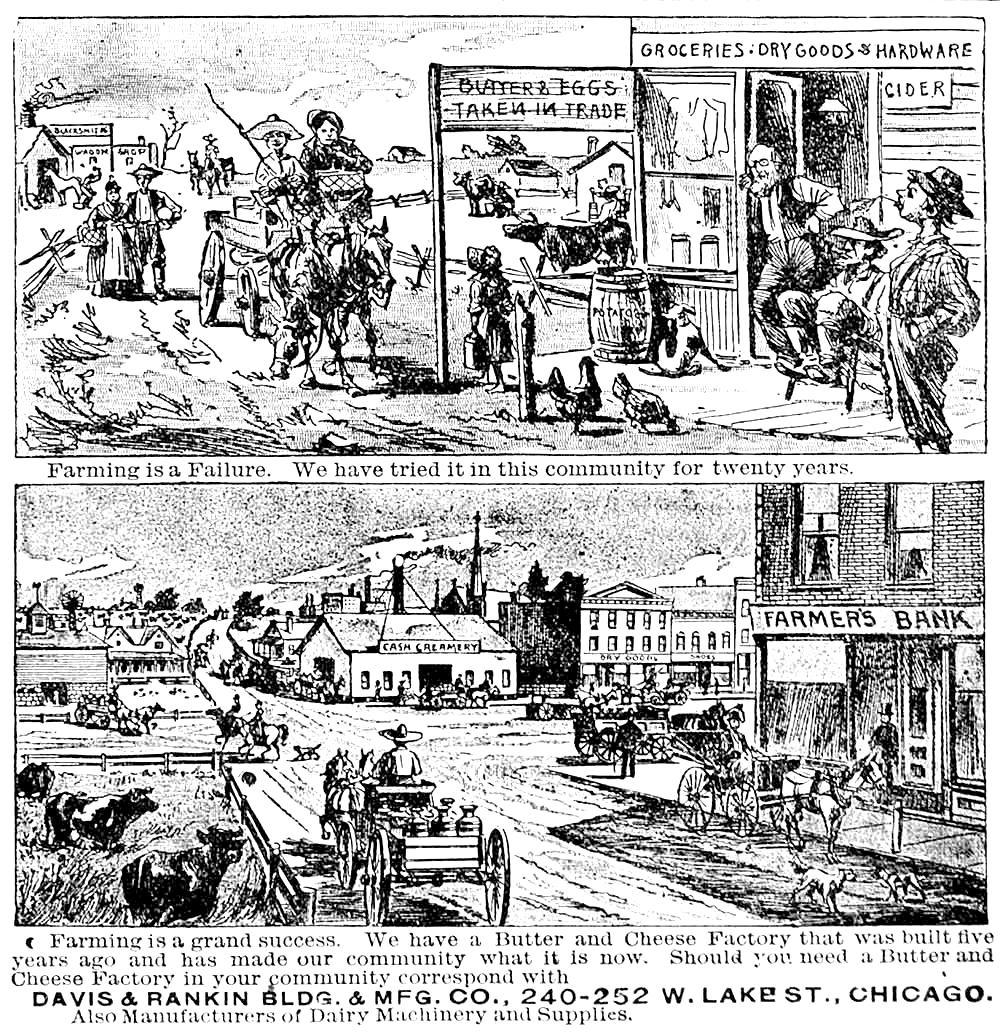
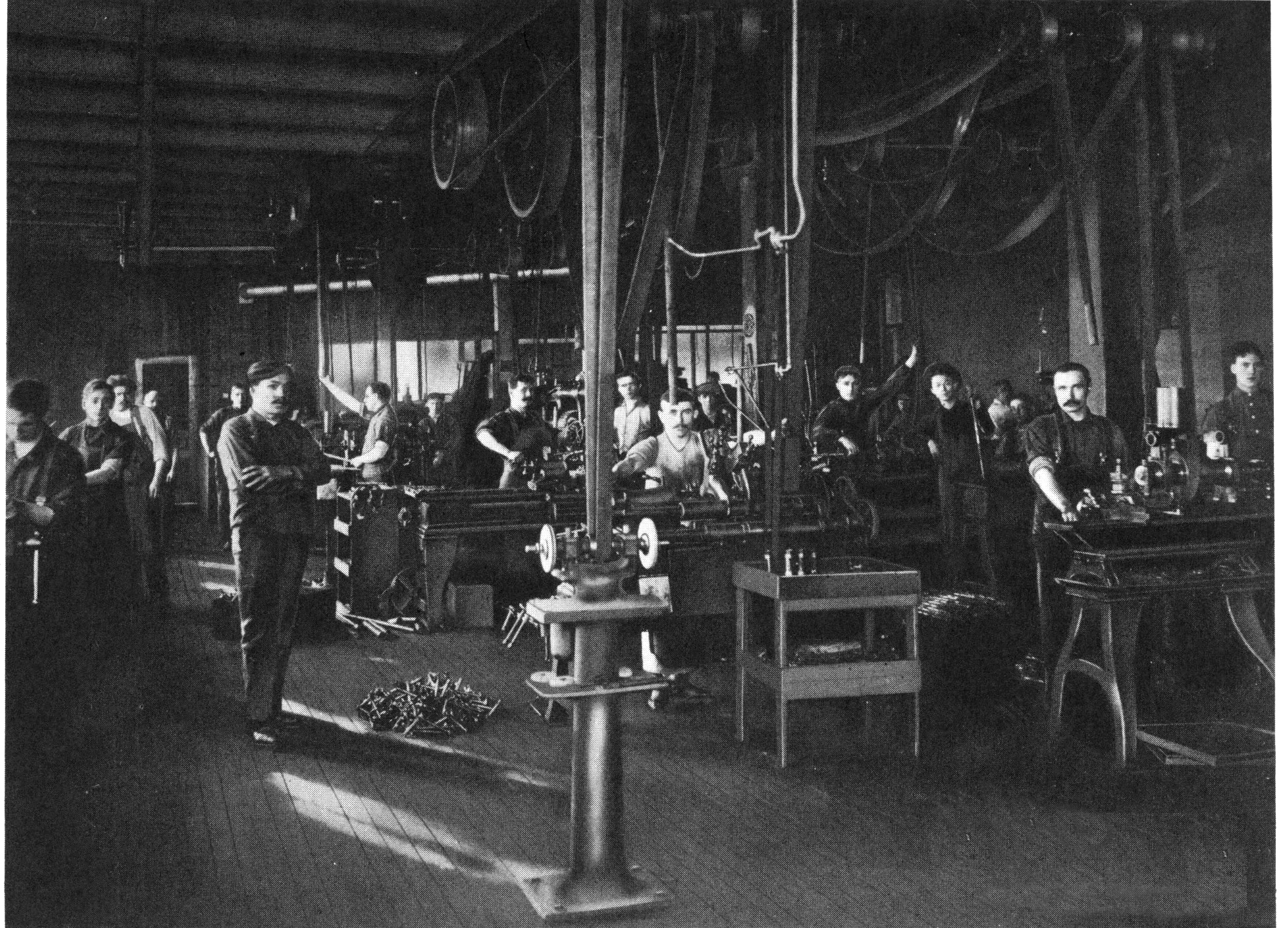
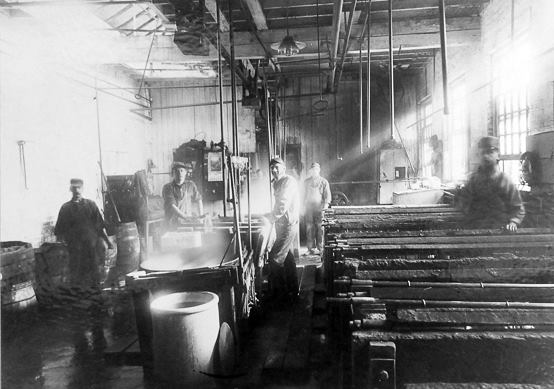
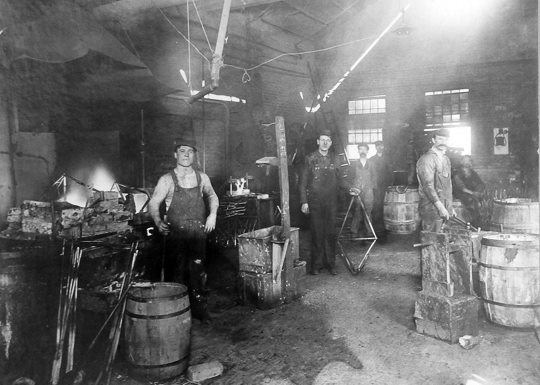
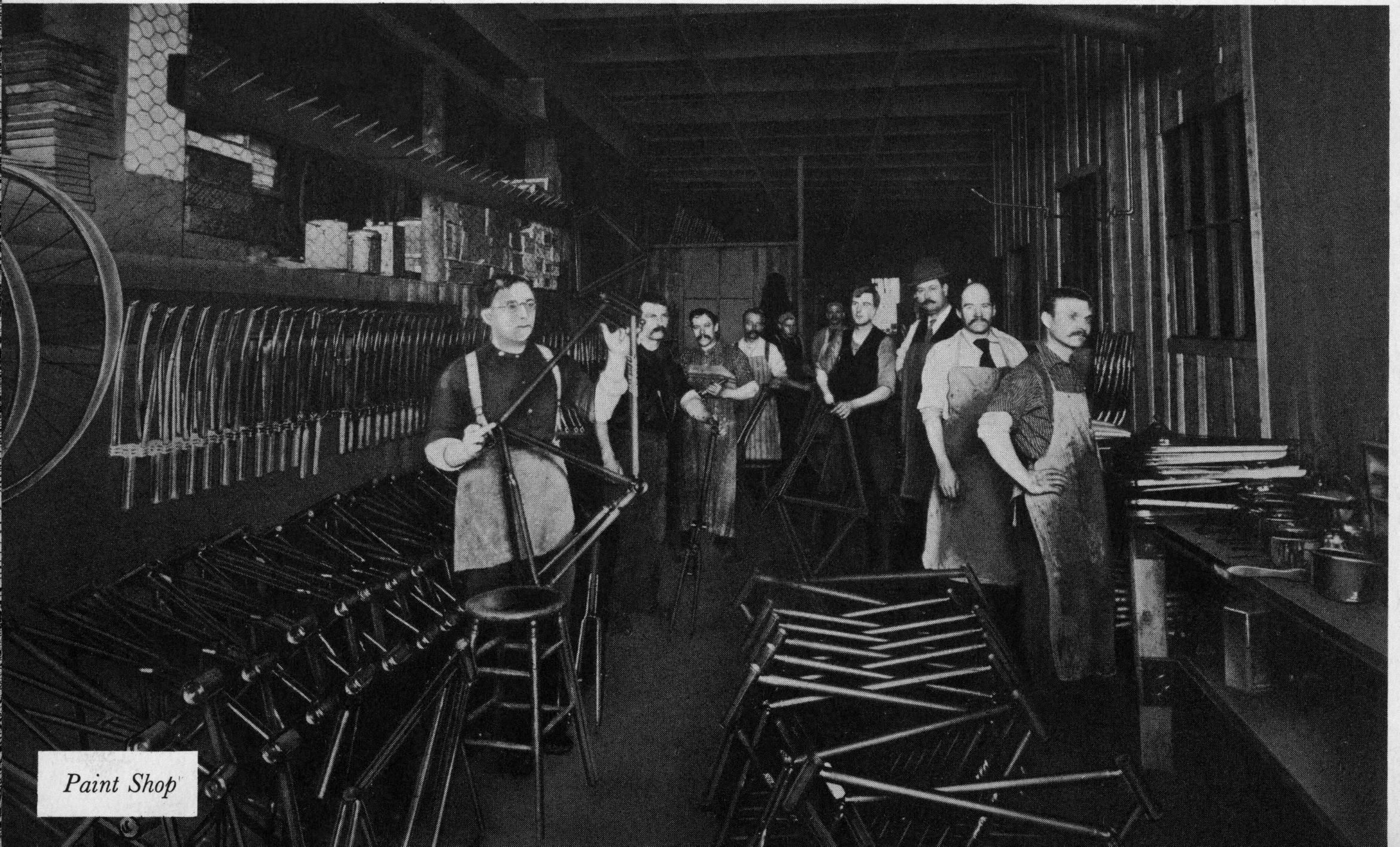



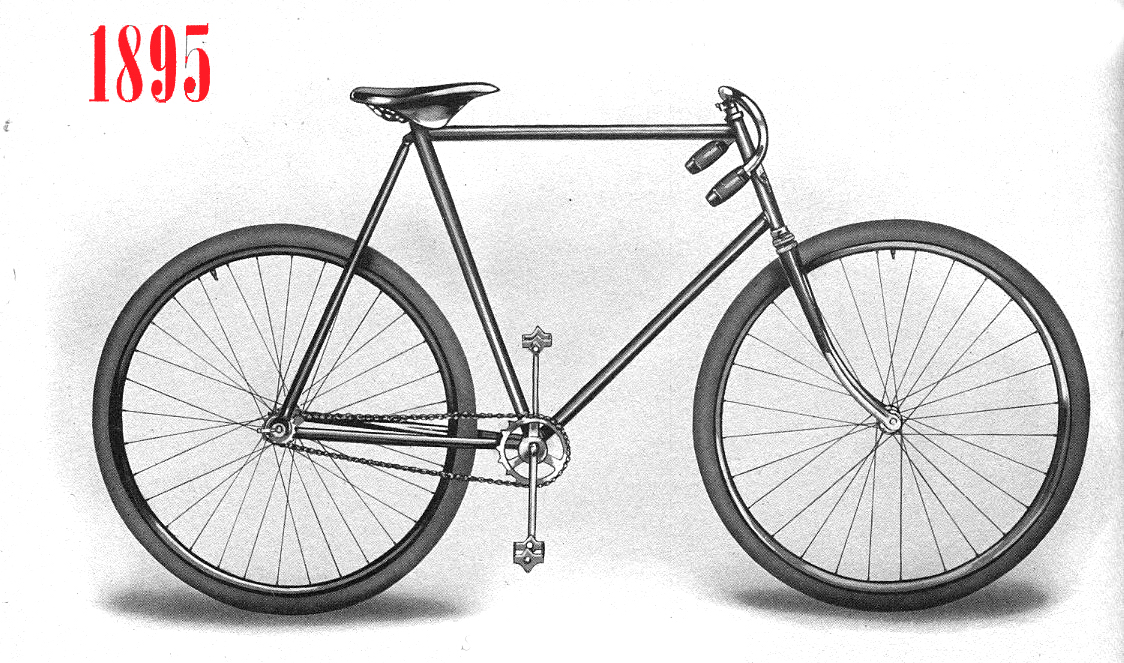
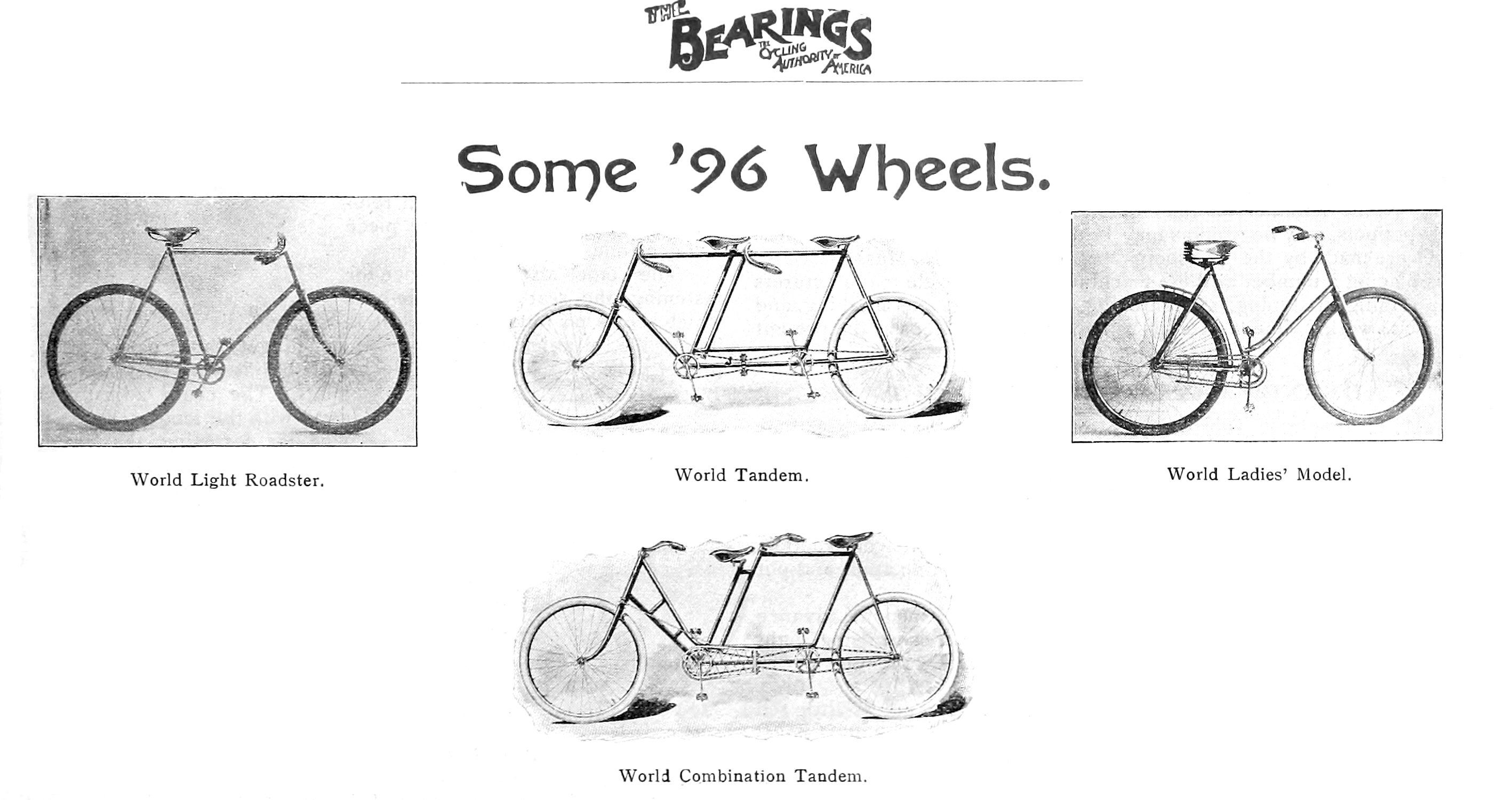
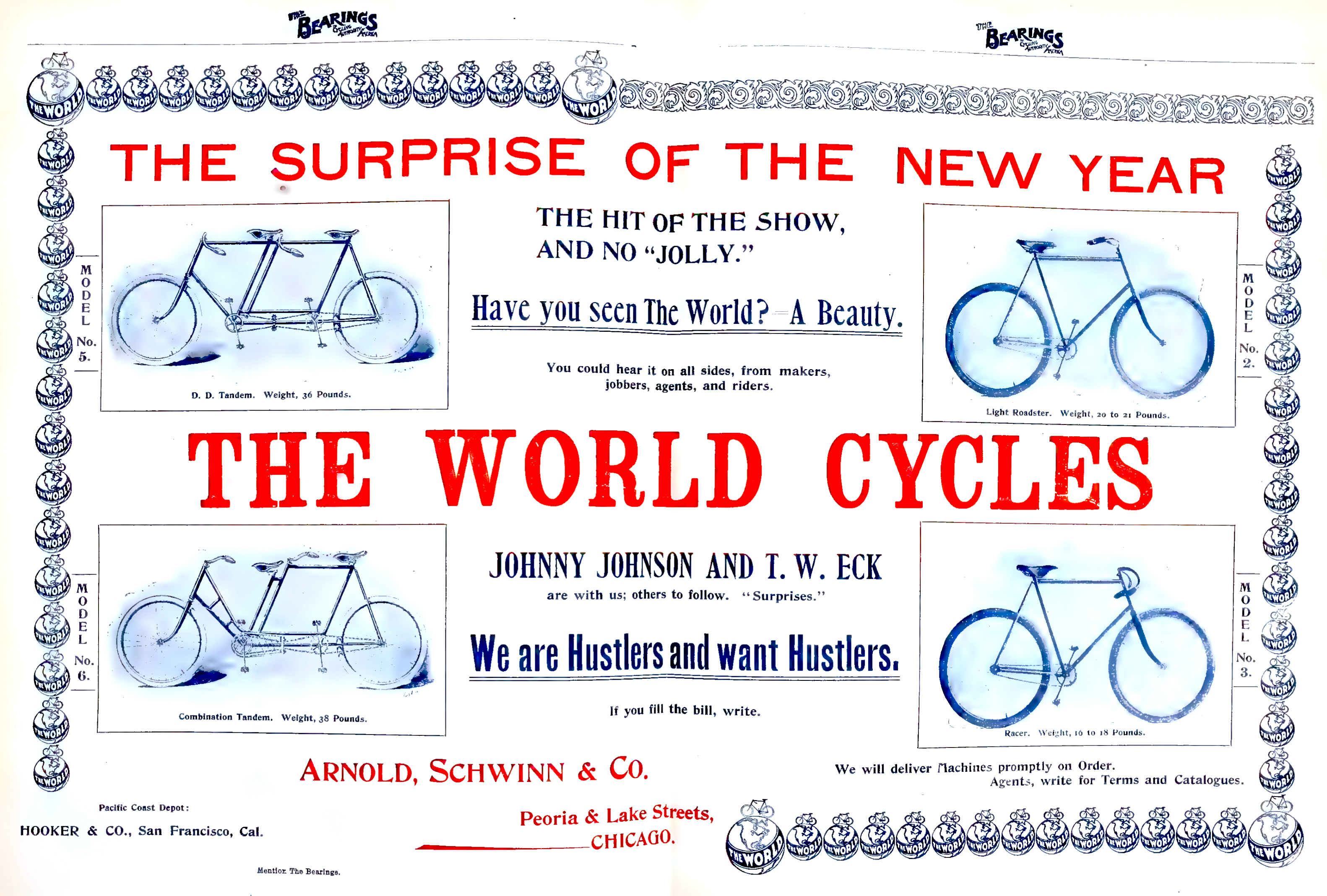
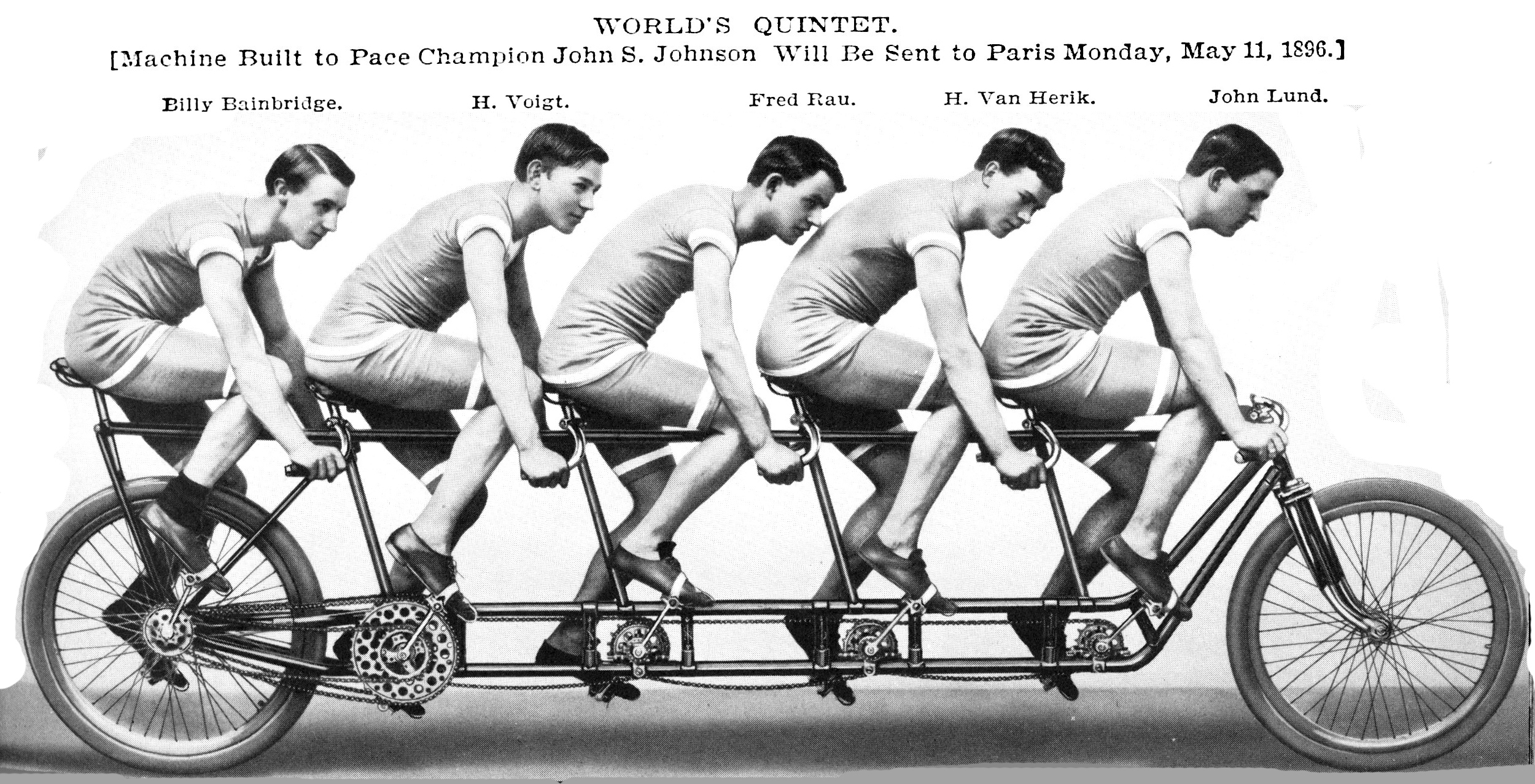
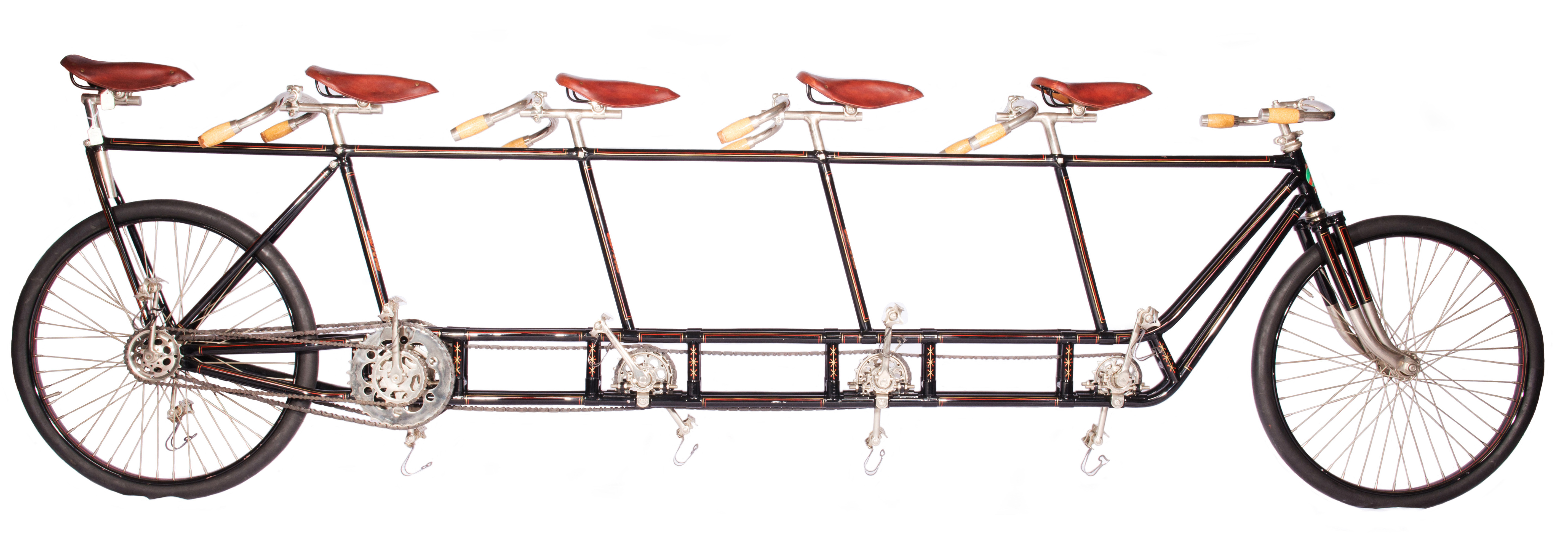


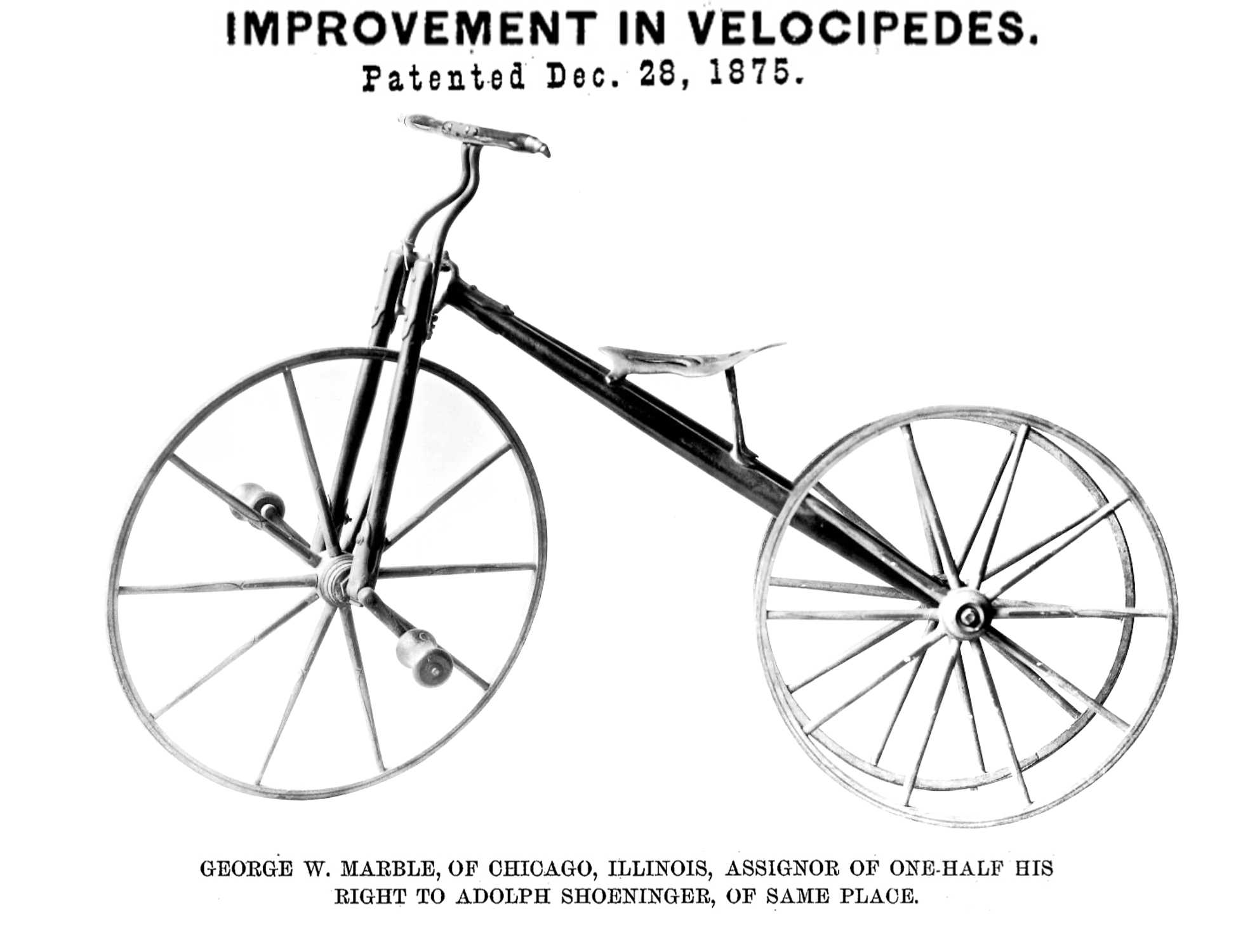
 The aristocratic denizens of Michigan and Wabash avenues are just now experiencing quite a sensation, produced by the advent of one of the famous Paris velocipedes. This fashionable means of locomotion, upon which the Parisians, over enthusiastic over novelties, have liberally expended money and muscle, promises to receive much attention in this country. Already universal curiosity to see and use the vehicle is expressed by the Chicagoan, and it may be prophesied that shortly “Shank’s mare” will become totally extinct as a locomotive power. This sample of the favorite French vehicle was recently imported by Mr. Augustus Wheeler, who resides at No. 932 Indiana avenue, and has been on exhibition at the Health Lift rooms, on Dearborn street, near Madison, for a few days past. It must be acknowledged as a valuable and wonderful invention, indicative of the rapid advance of science.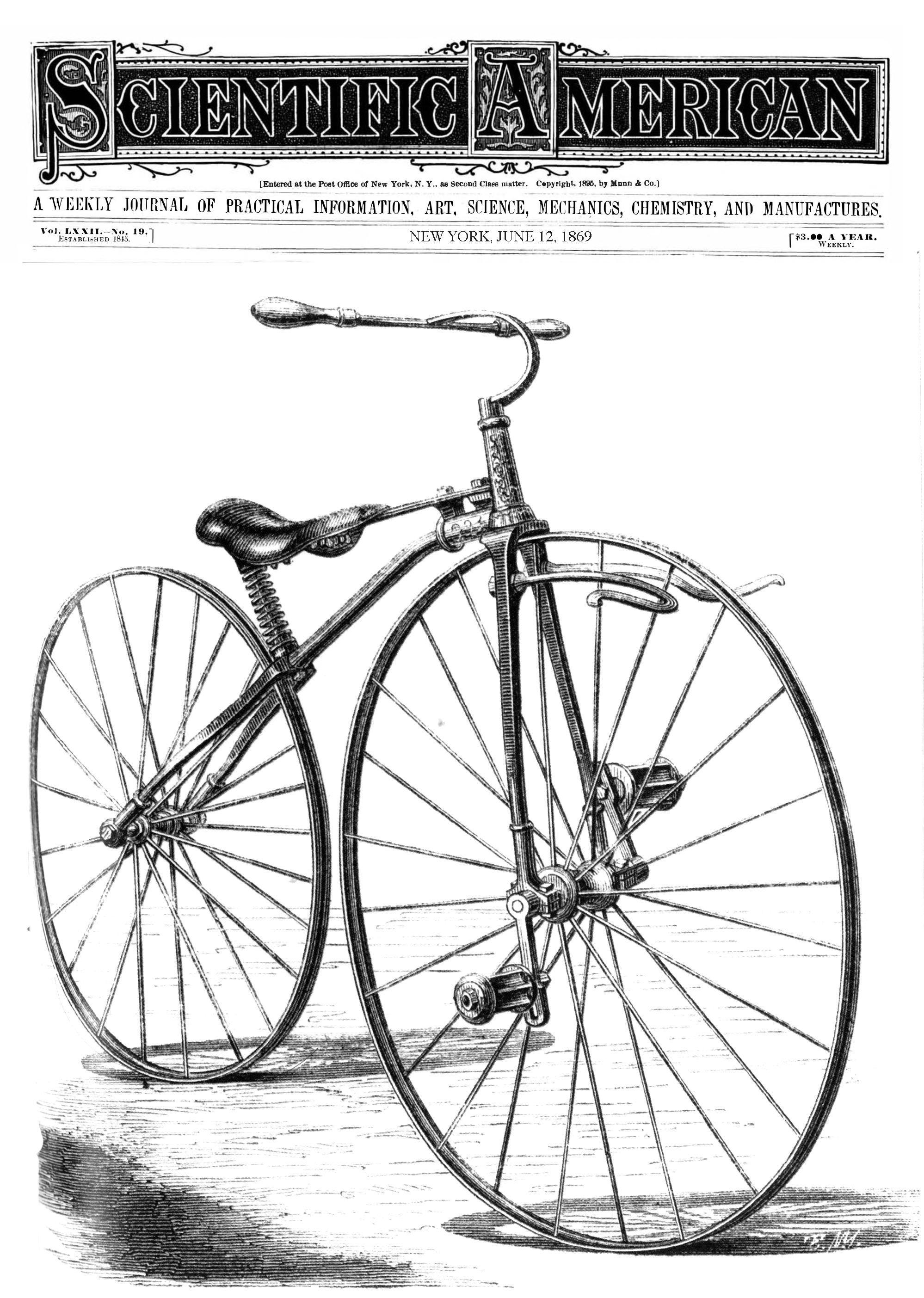
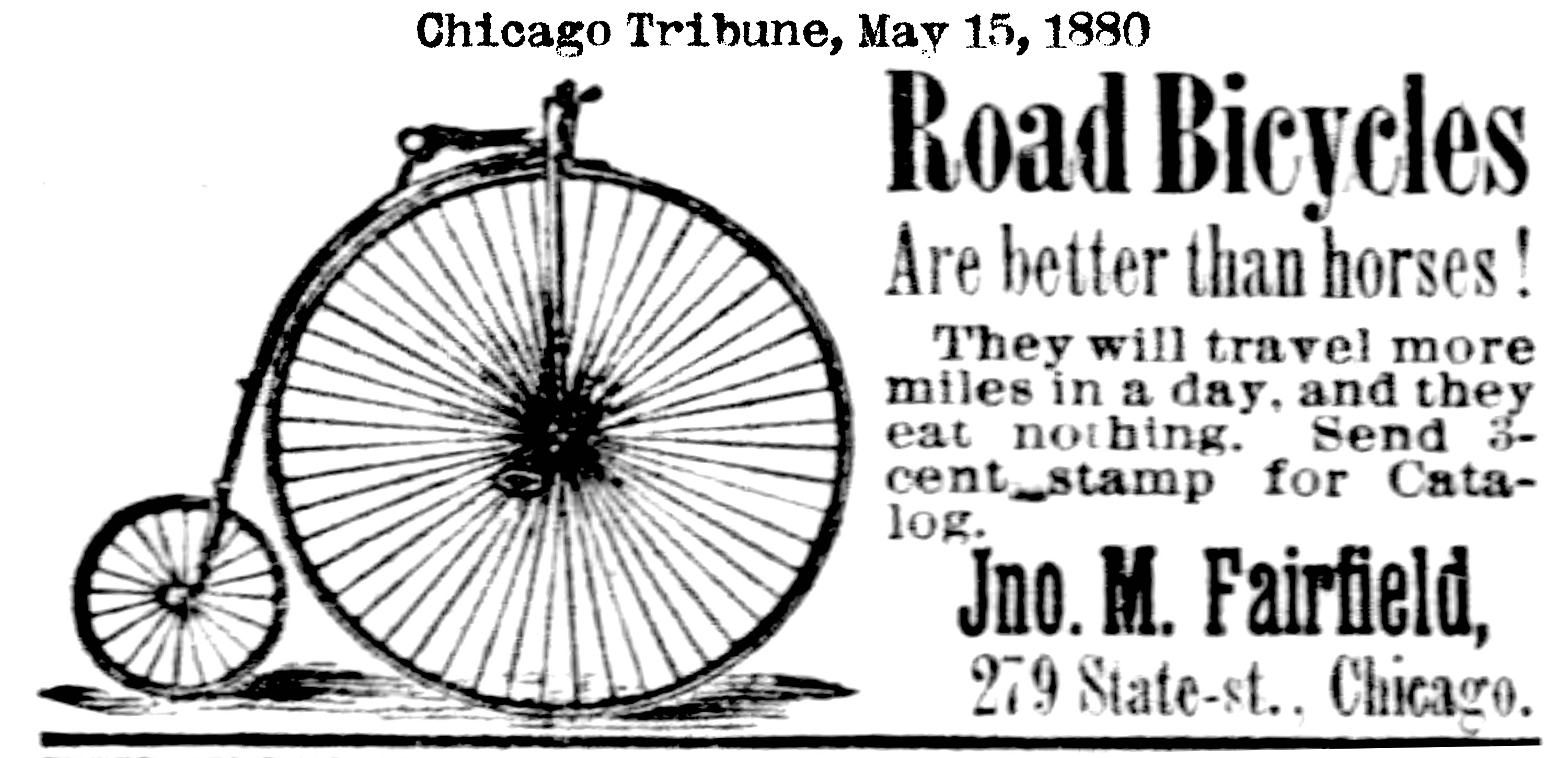
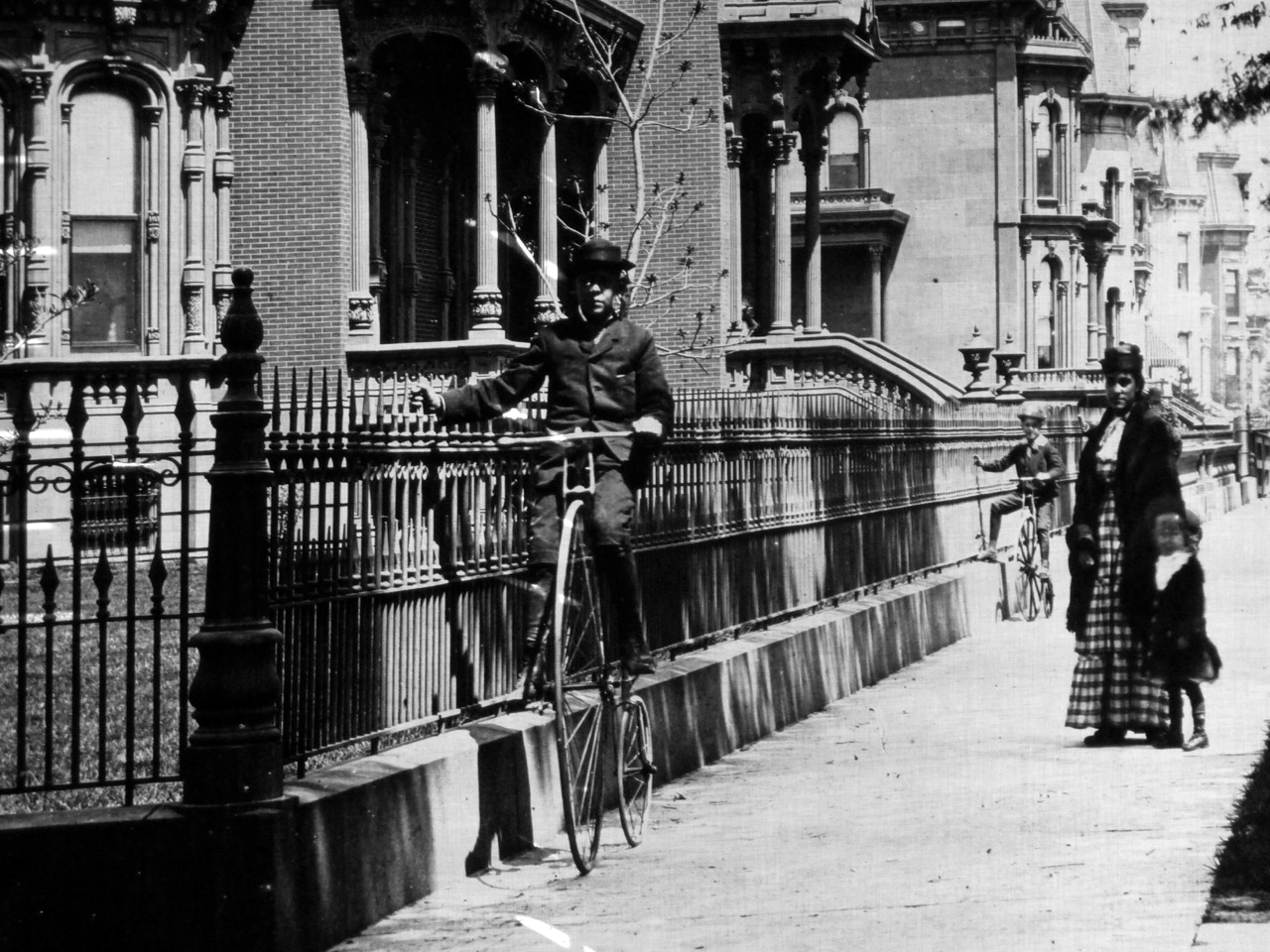
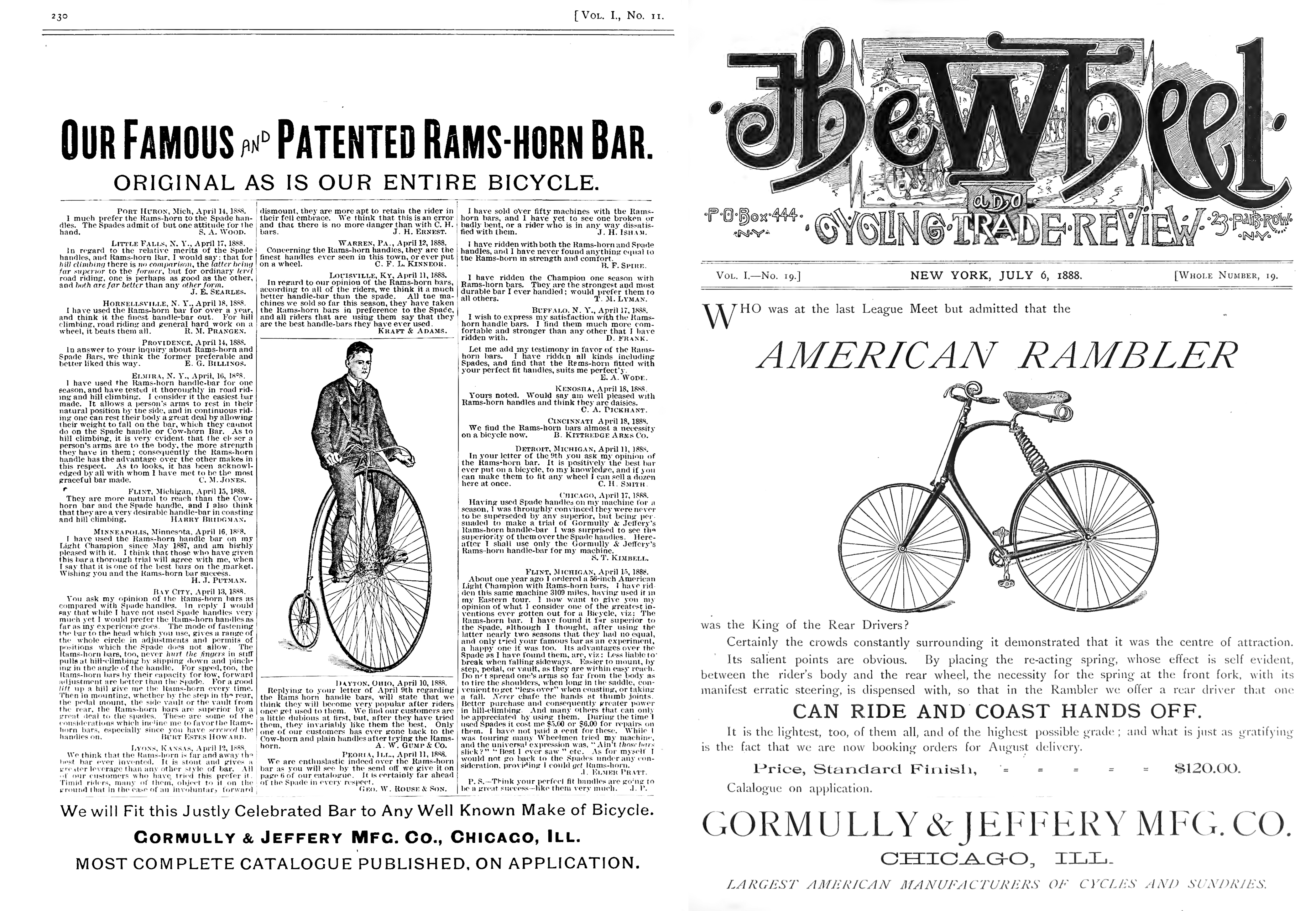
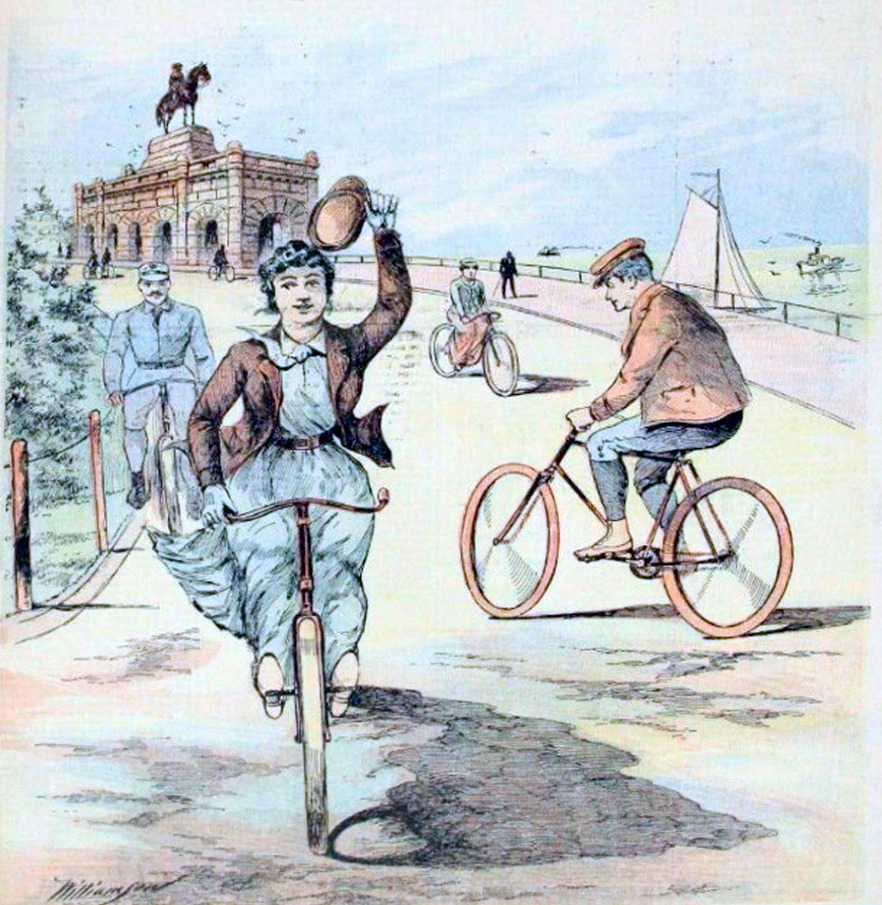
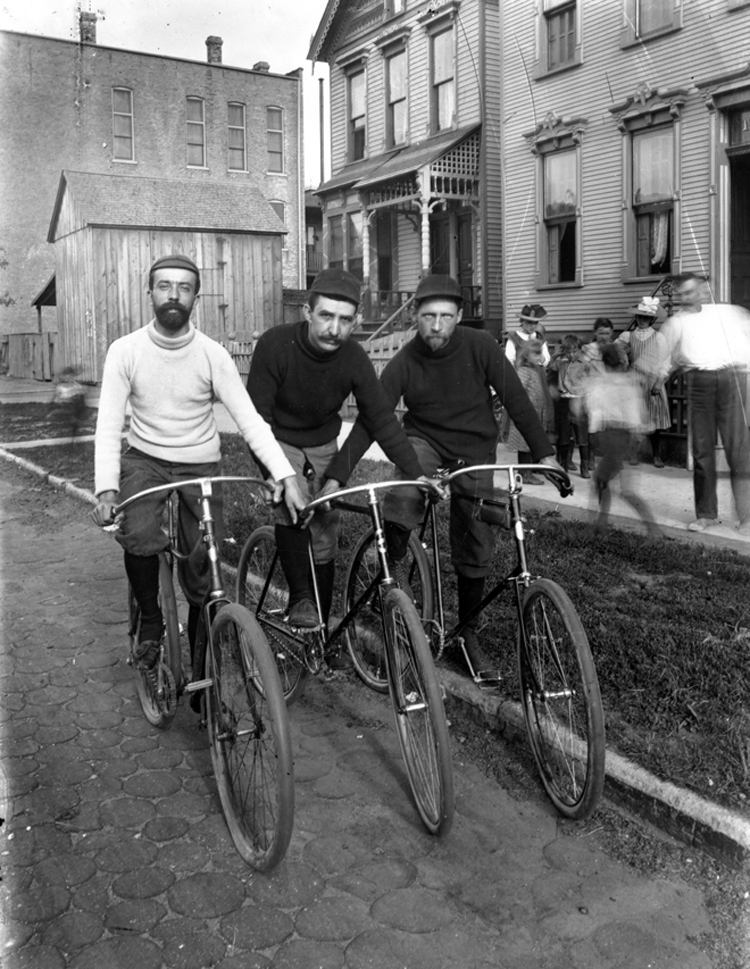
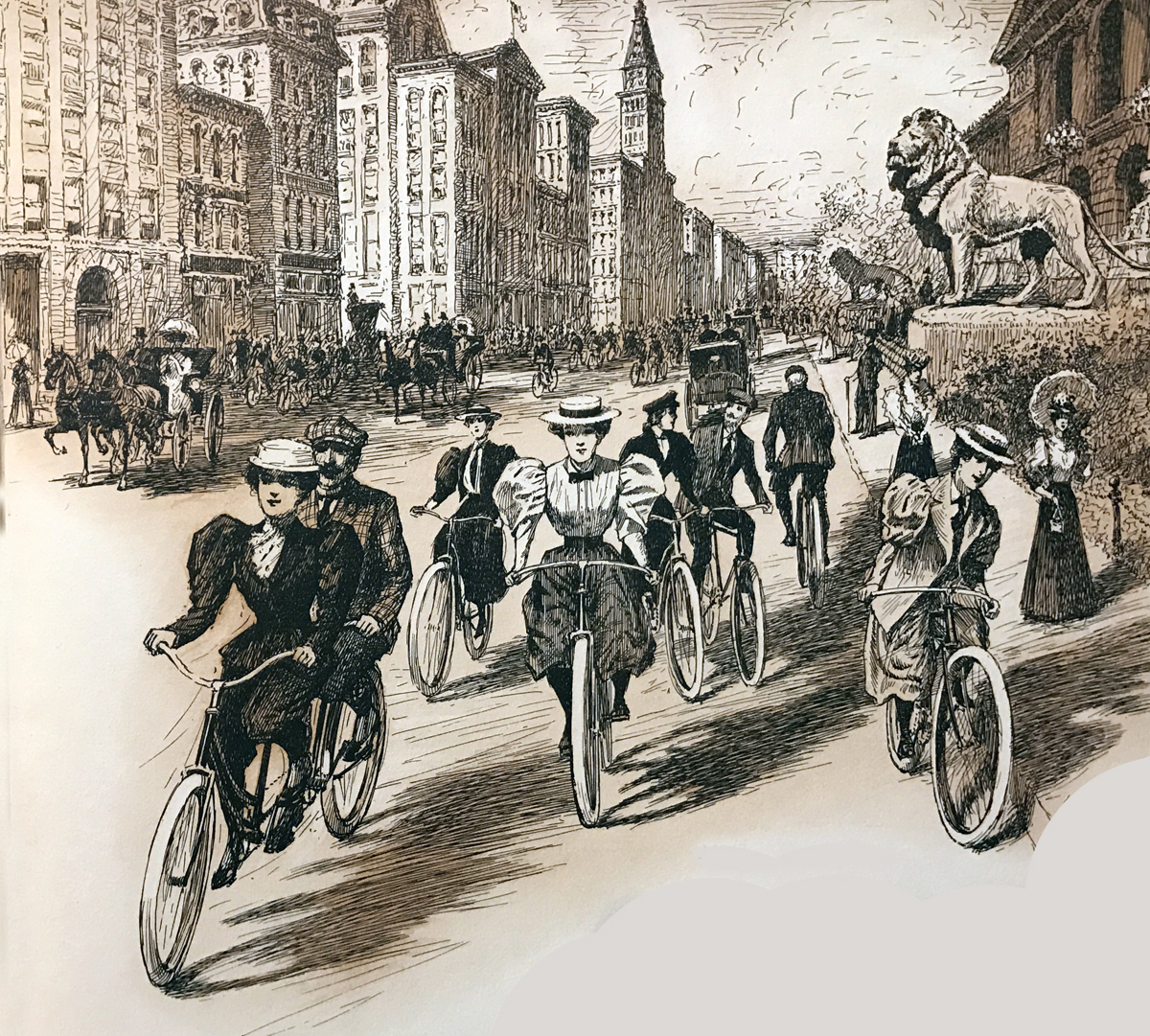
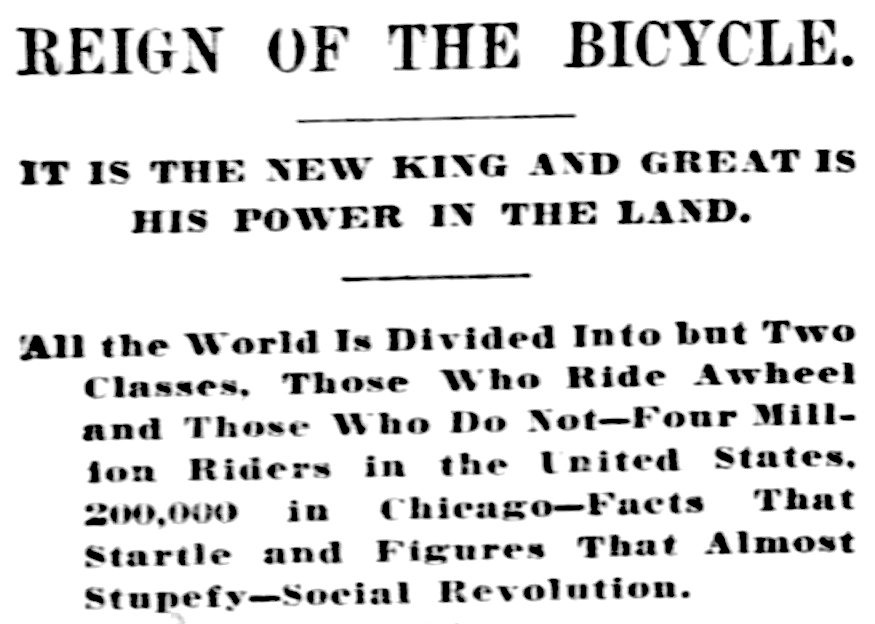 There is a new division of mankind. It is no longer the man who buys his winter coal at wholesale in the summer and the man who buys is by the load when the bin is empty. The boundary line between the tailor-made man and the ready-made man is obsolete. There are no longer carriage folk and street car people. The girl with and without the chaperon speak as they pass by.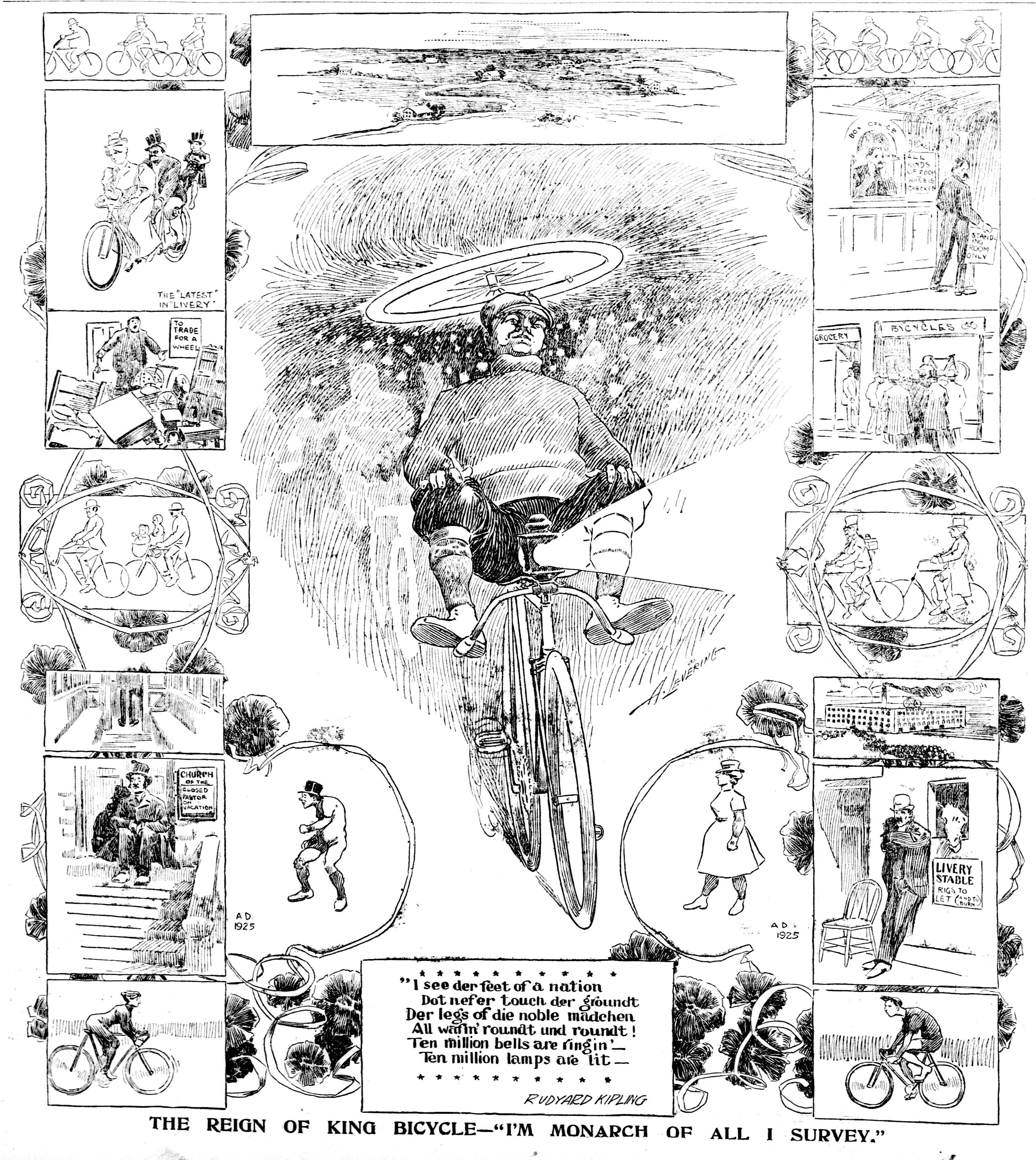
 Two hundred thousand wheels in use in Chicago!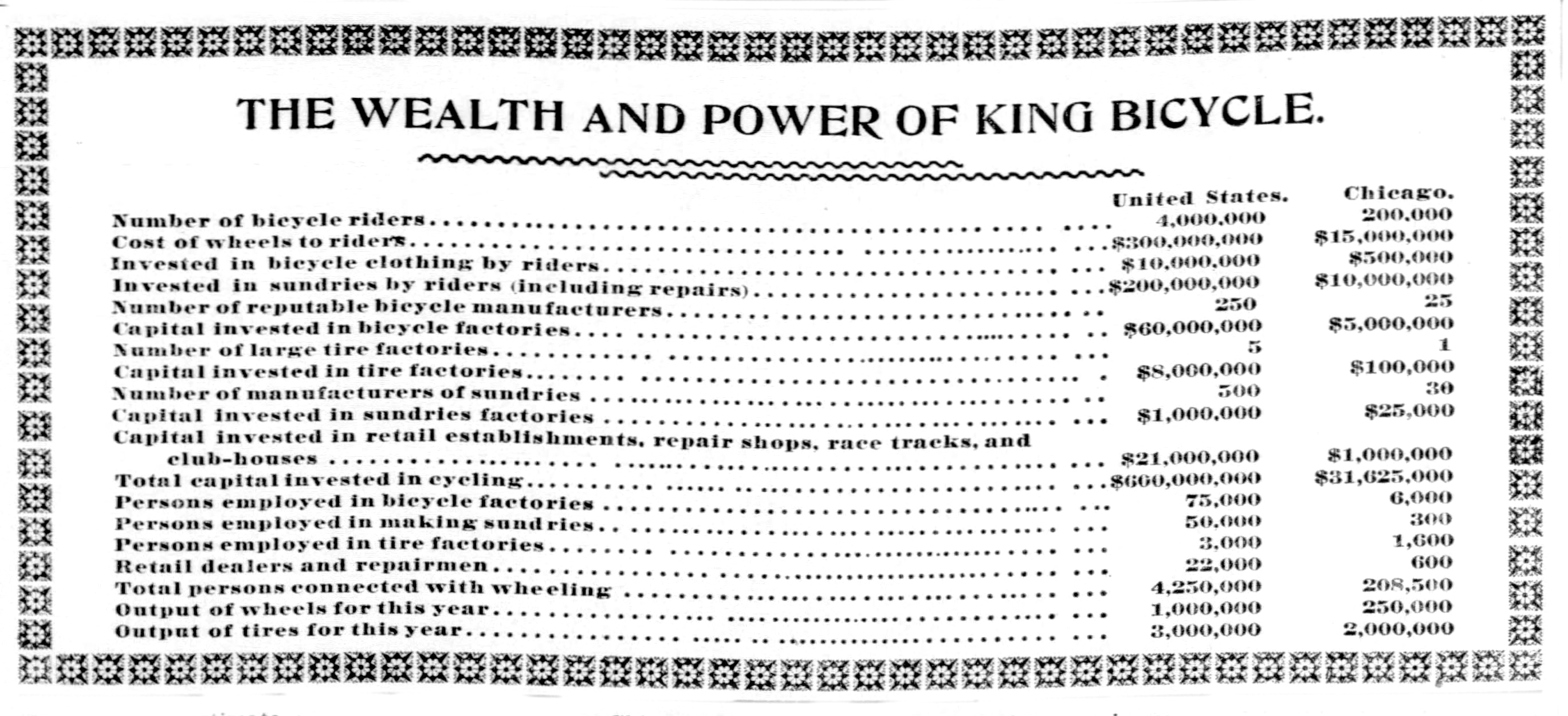
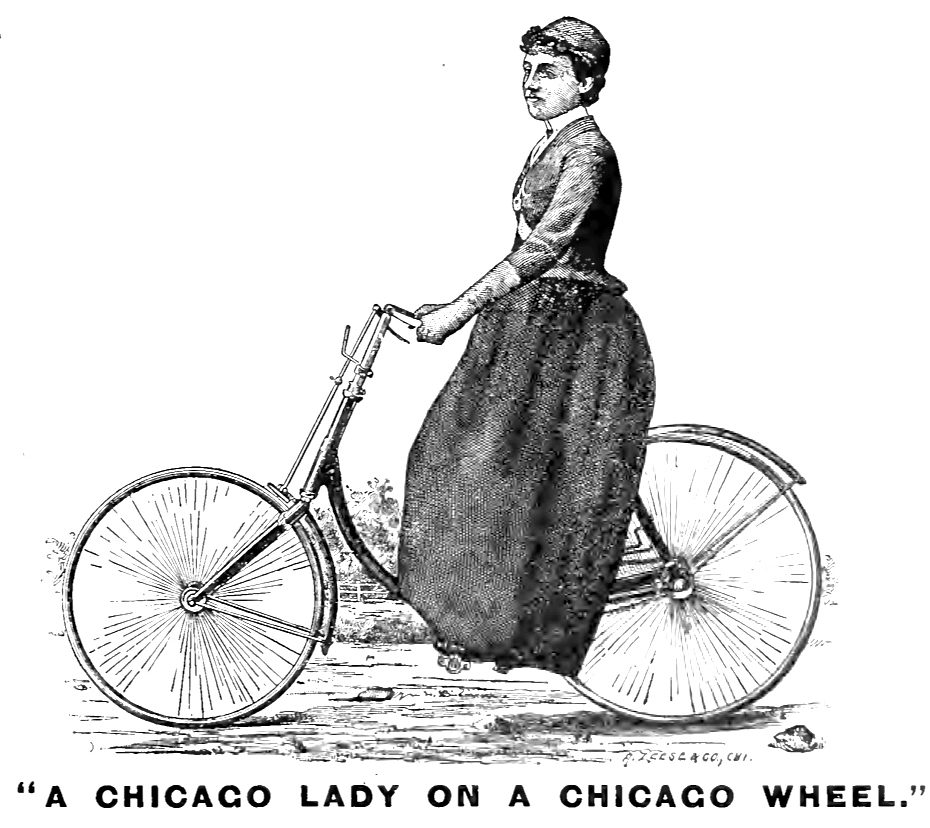
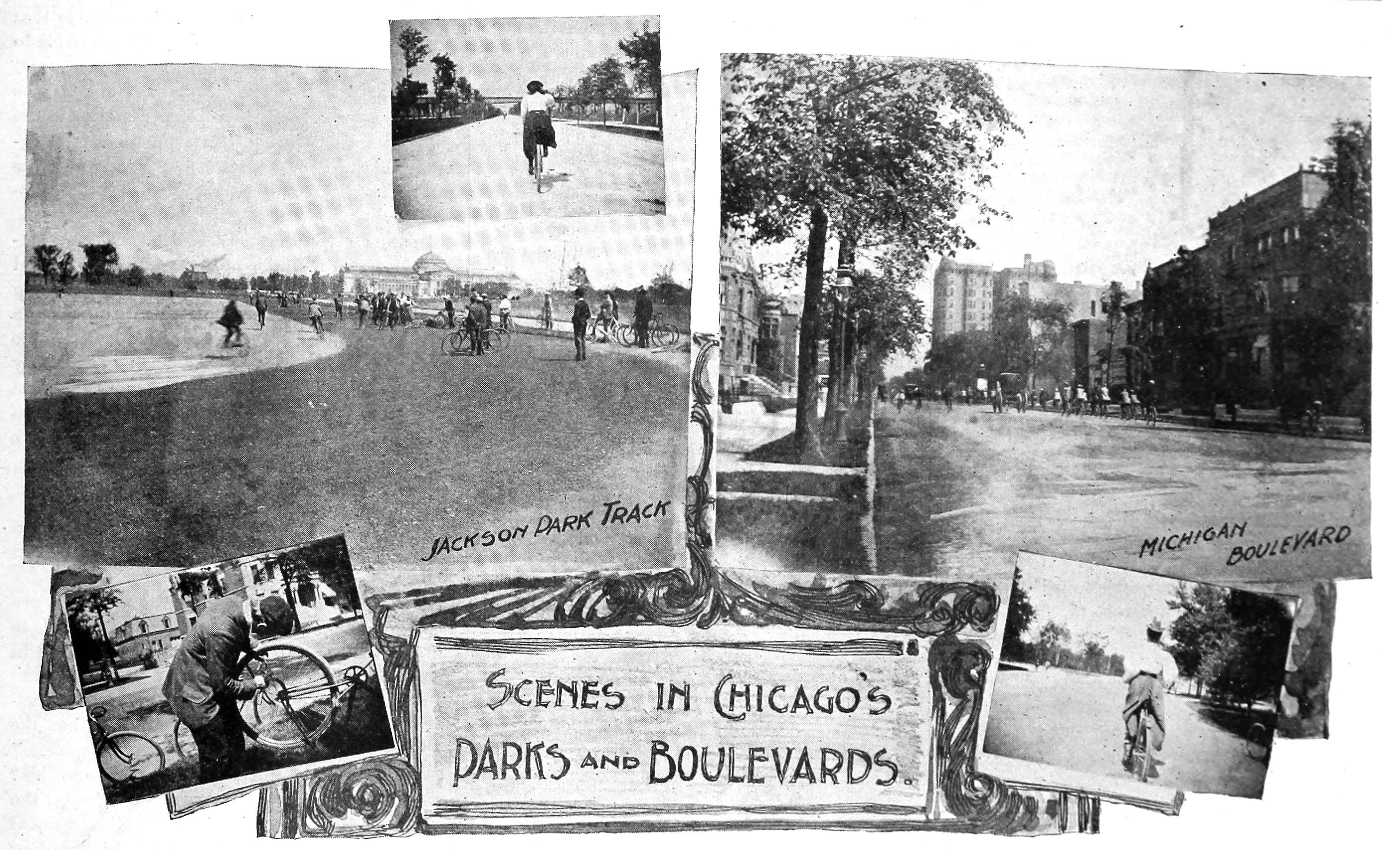
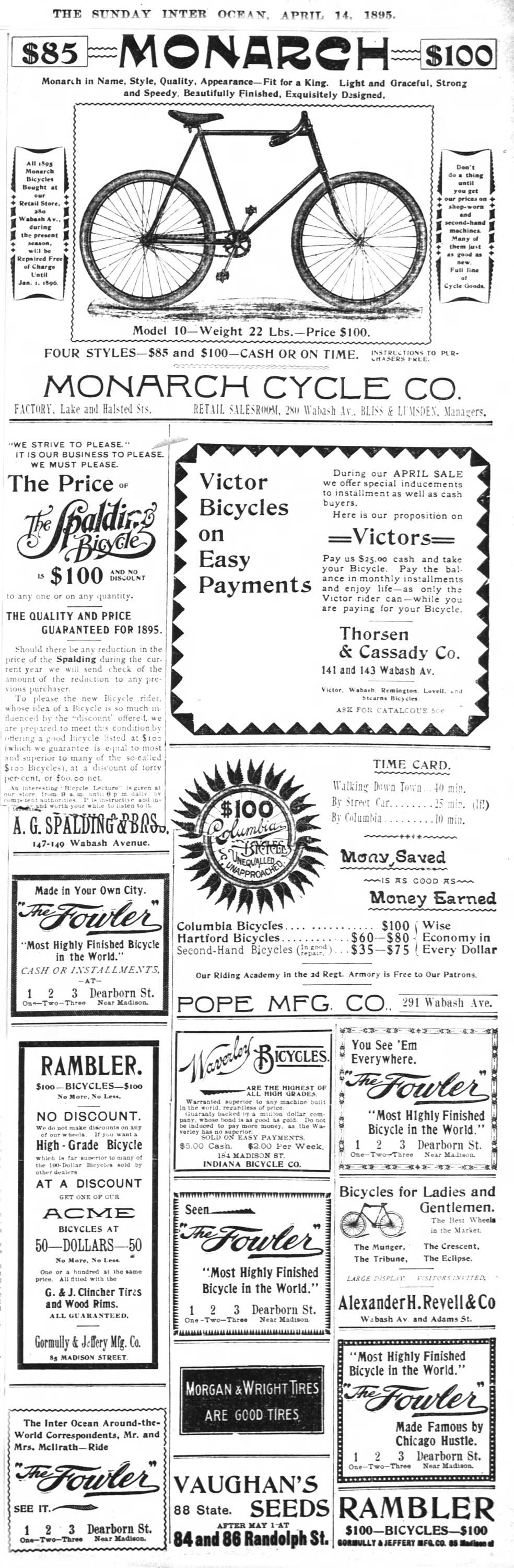
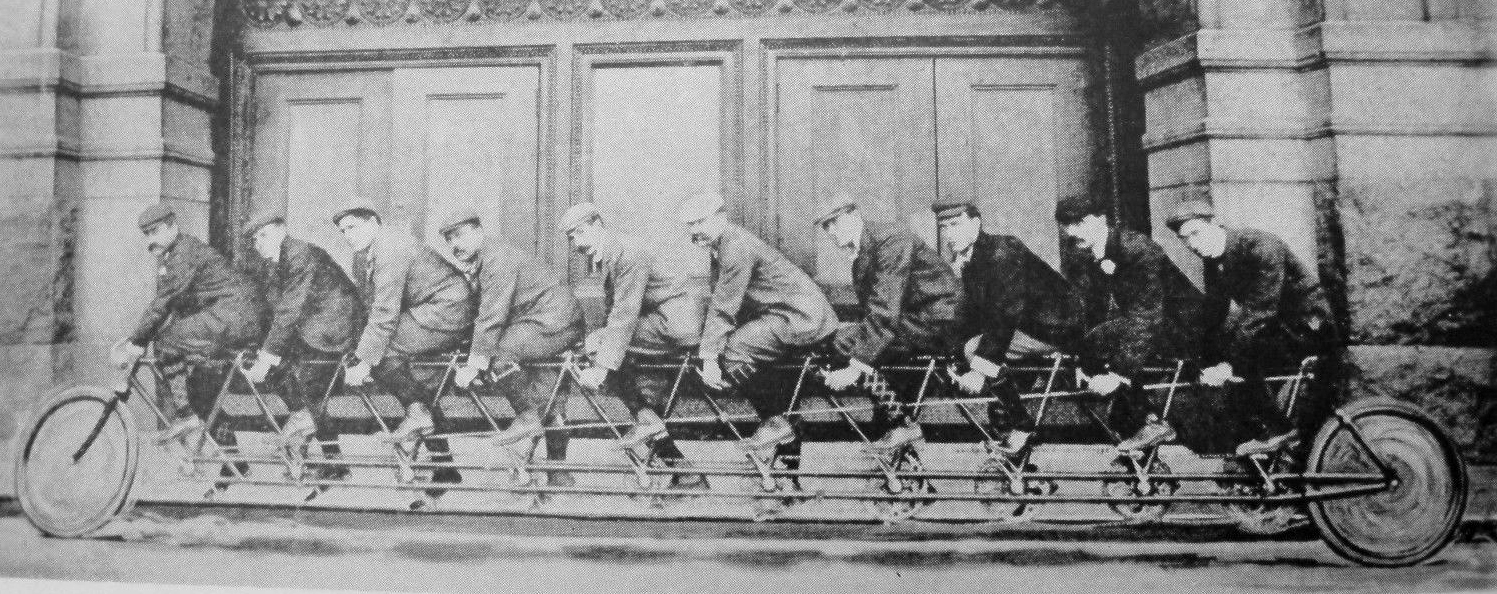
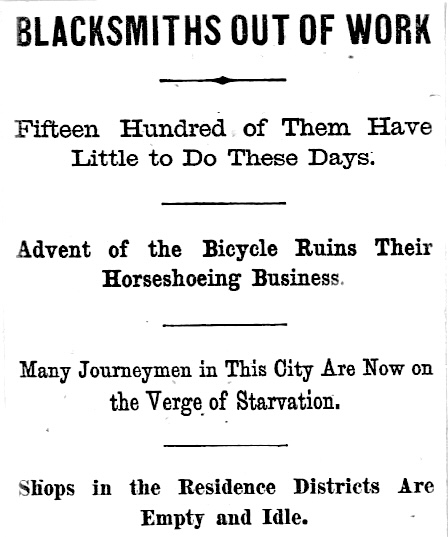 There are more than 1,500 idle blacksmiths and horseshoers in Chicago who attribute their lack of profitable work to the advent of the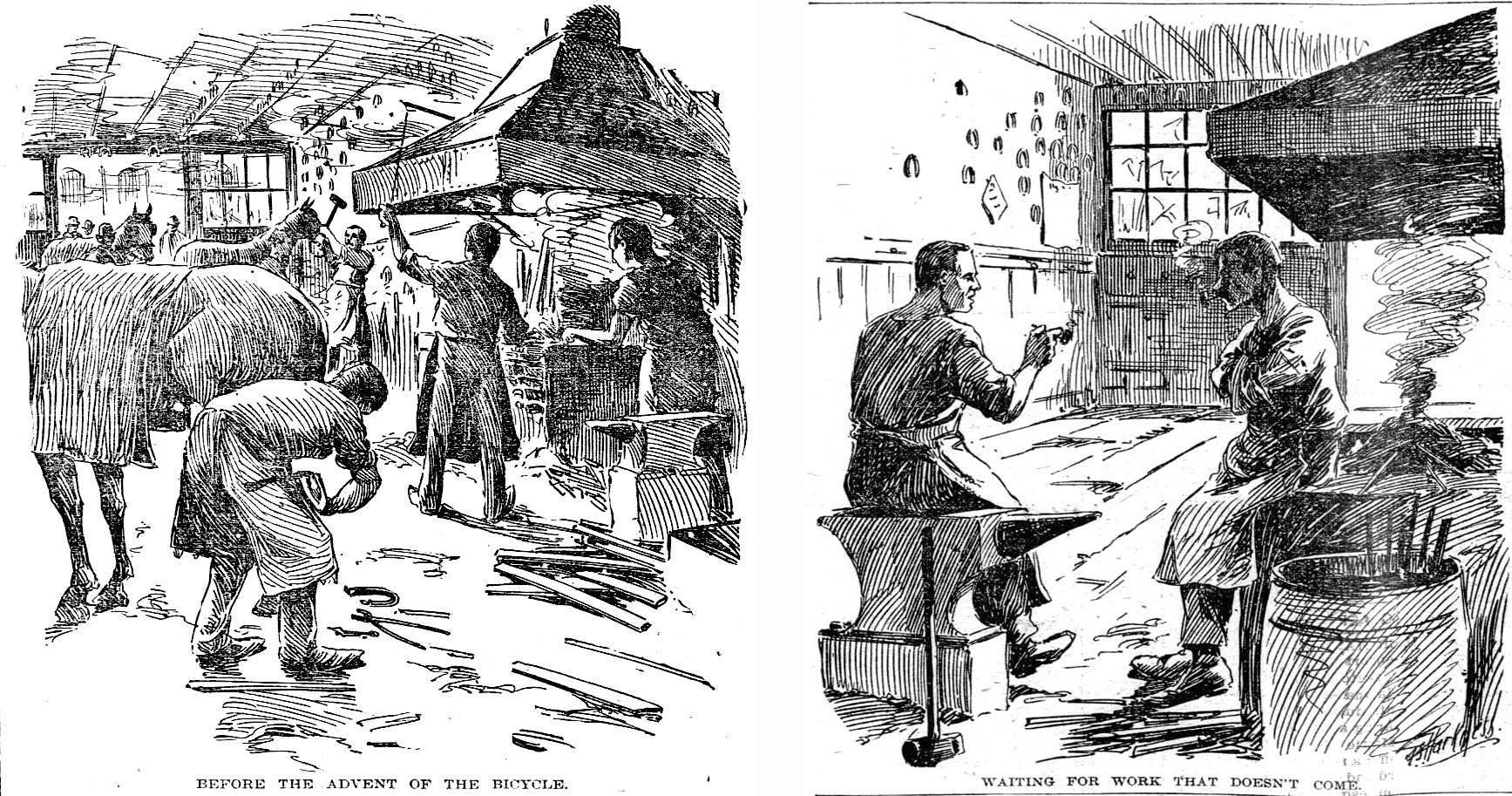
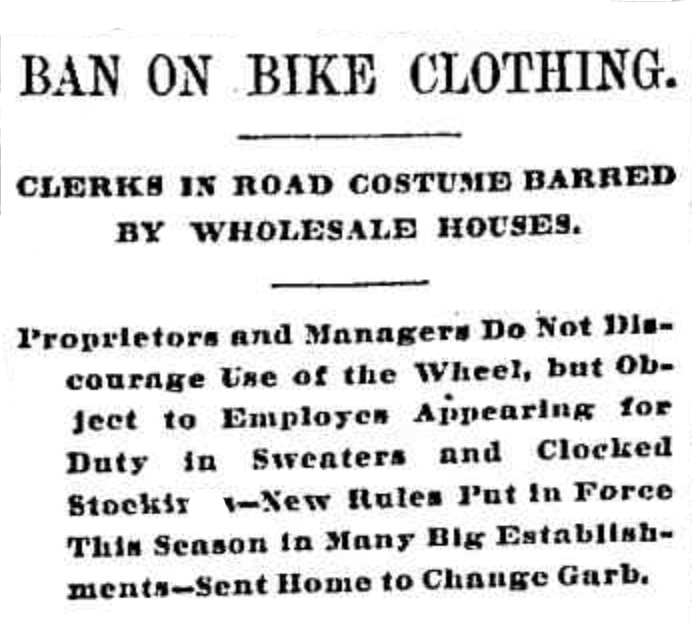
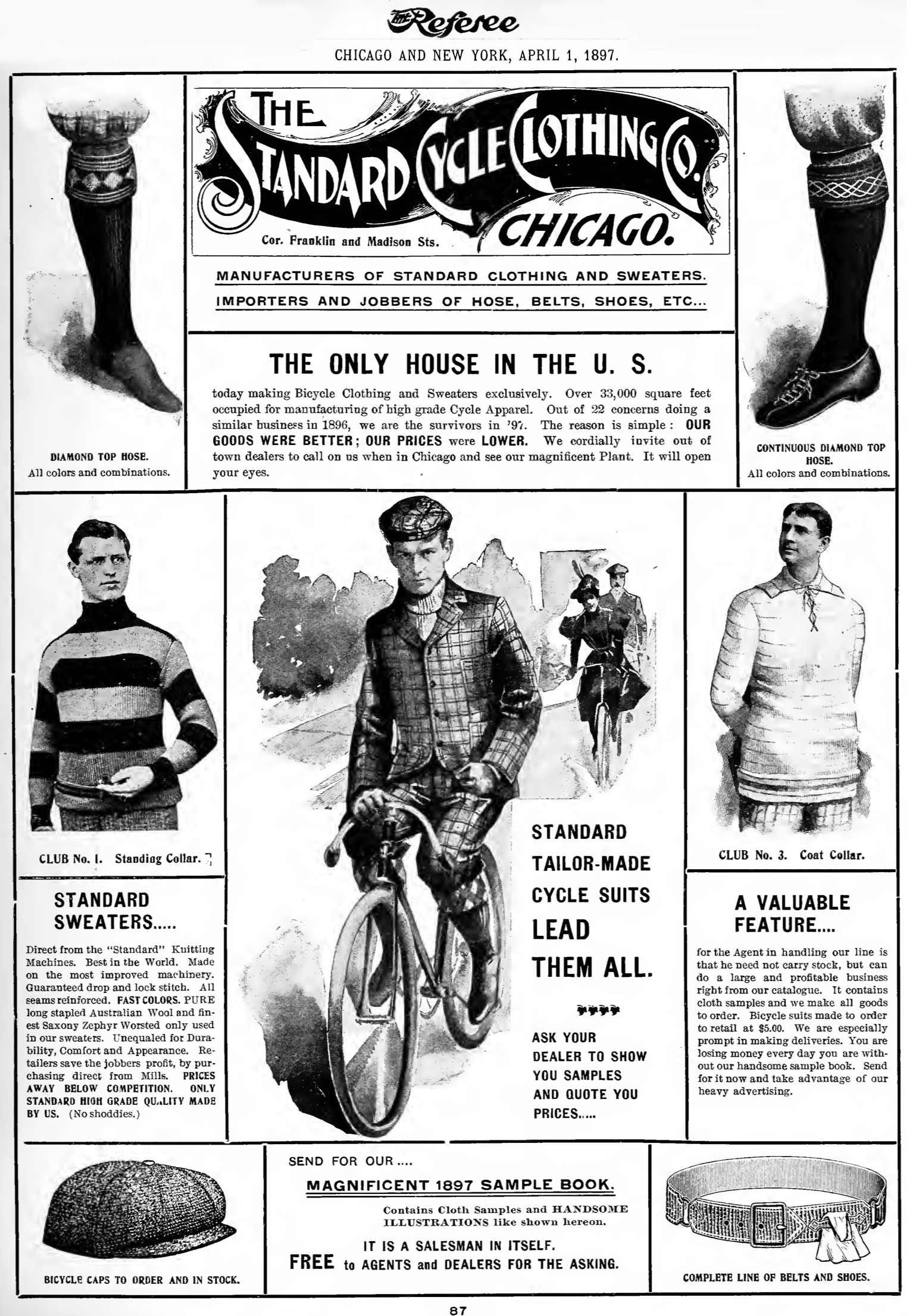
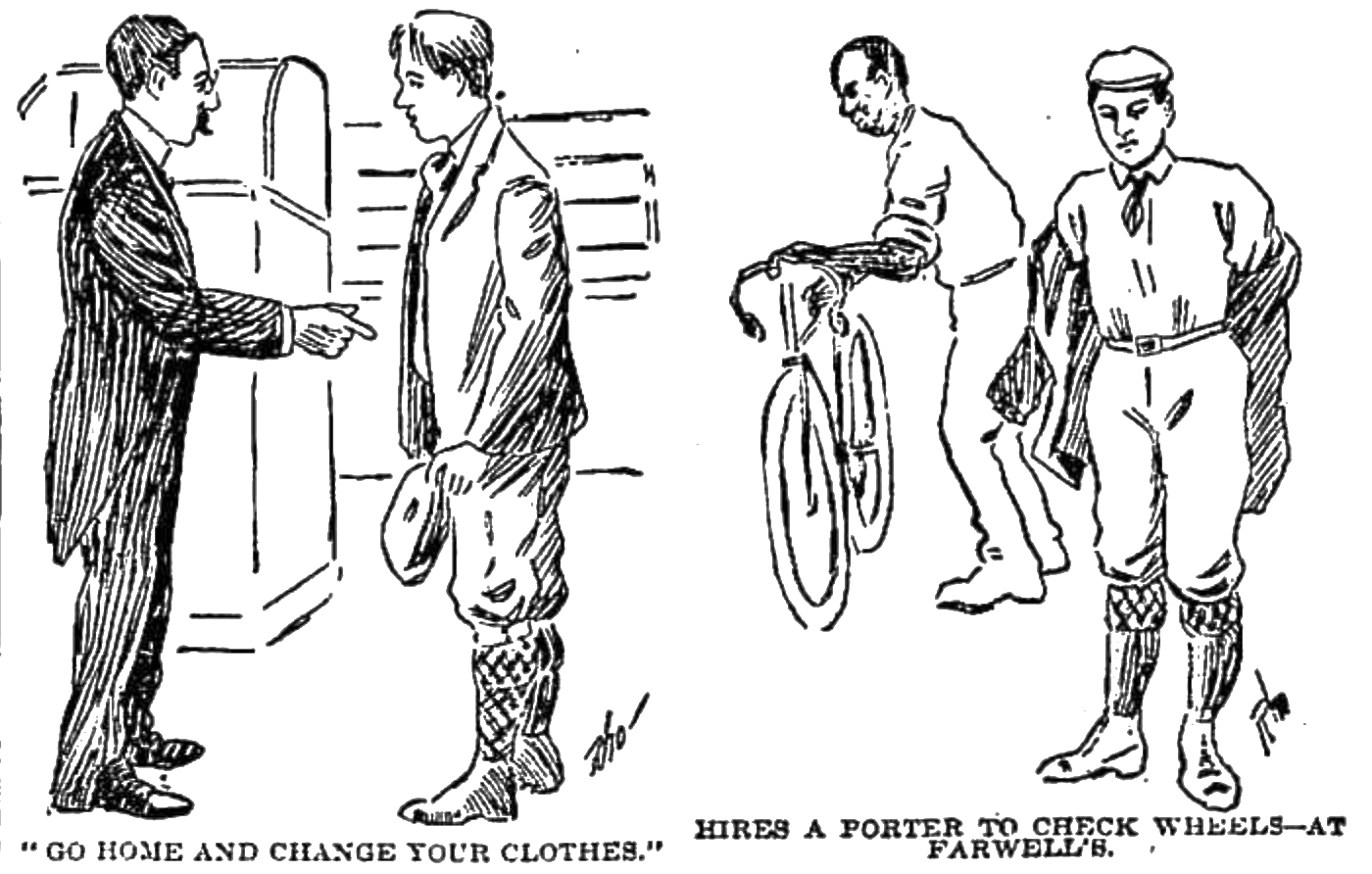
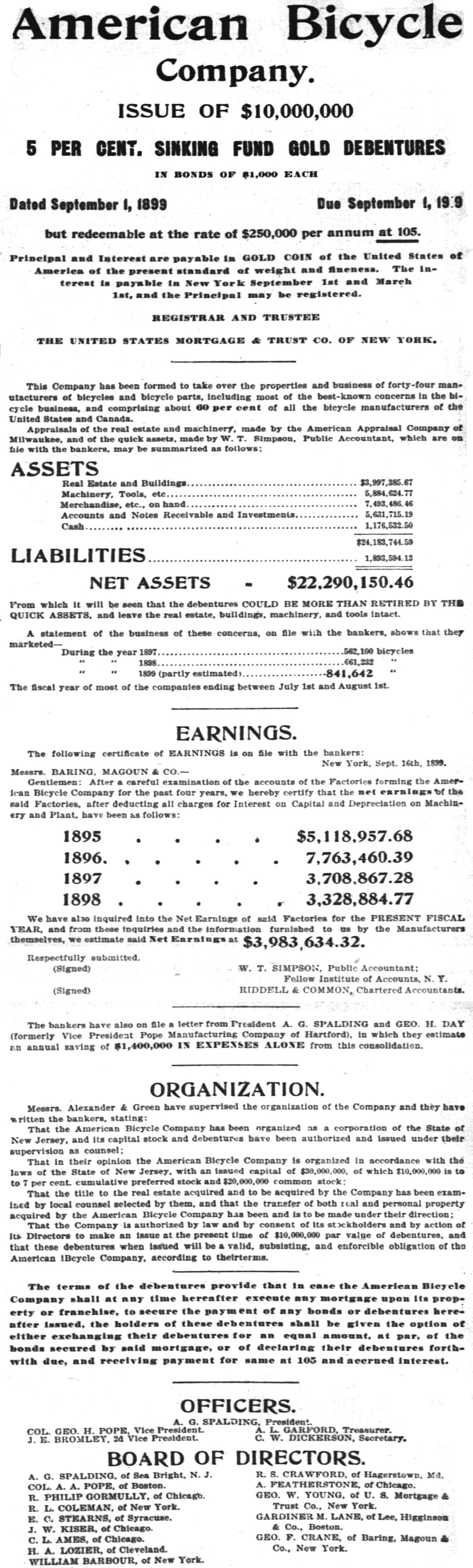
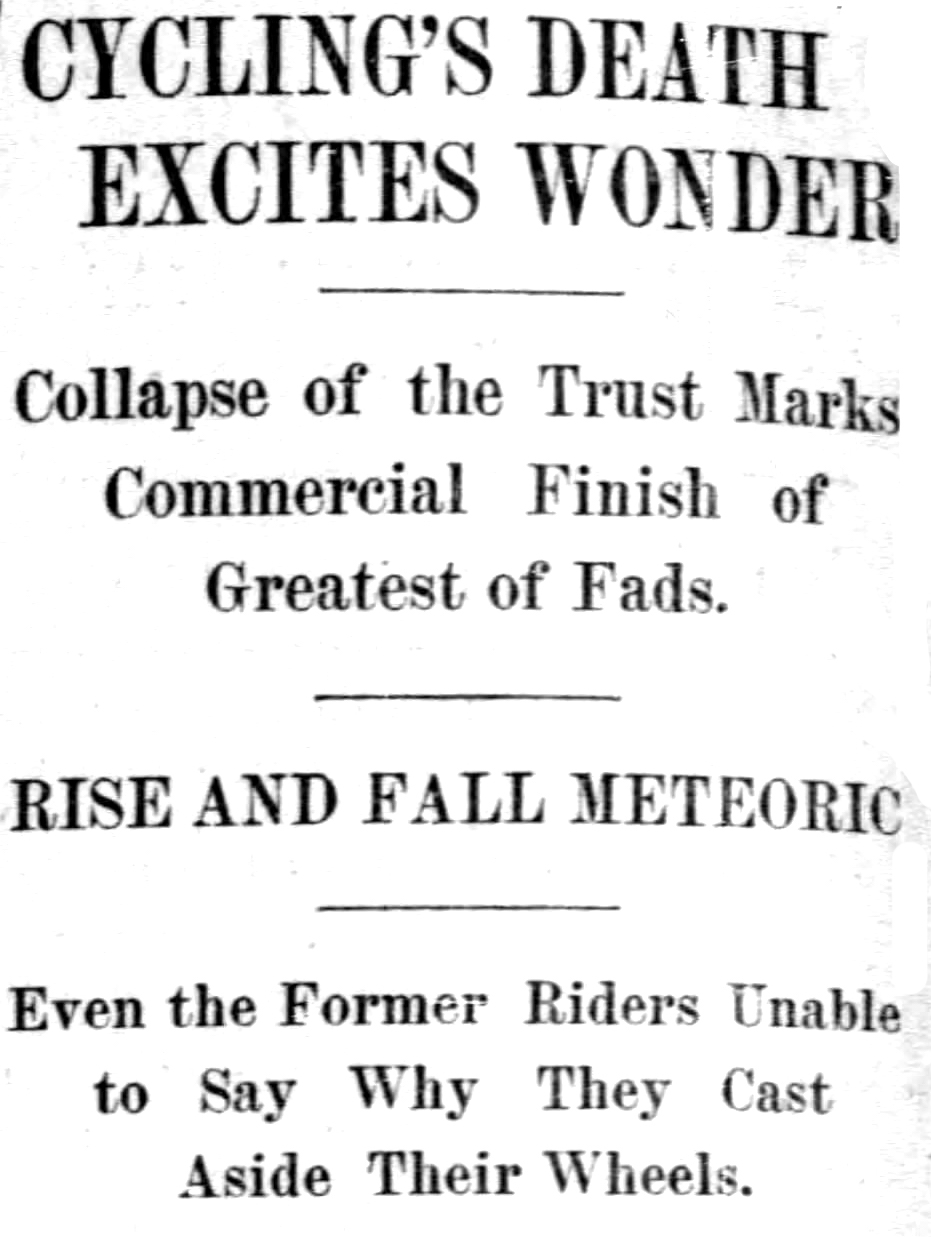 With the collapse of the American Bicycle company, which has asked for the appointment of a receiver in New York, the finale can be written of the most remarkable fad the country has ever known.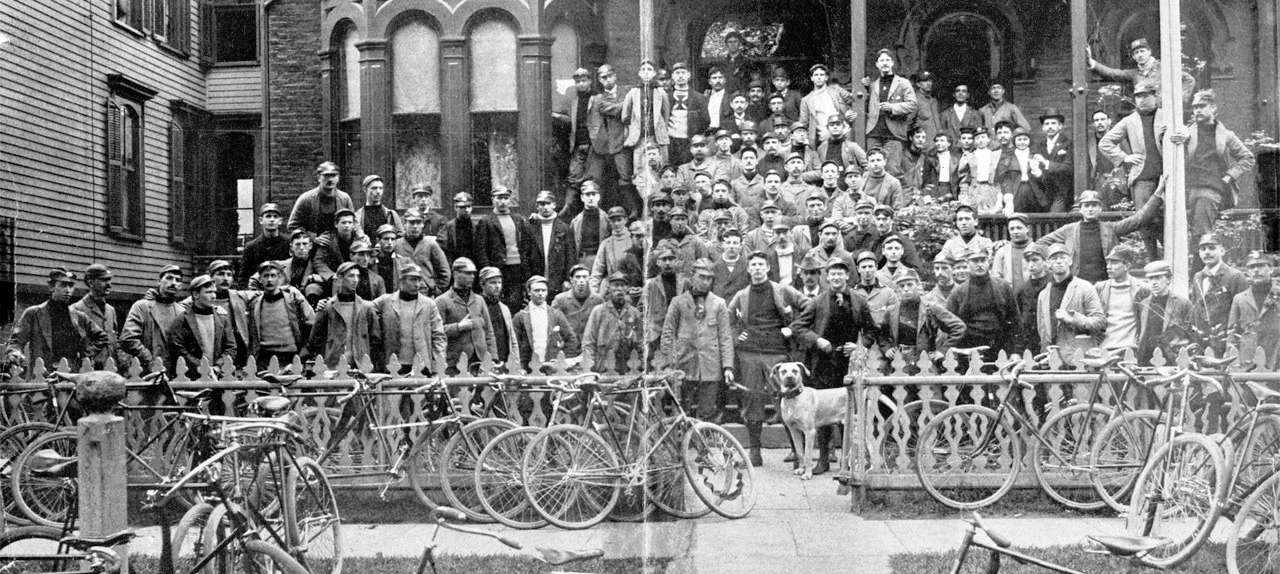
 The invulnerable law of cause and effect offers a logical though Indefinite explanation of the success of scores of business enterprises which, though money making ventures today, looked like hopeless wrecks a few years ago. This statement applies particularly to the automobile industry with its countless tributaries, There are perhaps more vi,ctims of circumstances in the automobile business today than in any other one line conspicuous by reason of its popularity with the general public, Whatever else may be said about the automobile, however much it may grate upon the sensibilities of the plodding pedestrian or offend the dignity of the adamant park policeman it must be given the credit for having come to the relief of a great number of stagnant and dying industries, infusing them with new life.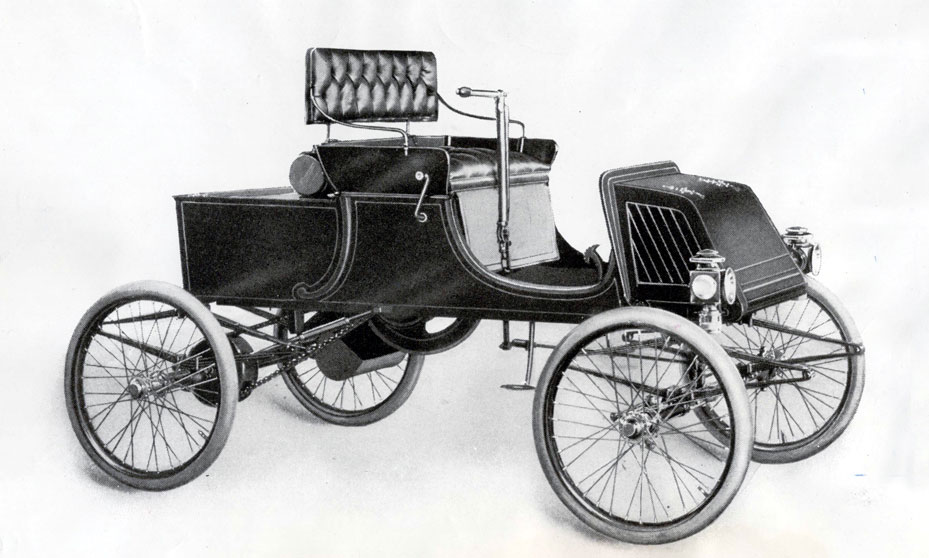
 Judging from the number of Christmas bicycles that have been sold for the past few years, one might imagine that our climate is changing, and what once was regarded solely as a summer sport, has, unaccountably, wandered into other portions of the calendar.