Title: Rand McNally, & Co.’s Bird’s-Eye Views and Guide to Chicago
Published: 1893
Chicago’s Rand McNally, & Co. published a wonderful guide book for tourists that was the predecessor to the popular Frommer’s and Follett’s guides of today. With elegantly drawn illustrations of the entire Loop area as well as detailed descriptions of attractions, hotels and restaurants, this was an indispensable book.
Chicagology has taken a few of these illustrations and matched each with an aerial shot of current Chicago using Apple Maps’ flyover rendering. In most cases, the differences are striking, while a few others, very similar.
Looking west from Michigan Blvd (Ave)
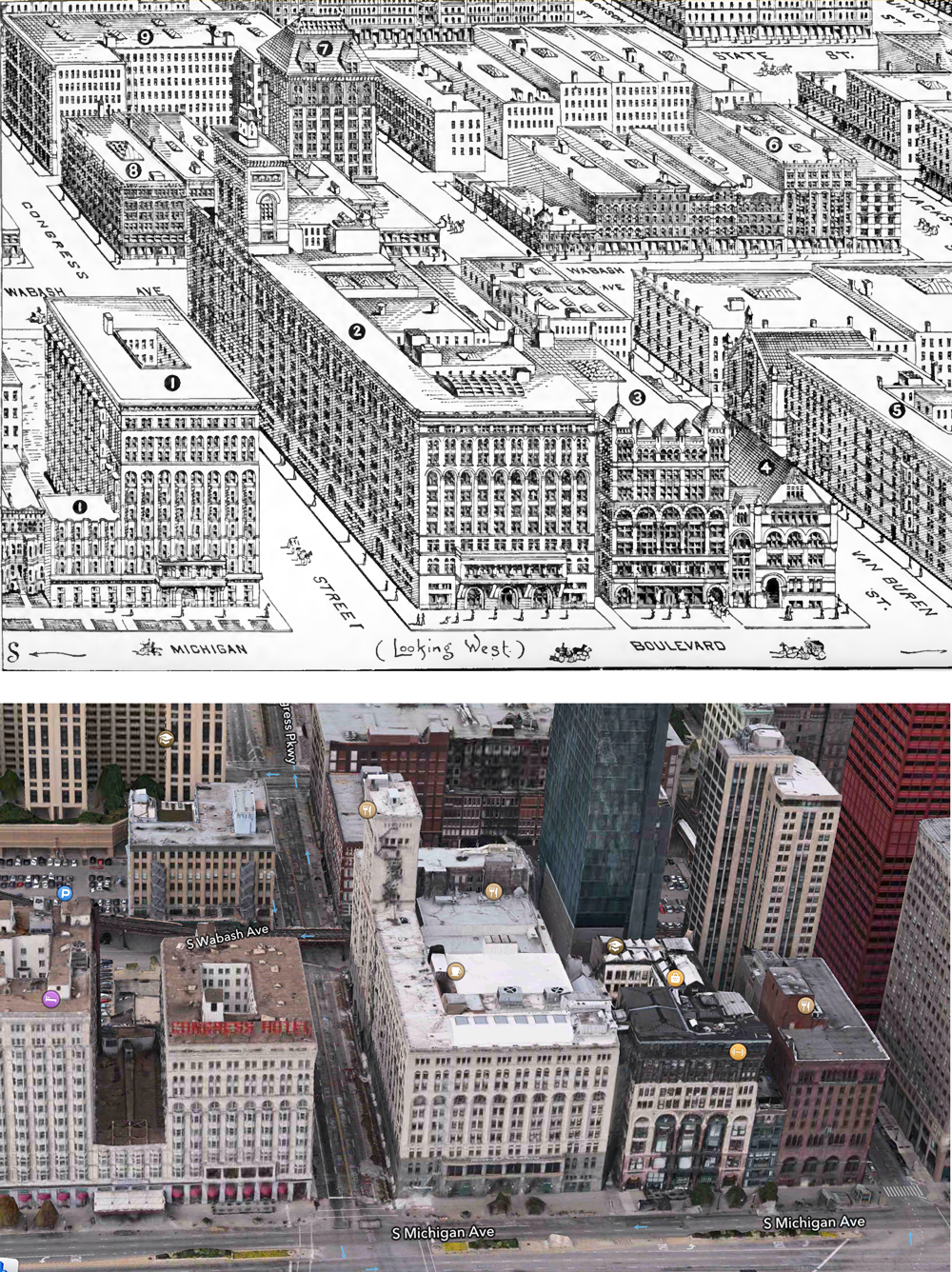
Keys to the Drawing:
① Auditorium Extension, ② Auditorium, ③ Studebaker Building, ④ Chicago Club Building, ⑤ Victoria Hotel, ⑥ Kimball Hall, ⑦ Isabella Building, ⑧ Richardson Building, ⑨ Siegel, Cooper & Co.’s Building
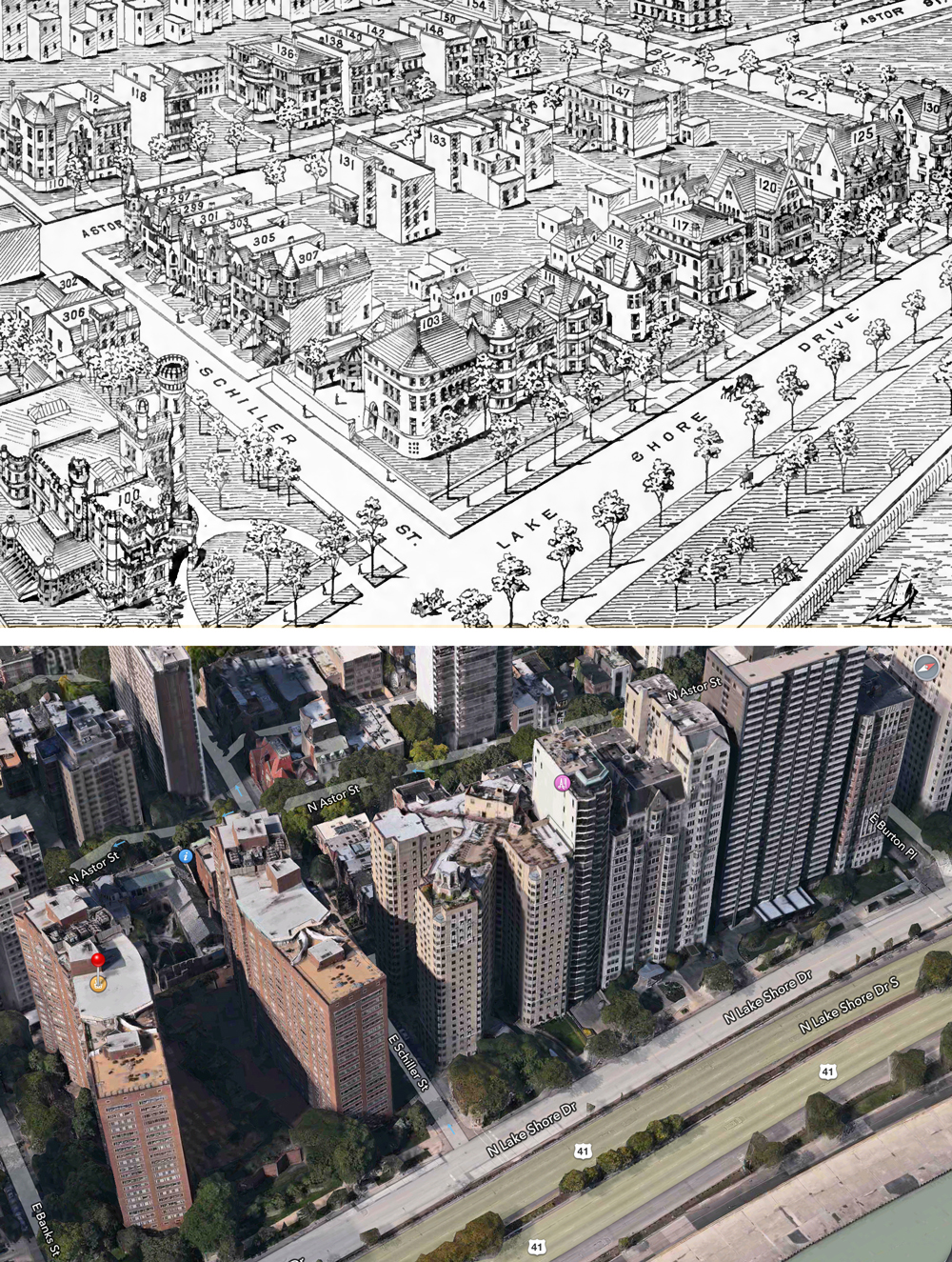
1400 N block of Lake Shore Drive
This is the 1400 N block of Lake Shore Drive, surrounded by Astor on the west, Schiller on the south and Burton Place on the north. On the left side is Potter Palmer’s mansion, which remained till about 1954 when it was replaced by the dual towers of 1350/1360 N Lake Shore Drive.
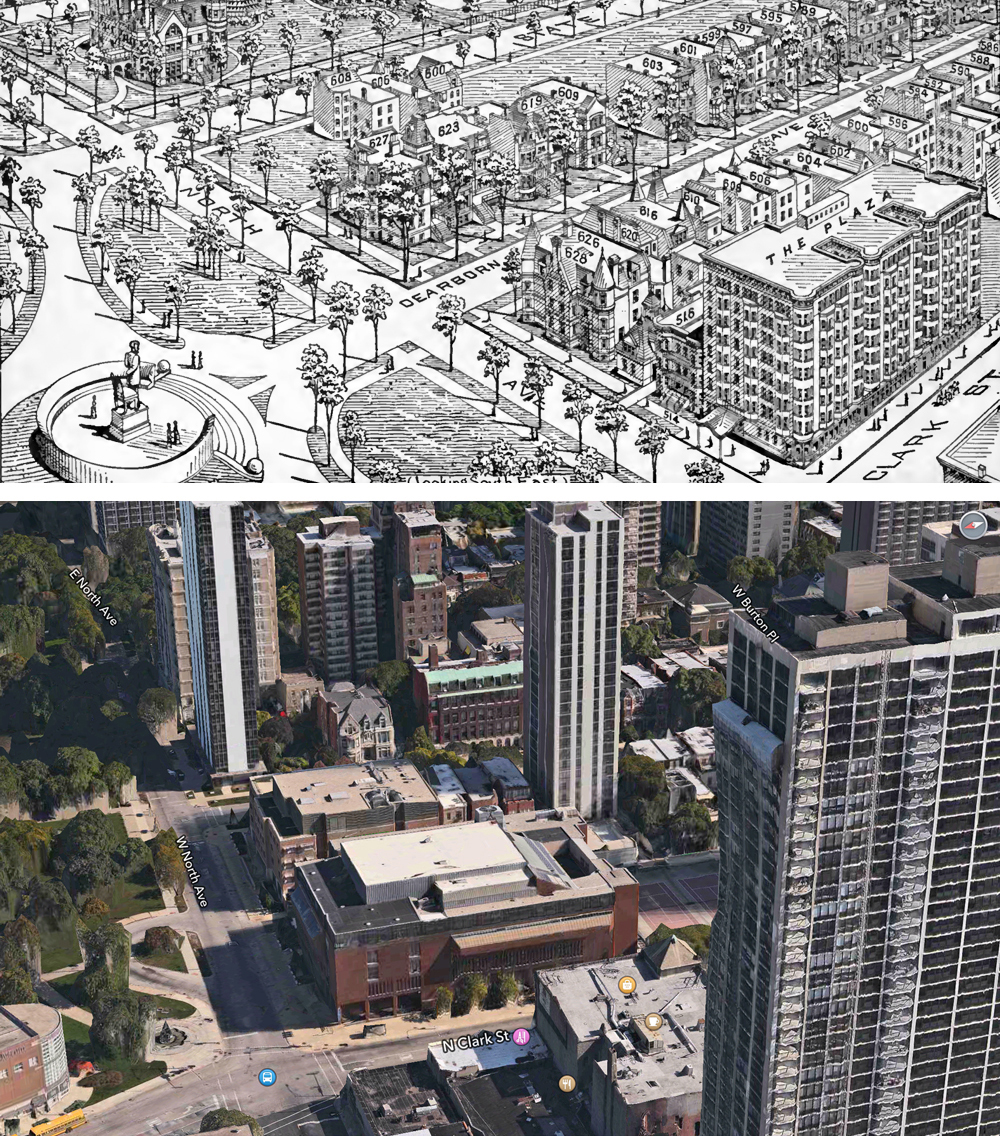
North Avenue, Dearborn Street, Clark Street and Banks Street
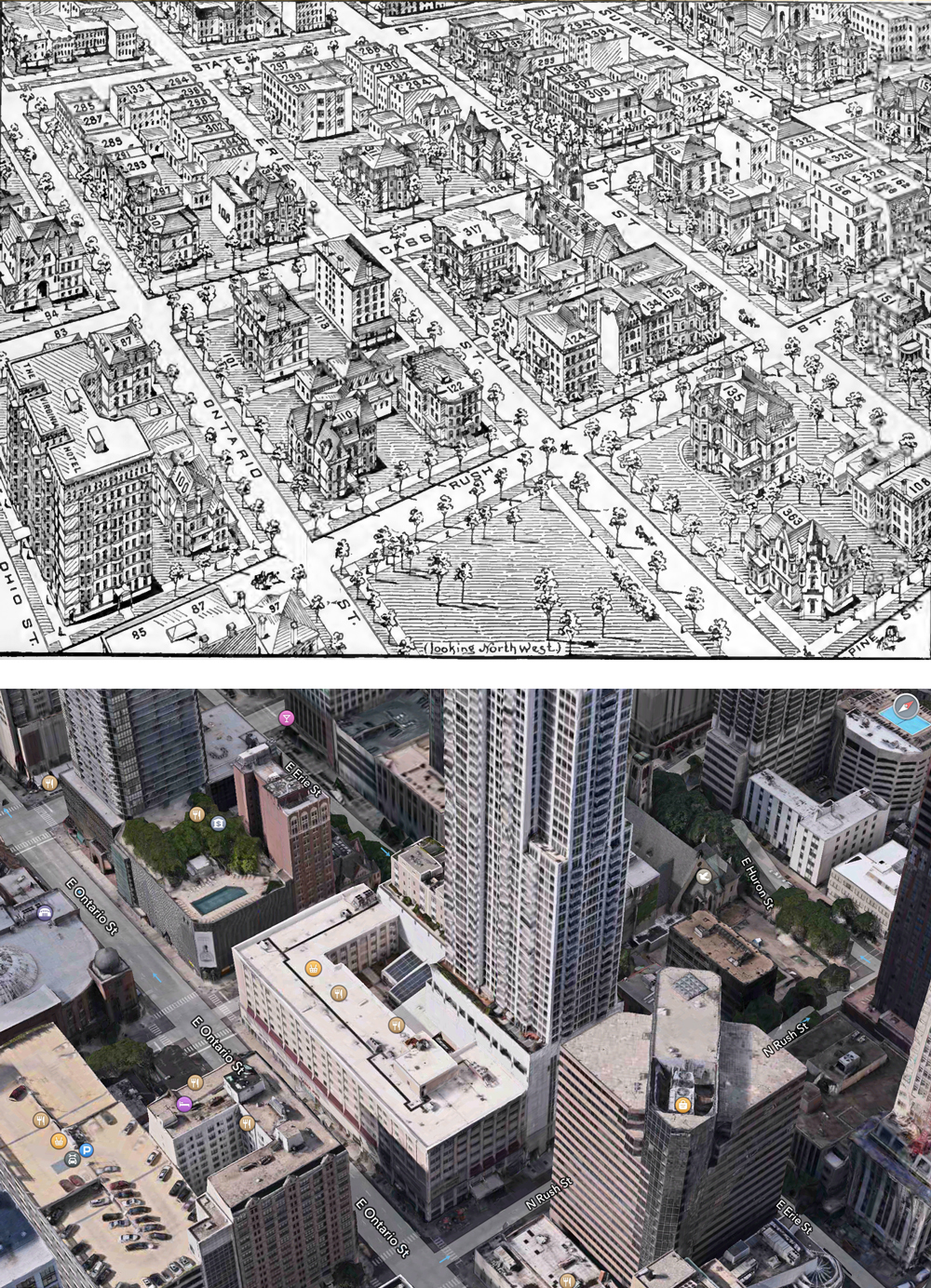
The Heart of River North.
Vicinity of the Board of Trade
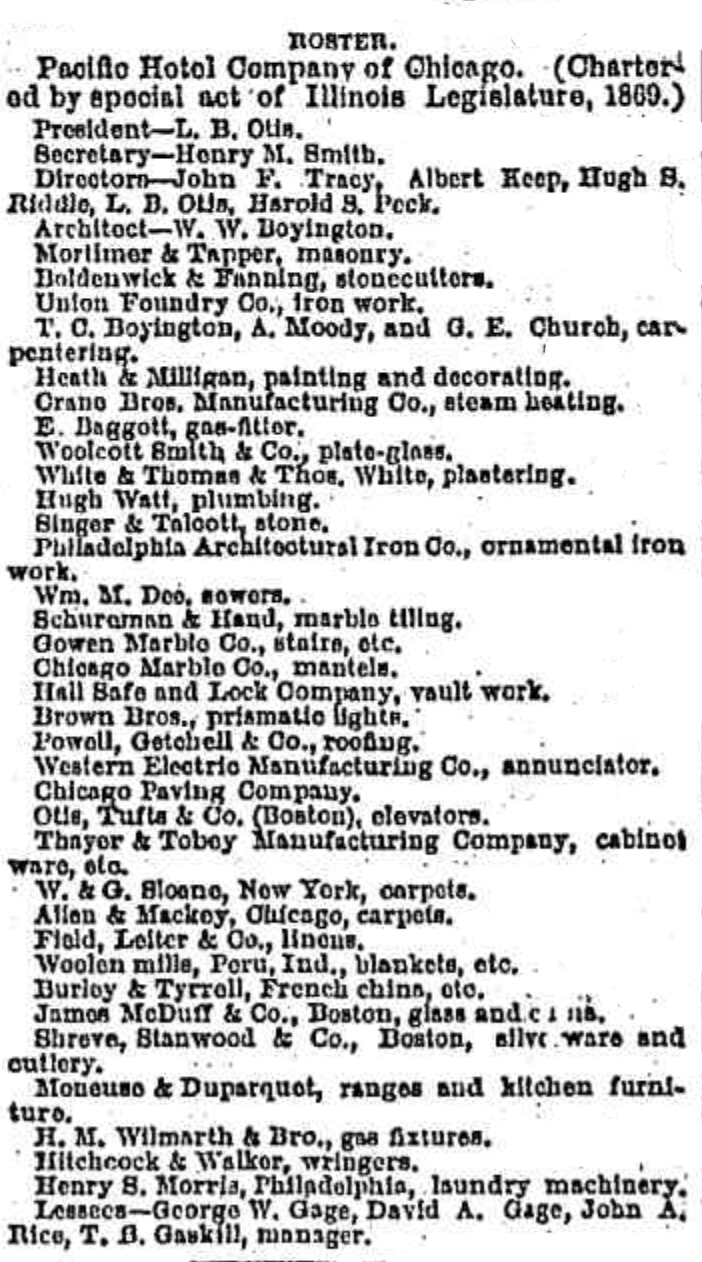
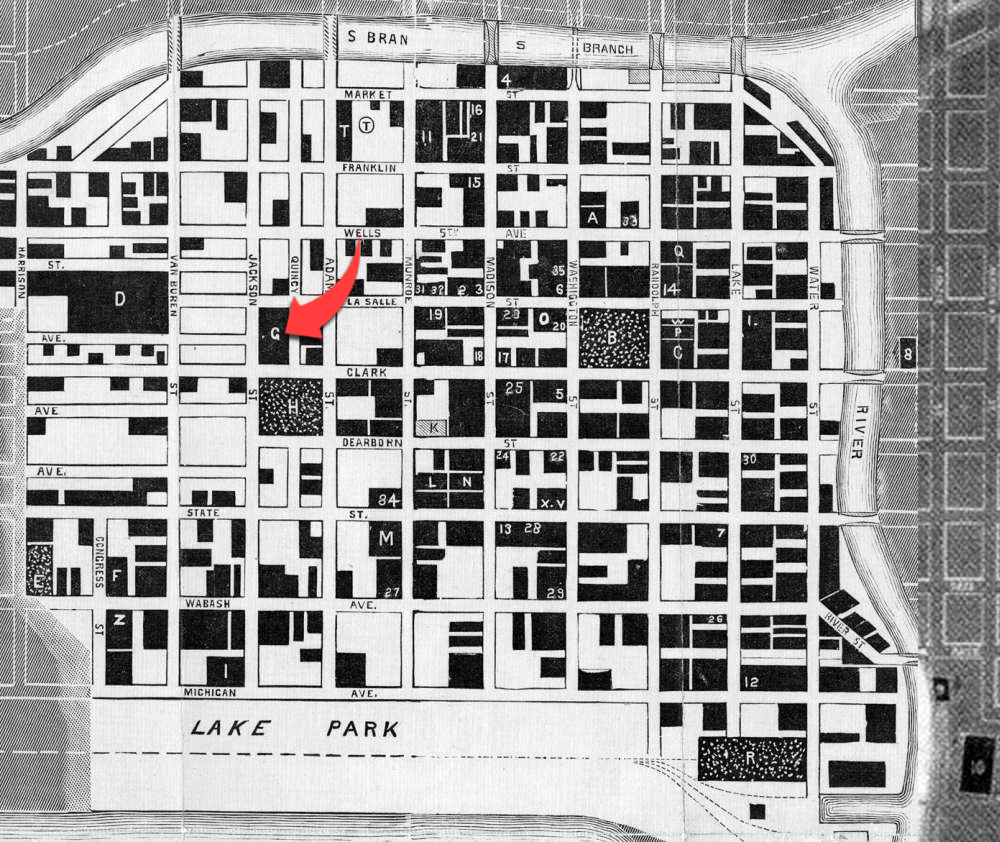
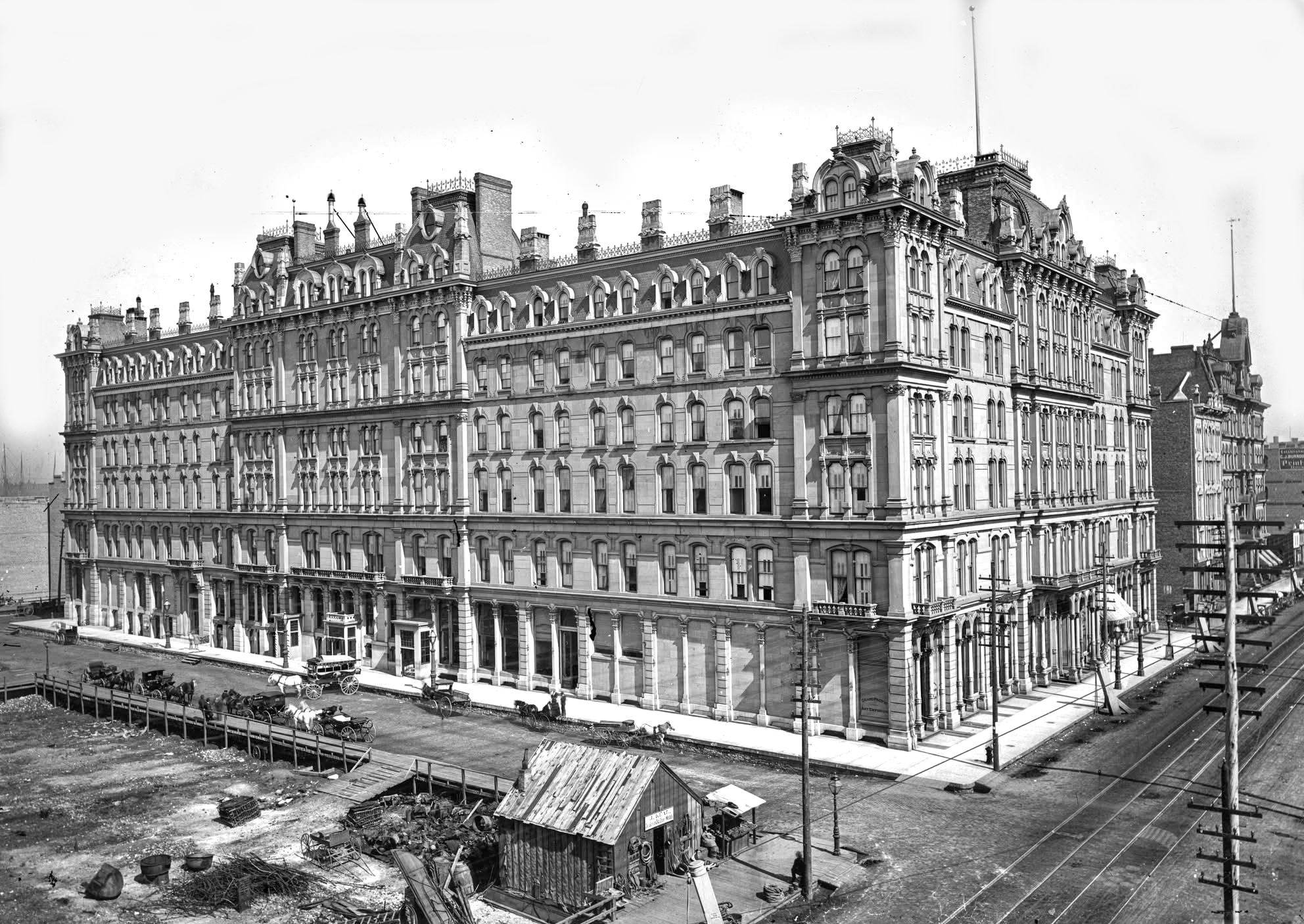
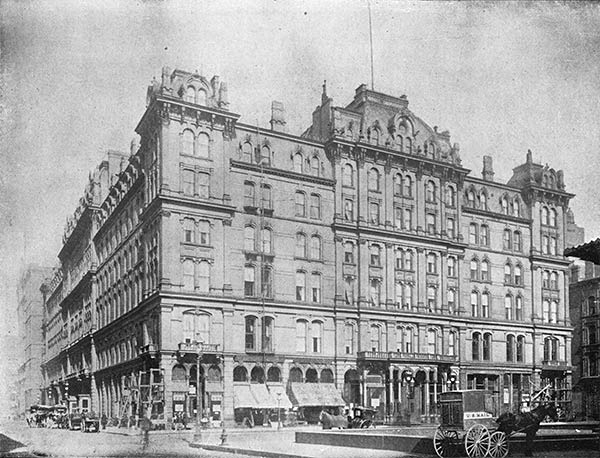
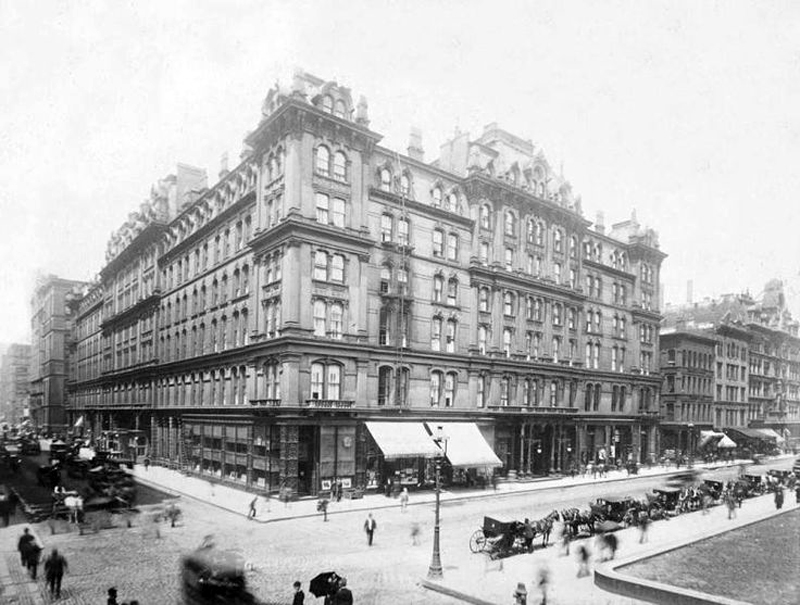
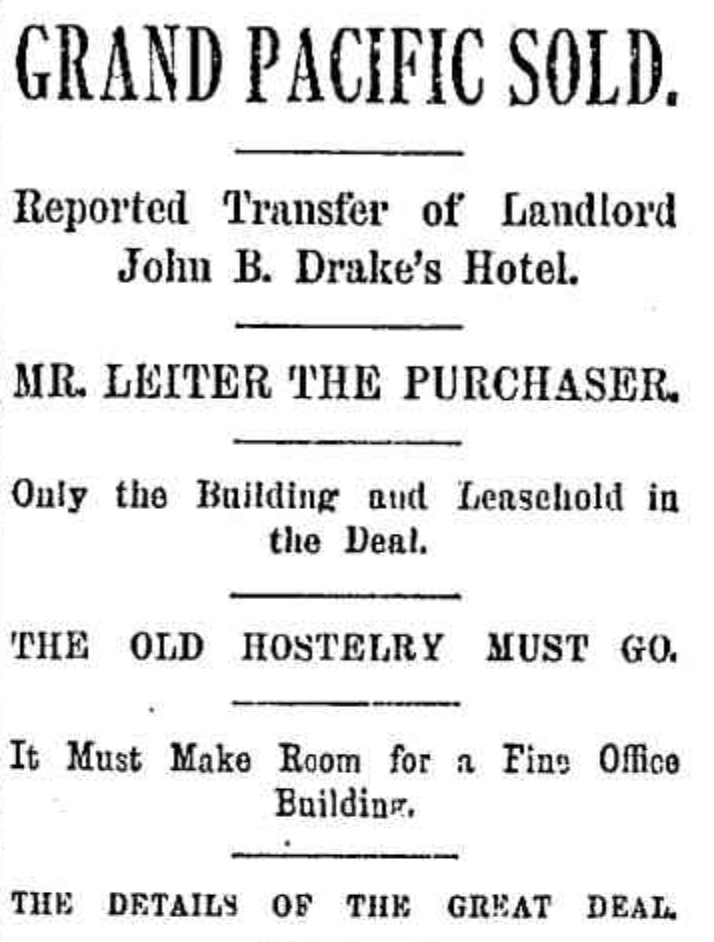
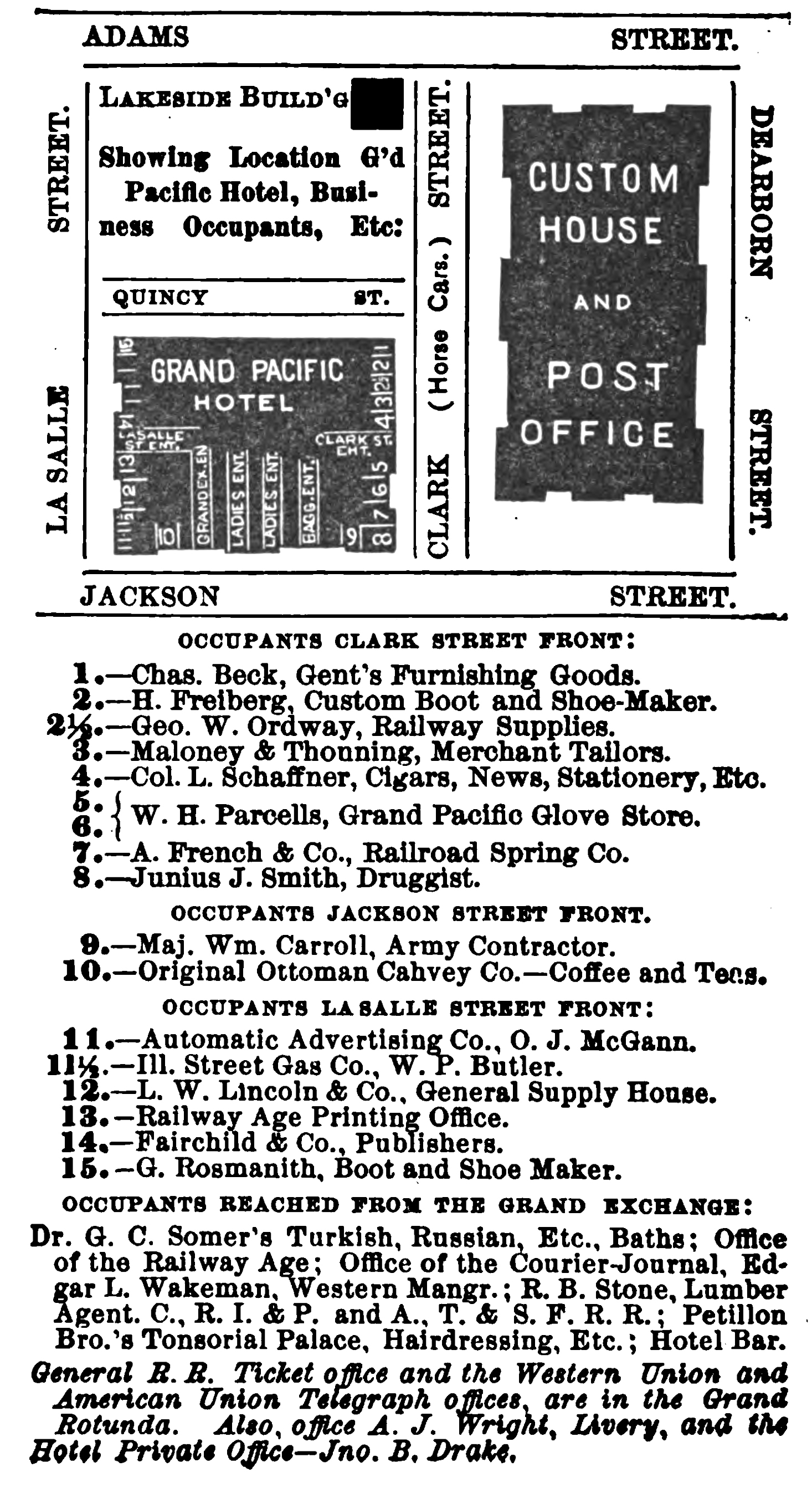
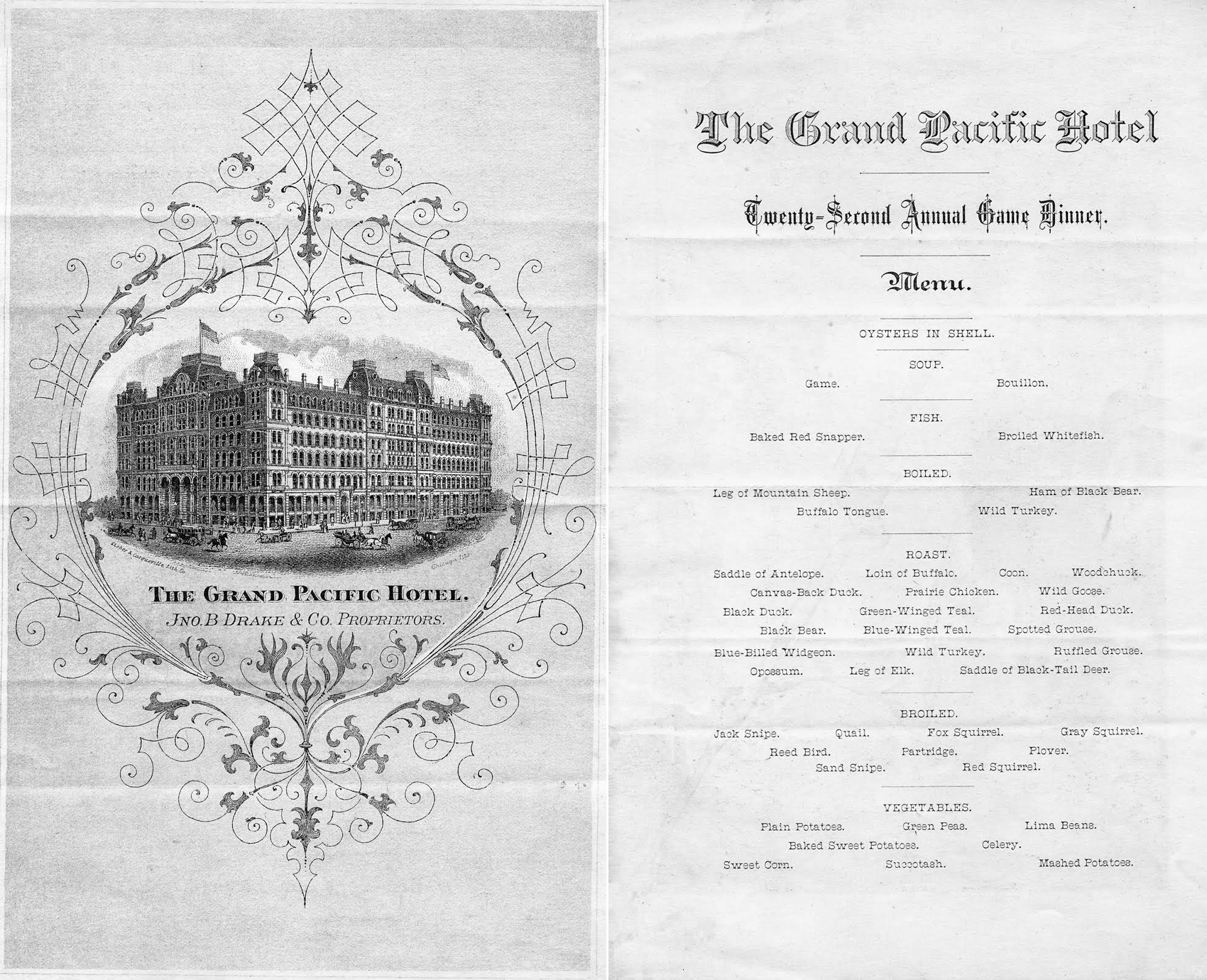
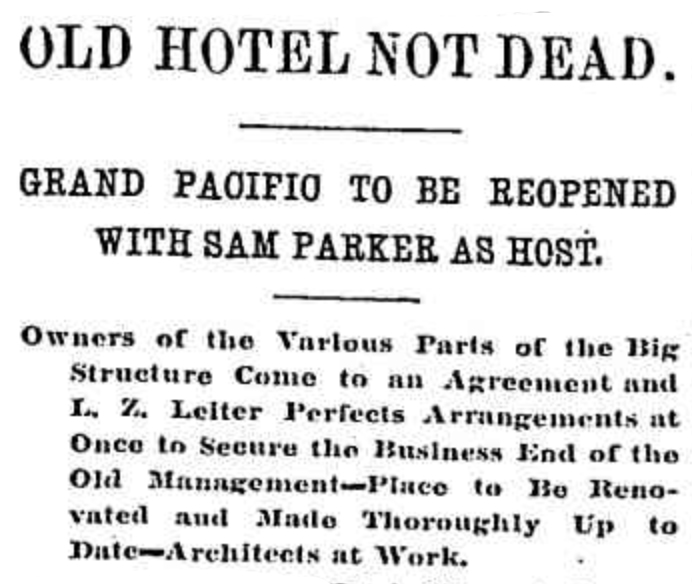
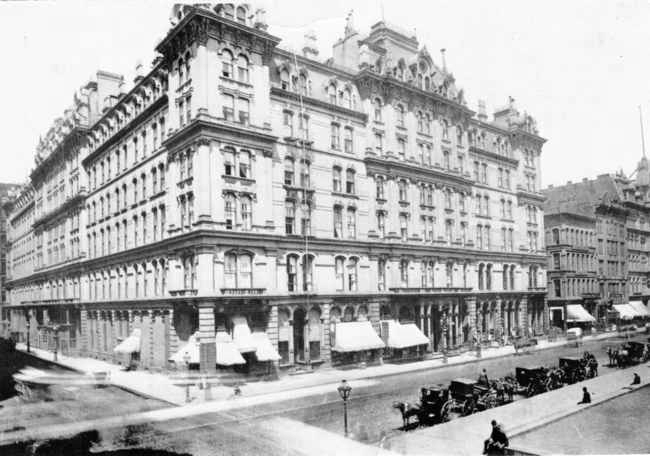
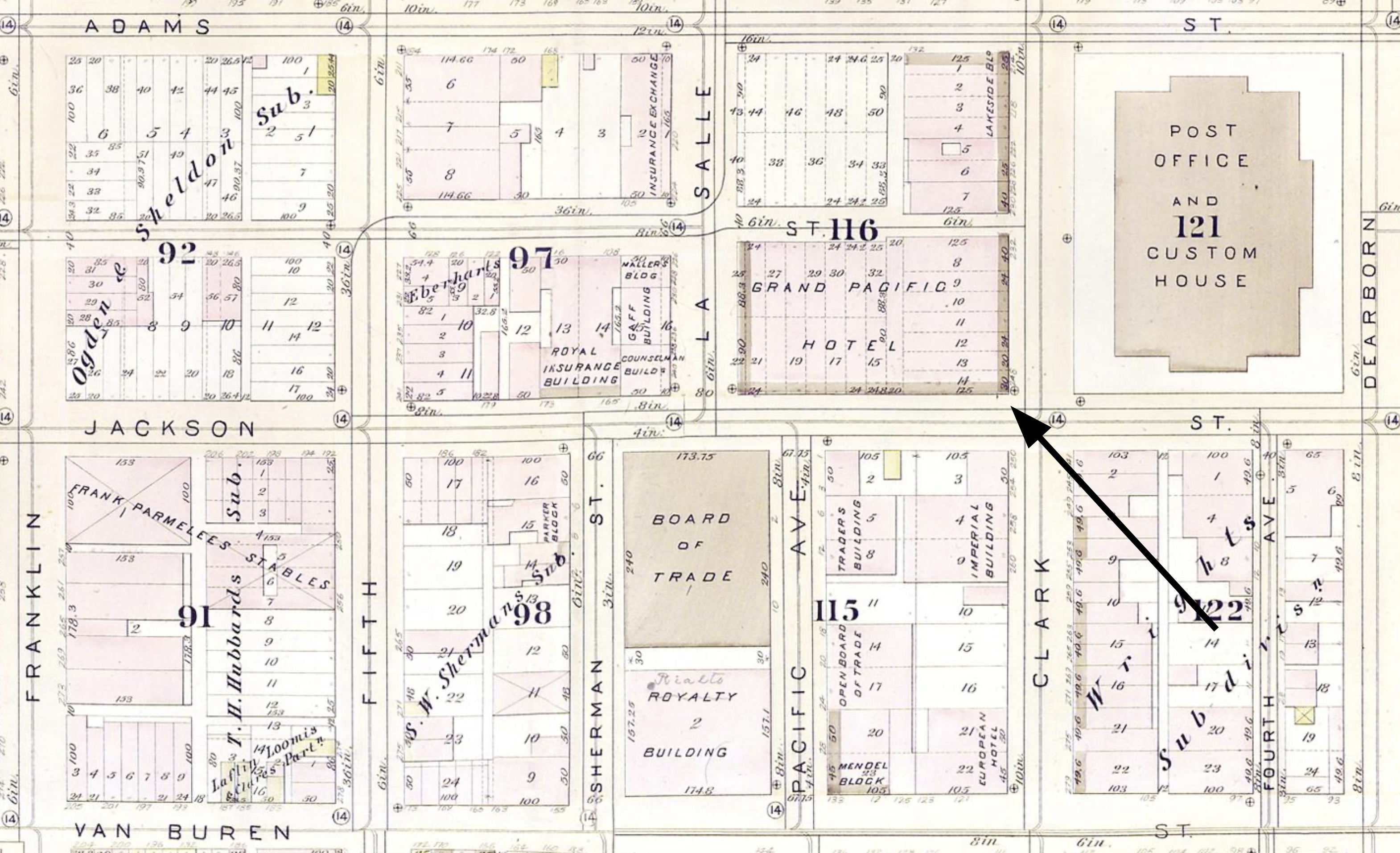
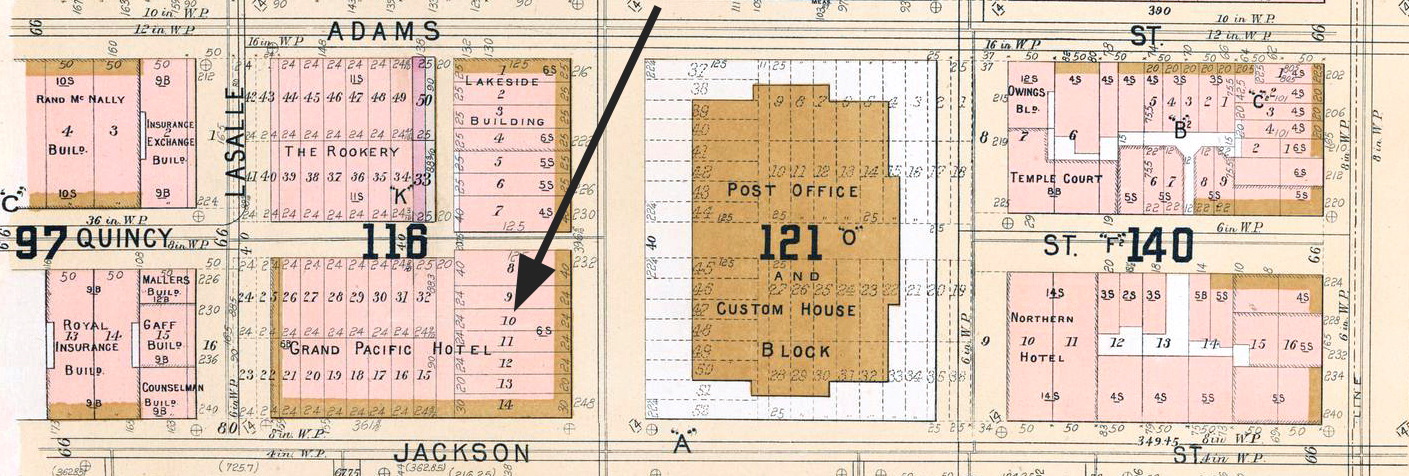
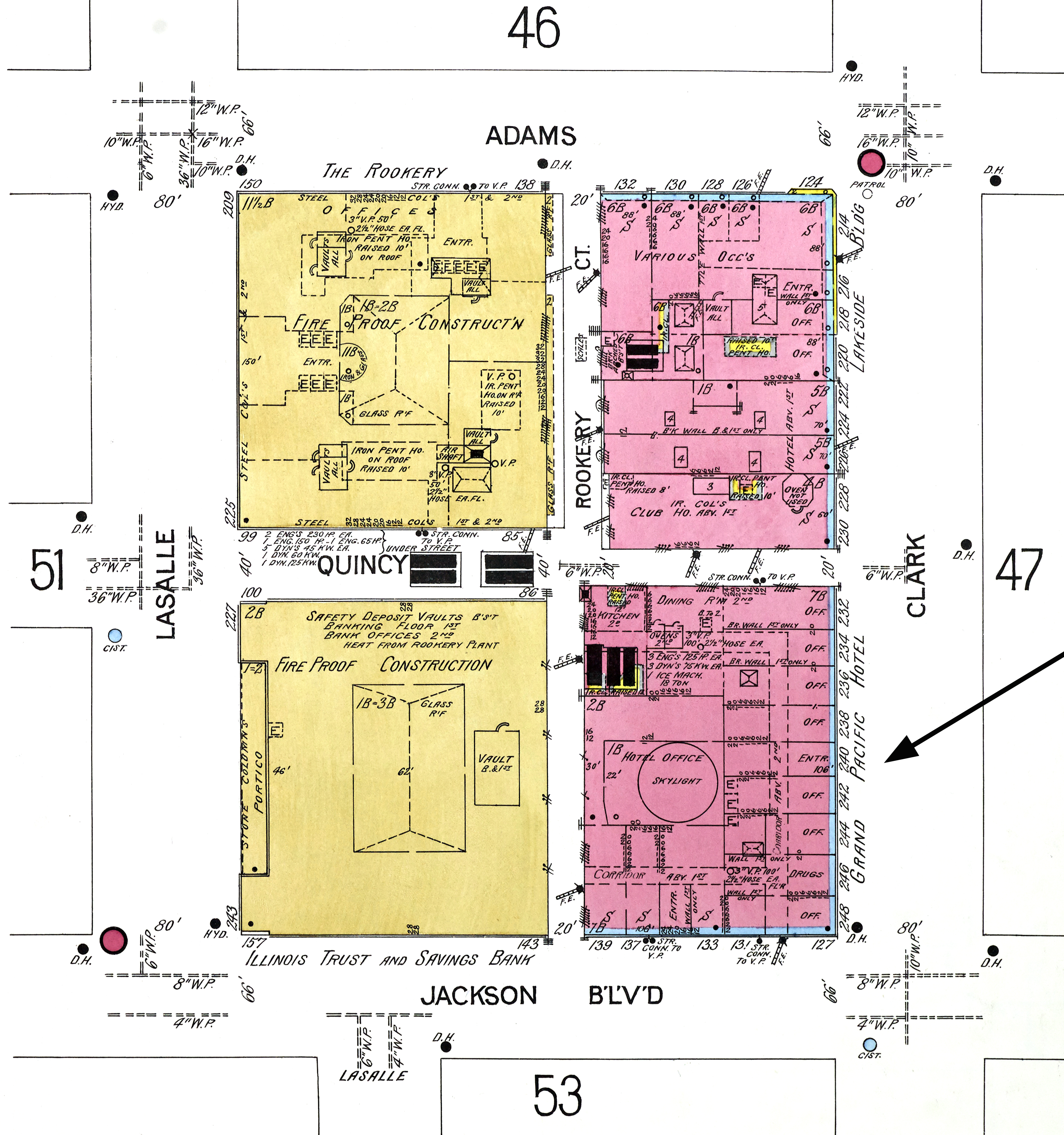
The region graphically portrayed on the opposite page is doubtless the most striking one in the city, for the visitor can not approach it from any direction without adding to the scene many other notable buildings. The head of La Salle Street,” as late as 1868, included no good building of any size whatever. Jackson Street, the avenue in front of the Board of Trade, and Quincy Street, the alley or narrow street one block north, were densely populated with the worst elements of the city. The Van Buren Street Station was then the head of La Salle Street, and La Salle had not been shortened to make a place for the Board of Trade. The Grand Pacific Hotel was built and burned in 1871. It was reproduced in 1872. The grand transformation of this locality came in 1883 and 1884, when the earliest group of Chicago’s high buildings was erected. The rise in value of property on Jackson Street was sometimes from one to twenty in a year’s time. The block directly to the right of the Grand Pacific Hotel, composed of the Royal Insurance, Mailers, Gaff, and Counselman buildings, made the most rapid progress in 1884. The Rand McNally Building is seen in the foreground. In addition to the sterling character of its architecture, , it has become very famous as the headquarters the World’s Fair.
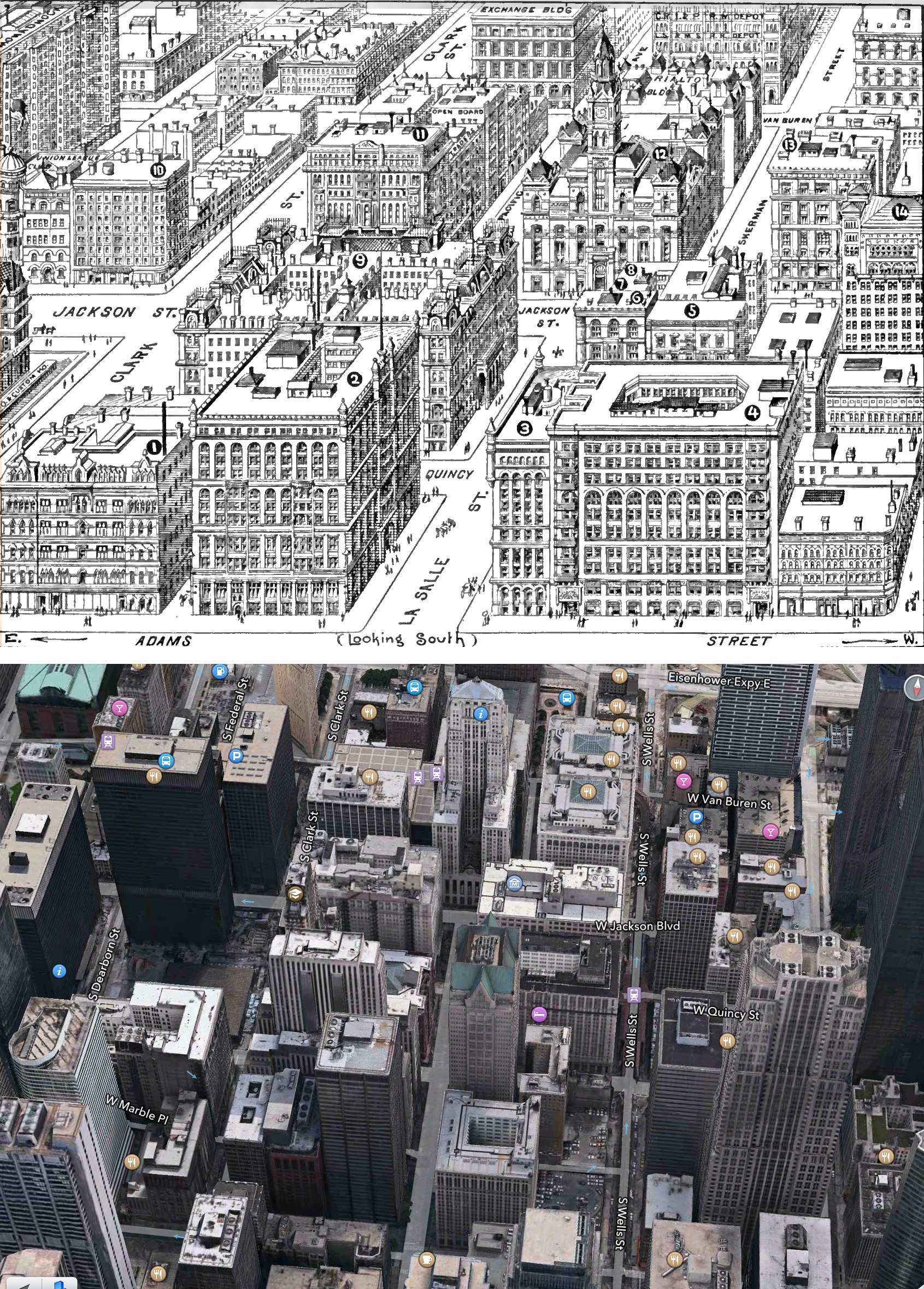
Keys to the Drawing
① Lakeside Building, ② The Rookery, ③ Insurance Exchange Building, ④ Rand McNally Building, ⑤ Royal Insurance Building, ⑥ Mallers Building, ⑦ Gaff Building, ⑧ Counselman Building, ⑨ Grand Pacific Hotel, ⑩ Hotel Grace, ⑪ Phoenix Building, ⑫ Board of Trade Building, ⑬ Brother Jonathan Building, ⑭ Medinah Temple
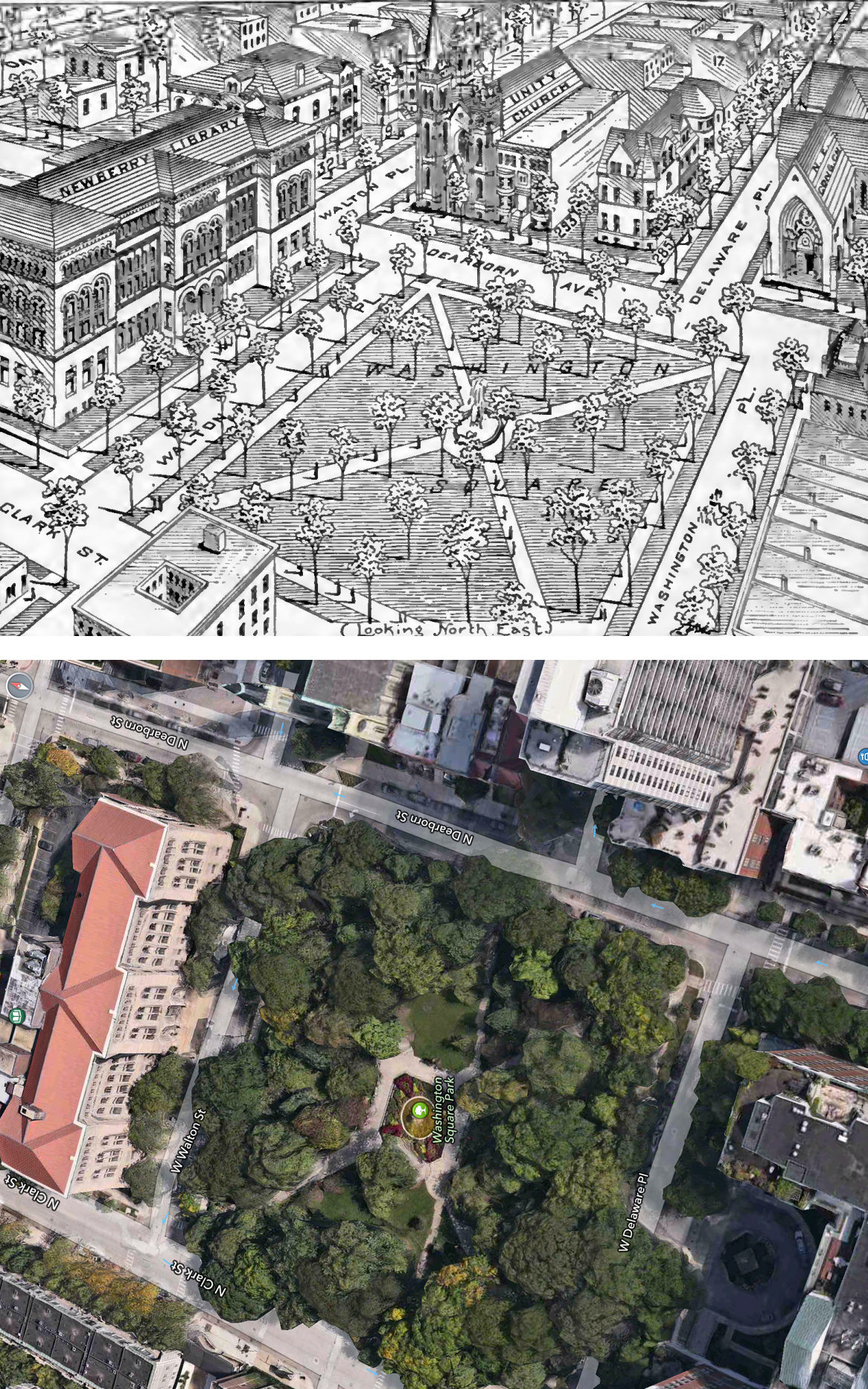
Washington Square
Washington Square was Chicago’s first public park. The Newberry Library flanks it to the north, which is on the lot that Mahlon D. Ogden’s mansion stood, and was the only building outside of the Water Tower to have survived the Great Fire.
Region of the 12th Street Railway Station
The view before us presents the new and magnificent Illinois Central Station, at the south end of the Lake Front Park, and graphically gives the relative situations of the world-famous Michigan Boulevard and Wabash Avenue, once the aristocratic thoroughfare of Chicago, but now a rapidly extending business street. The general view in this region is very beautiful, either looking toward the blue lake or westward on the throngs of fine carriages and well-dressed pedestrians continually passing northward and southward. The remarkable Twelfth Street viaduct may be seen to begin at Wabash Avenue.
This elevated thoroughfare crosses twelve or more great trunk railway lines ere it descends to grade at Canal Street, on the West Side. The Manual Training School is also in sight, and the World’s Fair may be seen from any point south of Van Buren Street along the lake shore.
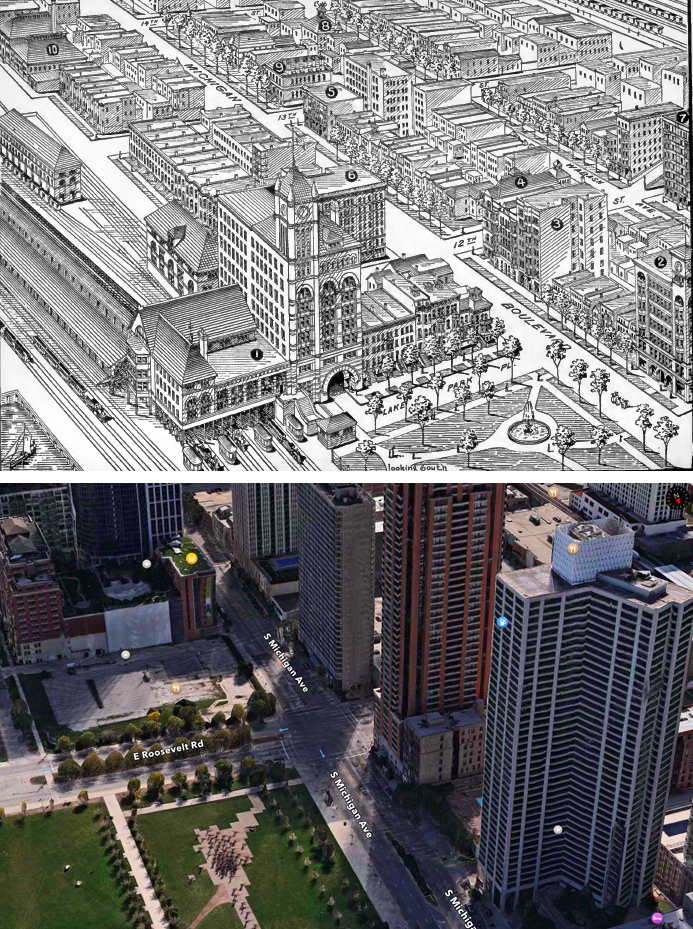
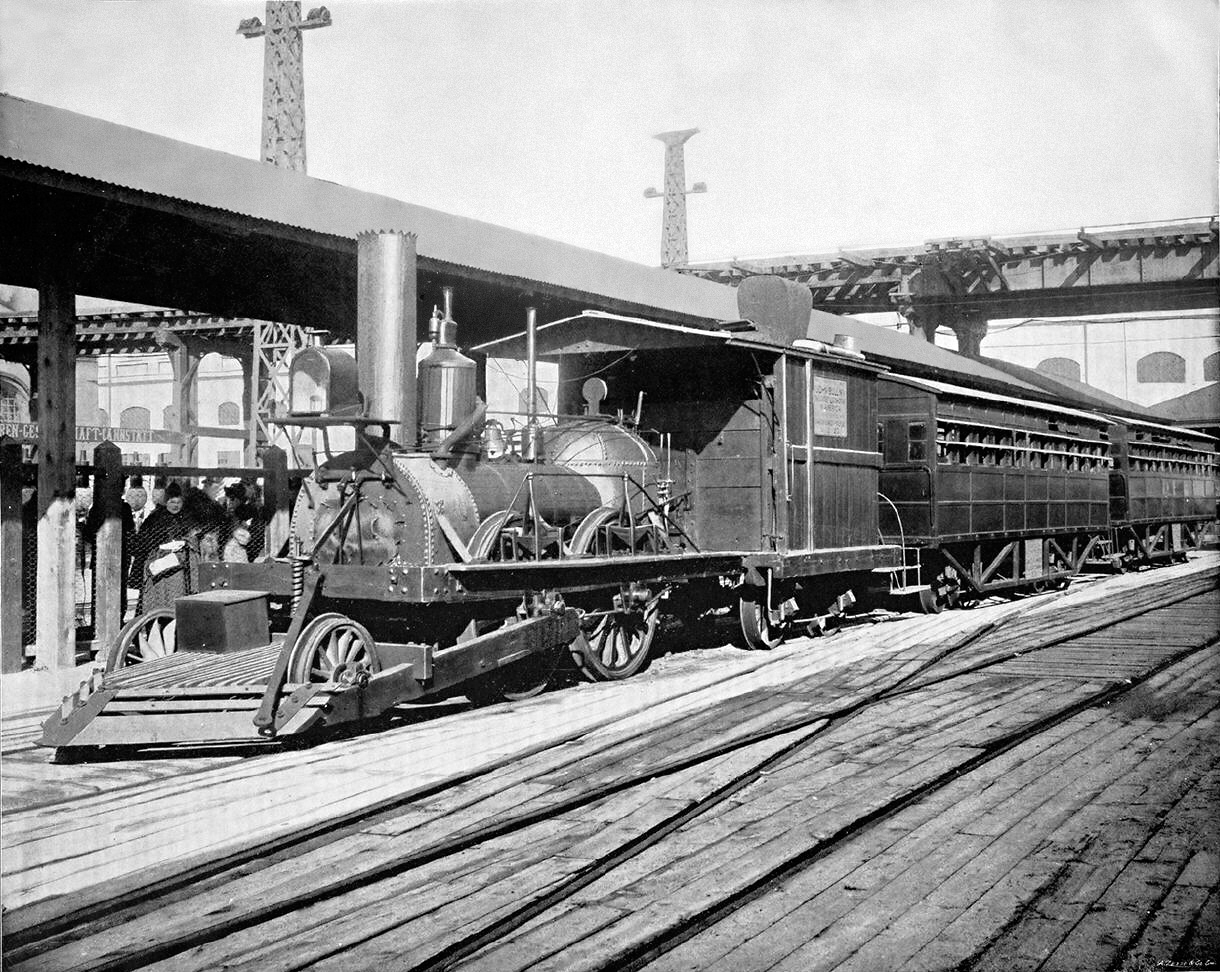
- Keys to the Drawing, ① The Twelfth Street Station, ② The Kimball Building., ③ The Bordeaux Hotel, ④ The Chicago Manual Training School, ⑤ The Hotel Stamford, ⑥ The Hotel Imperial, ⑦ The Hotel Martinette, ⑧ John Brown’s Fort, ⑨ The Veteran Protective Association, ⑩ The Fourteenth Street Pumping Station
Chicago Sunday Tribune, January 28, 1934
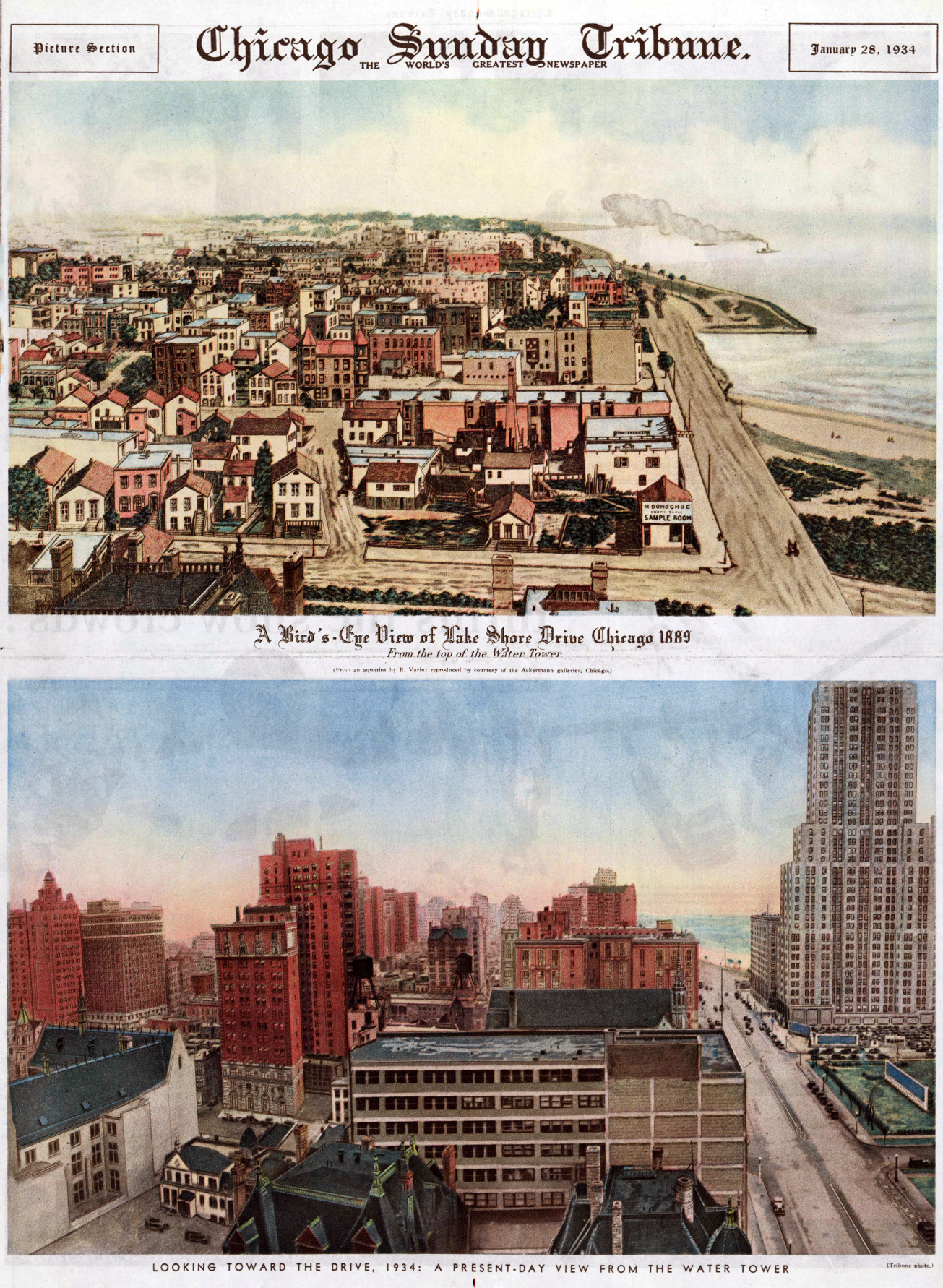
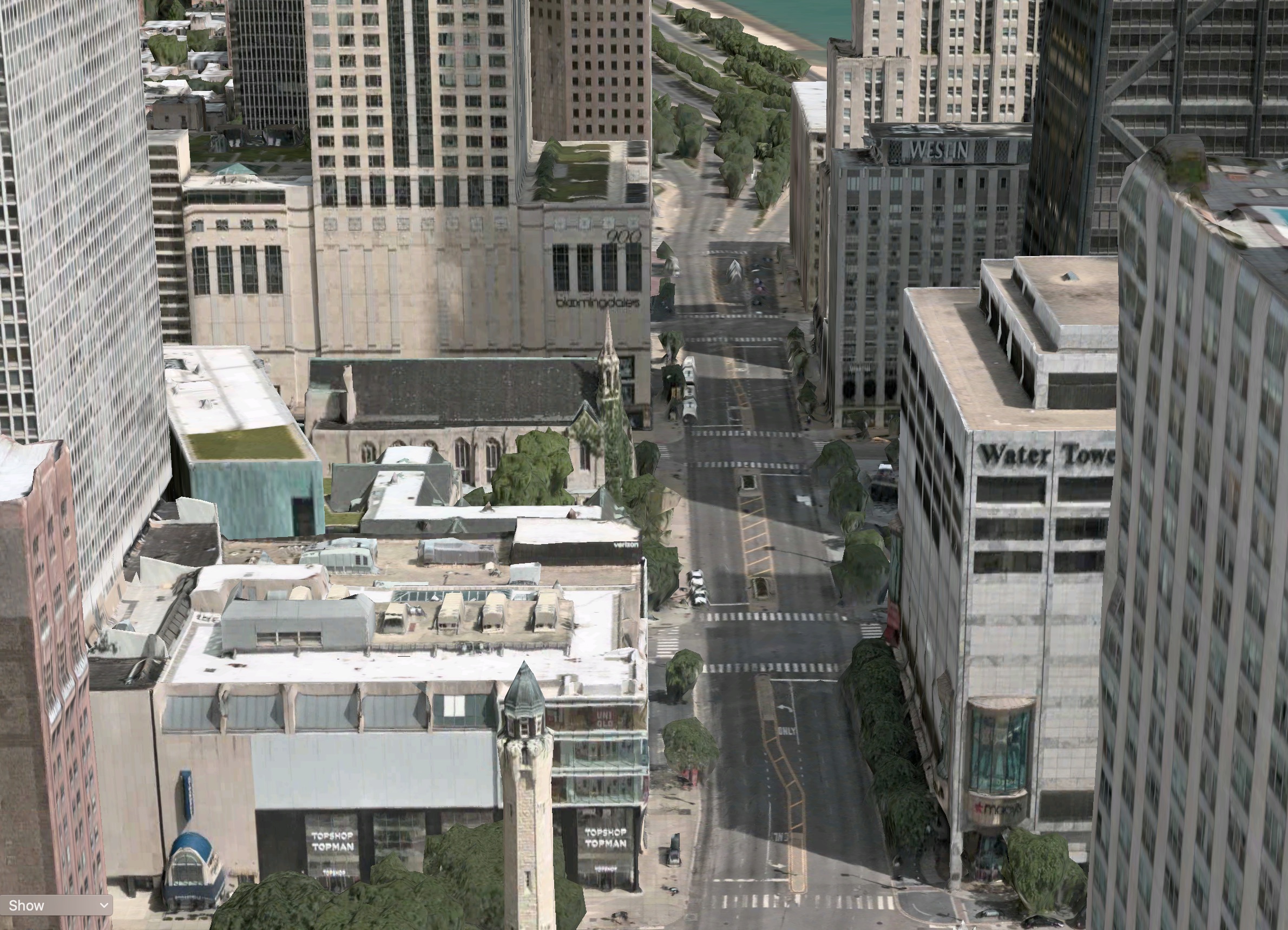
- Top: A Bird’s Eye View of Lake Shore Drive 1889
From the Top of the Water Tower (From an aquatint by R. Varin, reproduced by courtesy of Ackerman Galleries).
Middle: Looking Toward the Drive, 1934:
View From the Water Tower
Bottom: Looking North From Water Tower, 2020
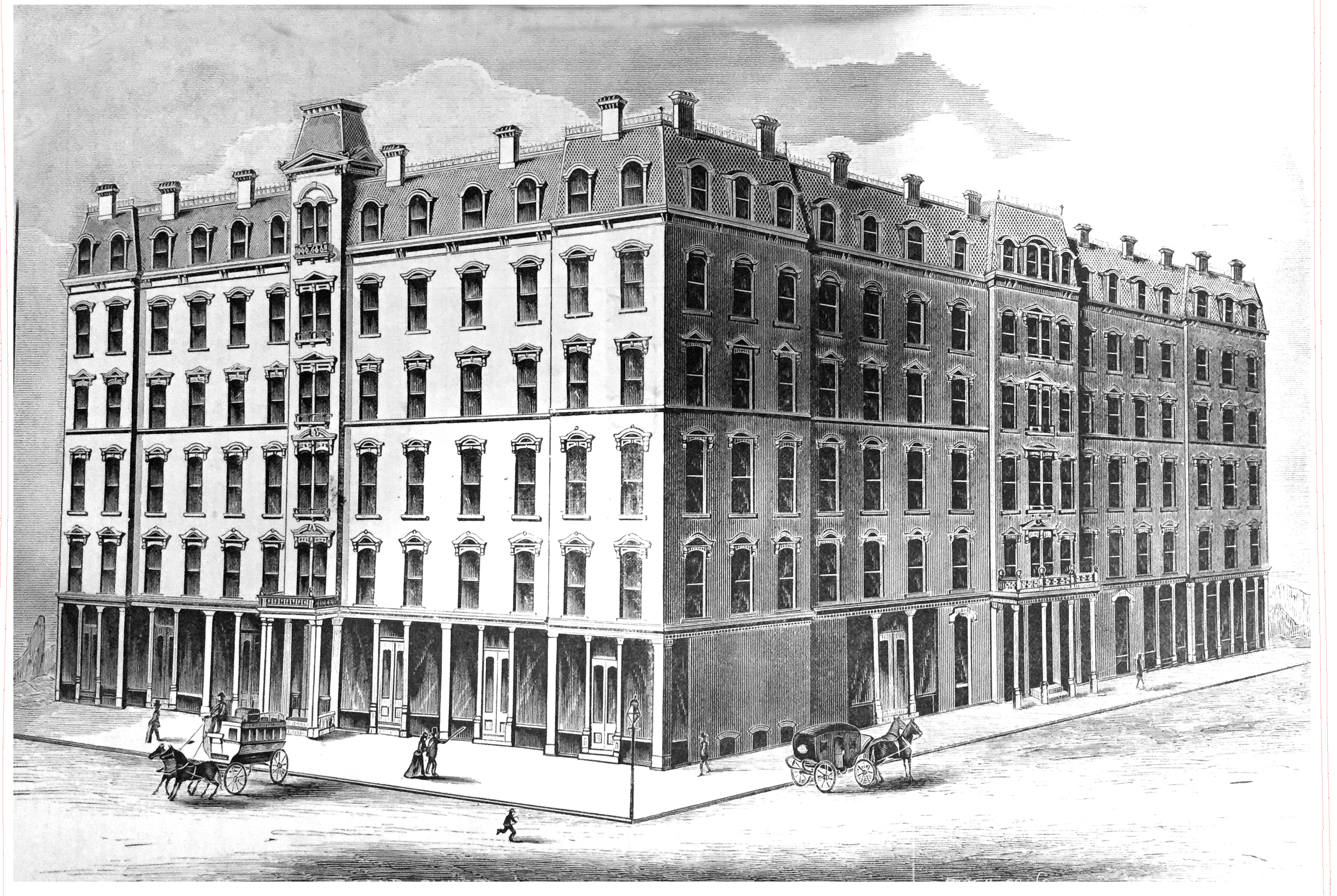
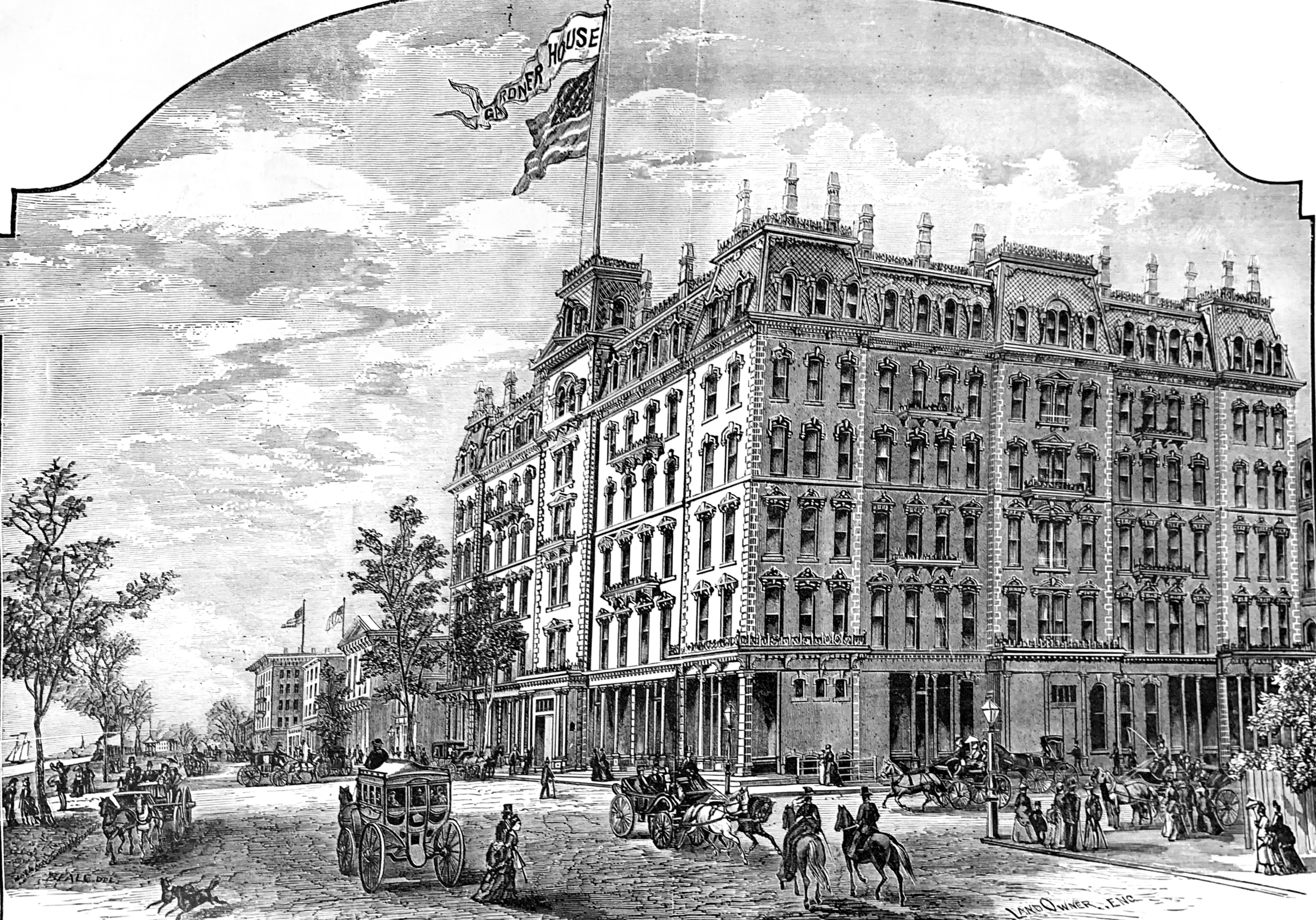
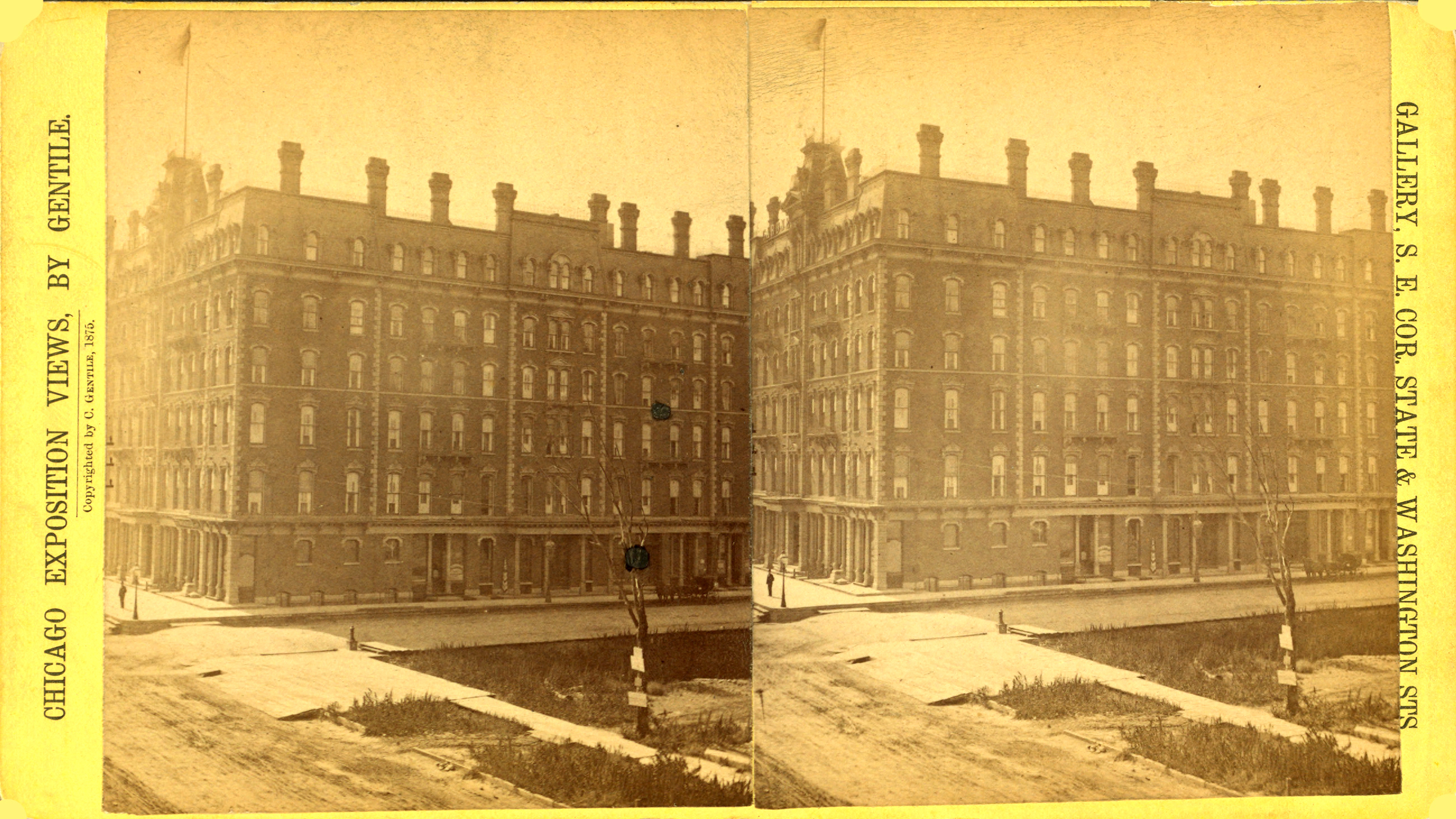
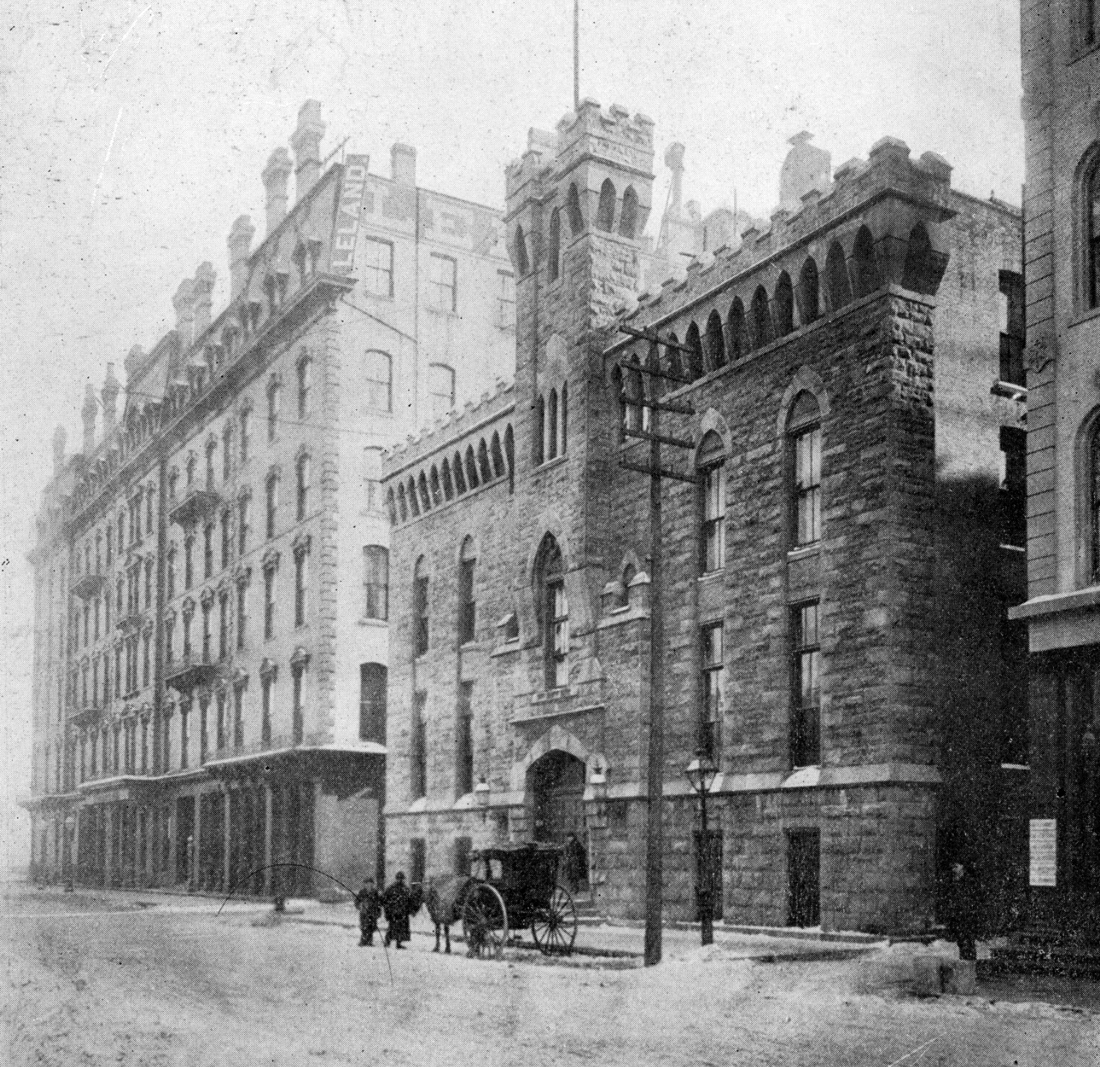
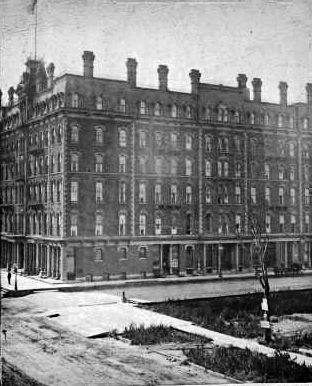 THE LELAND HOTEL.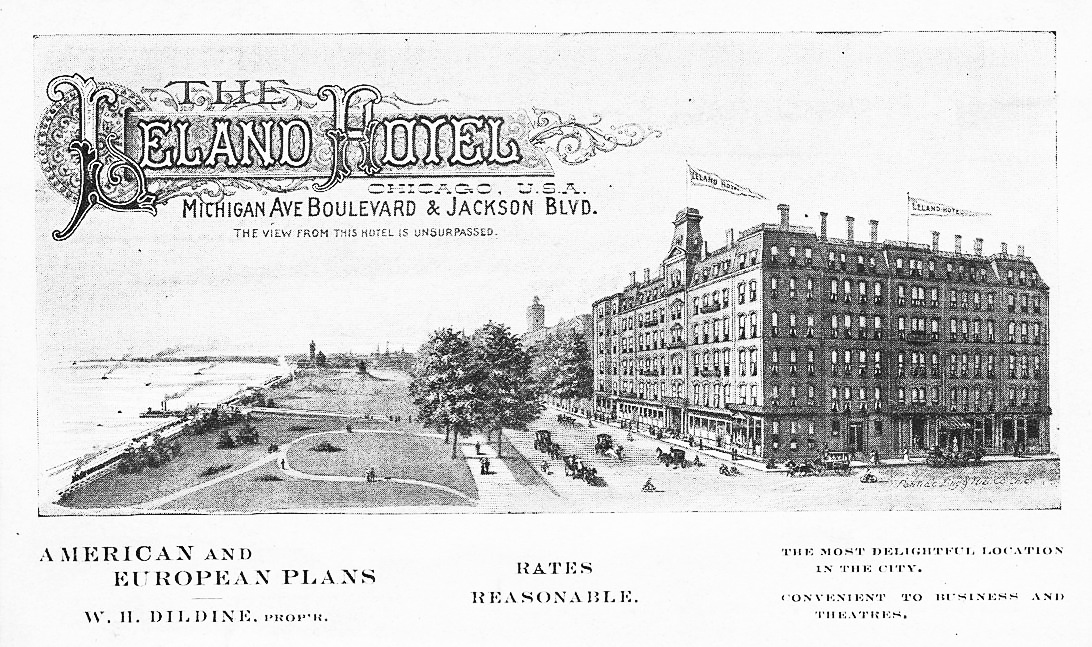
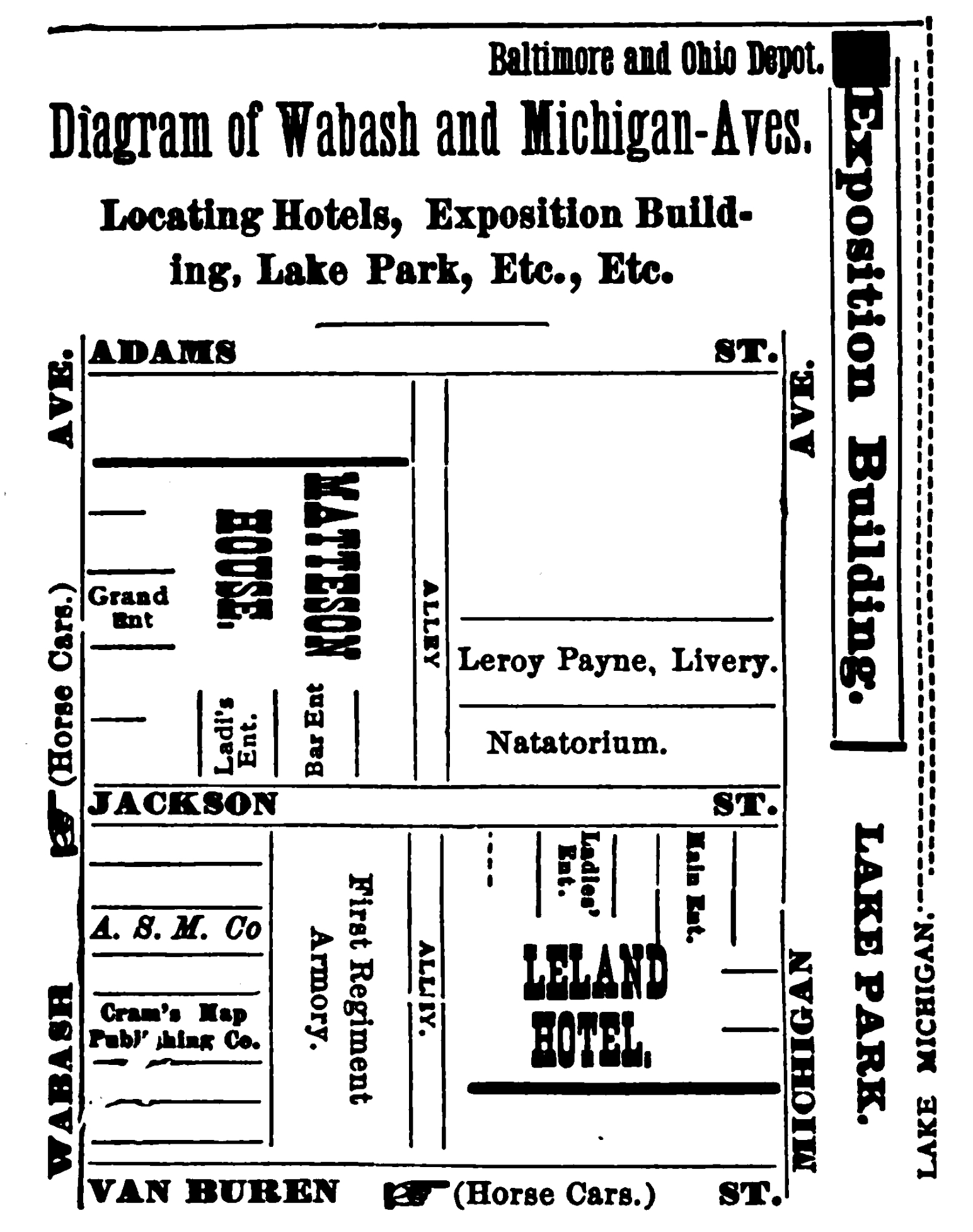
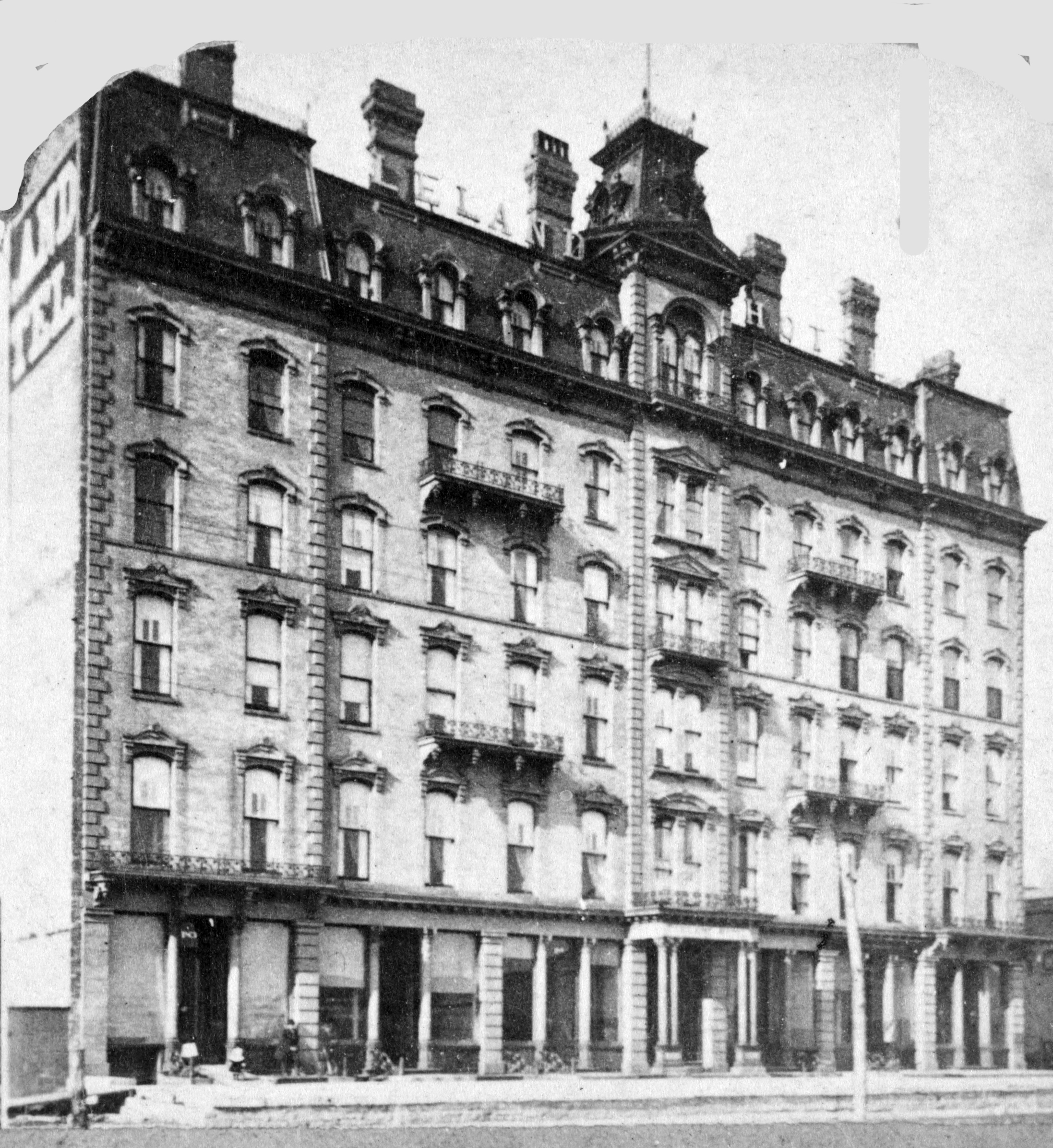
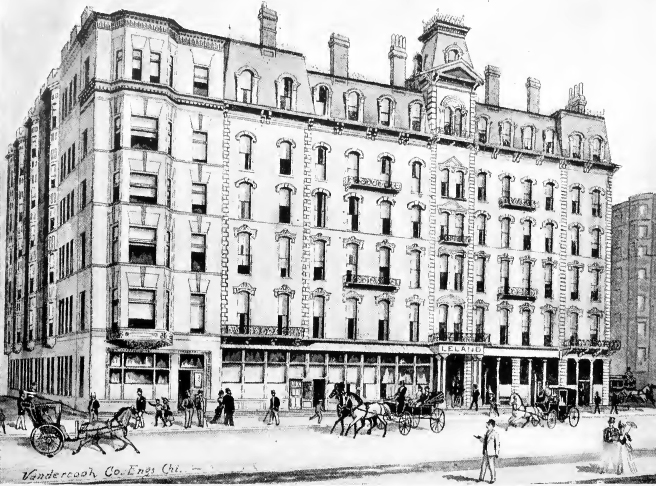
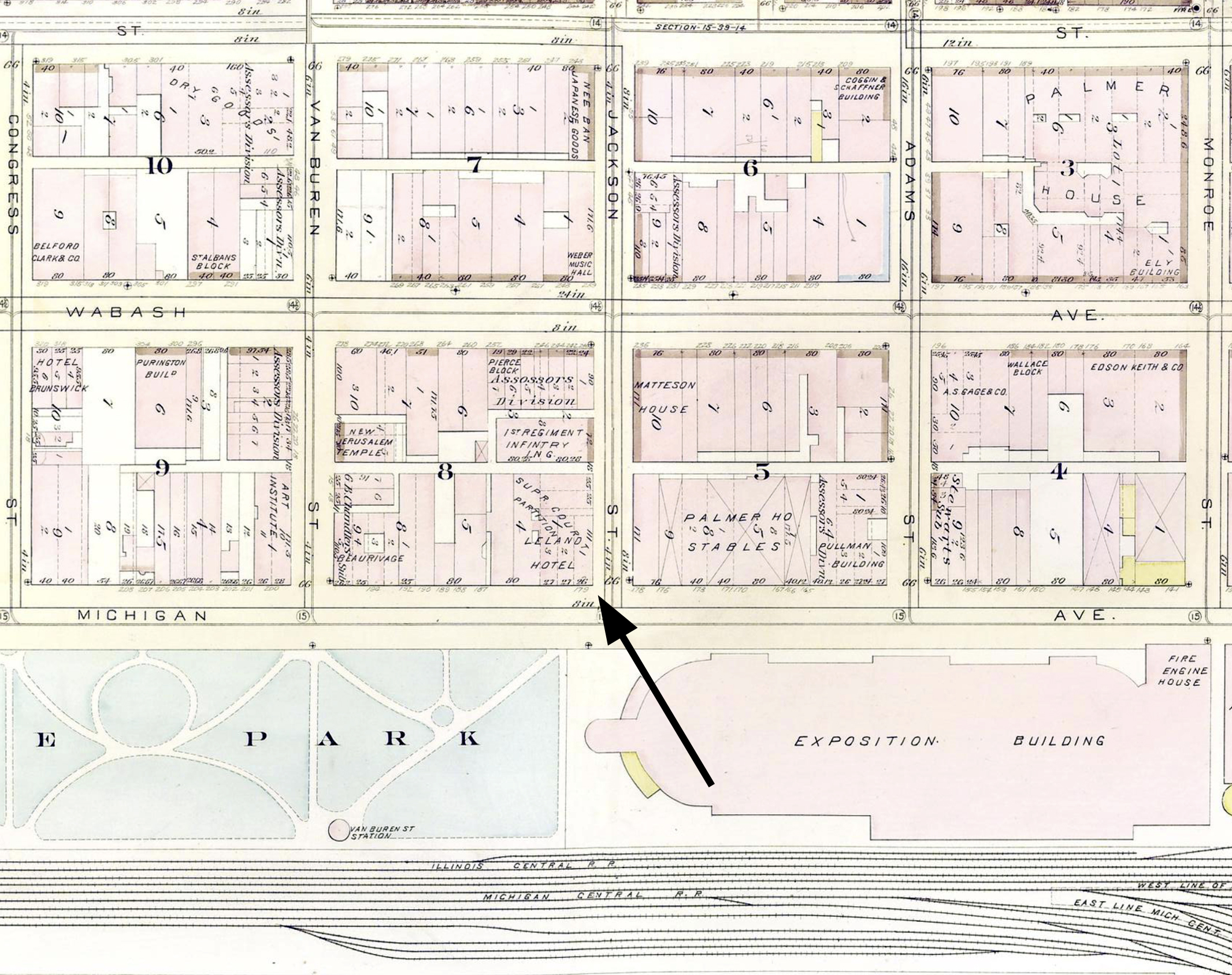

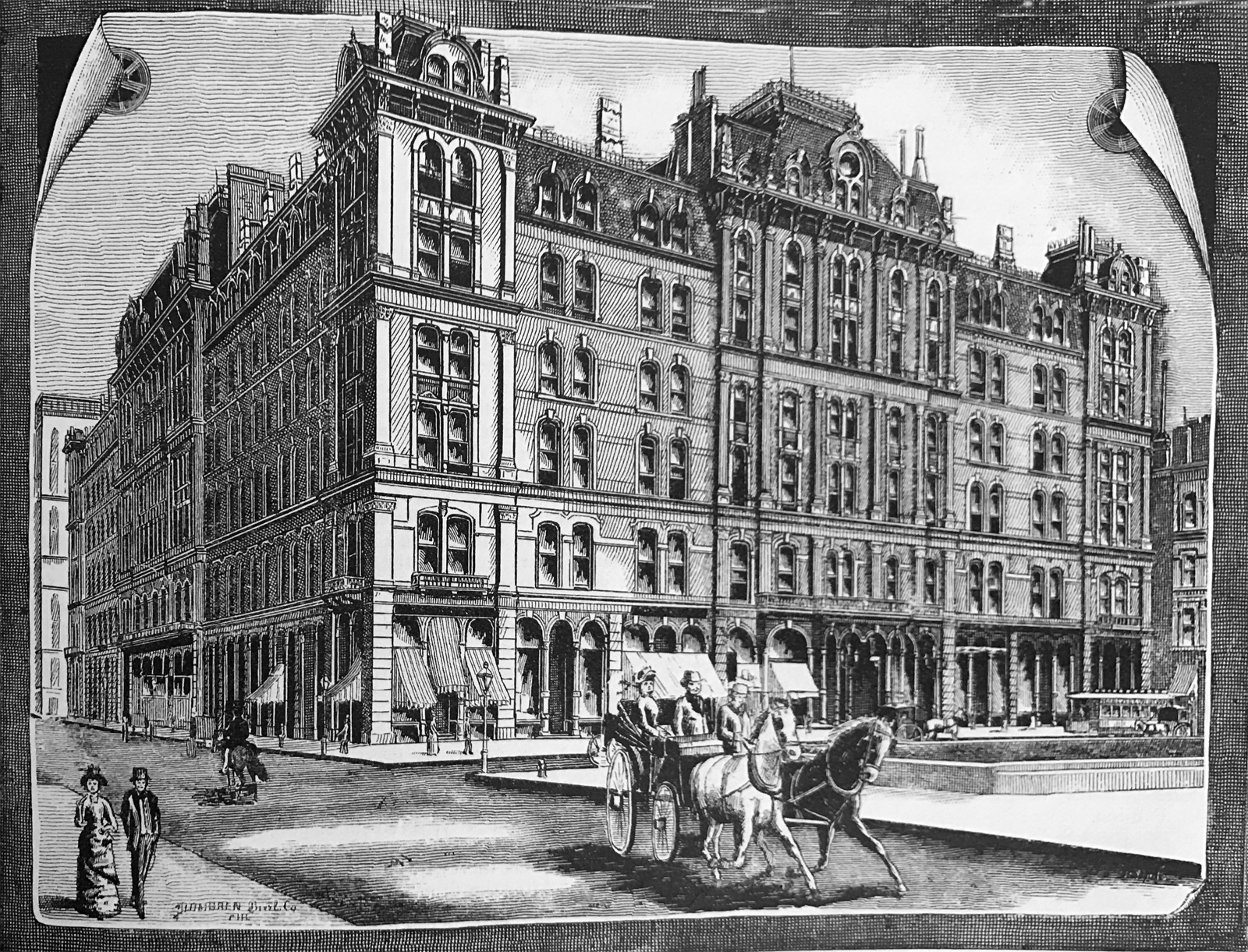
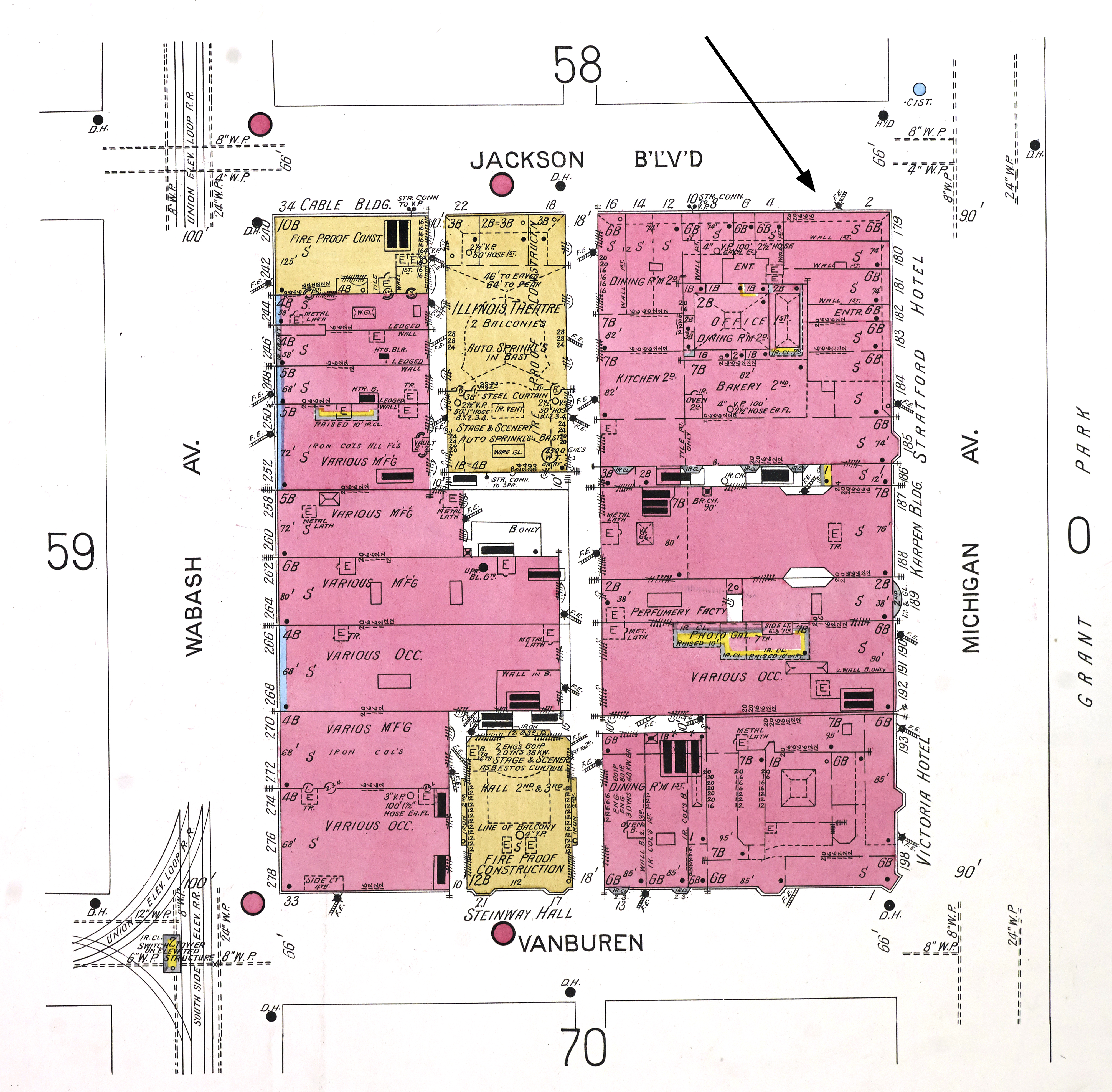
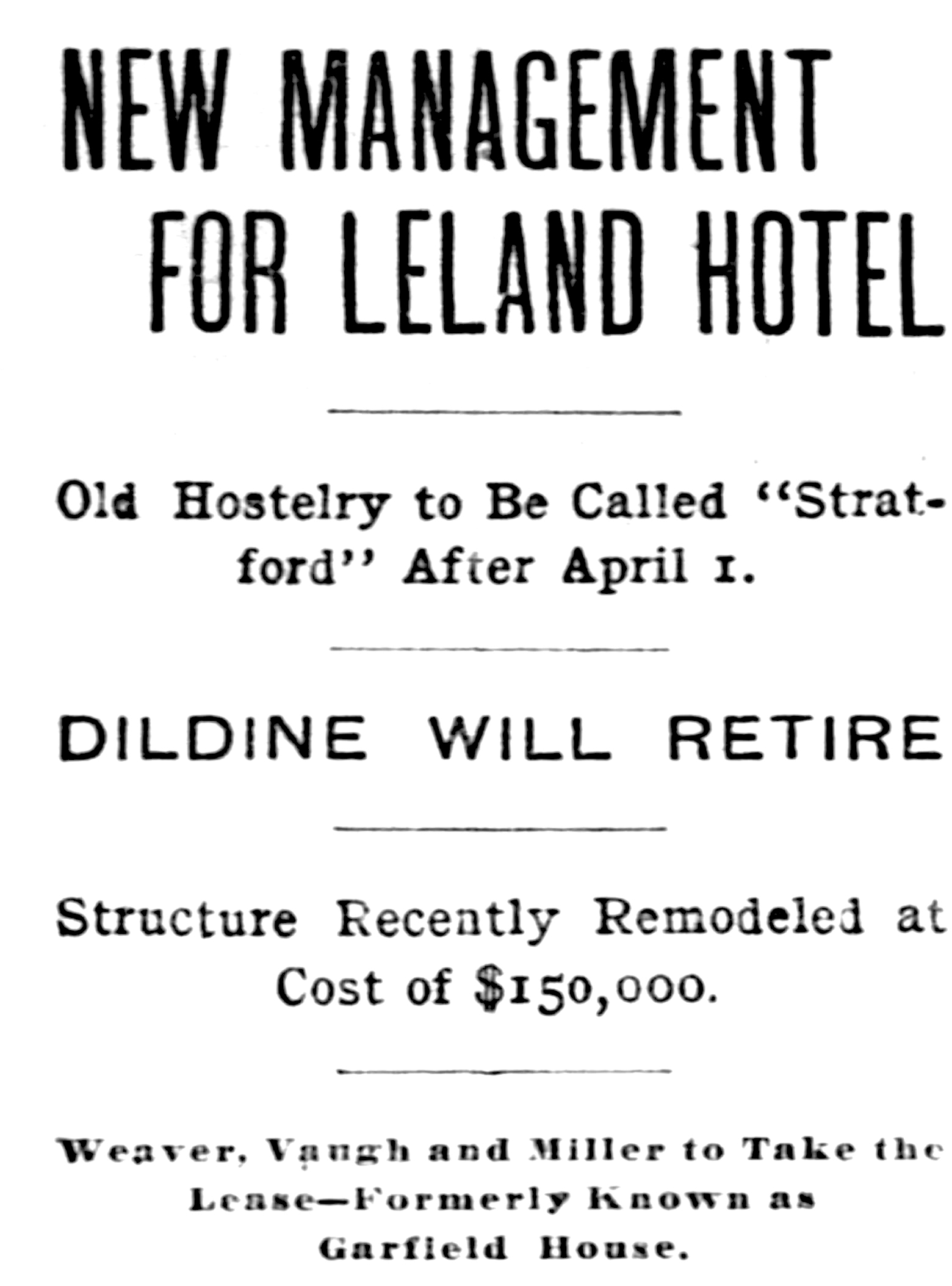 The first of next April will witness the passing of the old Leland hotel, Michigan and Jackson boulevard. The building will still remain a hotel, but the name, management, and appearance will be changed. A new company, called the Stratford Hotel company, composed of George B. Weaver, at present manager of Kinsley’s Restaurant and Catering company; Frank E. Vaugh, and H.G. Miller, has been formed to take the lease of the hotel, and on April 1 the present manager, W.H. Dildine, will retire. The new name will be the “Stratford.”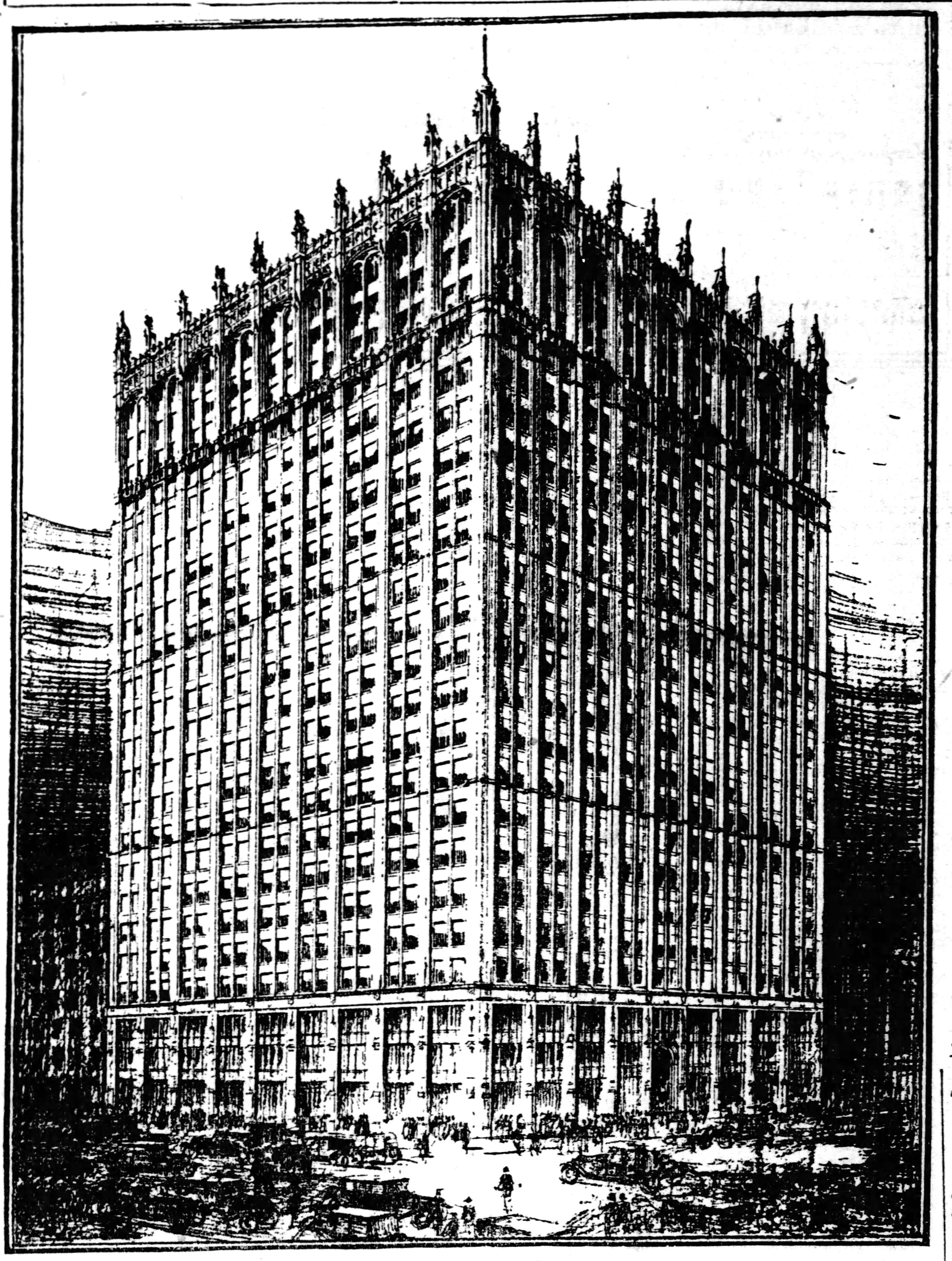
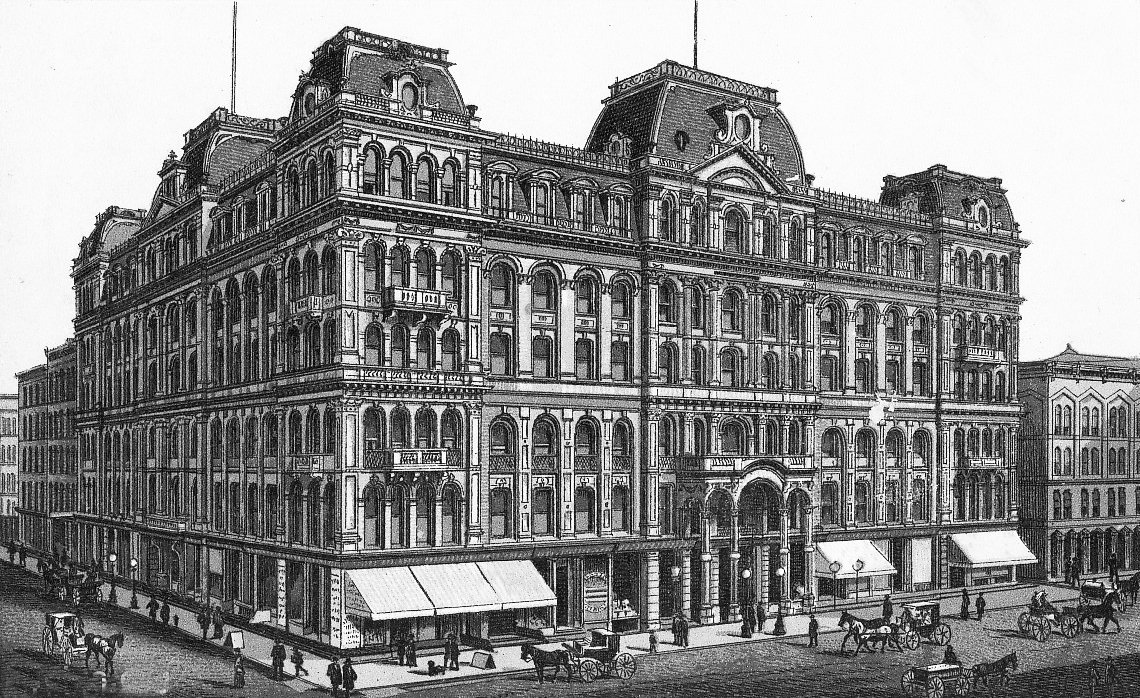
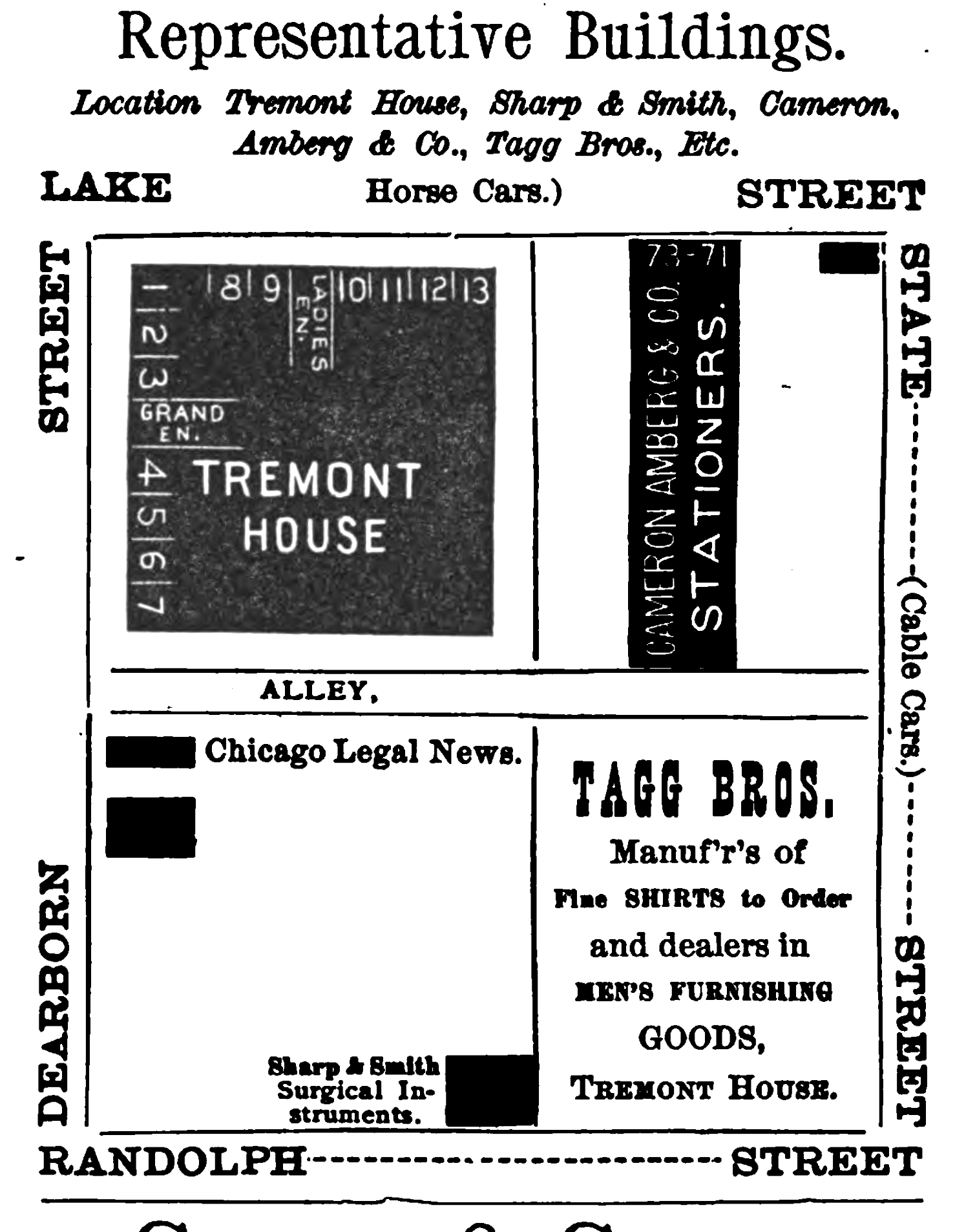
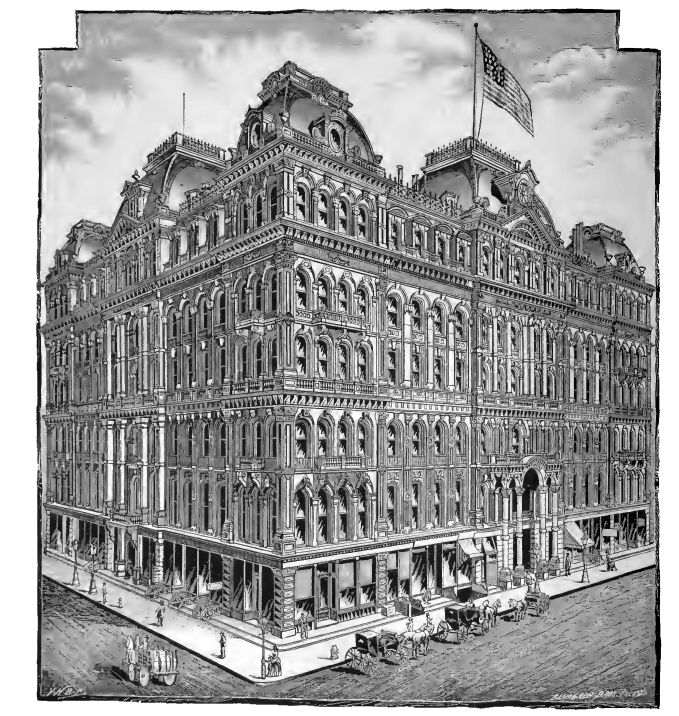
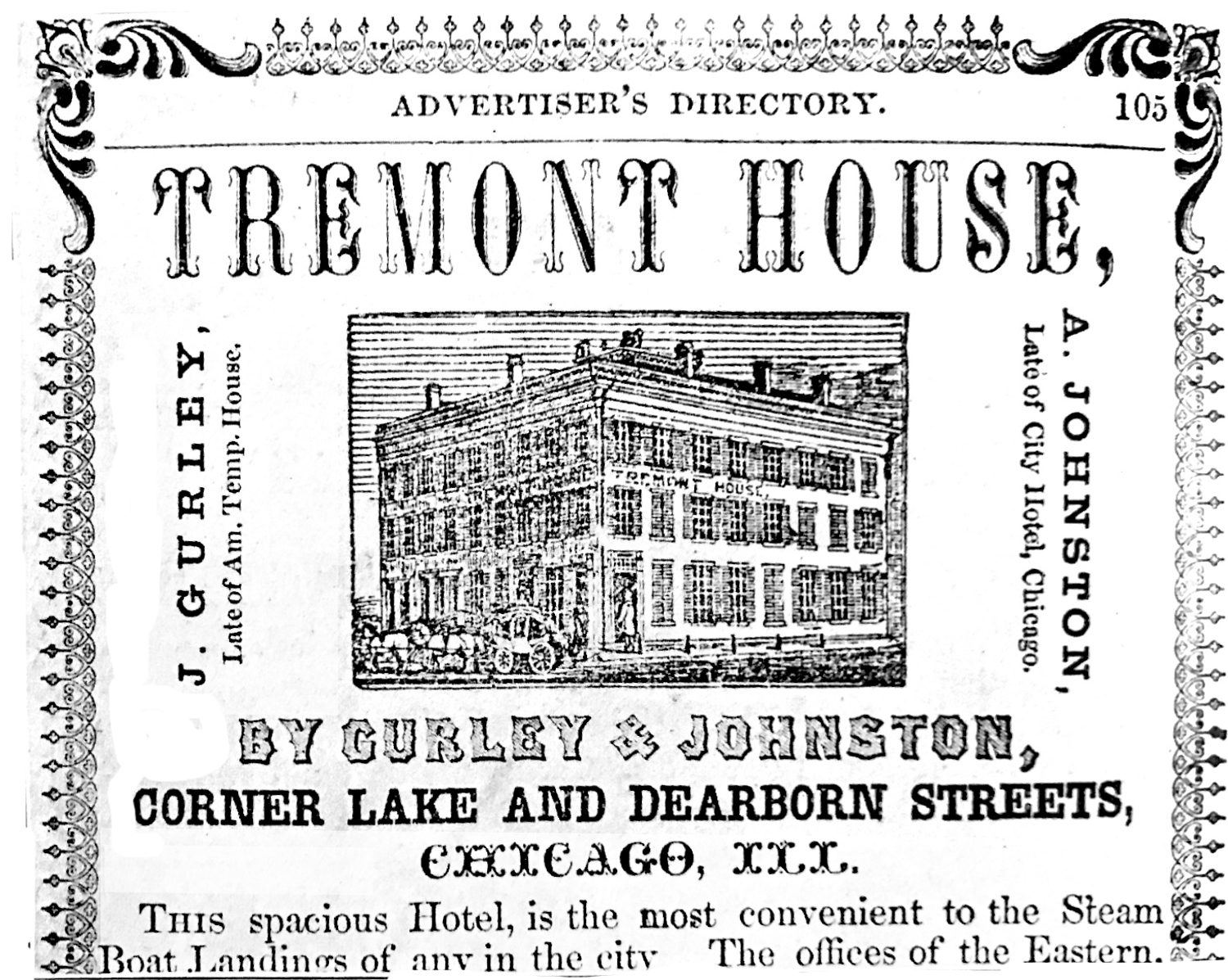
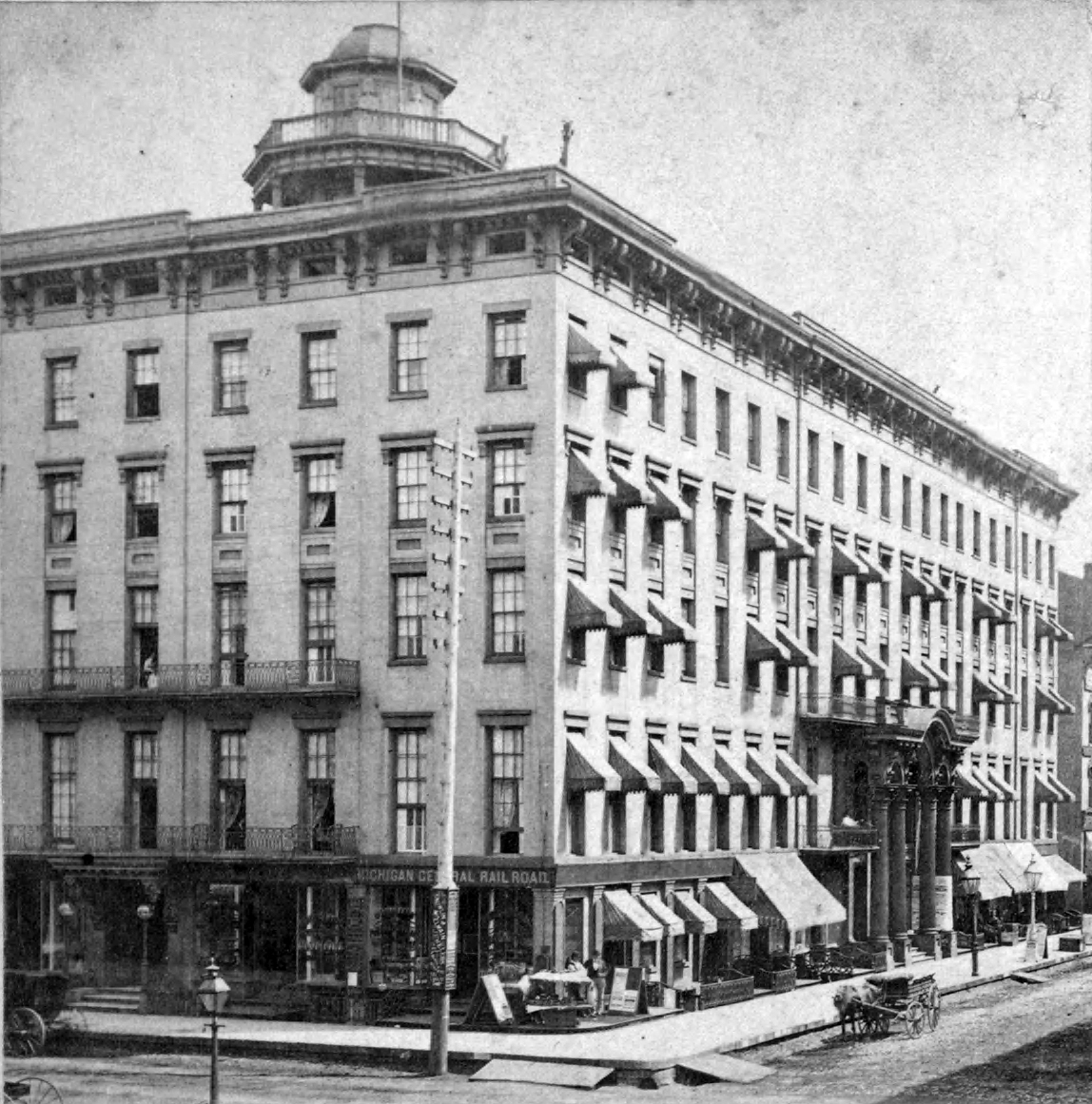
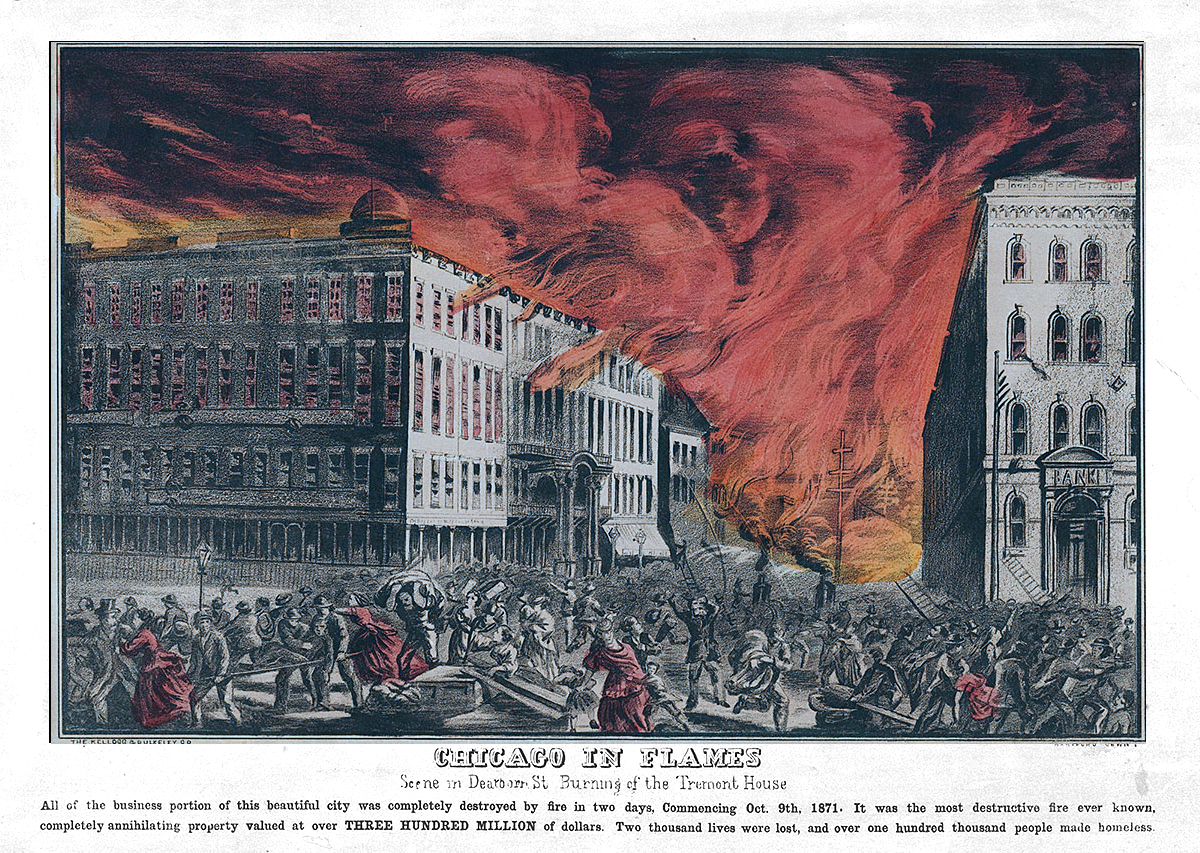
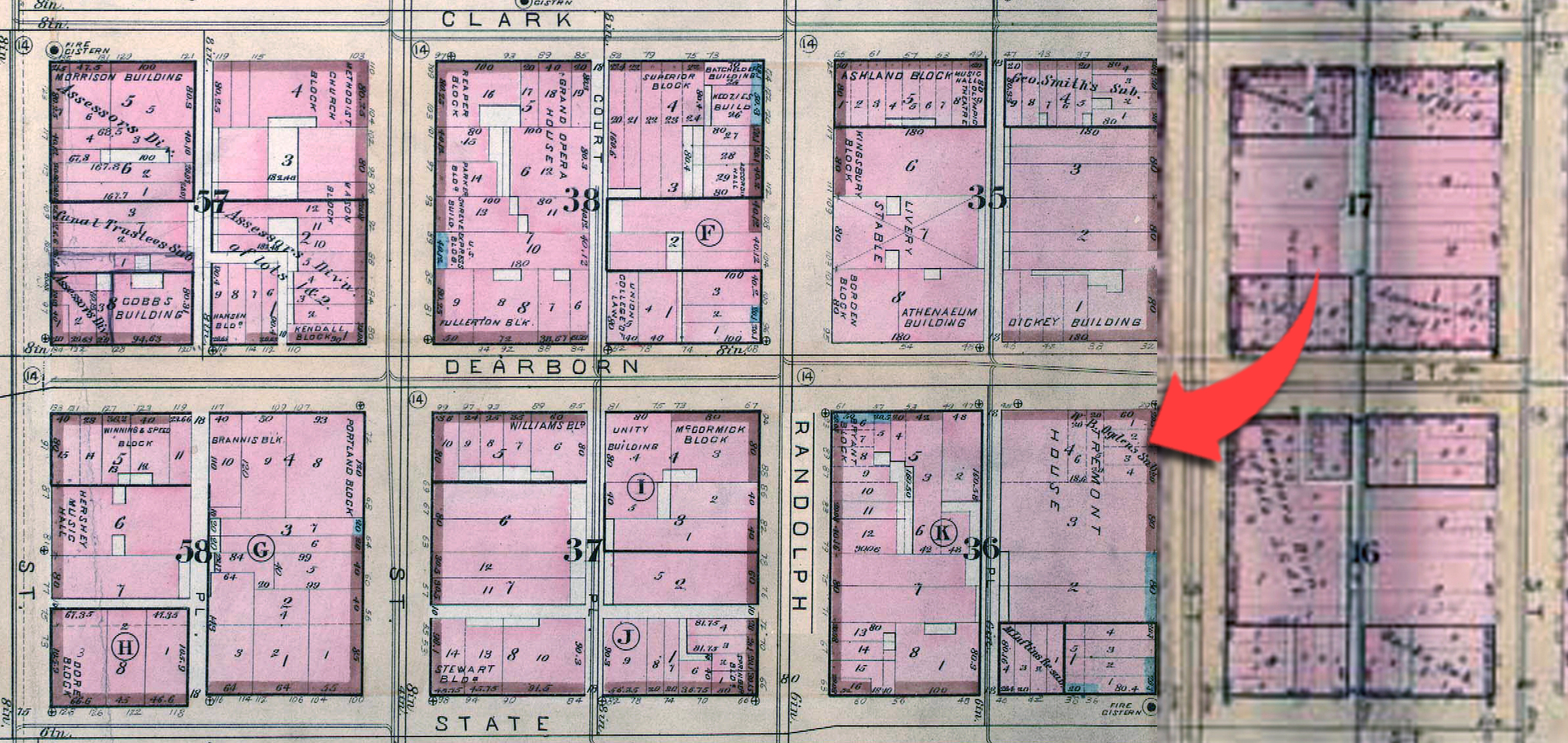
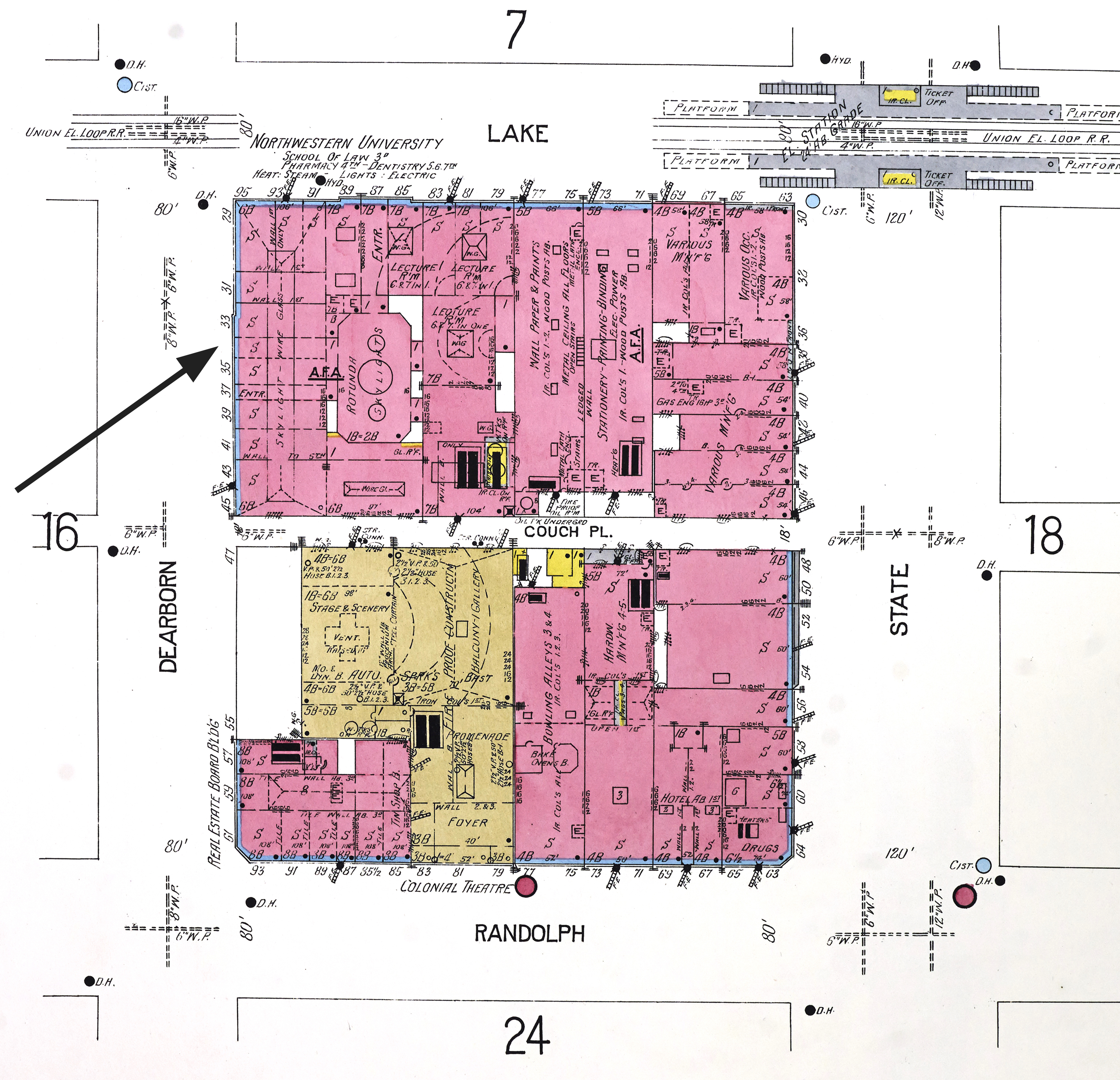
 The Tremont House has been rebuilt on the site of its predecessor, and will be opened on the 16th. The present structure is as handsome and the internal arrangements as perfect as it is possible to make them. The Couch estate erected the structure, and James and Ira Couch have furnished it in magnificent style, and will be the proprietors. The Tremont has an interesting history. It is the oldest hotel in the city, and under the management of Ira Couch from 1837 to 1858, the Gage Bros. for several years, and John B. Drake from 1861 to 1872, enjoyed a reputation second to none in the country. It was the temporary home of all the distinguished men who came to Chicago. Douglas died there, and Long John haunted it until the 9th of October, 1871.
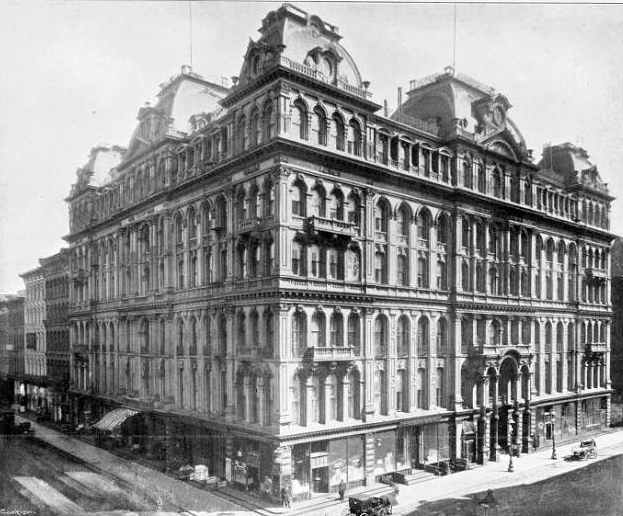


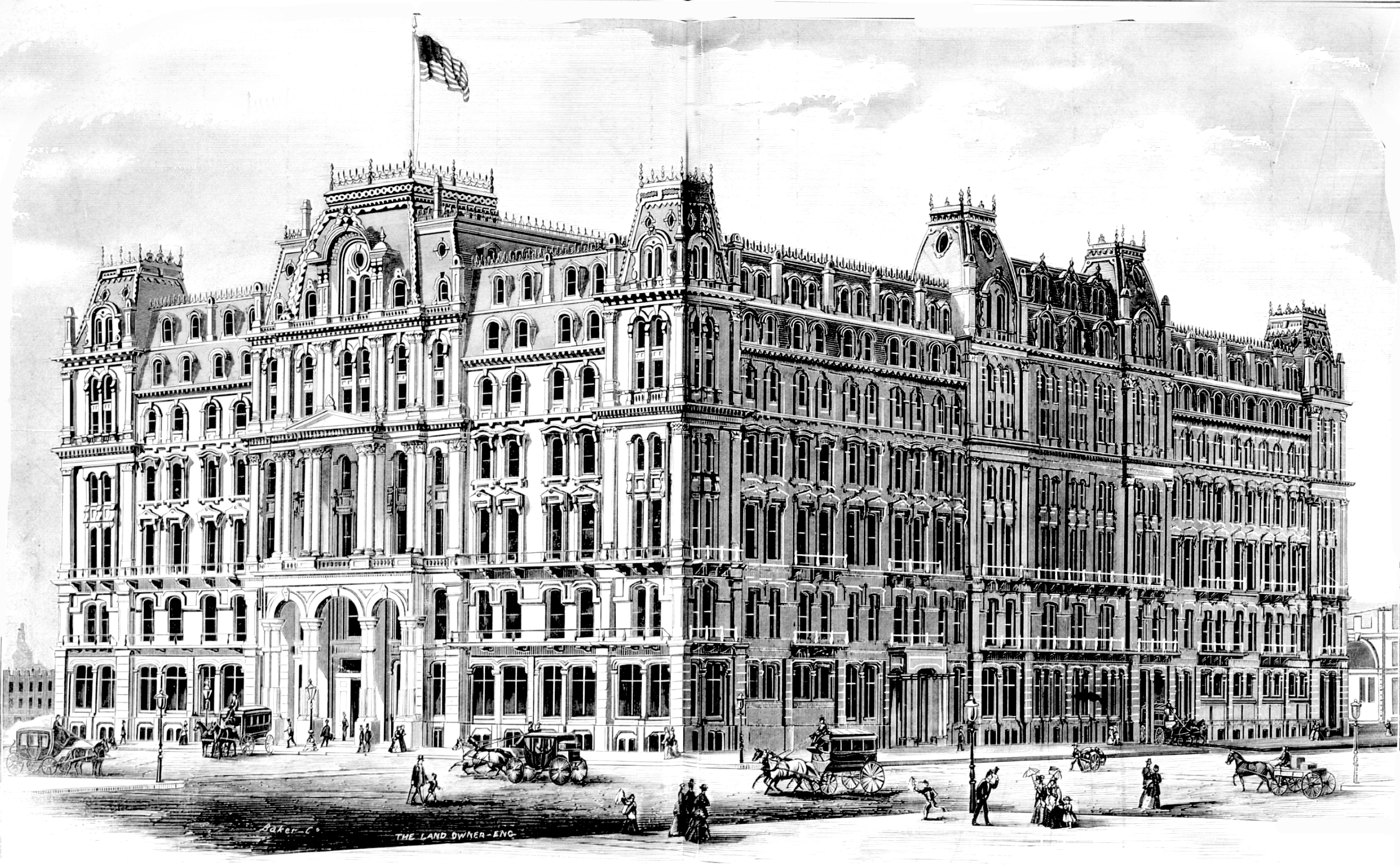
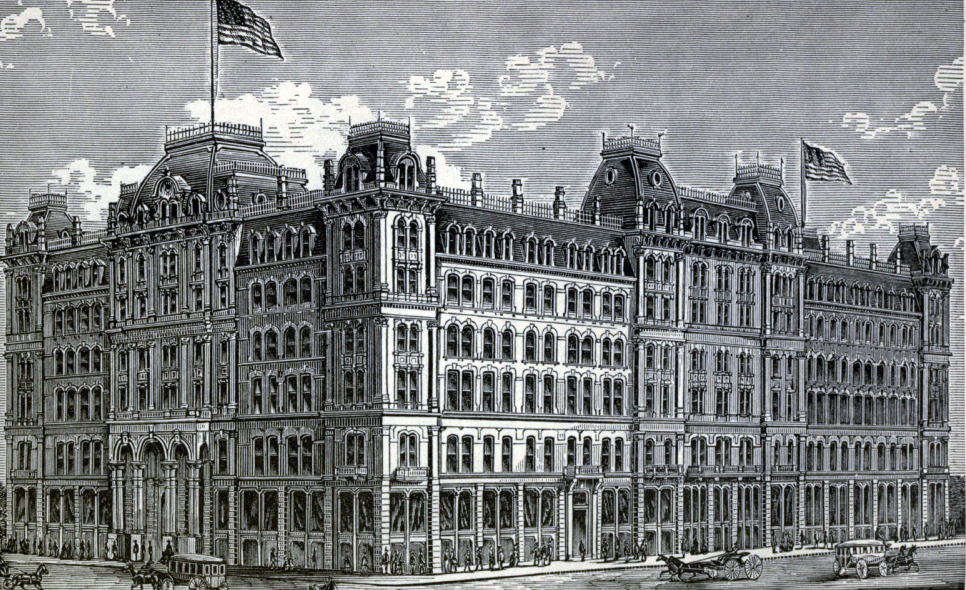
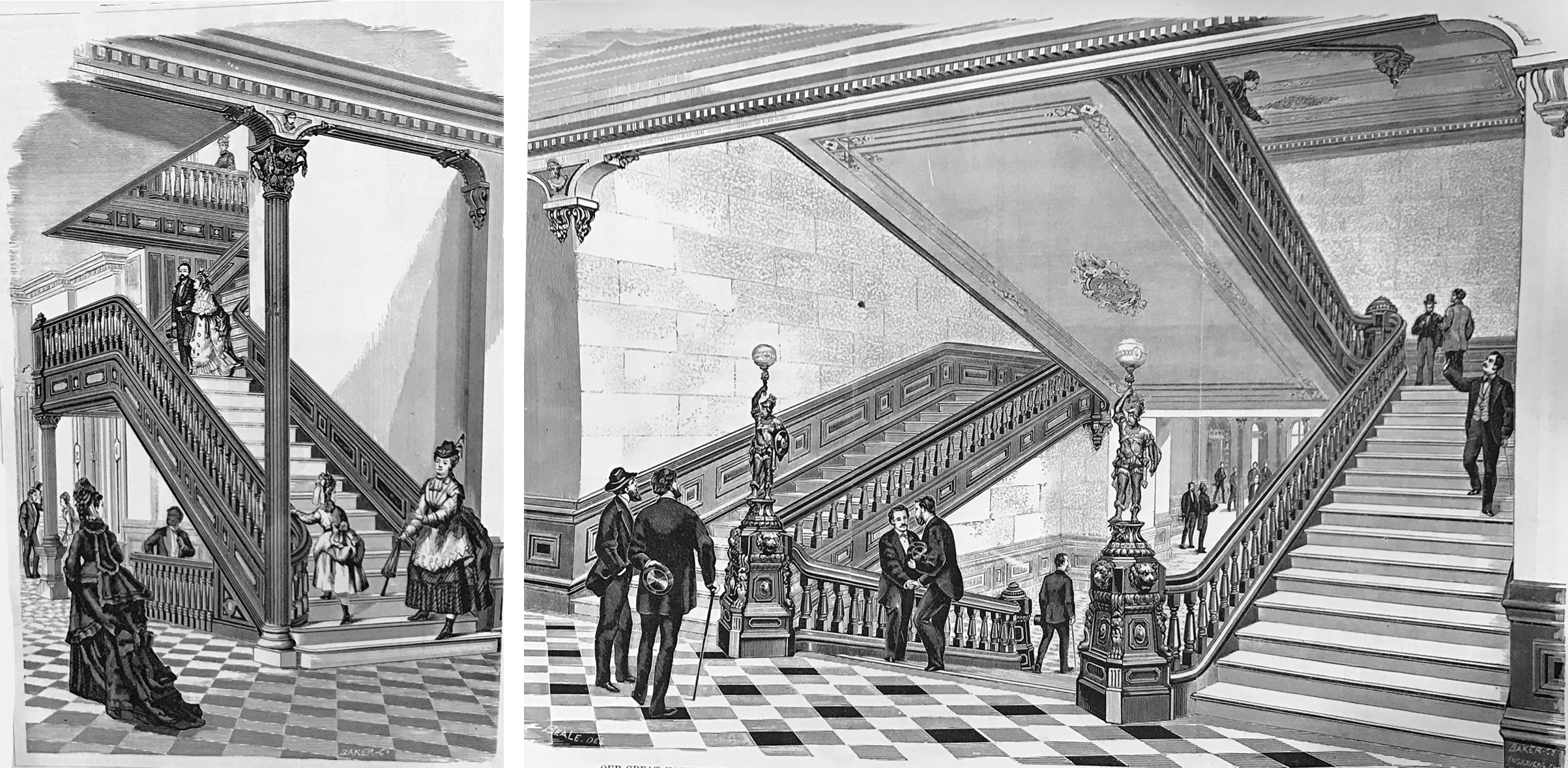
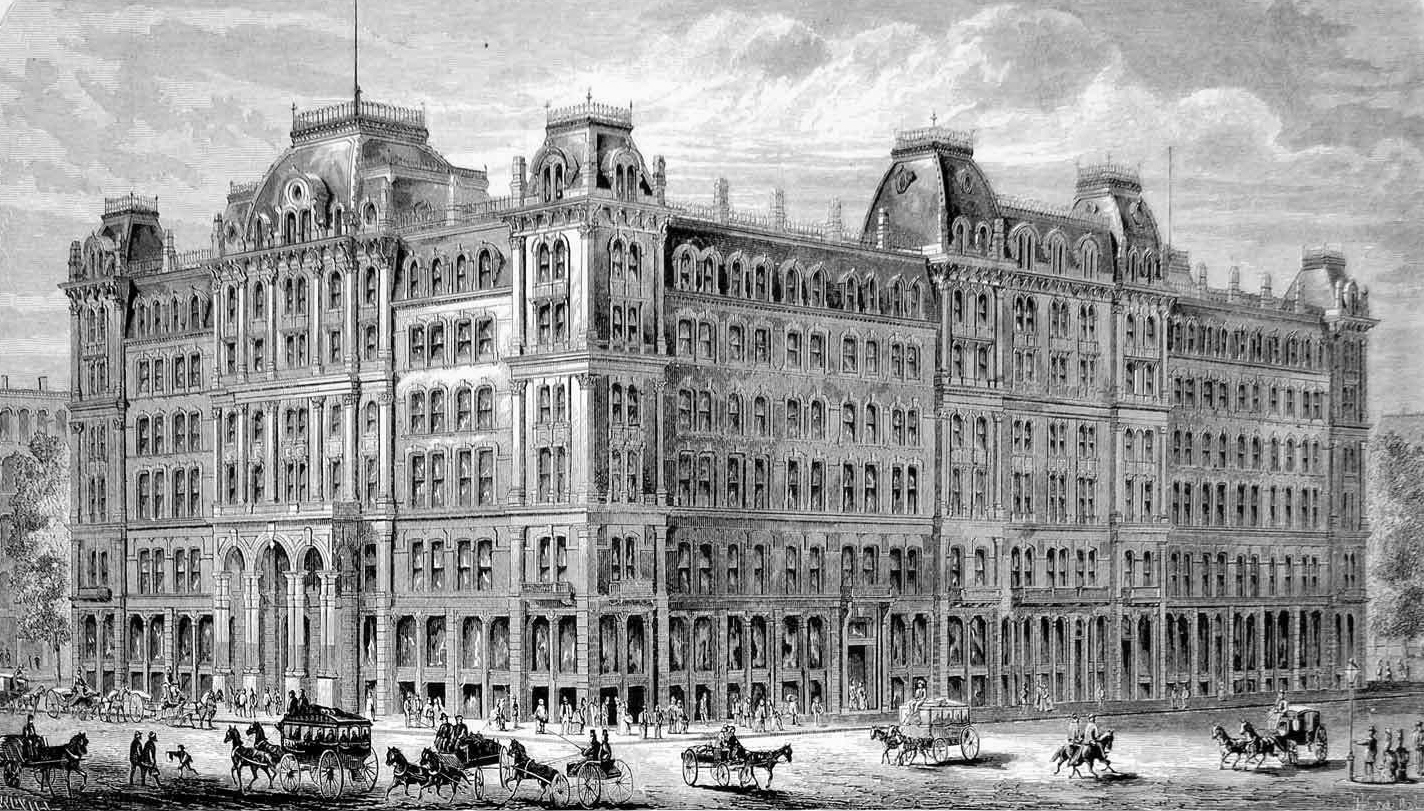
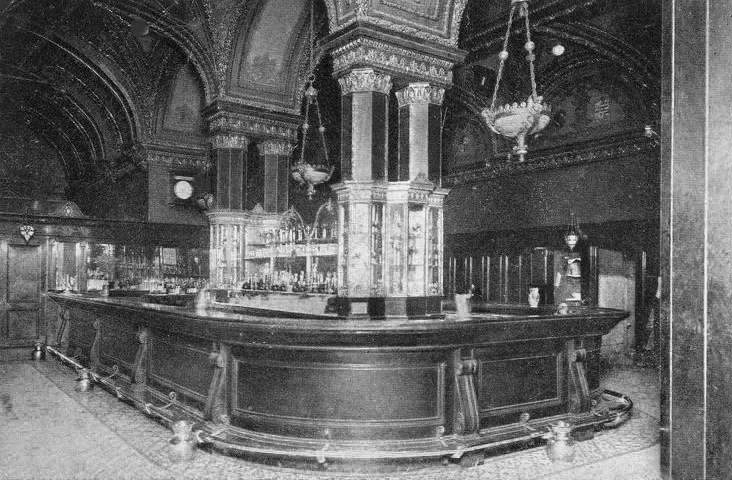
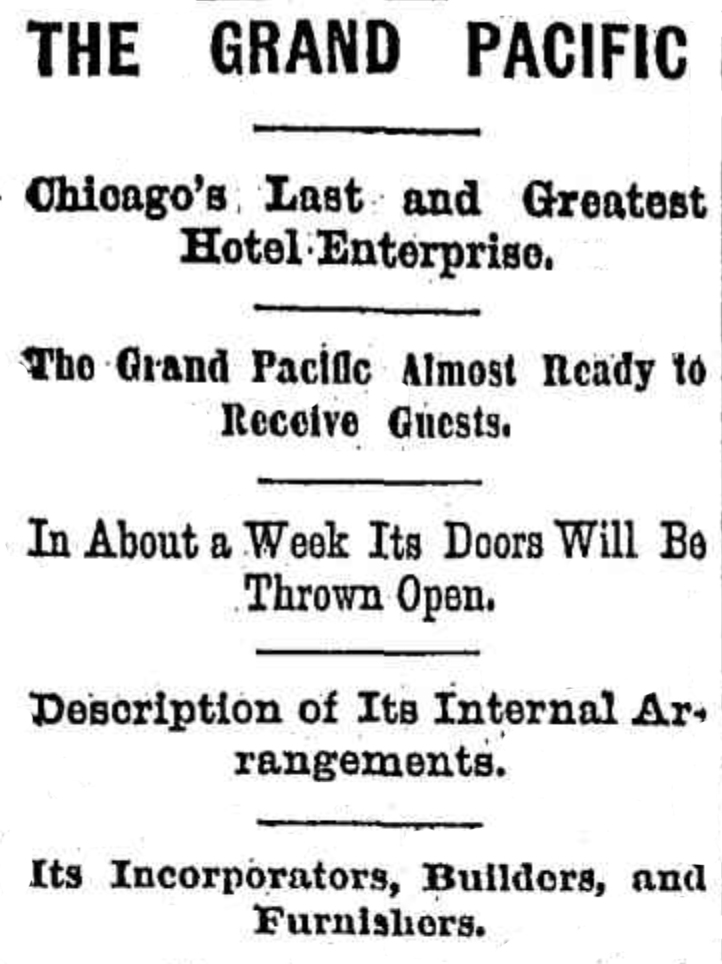 At last, after conquering all the elements of opposition, a great fire, and the dead weight of public incredulity as to the feasibility of the enterprise, the Grand Pacific has become an accomplished fact. And while over a week will elapse before it is thrown open to the public, yet it is not improper to anticipate a little, and to describe the hotel as it will be in a fortnight, so that those who expect to be in Chicago about that time may know where they best find food and shelter. Such a “coming event” as the opening of the Pacific may naturally cast a very decided shadow before.