Chicago Magazine, March, 1857
The author of Waubun, remarks as the naive saying of the Indians, “the first white man who settled here was a negro.” Point-au-Sable, a native of St. Domingo, from a life of wandering, made his advent here among the Indians in 1796, as a character of some consequence. He had made the Indians believe he had been a chief among the white men and probably expected some such honor among his new friends. He made some improvements, merely driving the pre-emption stakes of civilization,-when he left in disgust or discouragement, and ended his days with Clamorgan, at Peoria, a St. Domingo negro friend, who had obtained large Spanish grants of land about St. Louis. A Frenchman by the name of Le Mai took possession of Point-au-Sable’s improvements, and commenced trading with the Indians. Le Mai’s establishment, a few years after was purchased by John Kinzie, Esq., then an Indian trader in the St. Joseph country, Michigan, who came with his family to Chicago to reside, in 1804, the year in which the fort was built. John Kinzie was the first permanent white resident of Chicago, the first man to establish permanent trade, and improvements, and to leave the impress of his enterprise and the marks of civilization on the first things from which Chicago has sprung. For nearly twenty years he was with the exception of the military, the only white inhabitant of Northern Illinois. If any person is entitled to the honor of being styled the Father of Chicago, that person is unquestionably John Kinzie.
John Kinzie was born in Quebec, Lower Canada, in the year 1763. He was the only child of his mother by a second marriage. His father died when he was but an infant. His mother married for her third husband, a Mr. Forsyth, and removed with him and her young son, to New York city. John was educated at a school at Williamsburg, Long Island. While quite young he left his home, without the knowledge of his mother, and traveled alone to Quebec, to fulfill a long-formed determination of visiting his native place. Here he found a protector, and in his family a home for three years, before being discovered by his parents. On removing from New York to the West, by way of Quebec, they accidentally found their long lost child. He moved with them to Detroit, where he commenced at an early age his adventurous life as a pioneer in the West. His taste led him, as he grew older, to live much of his time on the frontier. He entered early into the Indian trade, and at first established trading posts at Sandusky and Maumee. About the year 1800, he had so far extended his operations, that he opened establishments in the St. Joseph’s country, the region bordering upon the river by that name, which empties into Lake Michigan from the east, nearly opposite Chicago. In this year he married Mrs. McKillip, the widow of a British officer, and this lady was the mother of John H. Kinzie, Esq., our present respected citizen. His place of residence in Michigan, was at Betrand, a trading post near Niles, which was known by the term, Parc aux Vaches. In the year 1804, when the first fort was built, he removed to Chicago, to make here his home, still prosecuting the Indian trade. He was also sutler to the fort.
Mr. Kinzie made the point at Chicago, the center of an extended system of trade with the Indians. He established posts at several distant points, which he sustained from the central one here, and from which he received large stocks of furs, contributing to the stores of the general depot, until shipped off by the vessels that came here semi annually for the purpose; and keeping up the supply of goods necessary for the trade. He had a station at Milwaukee among the Menominees; another at Rock River for the Winnebagoes, arother on the Illinois and Kankakee Rivers with the Pottawotamies, and other stations in the Sangamo country, then called Le Large, and on the head wa ters of the Kaskaskia, for the Kickapoos. Each of these stations bad its superinten-dent, and corps of operators called engages; and its trains of pack horses and equip ment of boats and canoes. And by means and conveyances like these, were the furs and peltries, which had accumulated at the several stations, brought to Chicago, and the goods necessary to the “balance of trade,” transported in return. Many goods were sent up the Illinois river, from as low as St Louis, gathered up from the Indians along the course of the Mississippi as well as the Illinois, and were taken across the portage between this latter river and the lake, by cattle teams. Chicago was thus made the depot of this carrying trade, which was the slow pace progress of the preceding gene-ration; the present generation proving its right to the claim of being a fast people by its rail cars running over the same track plodded by old John Kinzie’s cattle team, driven by Ouilemette and his successors, from 1804 to 1820. The lake trade was at the same time carried on by a small sail vessel, coming in the fall and spring, bringing the season’s supply of goods and stores for the fort, and taking away the accumulated stock of furs and peltries. Such was the character and extent of the first regular business established in Chicago. At the head of this trade was John Kinzie, senior. He, without interruption, and with few incidents to change its routine, pursued his line of business from 1804, till the breaking out of hostilities with the Indians, which resulted in the massacre of 1812. By his uniformly consistent, kind and straightforward course with the Indians, he gained their confidence, and bound himself to them in strong ties of friendship, to which he was indebted for the preservation of himself and family, from the horrid fate of his white neighbors of the fort, at the time of the massacre. After the close of the war, he returned again to Chicago, and re-opened the trade with the Indians. Here he continued to reside till his death in 1828.
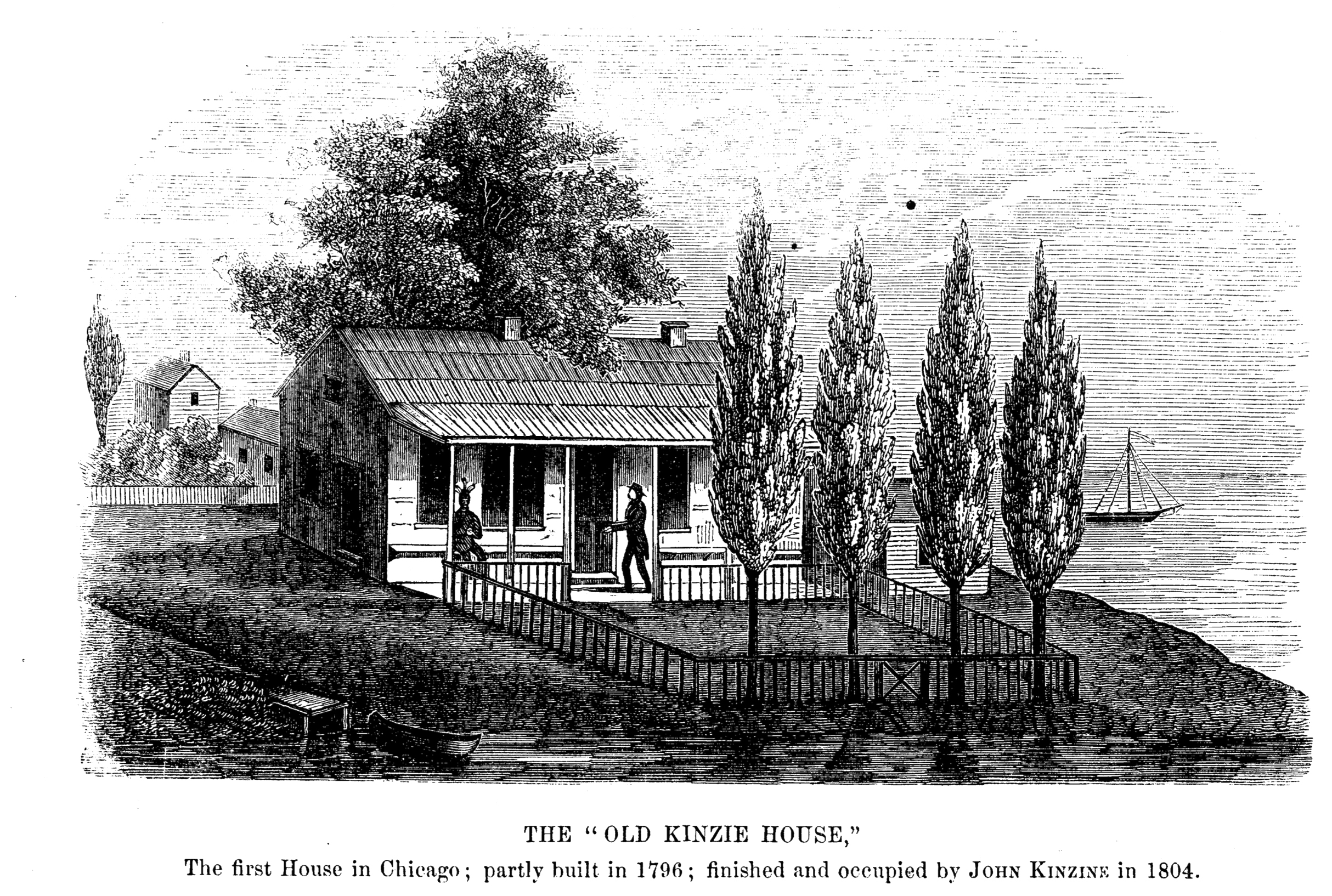
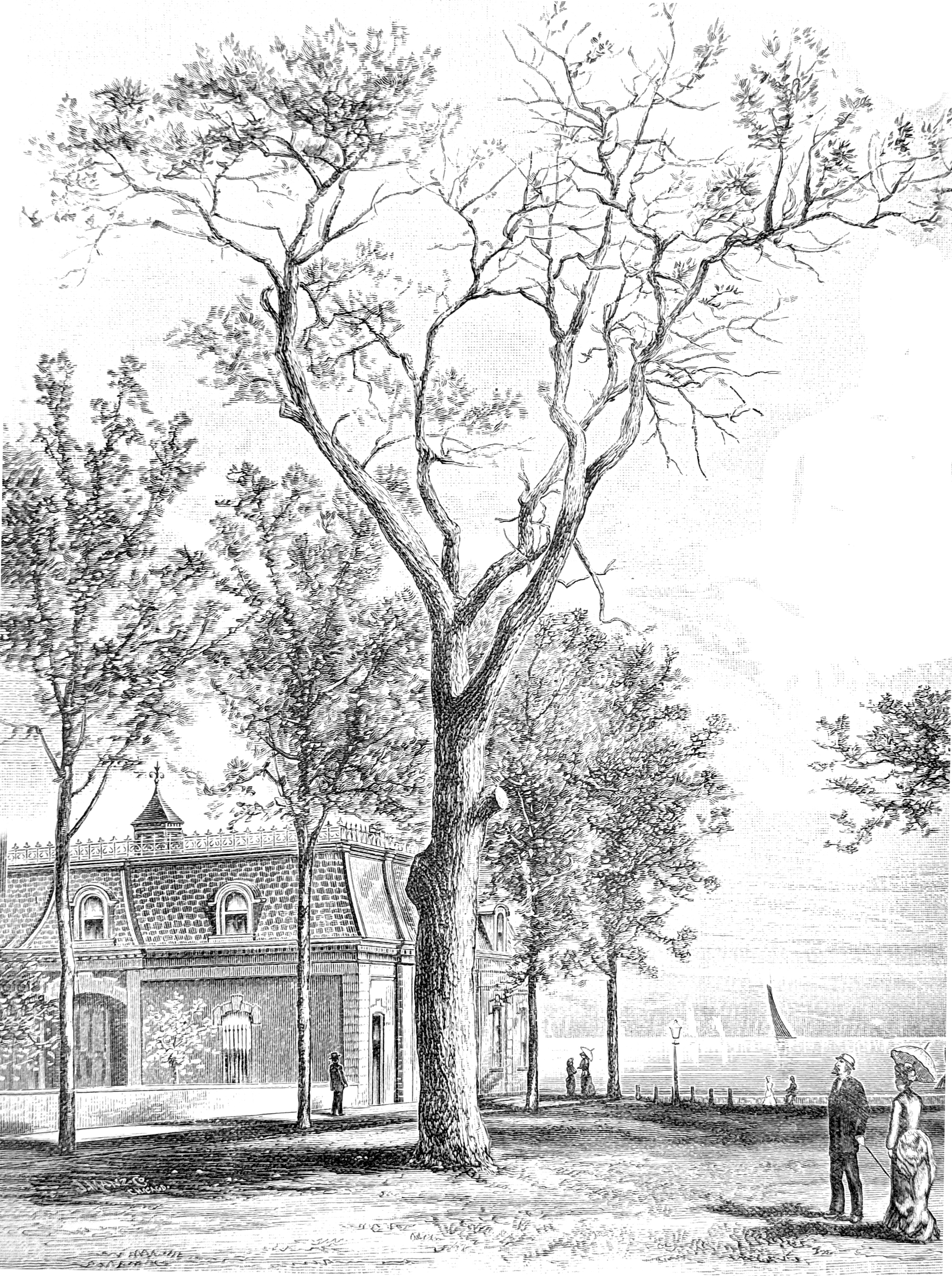
Mr. Kinzie’s residence was the first house built in Chicago. A part of it was the same rude structure put up by the so called first white man, the negro Jean Baptiste Point-au-Sable, about the year 1796. It was enlarged and improved by Le Mai (Jean Le Lalime), of whom Mr. Kinzie purchased, who further improved it, internally and externally, until he made it a respectable family mansion. It stood on the north side of the river, fronting the fort. Between this house and the fort, there was kept up a foot ferry, and a little boat swung in the stream awaiting the pleasure of any passenger. A foot path on each side, from the gate of the fort, or the door of the mansion, to the platforms at the water edge, from which the passenger stepped into the boat, marked the course of travel from one side to the other. This ferry occupied nearly the same crossing as the iron bridge structure now in process of erection, in the place of the Lake House Ferry. Mrs. Kinzie describes the house as a long low building, with a piazza extending along its front, a range of four or five rooms. A broad green space was inclosed between it and the river, and shaded by a row of Lombardy poplars. Two large cotton wood trees stood in the rear, one of which still remains, though seared and dry, as it died last year, a perishing land-mark of the early days. A well cultivated garden extended to the north, at the rear of the dwelling. Surrounding this “first house,” were a variety of out buildings, such as the primitive wants, and the condition of the family required, as dairy, bake-house, stables, and lodging rooms for the Frenchmen and attaches of the trading post. North of the homestead and along the lake shore, which then was sonsiderably inland of the present shore, was a low range of sand-hills, sprin kled over with stunted cedars, pines, and dwarf-willows. This was the boyhood home of John H. Kinzie. Here he resided to the age of eight years, when the family home was broken up by the Indians, at the time of the destruction of the fort. This scenery of his early life, is now impressed upon his mind in a vivid living picture. In the language uttered by him in casual conversation upon those early times of Chicago and his own life—every feature of the old home is distinct in his recollection. The Lombardy poplars which perished long ago, and the cotton woods which were but saplings, and trees planted by his own hands, which have stood until the more recent days as mementoes of the past—the rough hewn logs which formed the walls of his home, the garden and its shrubbery, the fence paling that surrounded it, and the green lawn at the front of the house gently descending to the water of the river—the tiny boat floating idly at the foot of the walk—and as the crowning mark of this picture, stood upon the opposite shore, upon the highest part of the elevation, the old fort, the whitewashed walls of the block houses, the barracks and the palisades, glistening in the bright sun; while a gentle slope of fine green grass extended from the enclosure to the very water brink. It was a beautiful sight. Over all this rose the few pulsations of human progress as seen in an occasional stray Indian with his canoe, or pony, and pack of furs; a French Canadian loitering here and there; a soldier pacing his rounds about the fort, or idly strolling over the prairies, or hunting in the woods. There was a deep repose in all this scenery, a quietness, which it was impossible to conceive could have been super-ceded within half a century by one of the busiest cities in the national Union.
Chicago Tribune, August 26, 1954
 An historical document will be received a 11 a.m. today by County Recorder Joseph F. Ropa as the 16 millionth document to be filed in his office since, the current numbering system was started in 1874. The previous numbering system was destroyed in the great fire of 1871.
Alexander F. Beaubien of Waukegan, a great grandson of Mark Beaubien, one of Chicago’s earliest residents, will present the document to Ropa. Number 16,000,000 has been reserved for this document.
It was executed by Jean Baptiste Pointe Du Sable for the sale of property to Jean Lalime and was dated at “Chicagou” May 7, 1800.
Filed in Detroit
The property included a frame building and its furnishings, nine smaller structures, live stock, and numerous farm implements. The copy of the sale is certified from the records of the register of deeds in Detroit, where the sale was recorded Sept. 18, 1800. At that time Detroit was the seat of the territory which included Chicago.
The Du Sable transaction was recorded in the French language and Ropa had the Berlitz School of Languages make an English translation to be attached to the document.
Property involved in the sale was on the north bank of the Chicago river, facing Fort Dearborn at what is now Michigan av. The property included the land now owned by The Tribune east of Michigan av. on the north bank.
Bought later by Kinzie
John Kinzie Sr. was one of the witnesses to the sale and purchased the property a few years later from Jean Lalime.
After the sale, the main structure became known as the “Kinzie mansion” and was the temporary residence of many noted guests, including Capt. John Whistler, designer and builder of the first Fort Dearborn.
Filing of the document will officially fill the missing link in the long history of the property, Ropa said.
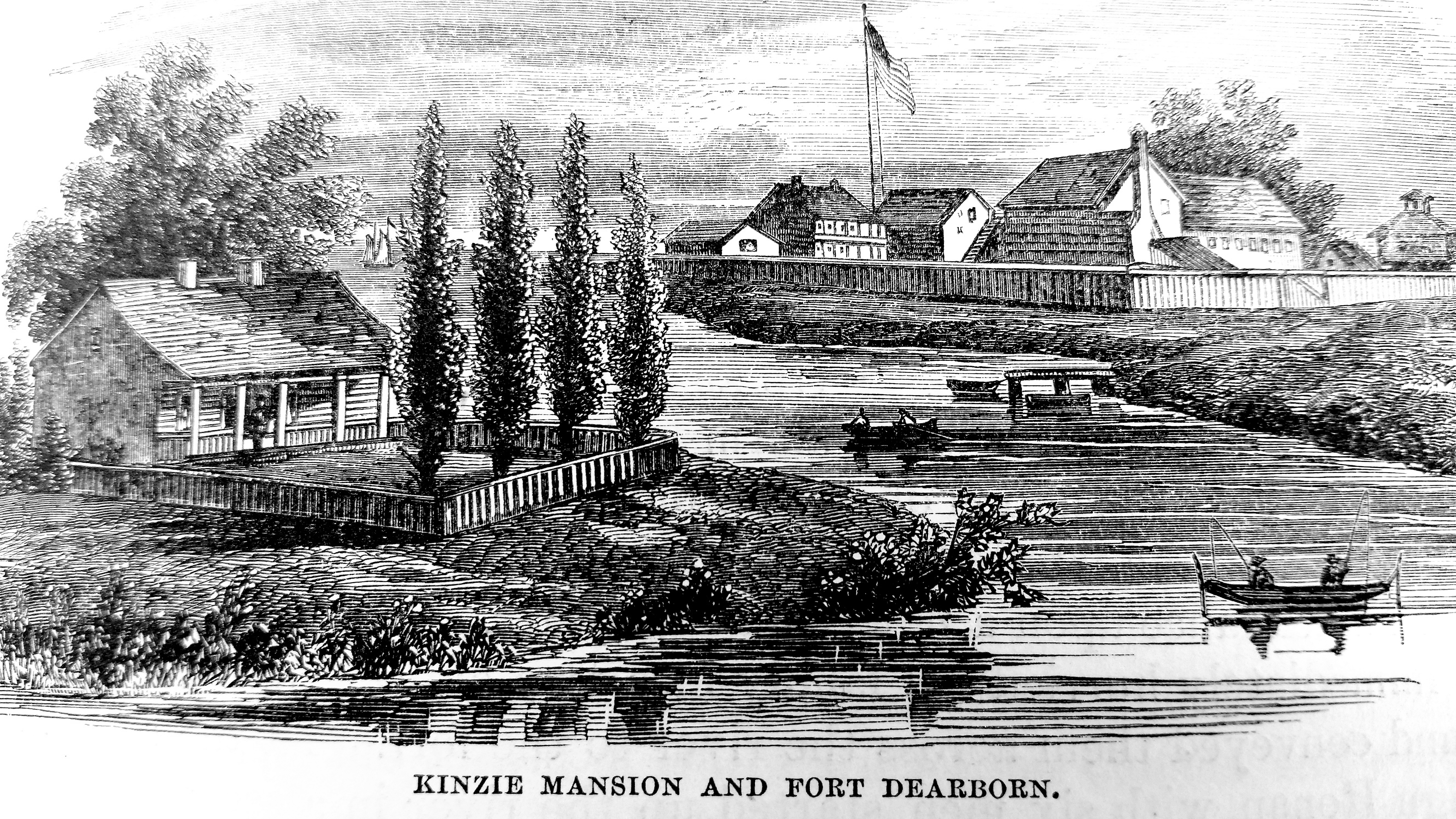
- In 1800 Point du Sable sold his farm to John Kinzie’s frontman, Jean Le Lalime, for 6,000 livres. The bill of sale, which was rediscovered in 1913 in an archive in Detroit, detailed all of the property Point du Sable owned, as well as many of his personal effects. This included a house, two barns, a horse-drawn mill, a bakehouse, a poultry house, a dairy, and a smokehouse. The house was a 22-by-40-foot log cabin filled with fine furniture and paintings.
 Early yesterday morning a crowd of people collected on Eighteenth street, near the residence of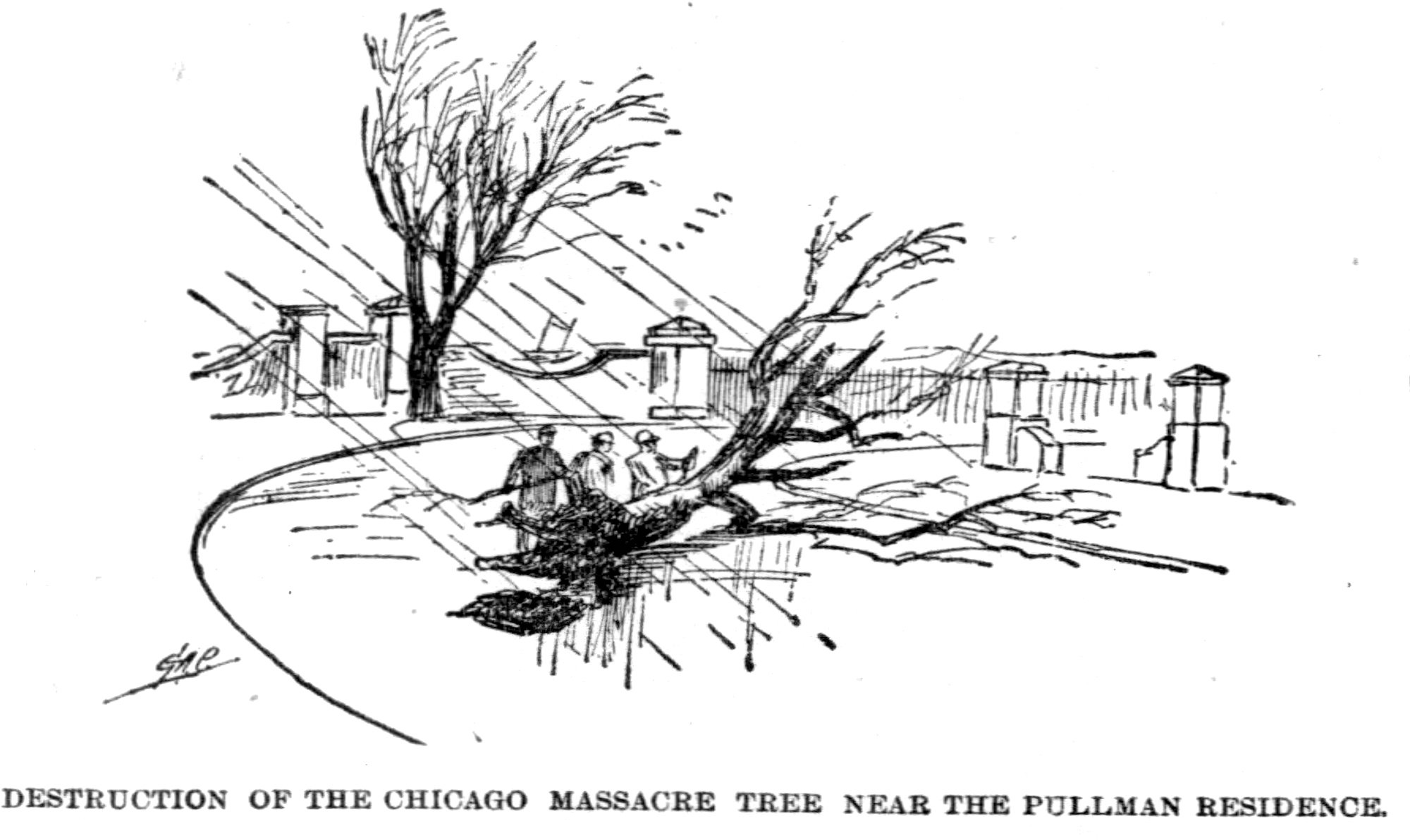



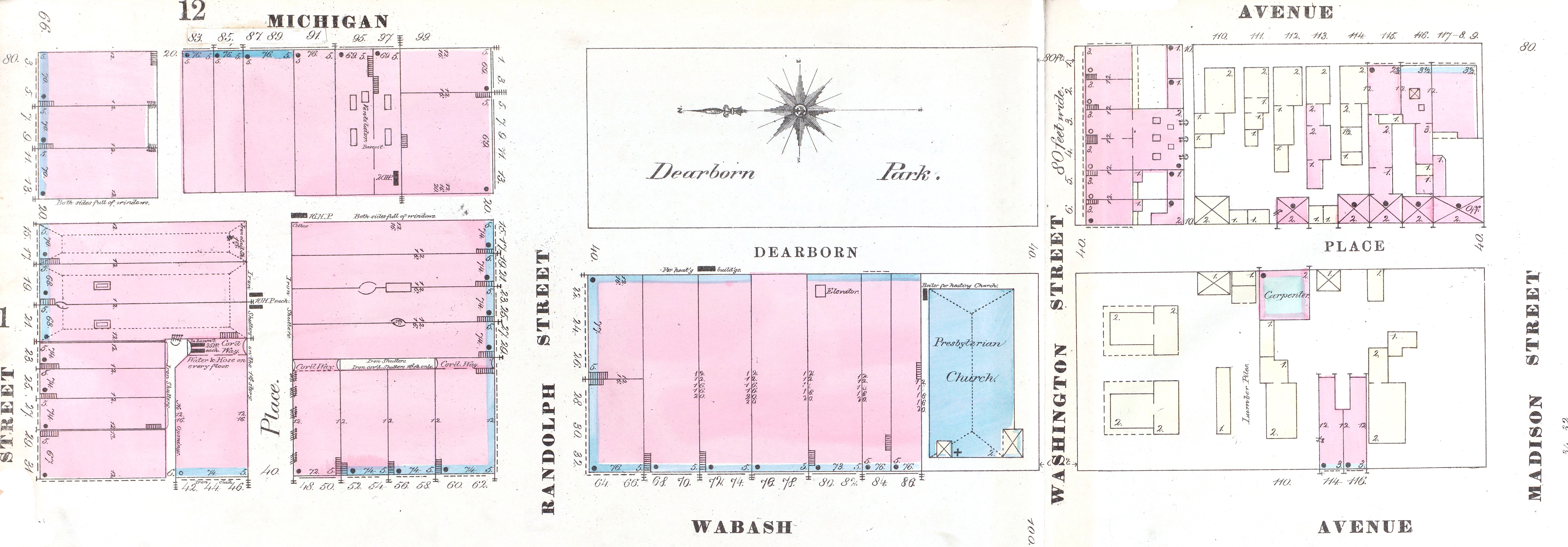
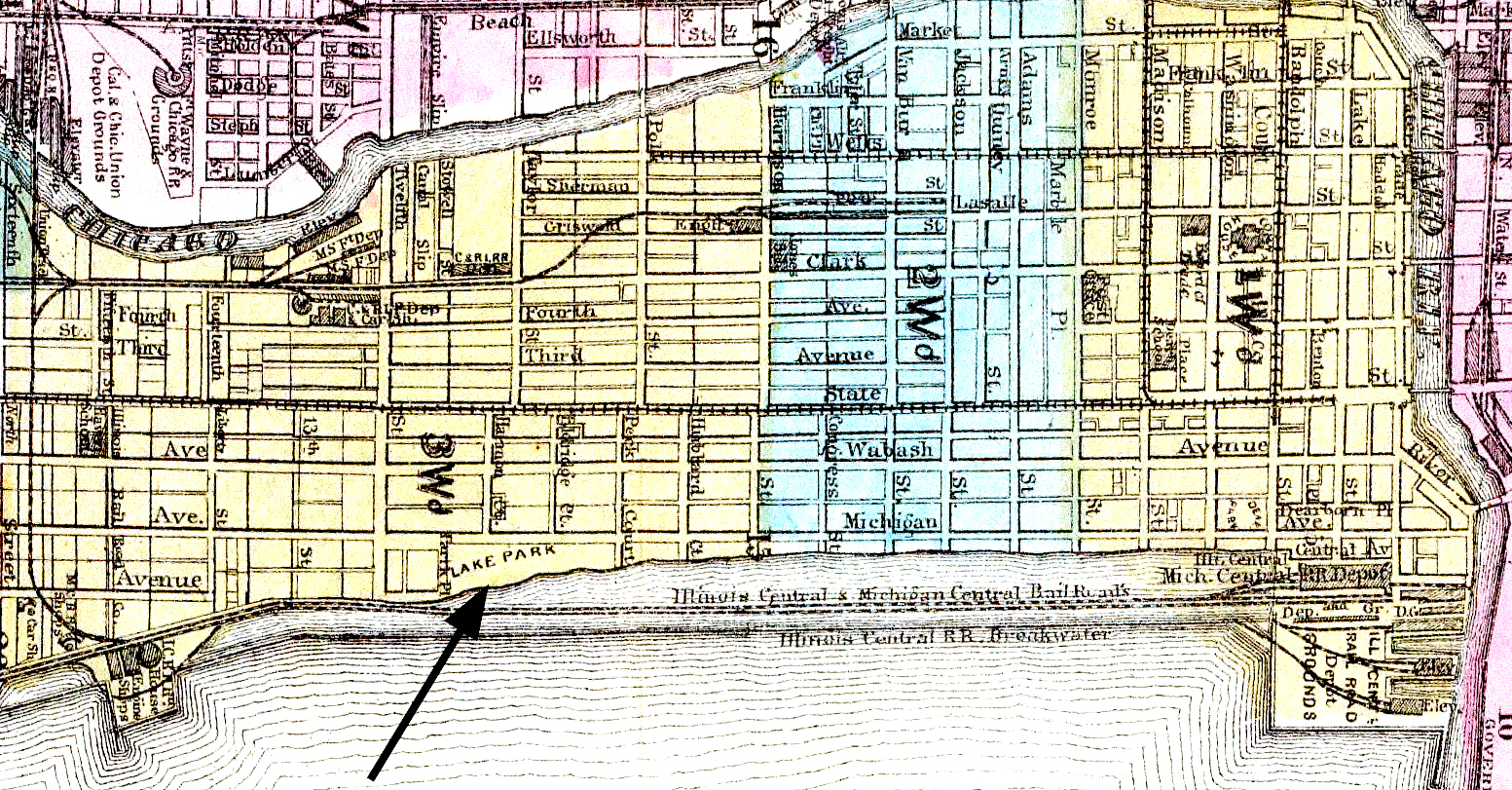
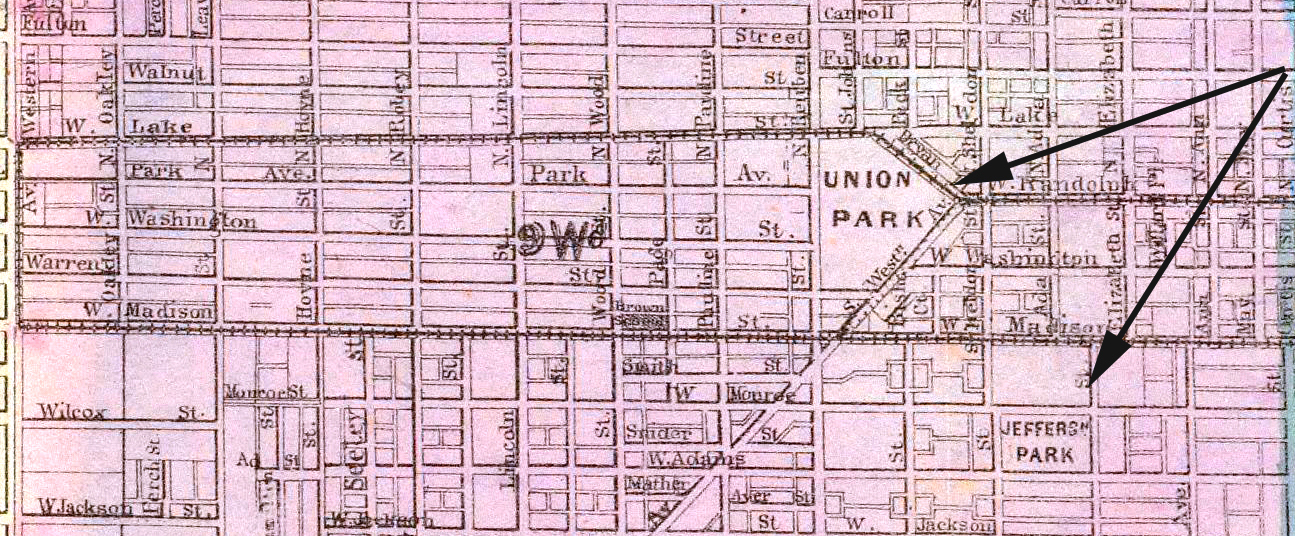

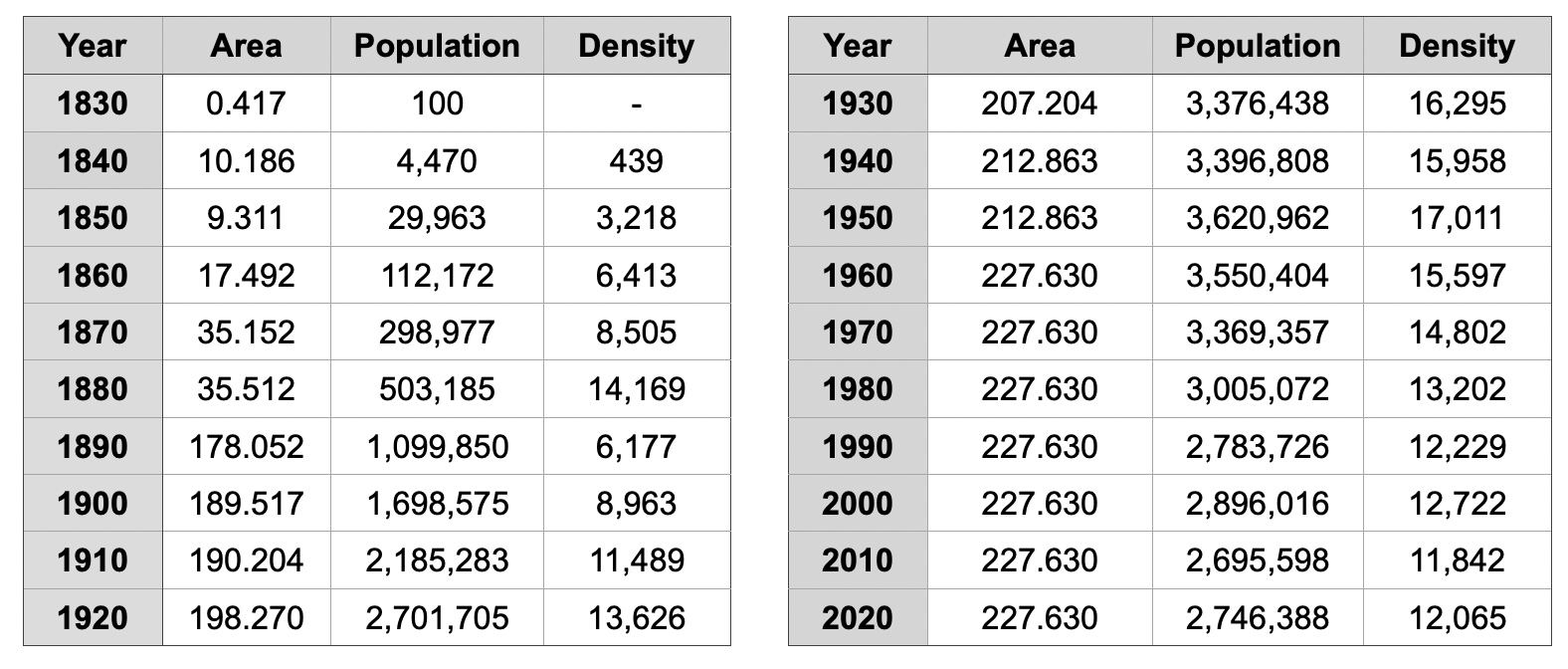
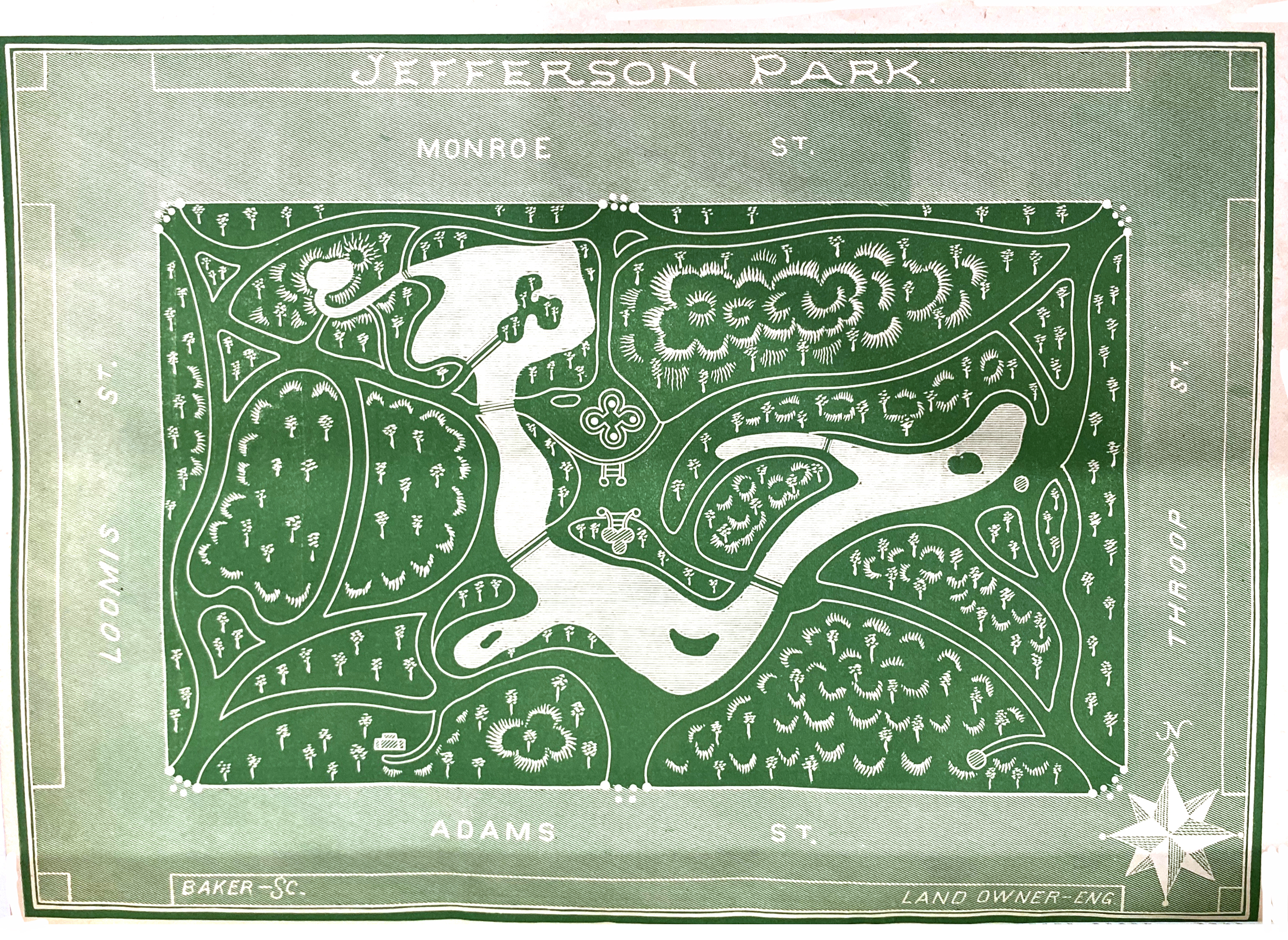
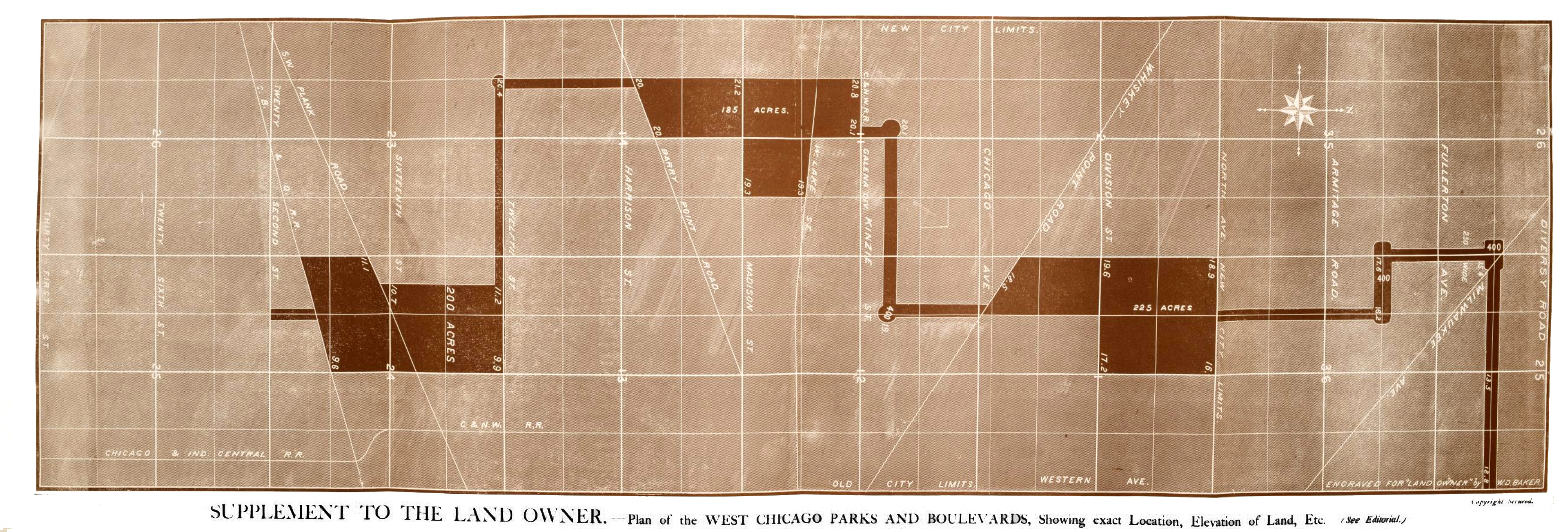
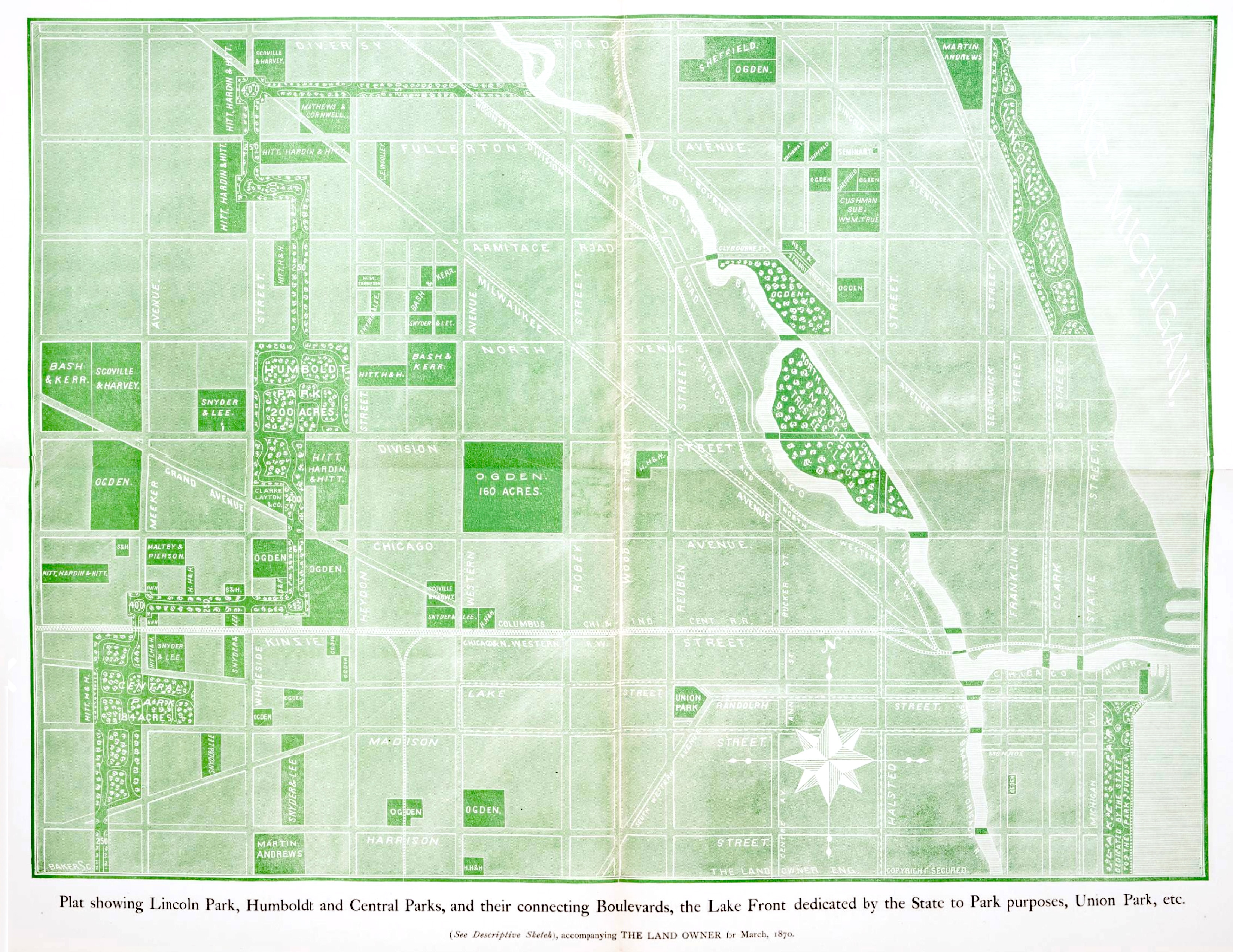
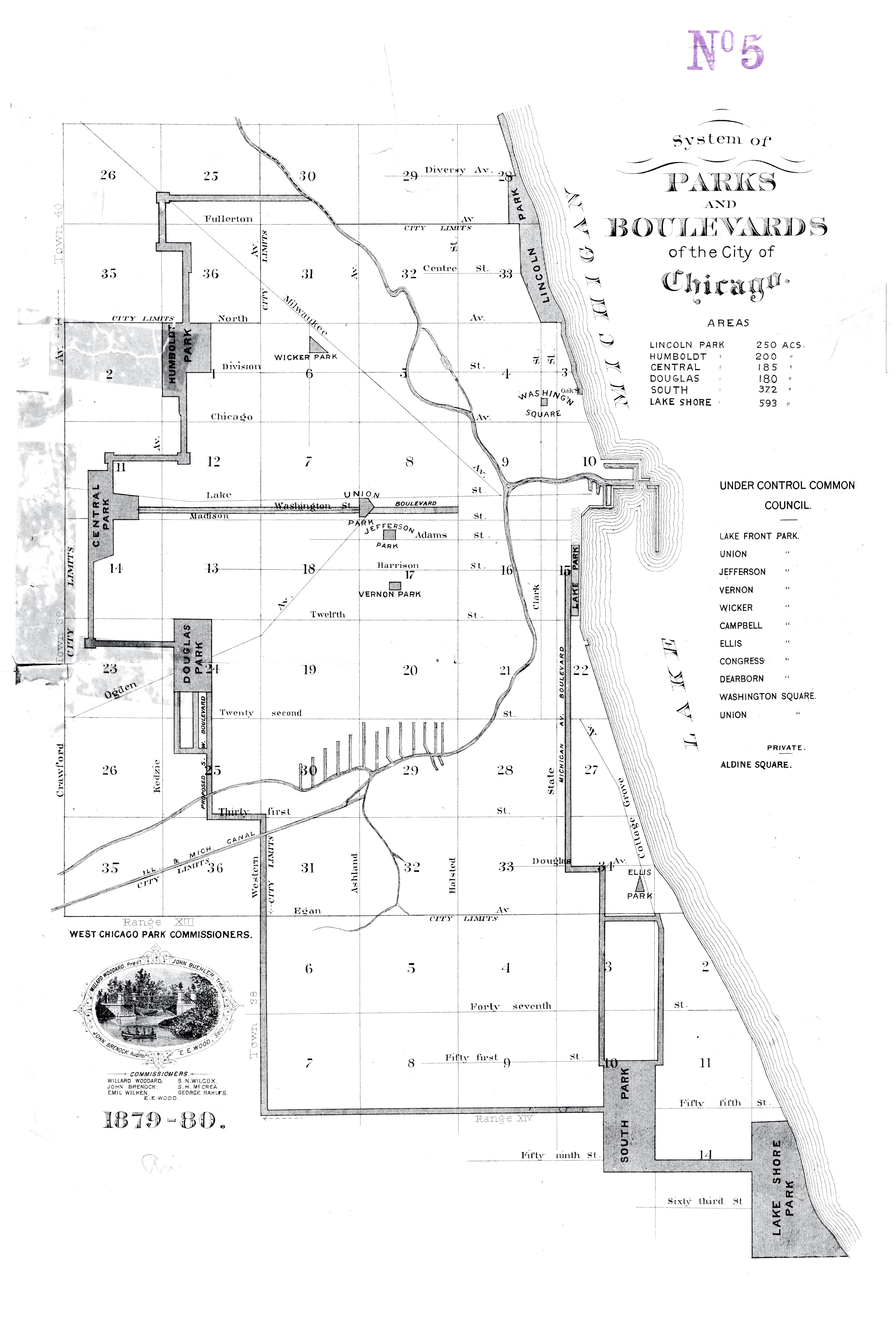
 Among the many objects which are now receiving from the public that attention which the heat and excitement of a hotly-contested election has not recently allowed to be given them, is that of the creation of the great public park, which the best interests of the city demand, and which, though discussed for so long a time, has not yet been secured. Not only is this question receiving much consideration among the people, but it is more than probable that at the next session of the Legislature bills will be introduced providing, in one way or another, for the creation of parks and boulevards. In view of this, and as the public sentiment seems to be in favor of the establiahment of something of the kind, we have prepared a brief statement of the size and condition of the parks now existing, as well as of the location and dimensions of those which it is proposed to lay out, so far as we have been able to ascertain anything concerning them.


 For the fifteenth time Richard Edwards, historian and statistician for Chicago, has issued his annual report of the progress of the city,— a publication which flatters us all, and is acceptable to us all, since there we find that niche and that possibility of immortality which is denied us in the cyclopedias, the Lives of Great Men, and even in the papers. Therefore, the greater the disgust a man feels when he finds that he has been wrongly labelled, that his house number is incorrectly given, and that he will go down to the limitless future as having lived at No. 248 Smith street, instead of No. 258. It is like an incorrect epitaph on a tomb-stone. But there are a few such inaccuracies that, like moles upon a woman’s face, they really are a most serviceable foil.


 The Chicago Directory for 1873, compiled by Richard Edwards, will be ready for delivery in a few days. In the meanwhile, we have been furnished by the publisher with proofs of the preface to his work, and are thus enabled to lay before the public the valuable information relative to the population and growth of this city, which has been worked up and tabulated by Mr. Edwards. His constant comparisons with St. Louis are owing to the fact that Mr. Edwards has been personally attacked by the press of that city, and the accuracy of his work steadily denied.


 The Inter-Ocean has received from Messrs. Donnelley, Loyd & Co. advance sheets of the prefatory address to the patrons of the new city directory from which we excerpt the following statistics:


 Messrs. Donnelley, Loyd & Co. have just completed the Lakeside Annual Directory for 1877-78, and the books will be ready for delivery Monday. The publishers in their preface state that two important changes have been made in the general plan of the work,—the first, a continuation of their former policy; the second originating with their present volume. In the first place, they are compelled to adopt a more condensed style of giving the names and addresses. They have also cut down the floaters,—persons holding a residence of only a few weeks or months, such as those brought here by the opening of navigation, etc. In the next place it is stated that in large Eastern cities it is the custom to exclude such names as give only a business address, or place where employed without residence or boarding-place,—such as “John Manny, car-driver, Chicago City Railway.” This information is usually obtained from pay-roils of large establishments, and is the main source of names without addresses that appear in a directory. In all cases, however, where there are valid reasons for not giving the residence, or where persons are traveling and have a permanent business location instead of being merely temporarily employed by others, such information as can be had is always given. It is found useless to give the names of persons belonging to transitory trades, as for instance waiters in hotels and restaurants. The fact that the Chicago directory, notwithstanding this severe pruning, contains some 39,000 more names than the St. Louis one, which indicates the Chicago publishers reject, seems to seems to occasion no little vexation to the neighboring city. The St. Louis newspapers are filled with startling statements of that city, but give no figures. The Chicago publishers, more honest in their way of doing business, append a tabular statement of the actual number of names recorded in the directories of each city for the present year, and a table of the number of persons and firms engaged in the more prominent branches of business.