Chicago Illustrated, February 1866
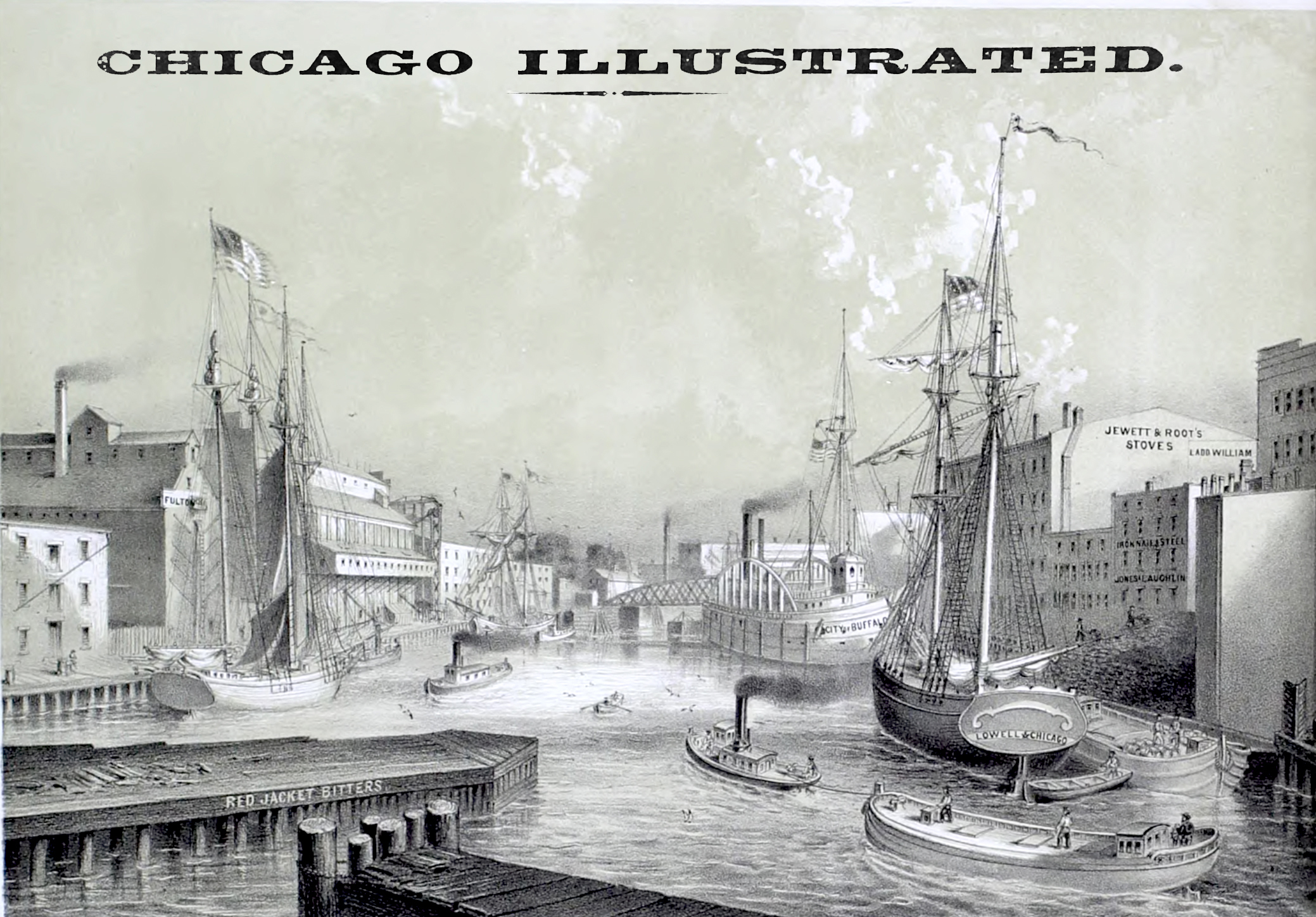
RUSH STREET BRIDGE, is but one of a series of views intended to give a fair, general representation of the river and harbor of Chicago. The sketch is taken from the new bridge at State street, and looks eastwardly to Rush-street bridge. There was no bridge upon the river east of Clark street until 1857. Previous to that time the only means of crossing was by a rope ferry at the point where now stands Rush-street bridge. In the fall of 1856 this ferry boat, while crowded with passengers, was run down by a passing tug, and some some six or eight lives were lost, and then steps were taken to erect a bridge at that place.
The undertaking was a large one for the time. The river was somewhat strengthened—or perhaps it should be said that the bend in the river was made less abrupt—by widening it on the side. Near the south end of the bridge there stood the inner light-jouse, which was then discontinued. Old Fort Dearborn, from which Chicago took the name it bore for many years, was situated near the south end of this bridge, and was torn down about the time the bridge was built.
The bridge built upon this site, in 1857, was an iron bridge of handsome construction, and cost, including the mason work of the central pier, and of the adjustments and approached, fifty-ywo thousand dollars. It was built by Harper and Tweedale, and was considered a model of strength and durability. The bridge was two hundred and nine feet long and thirty-three feet wide, turning upon a pivot in the water. The approaches measured. south forty feet, north seventy feet. In November, 1863, while a small vessel approaching, a herd of cattle was driven upon the bridge. The driver, unable to understand the remonstrances of the bridge-tender, or unable to control the movements of the cattle, disregarded the signal, and did not check the animals. The bridge was swung, to avoid a collision with the vessel; and when it got clear of the supports, the great weight of the cattle on one end caused it to slip from its central balance, and it then broke and fell into the river, a shapeless mass of broken and twisted iron. Though several persons were on the bridge at the time, no serious injury was sustained. A large number of cattle was drowned, and others were killed beneath the fragments of the broken bridge.
The new structure, which is represented in this view, is of the same dimensions as the original bridge, but is built of wood. Fox and Howard, of Chicago, erected it in 1864, for the city, at a cost of ten thousand dollars.
On the left of the picture is the elevator of the Galena and Chicago Union Railroad, now one of the Northwestern Railway Company, and on the right is seen Jewett and Root’s stove warehouse. It will be seen that Bennet Pieters and Company had, at the time the sketch was taken, sole occupancy of the fenders of the new bridge, in advertising their famous Red Jacket Bitters.
James W. Sheehan, Esq.,
February 1866
 “What on earth is that?” This is the astonished inquiry that every passenger on the Illinois Central, the “L,” and the steamboat lines on the lake makes as soon as he gets his first sight of the Ferris Wheel. And he asks it afar off, for the wheel is the landmark of the Fair.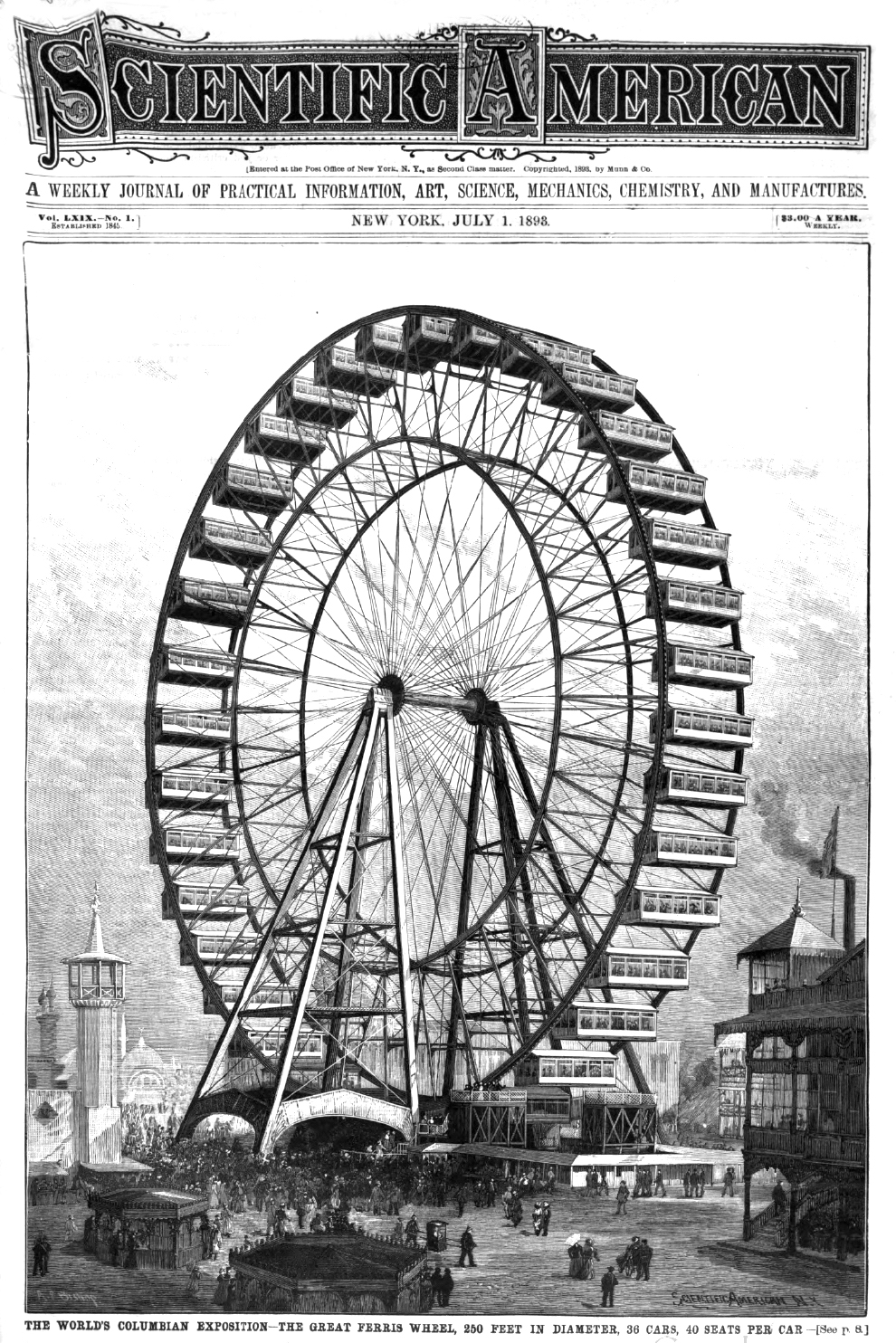
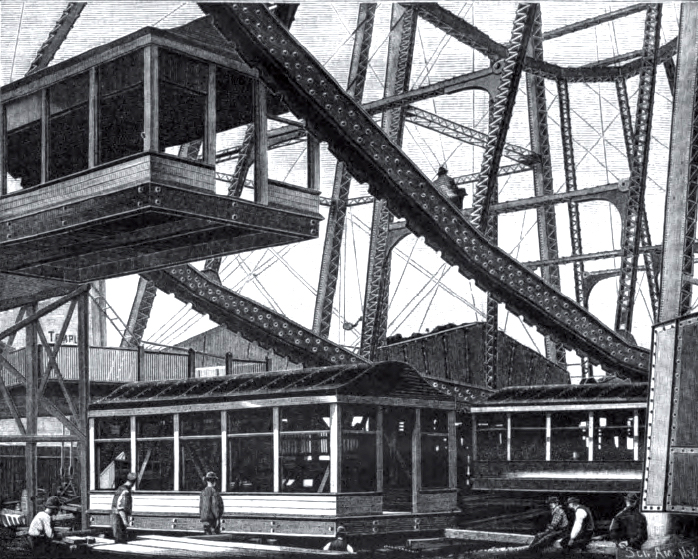
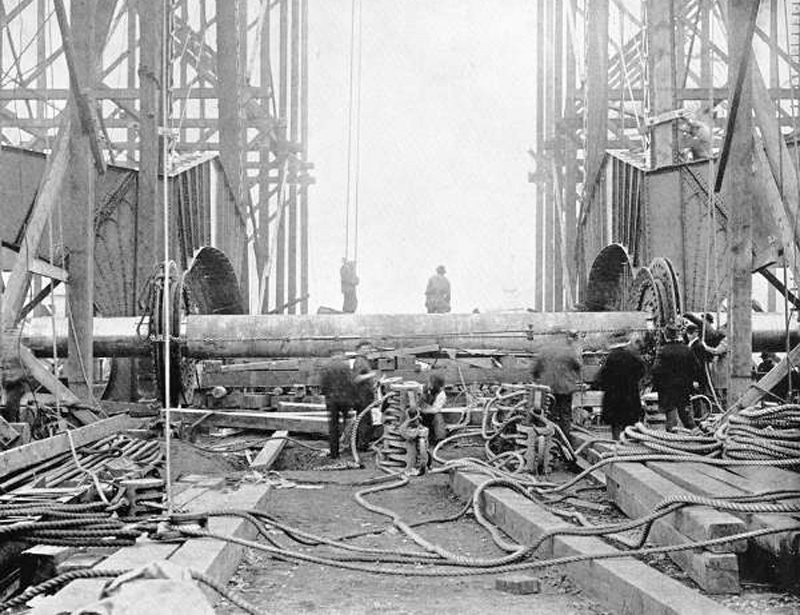
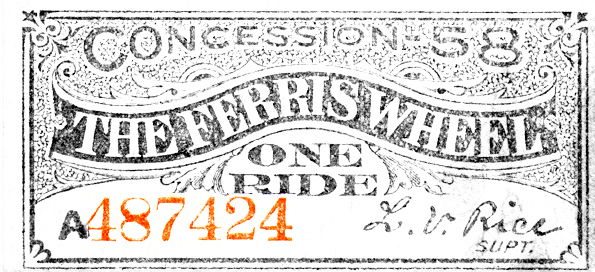
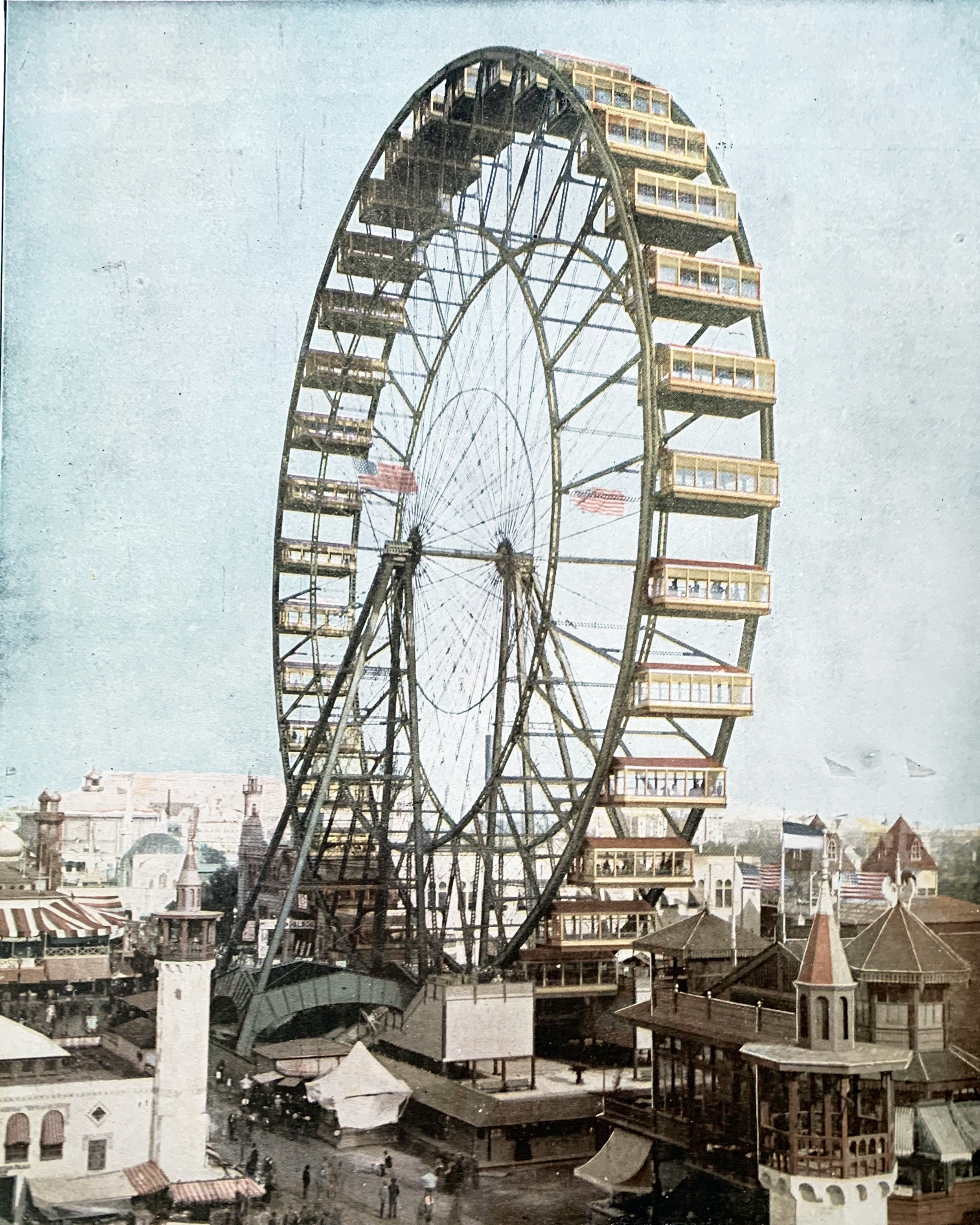
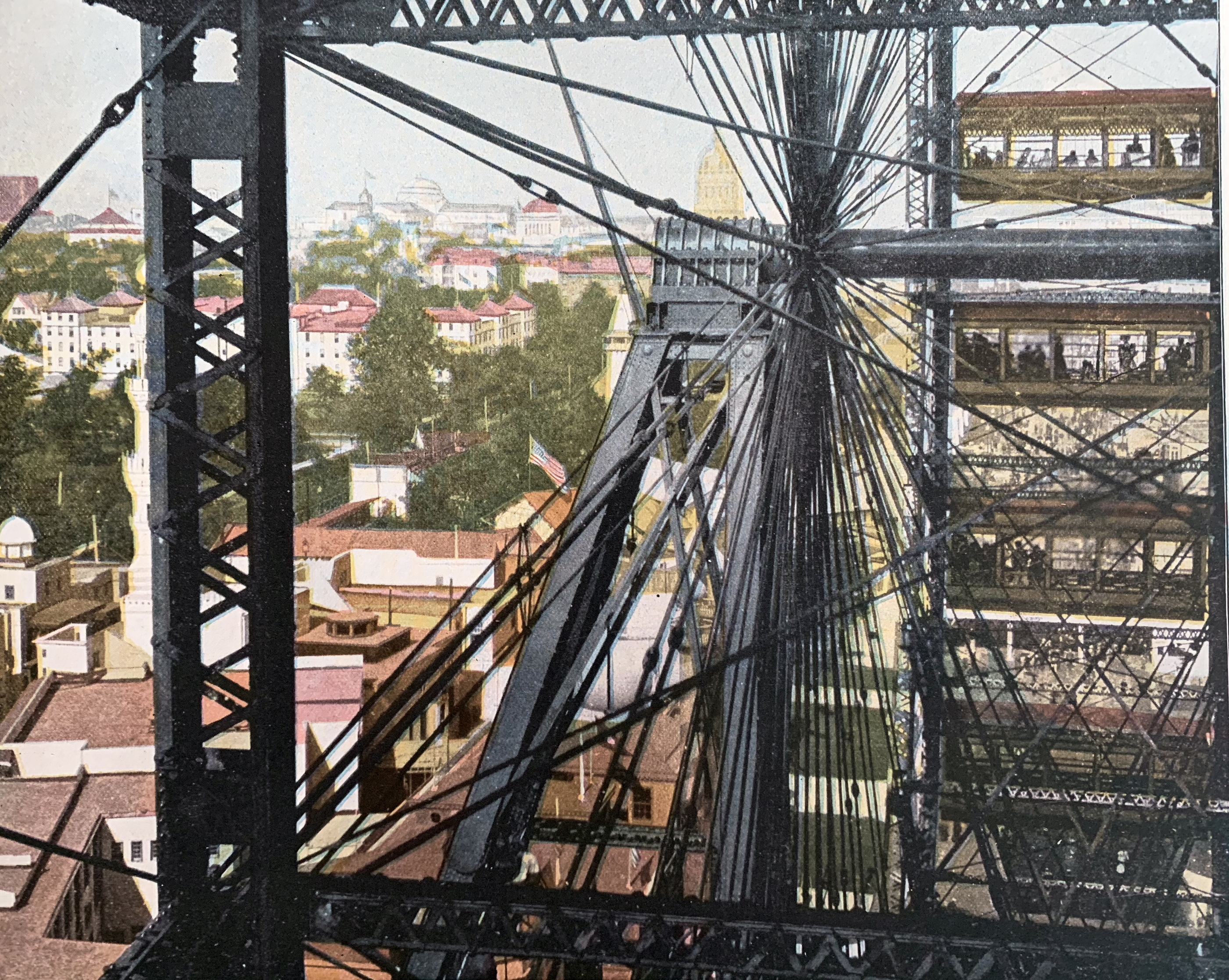
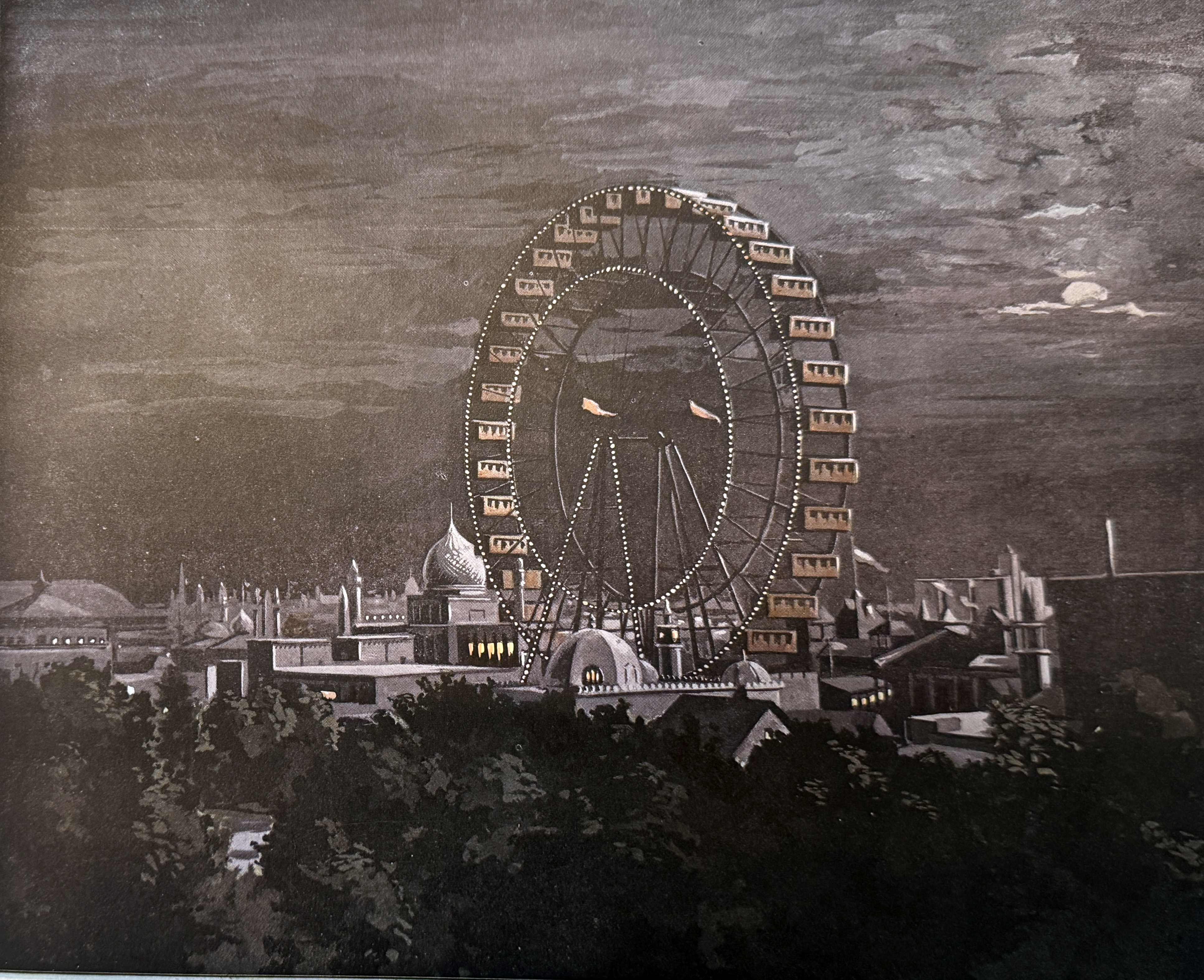
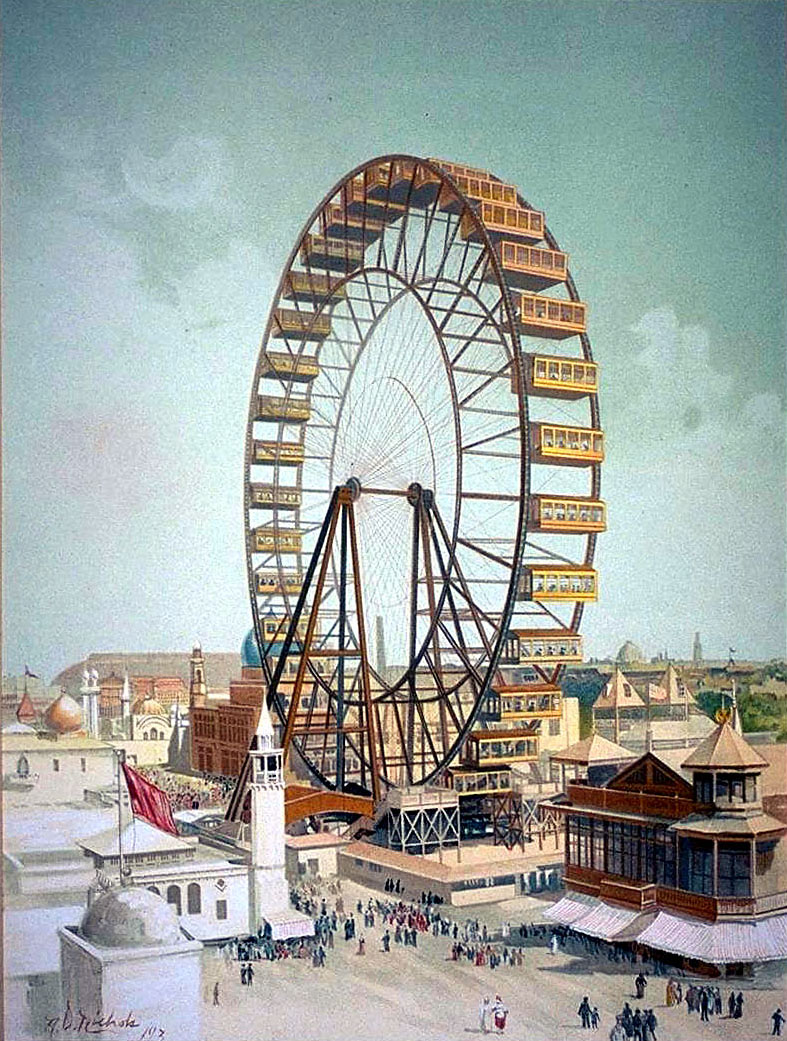
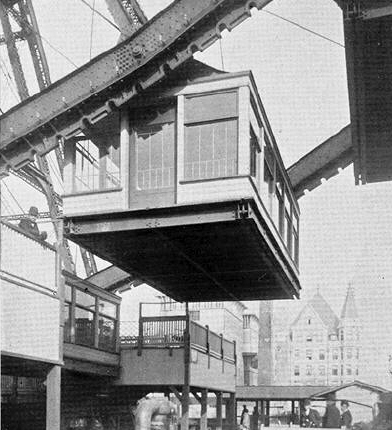
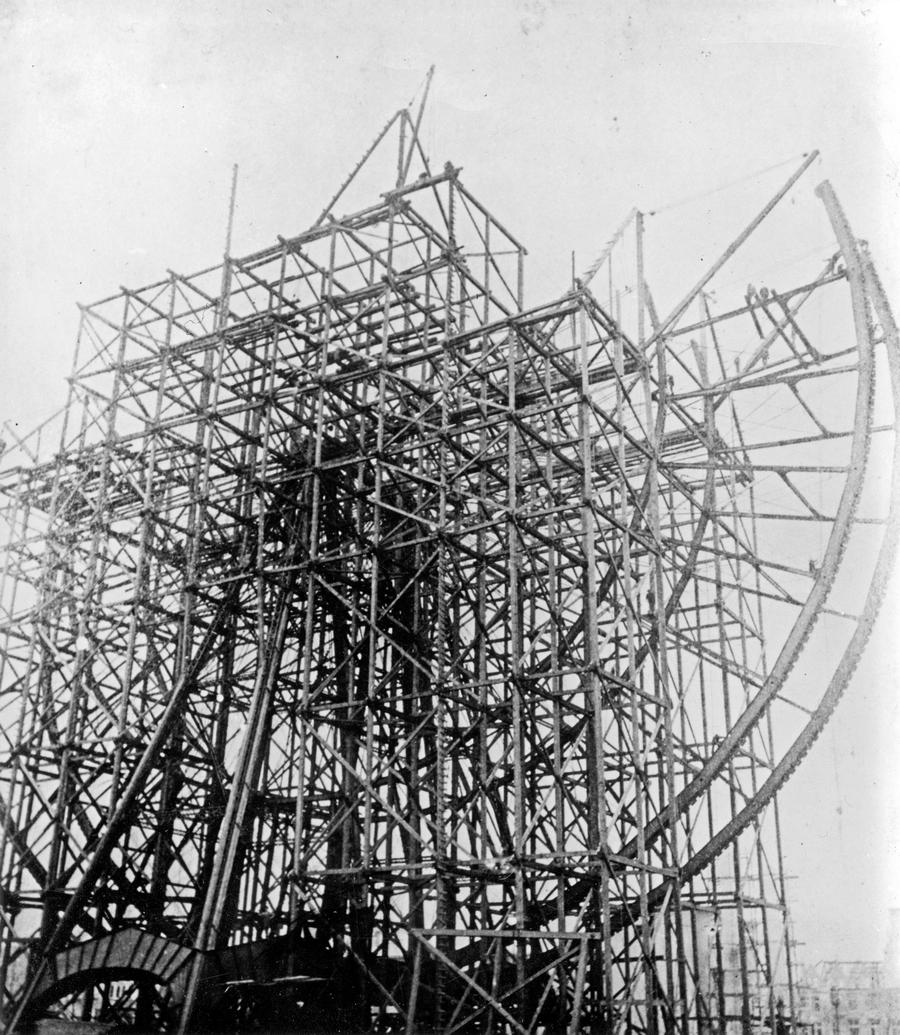
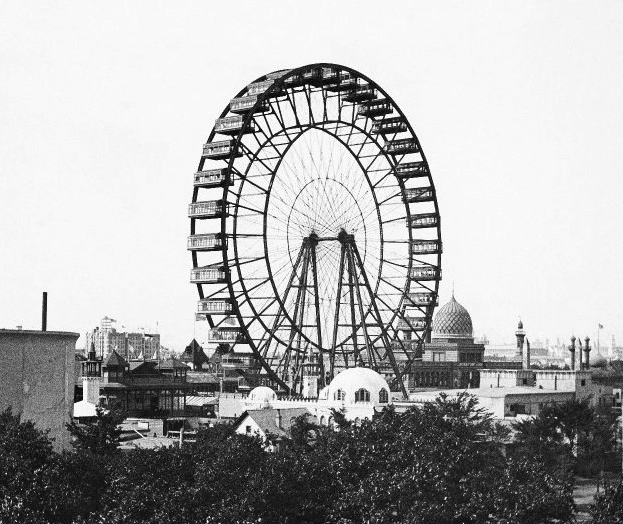
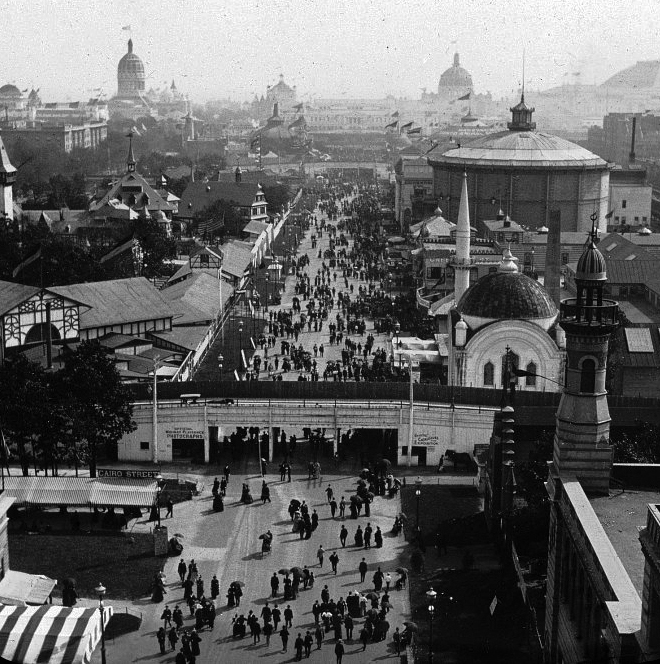
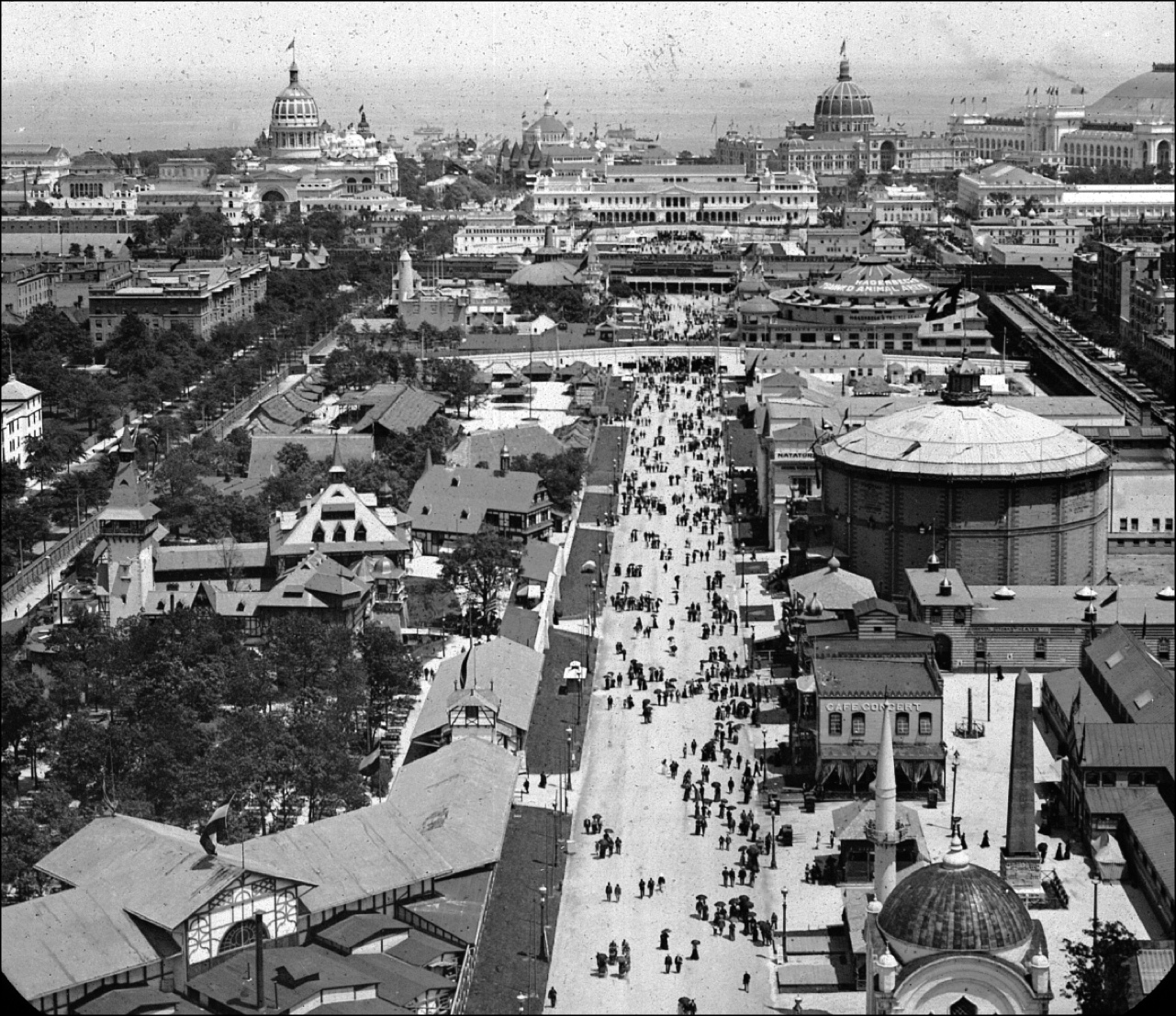
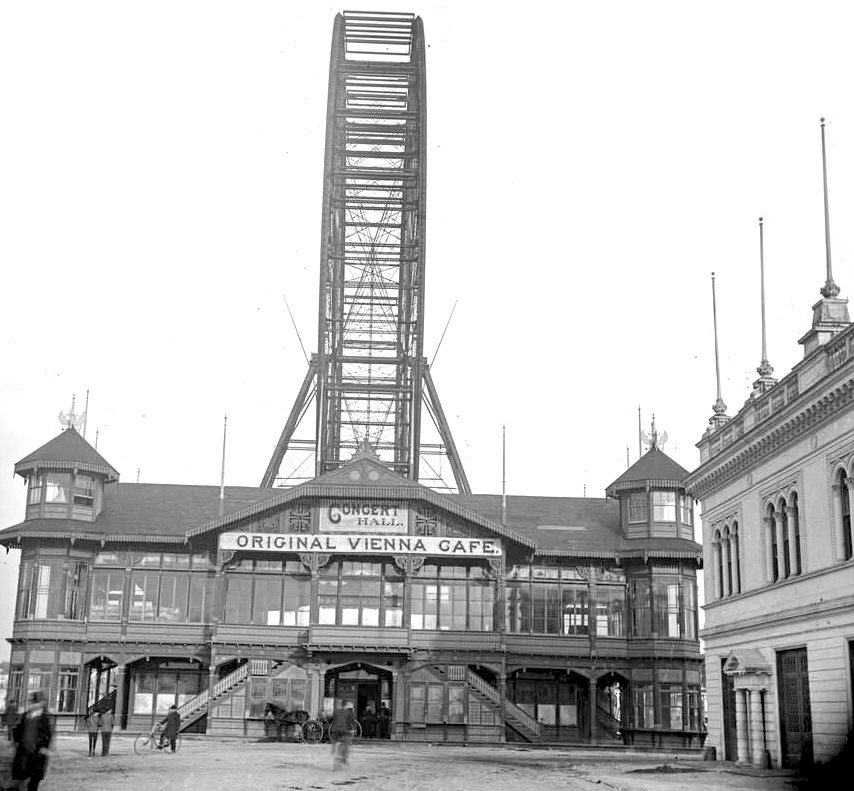
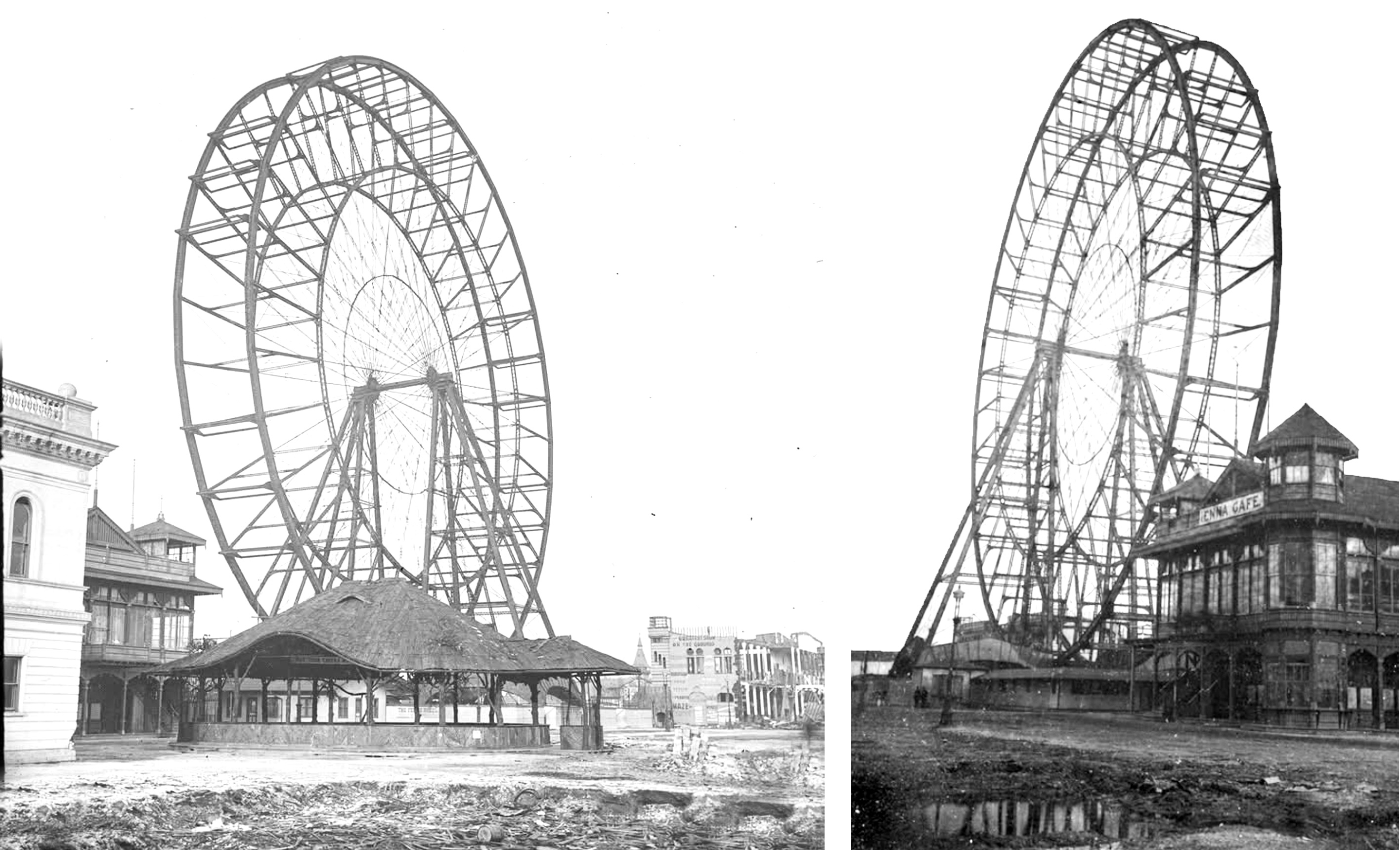
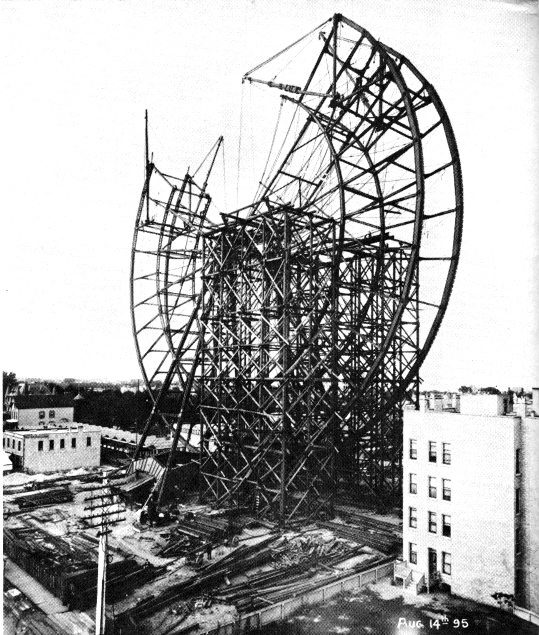
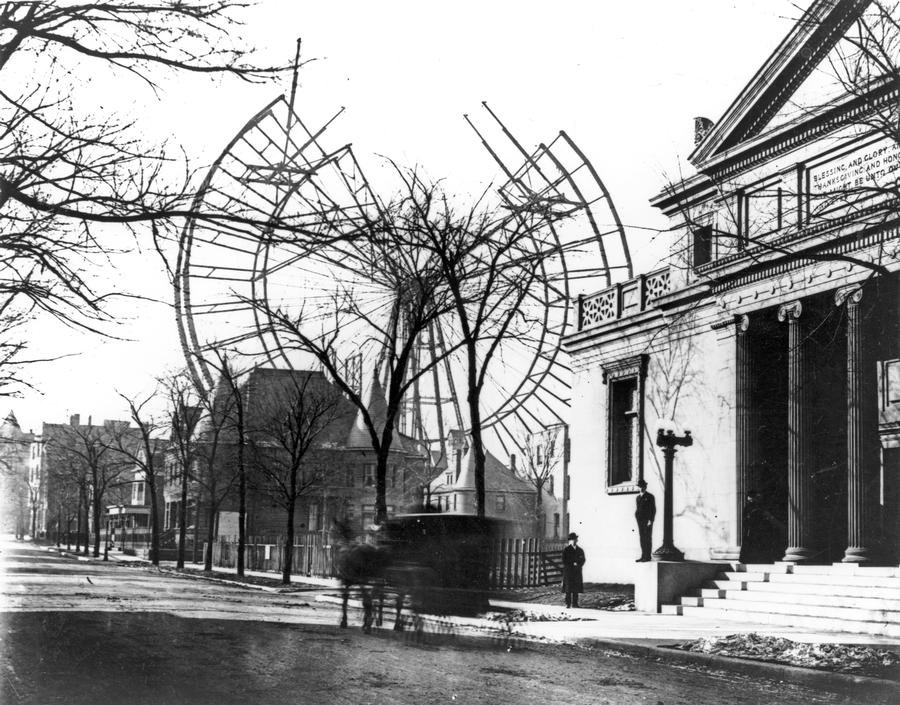
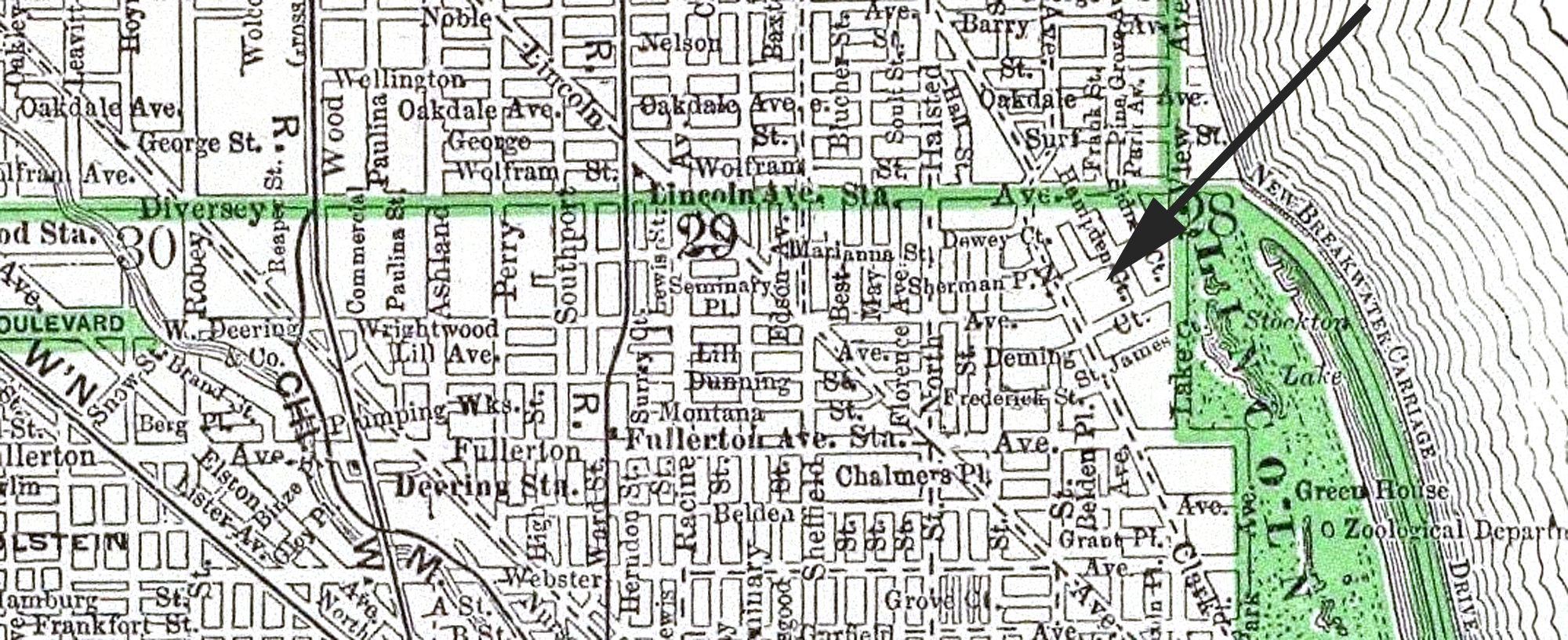
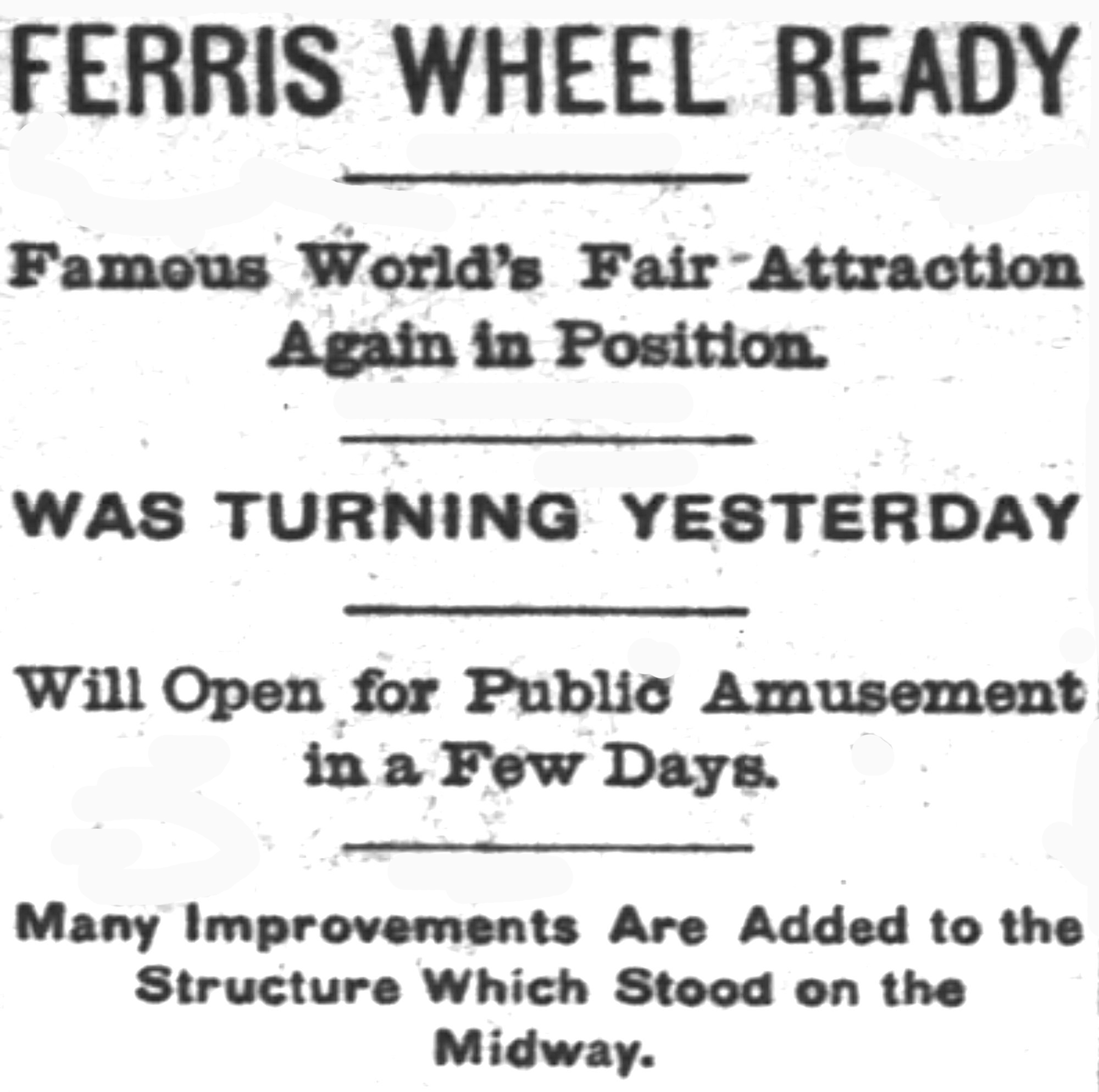 The big Ferris wheel which was one of the great features of the Midway is once more in operation.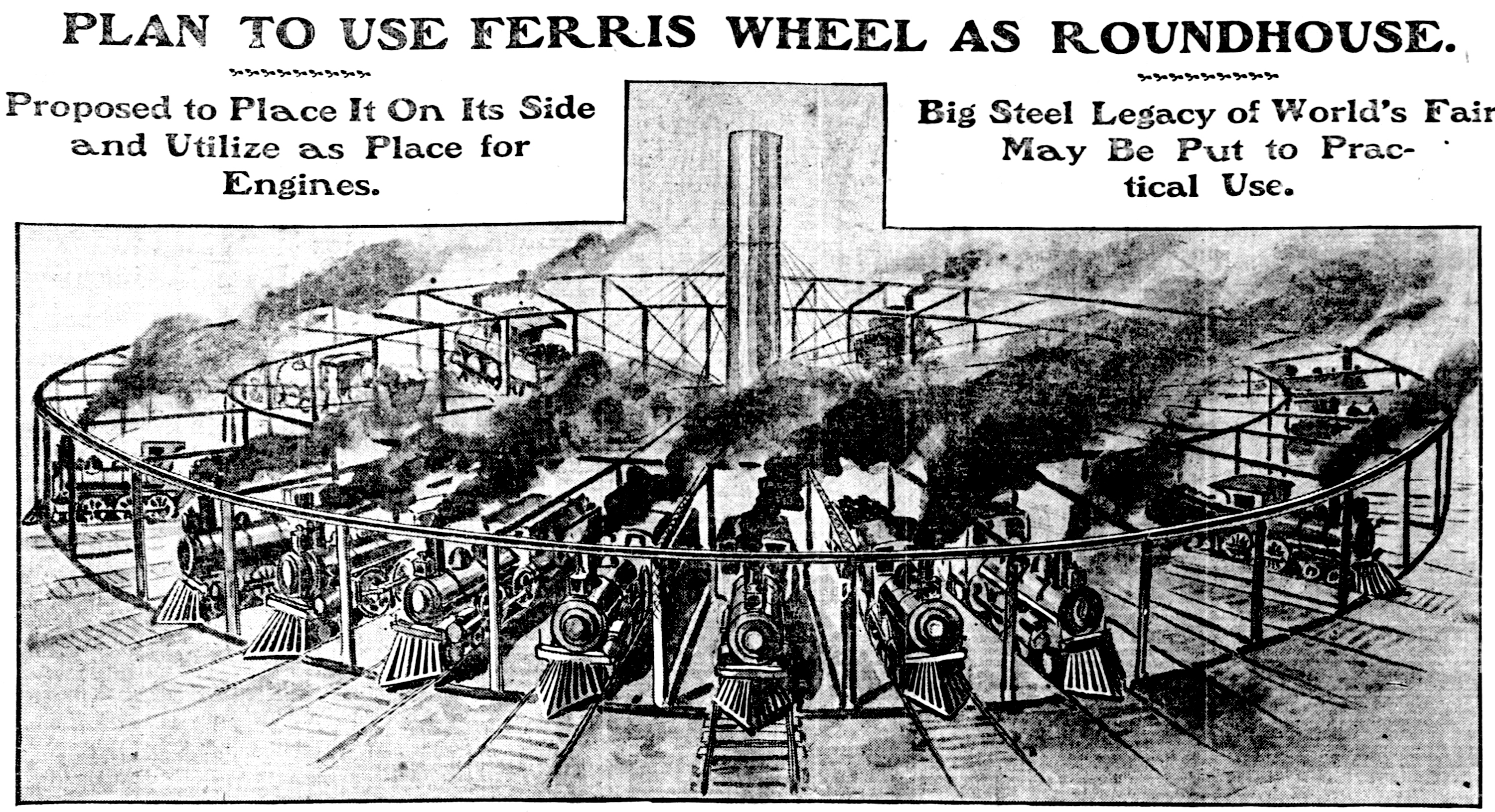
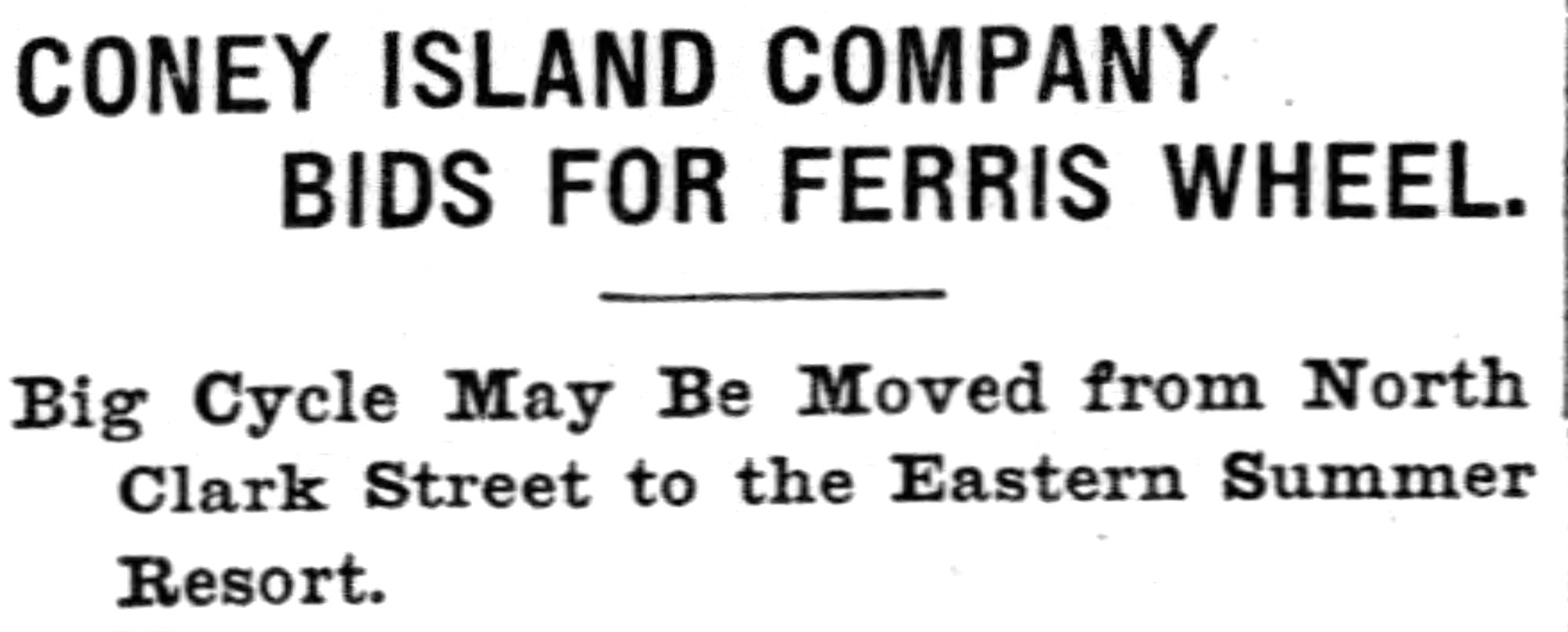 If negotiations now in progress are successful the Ferris Wheel will be transported from the park in North Clark street to Coney Island, where it will be operated by a stock company.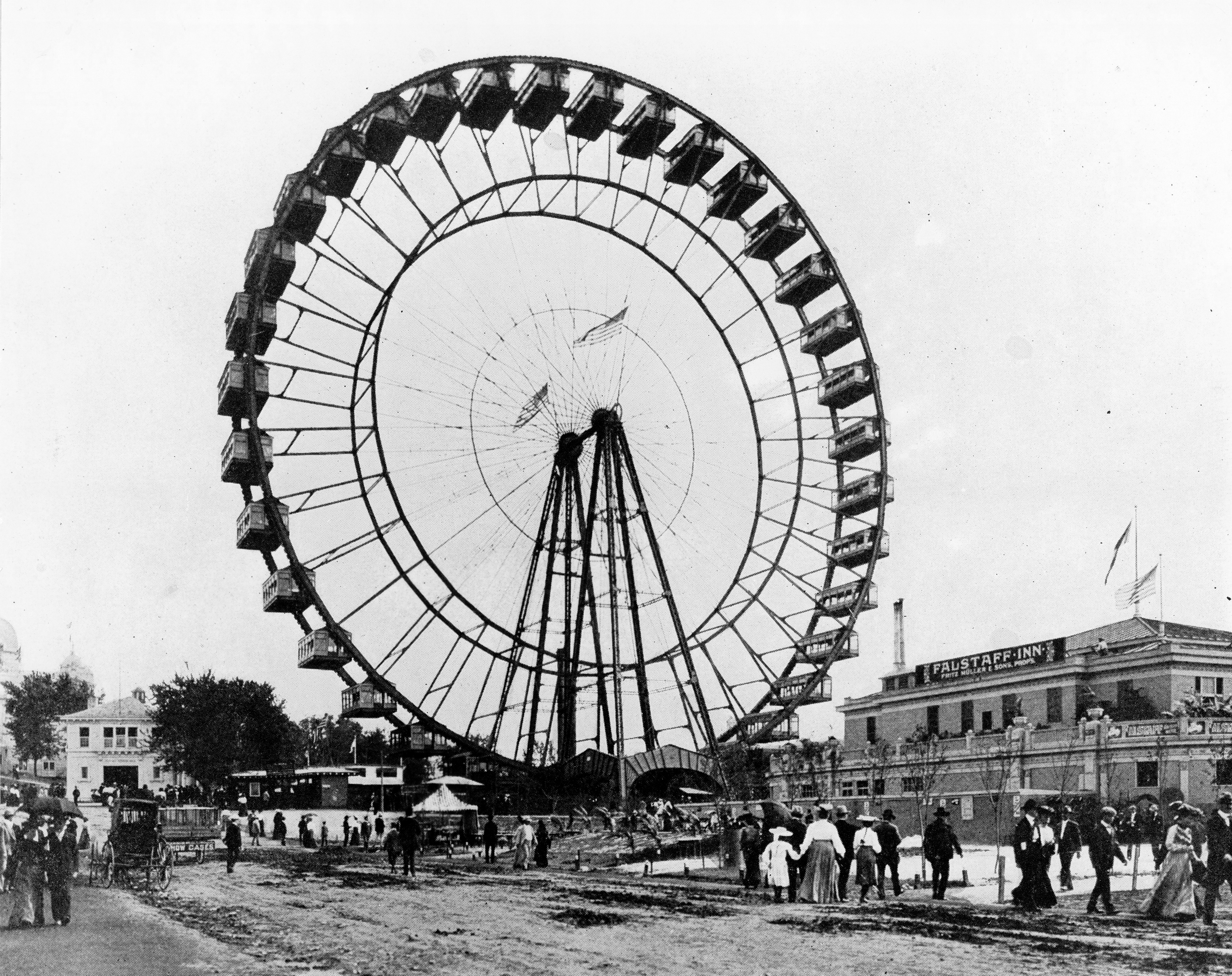
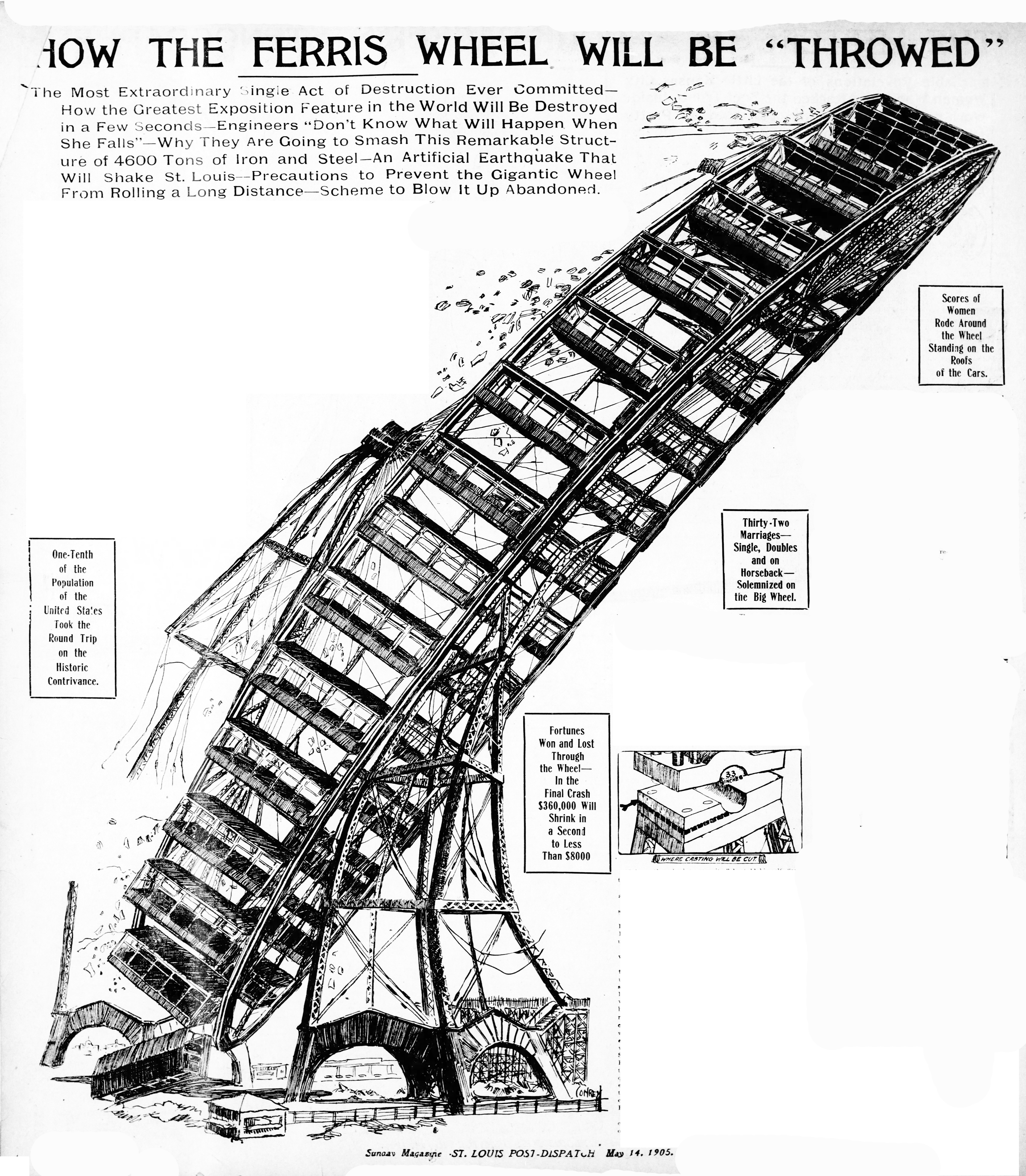
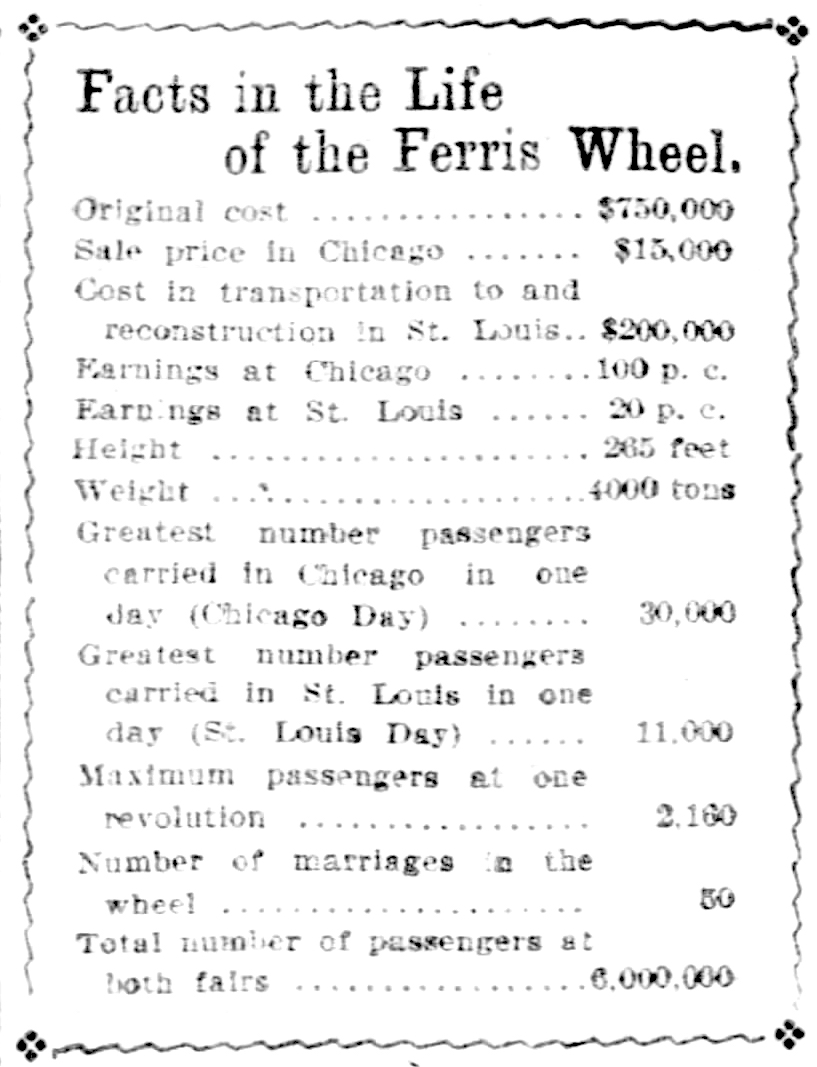
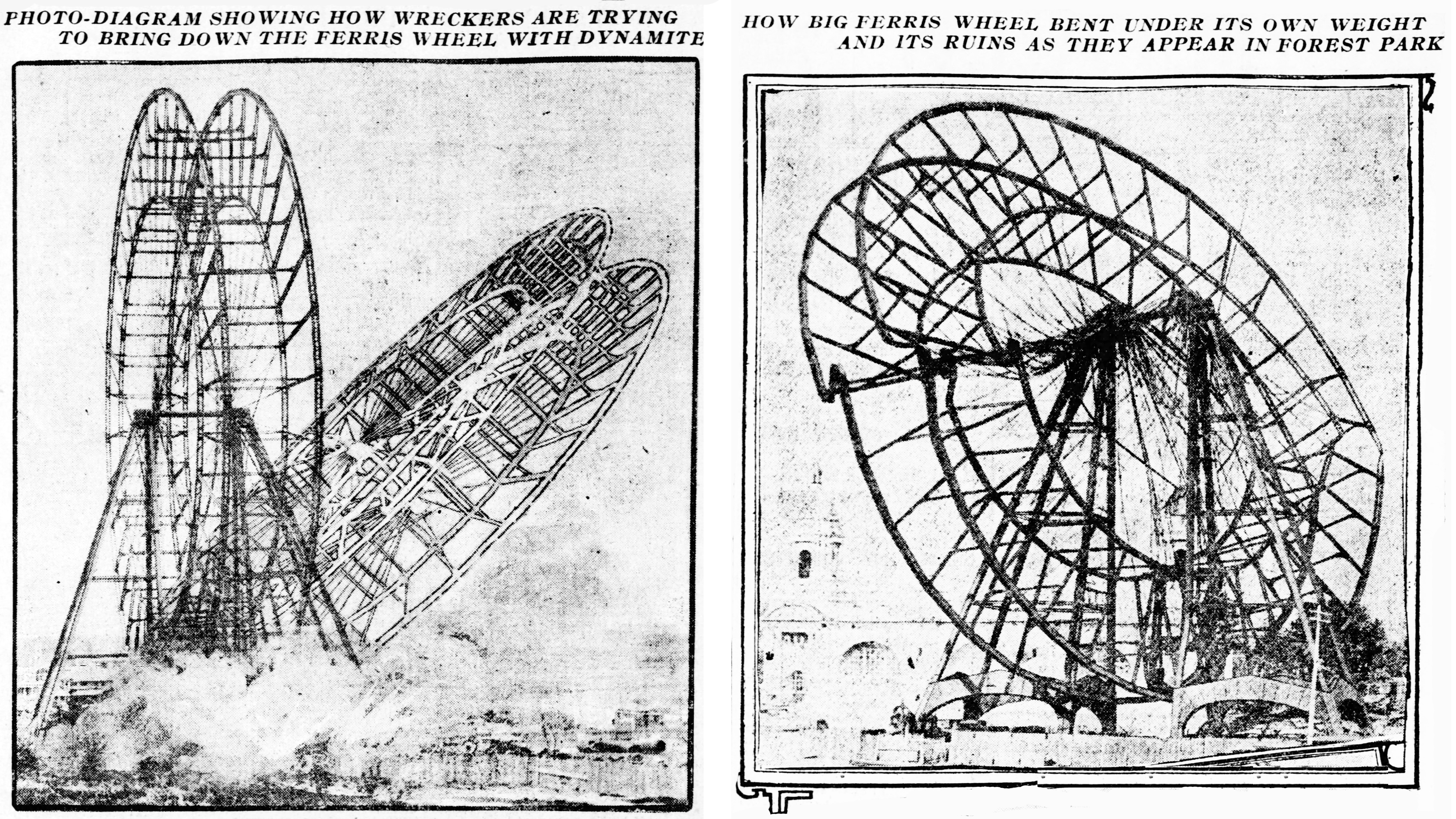
 Blown to pieces by a monster charge of dynamite. the Ferris wheel cane to an ignominious end yesterday at St. Louis, attar a varied career of thirteen years. At its ending it was unwept and unsung.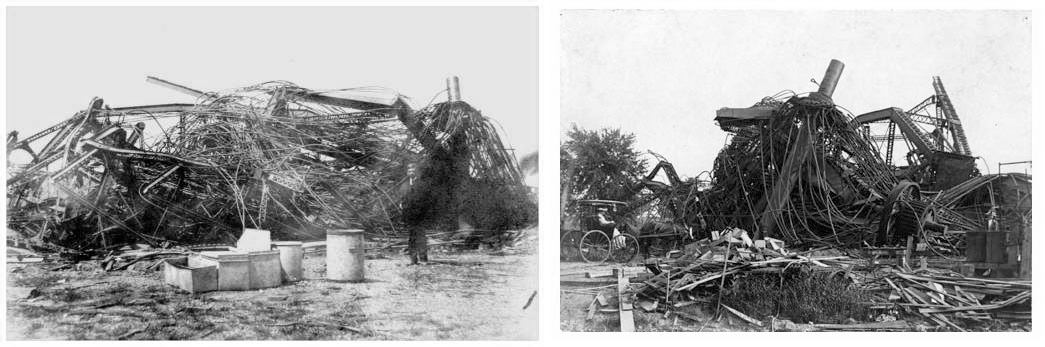
 Forty acres of the choicest residence property in Chicago, embracing 10,400 feet of frontage on parks, boulevards and connecting streets, of a total value of more than $8,000,000, have been purchased and otherwise acquired by Chicago and outside capitalists by concerted action.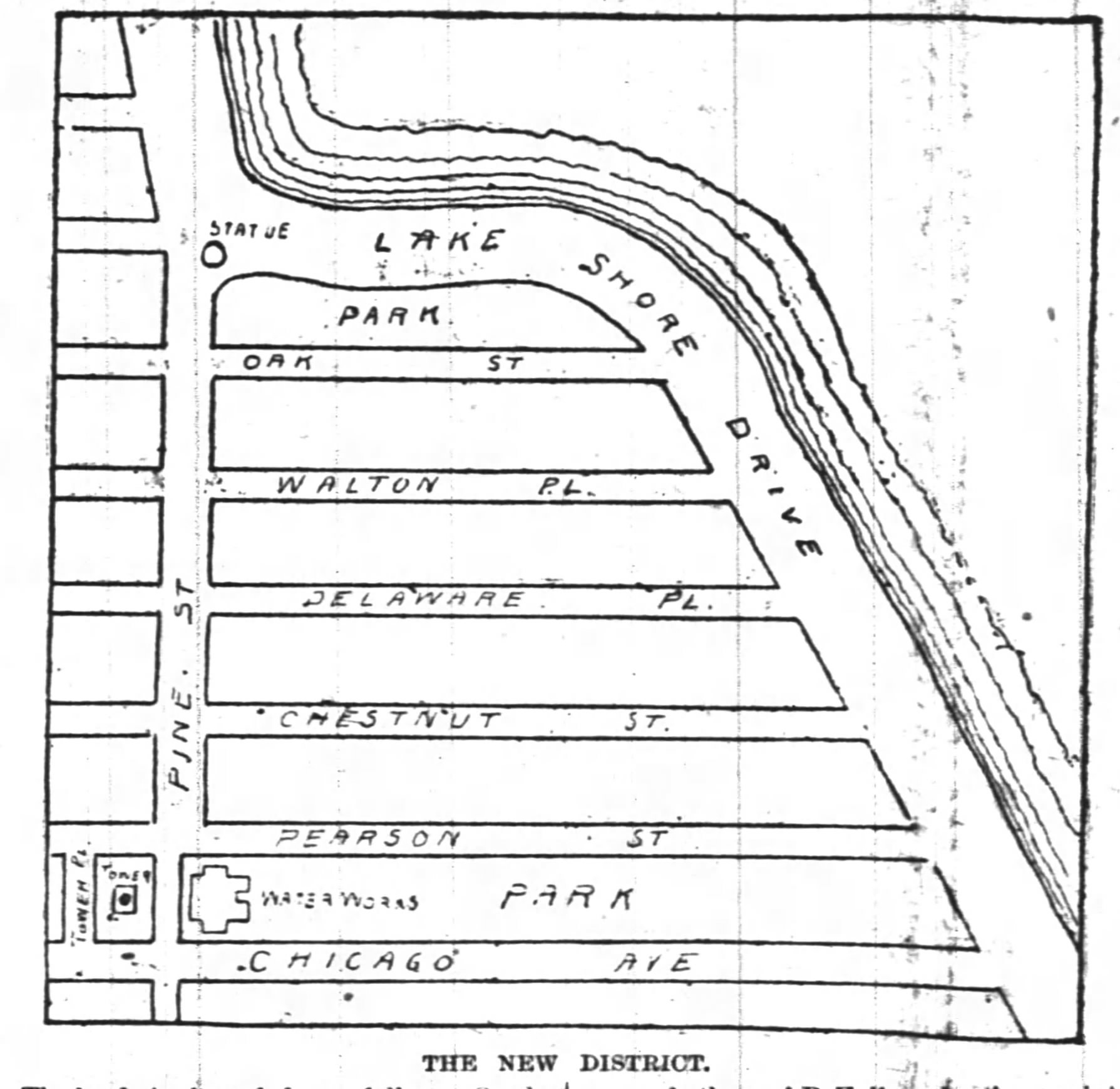

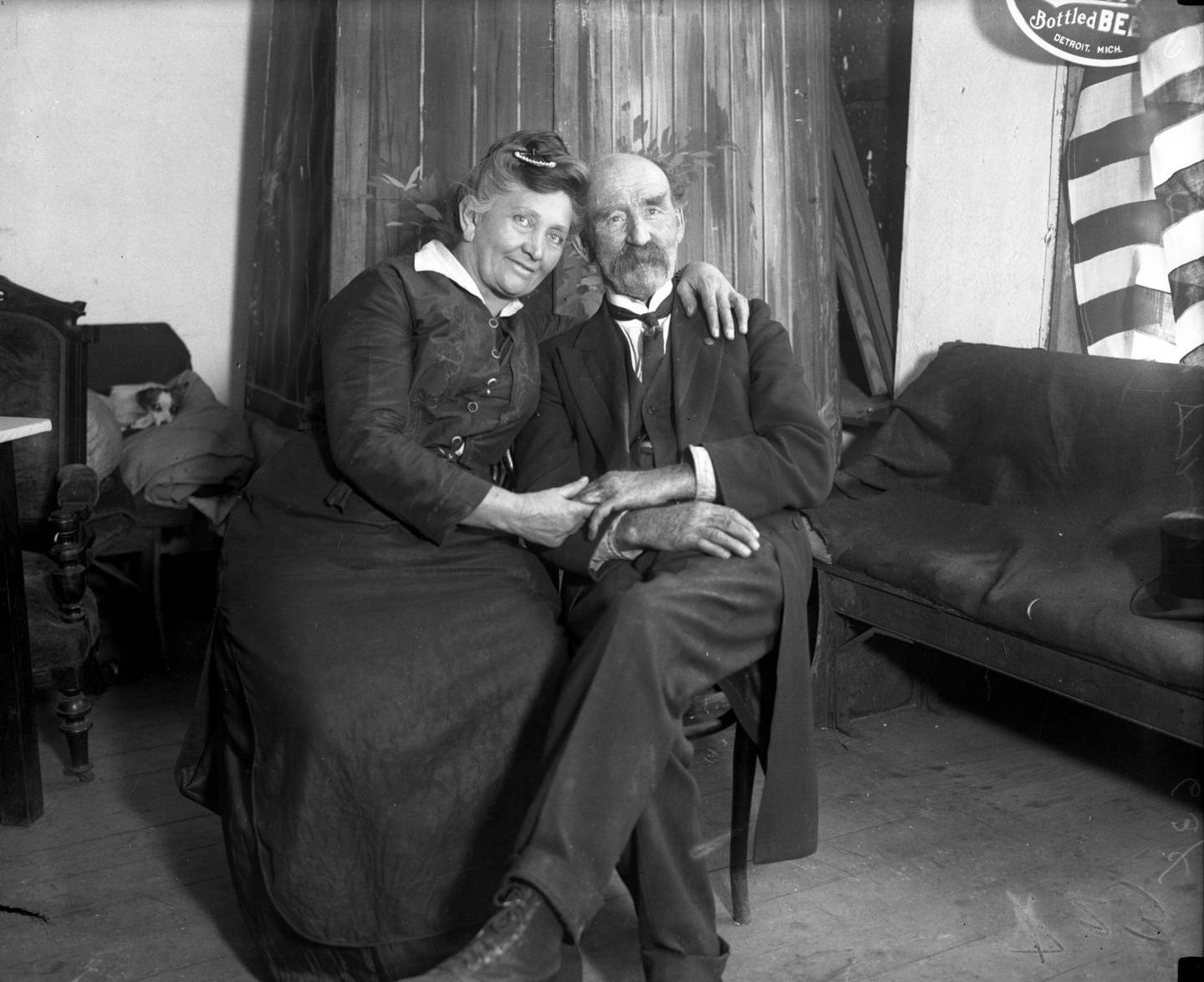
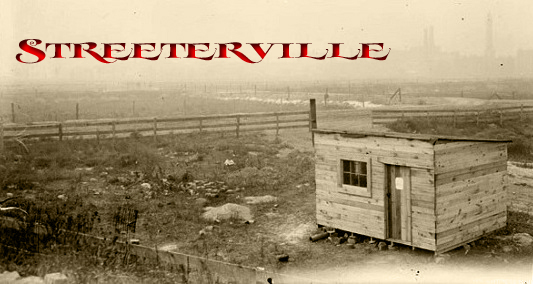
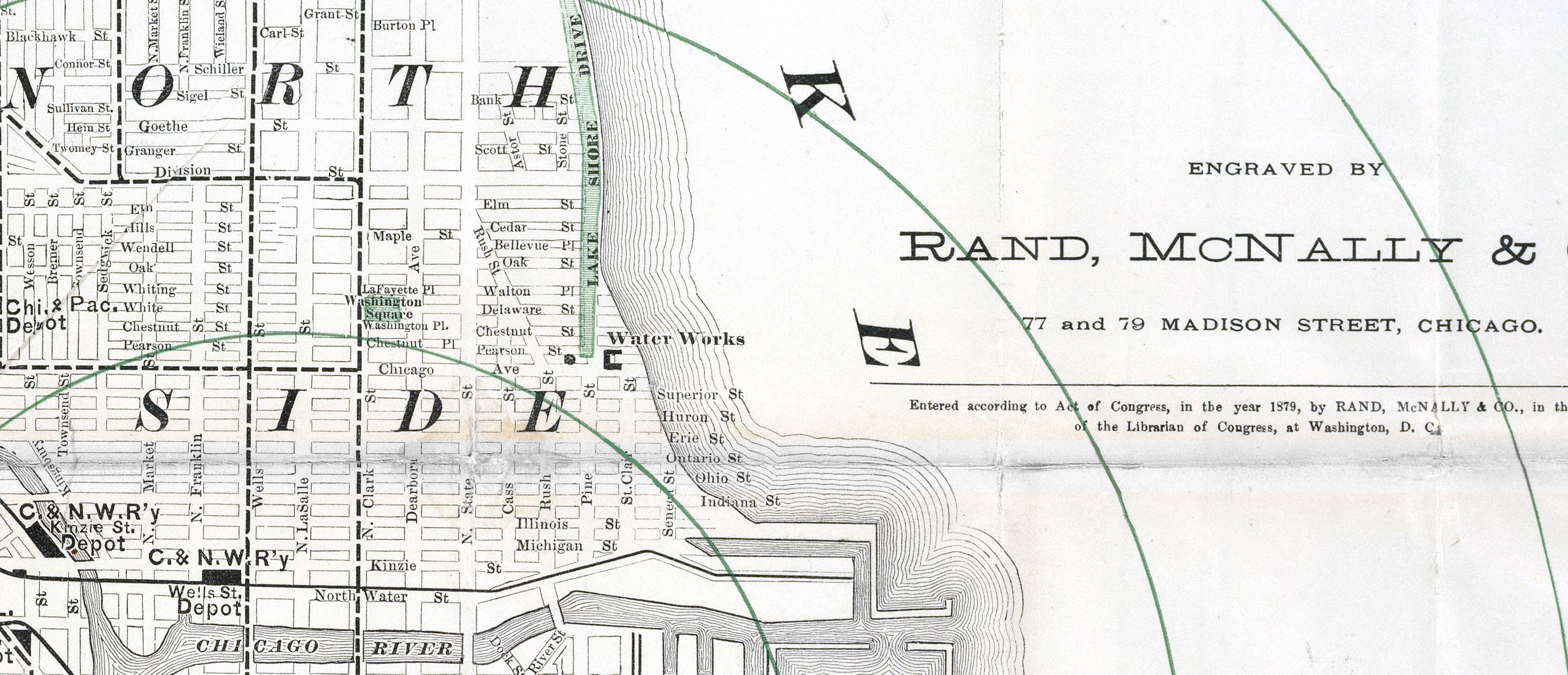
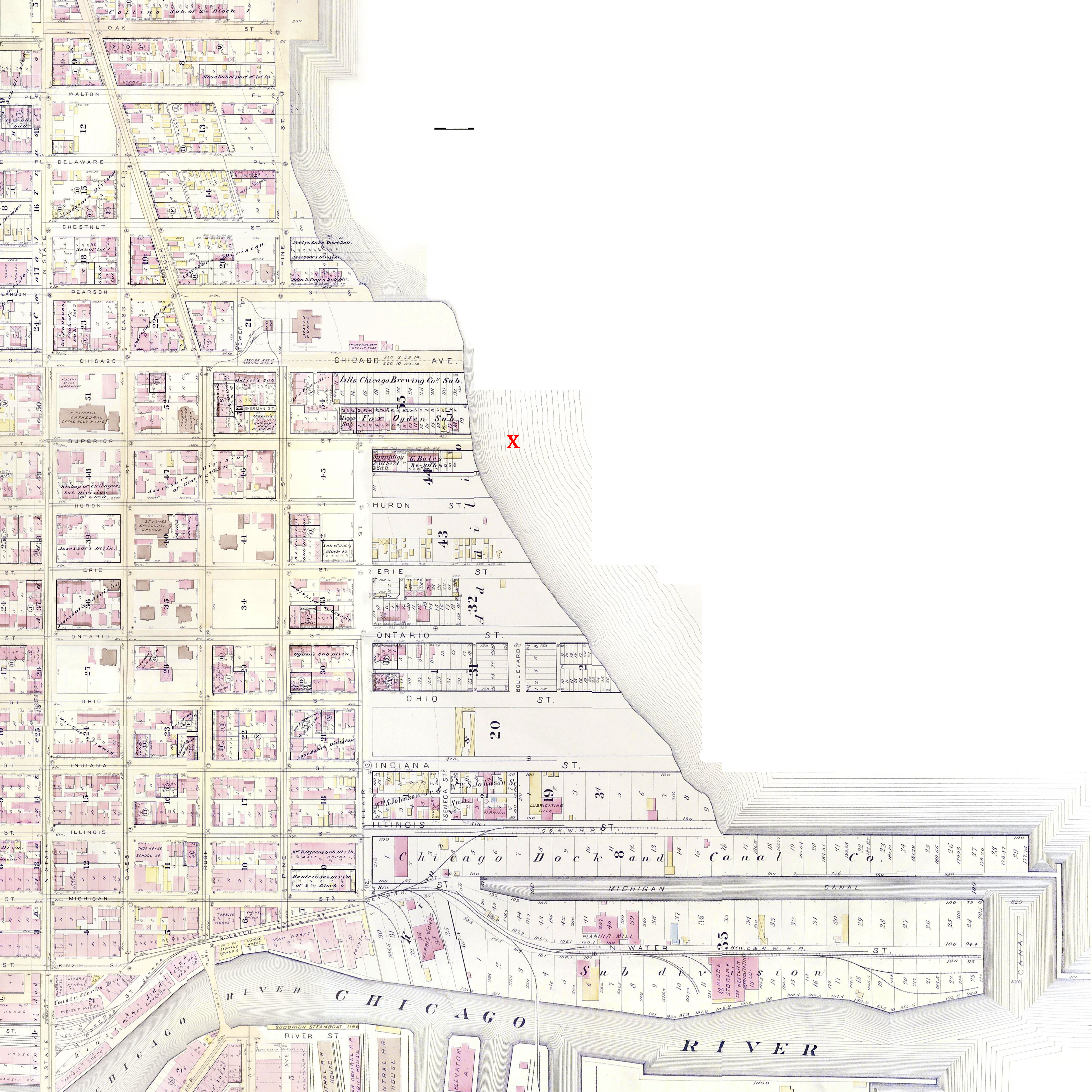
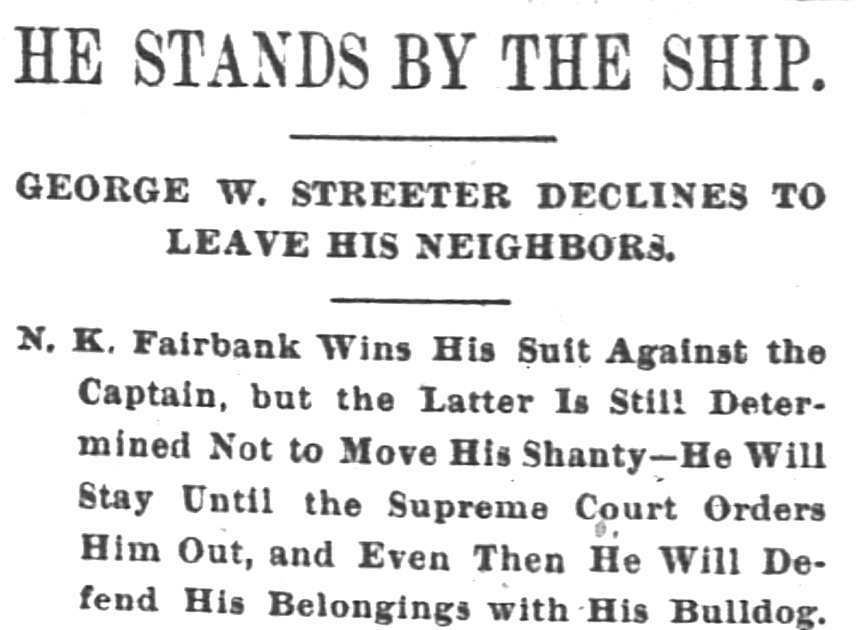
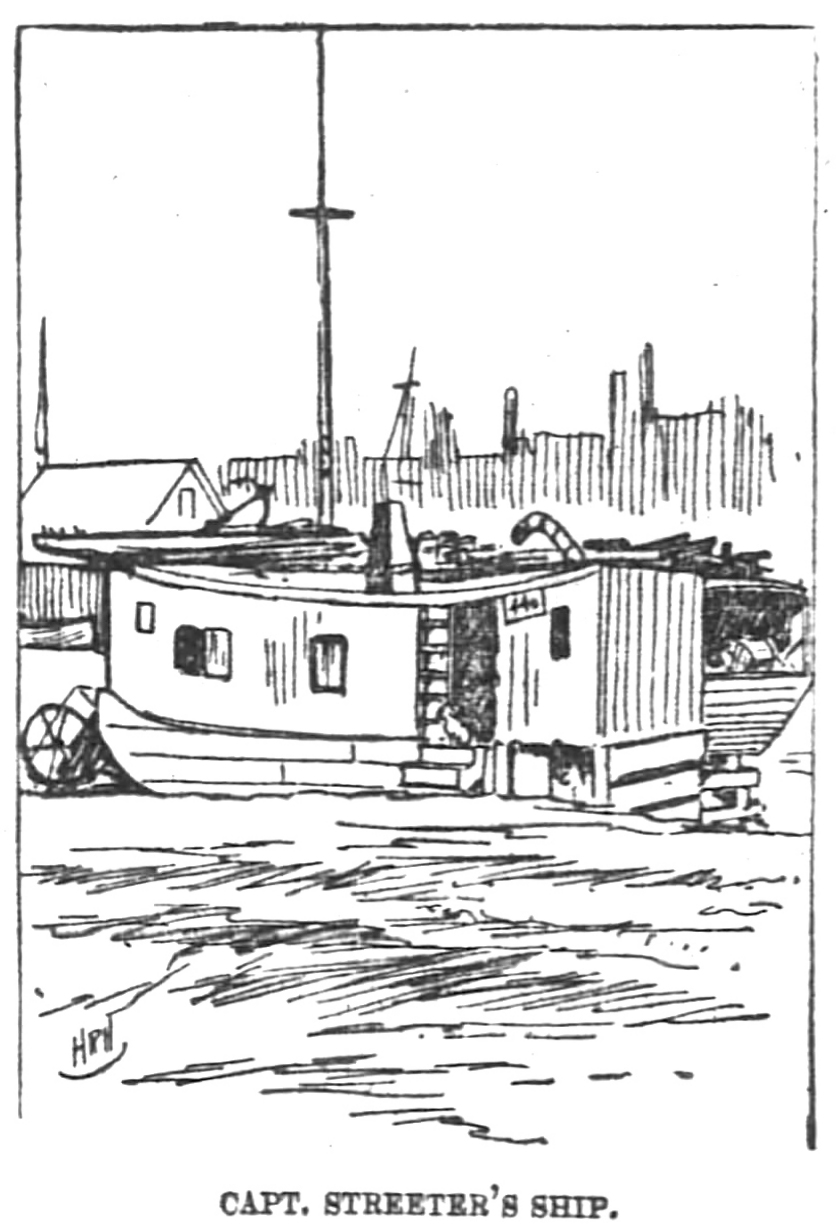
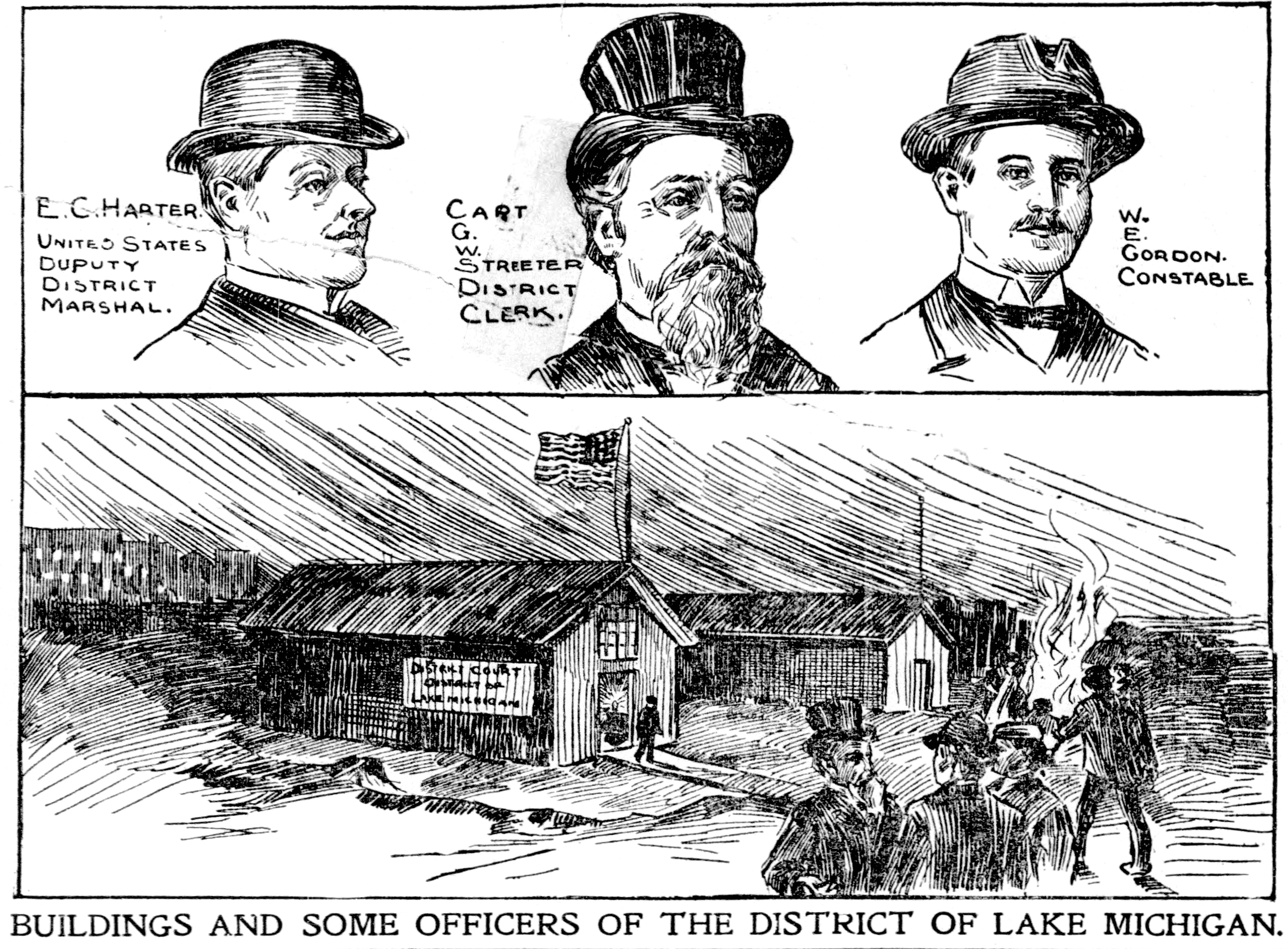
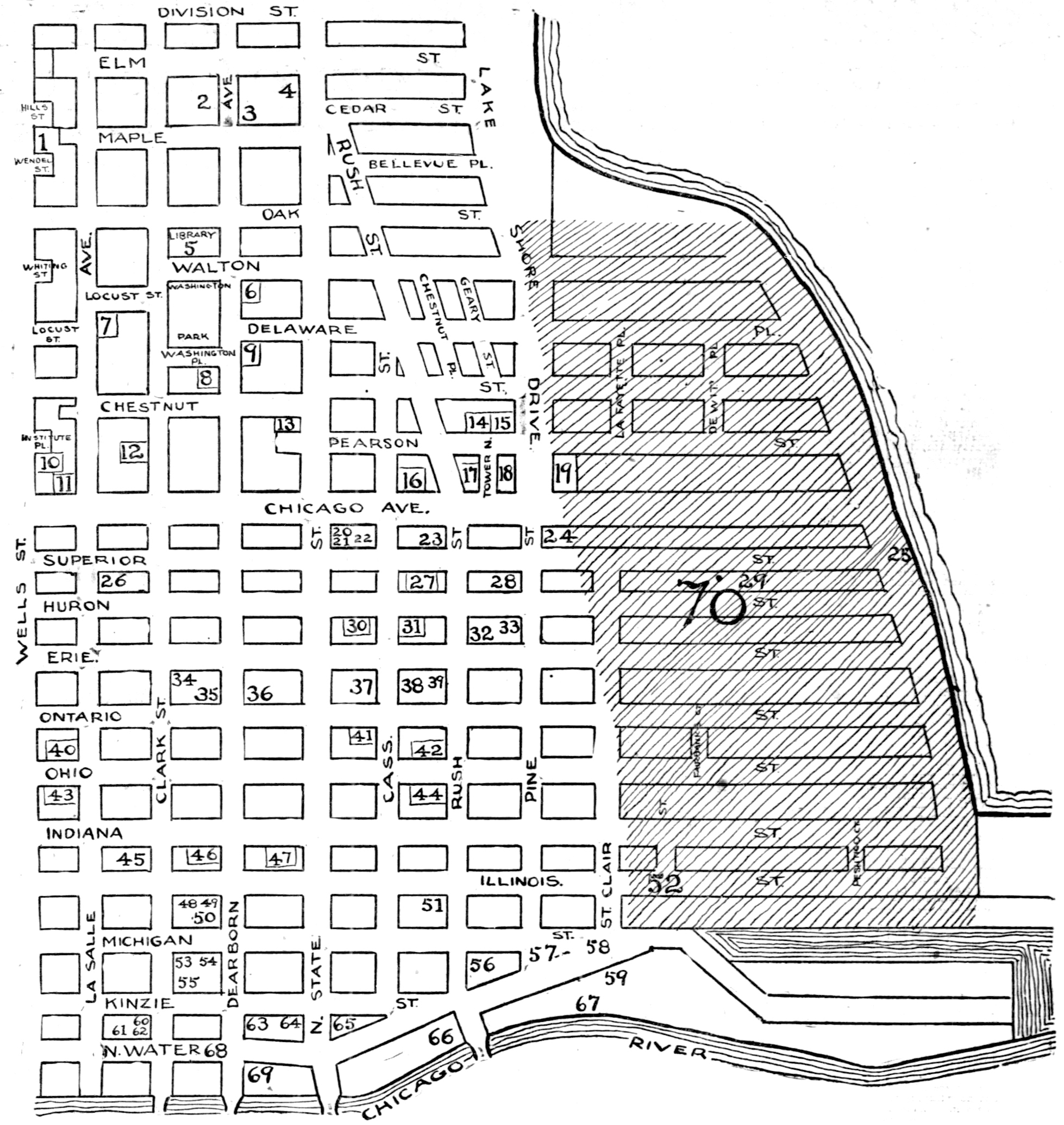
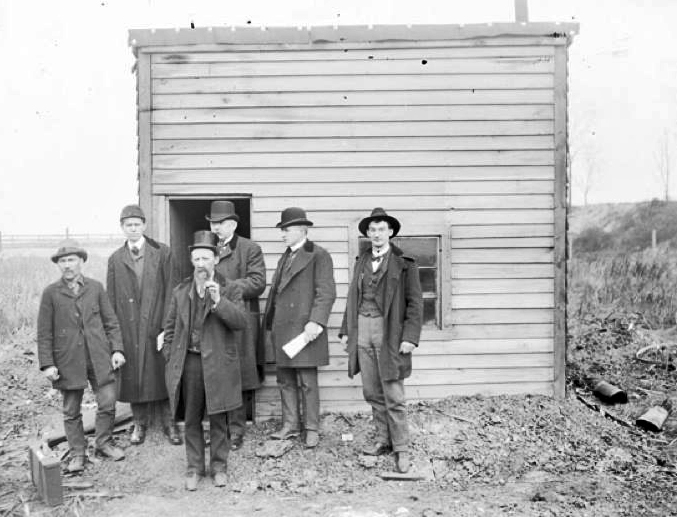
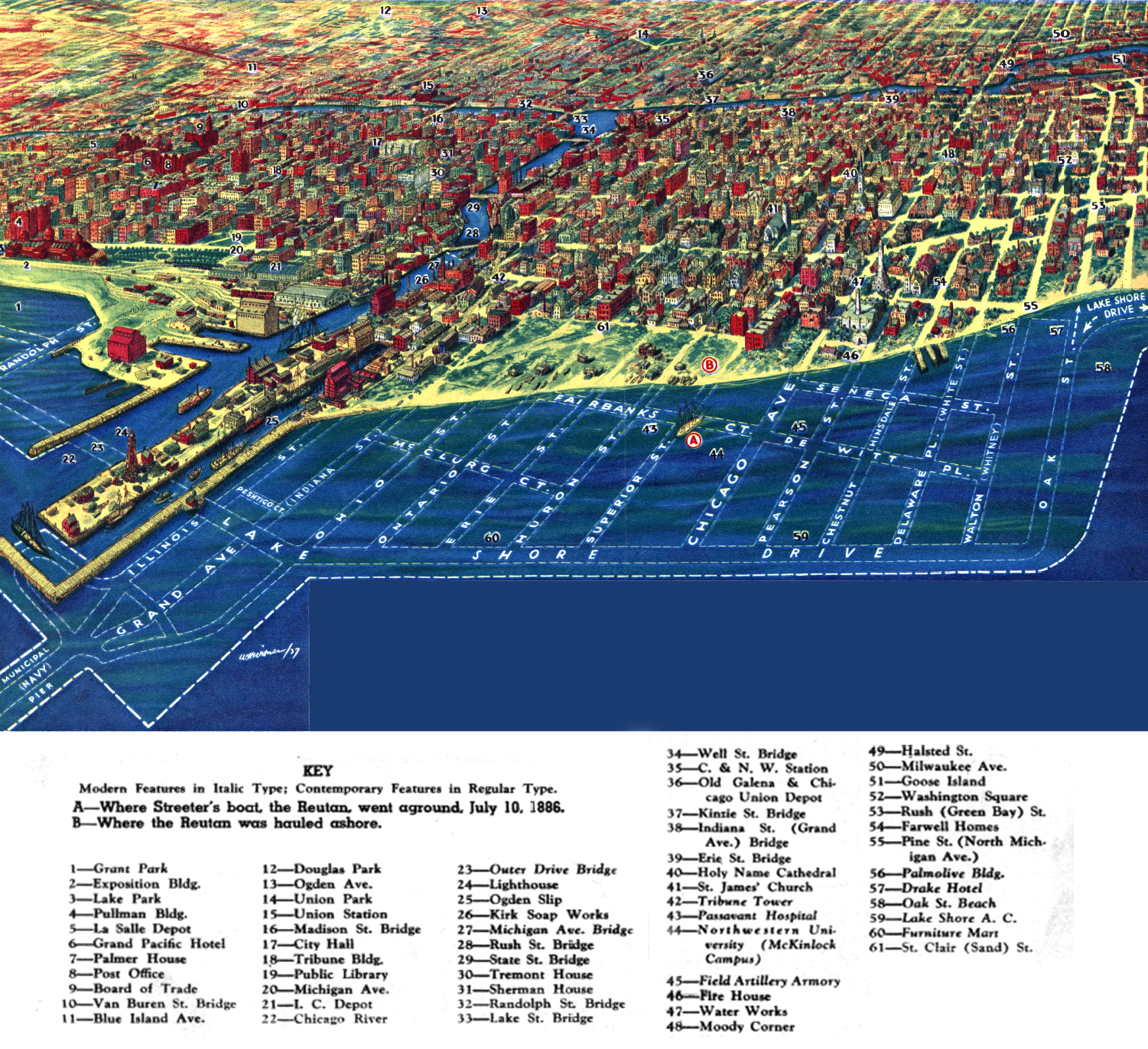
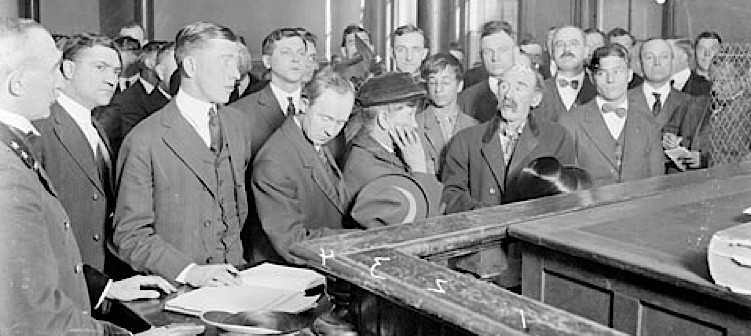
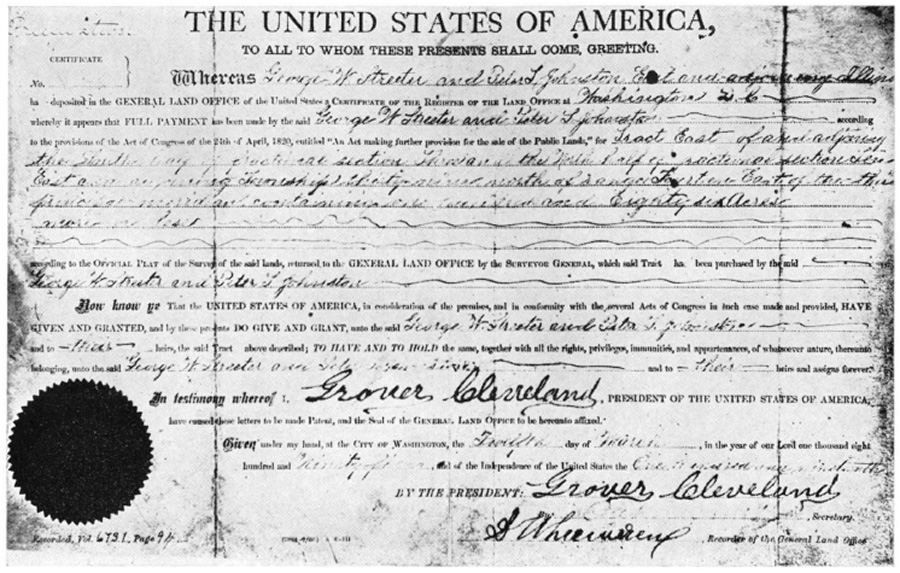
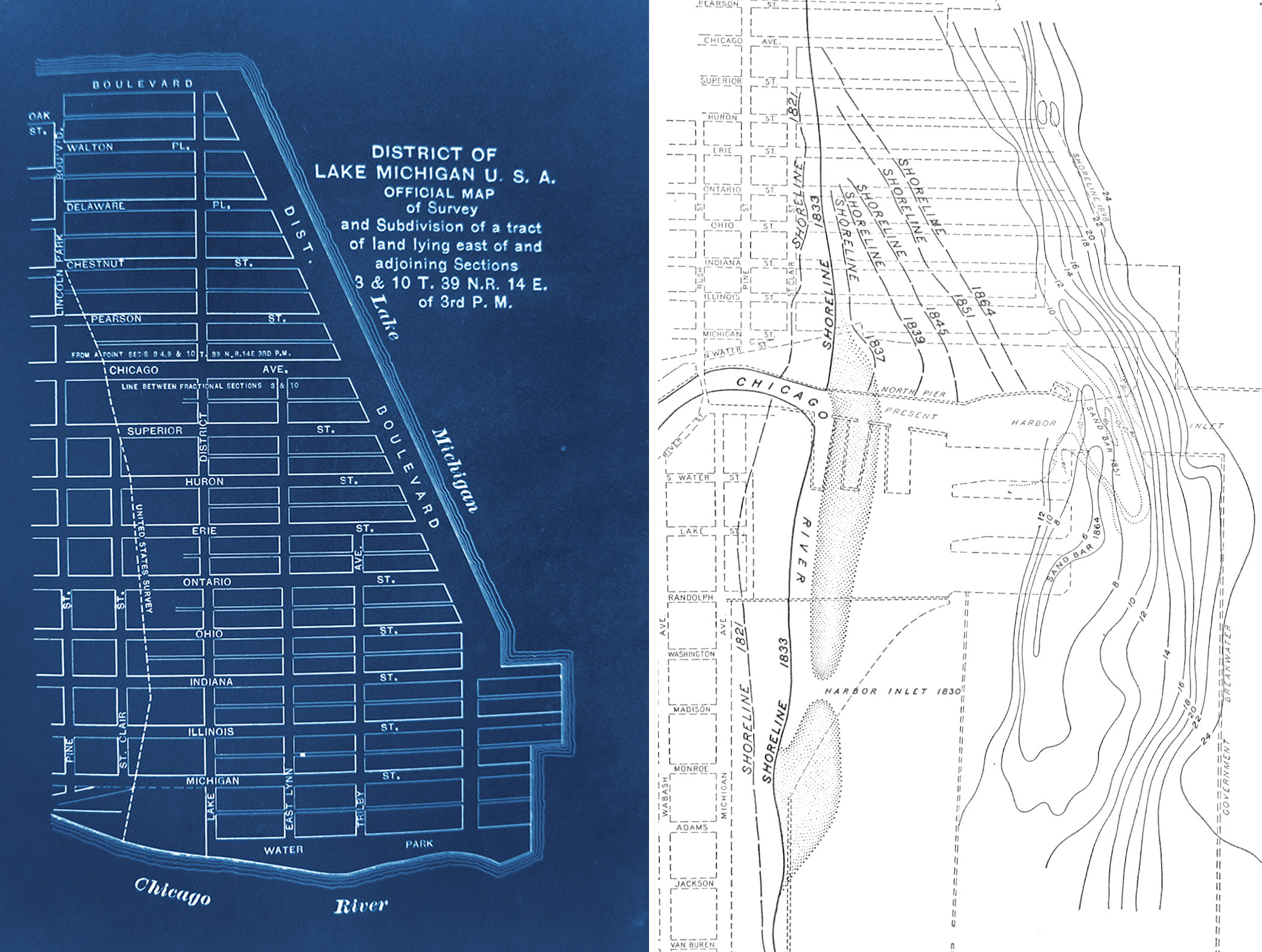
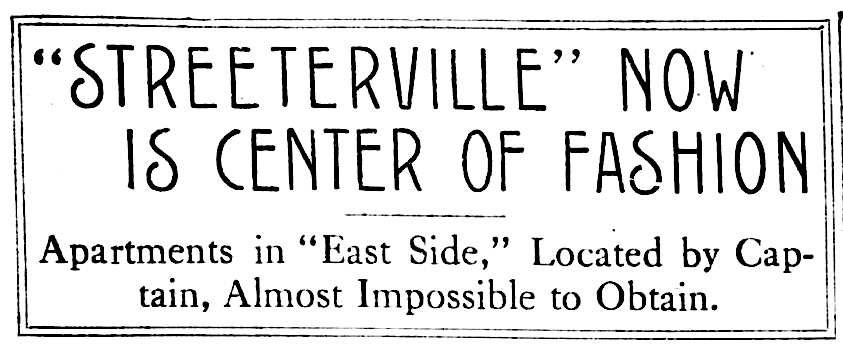
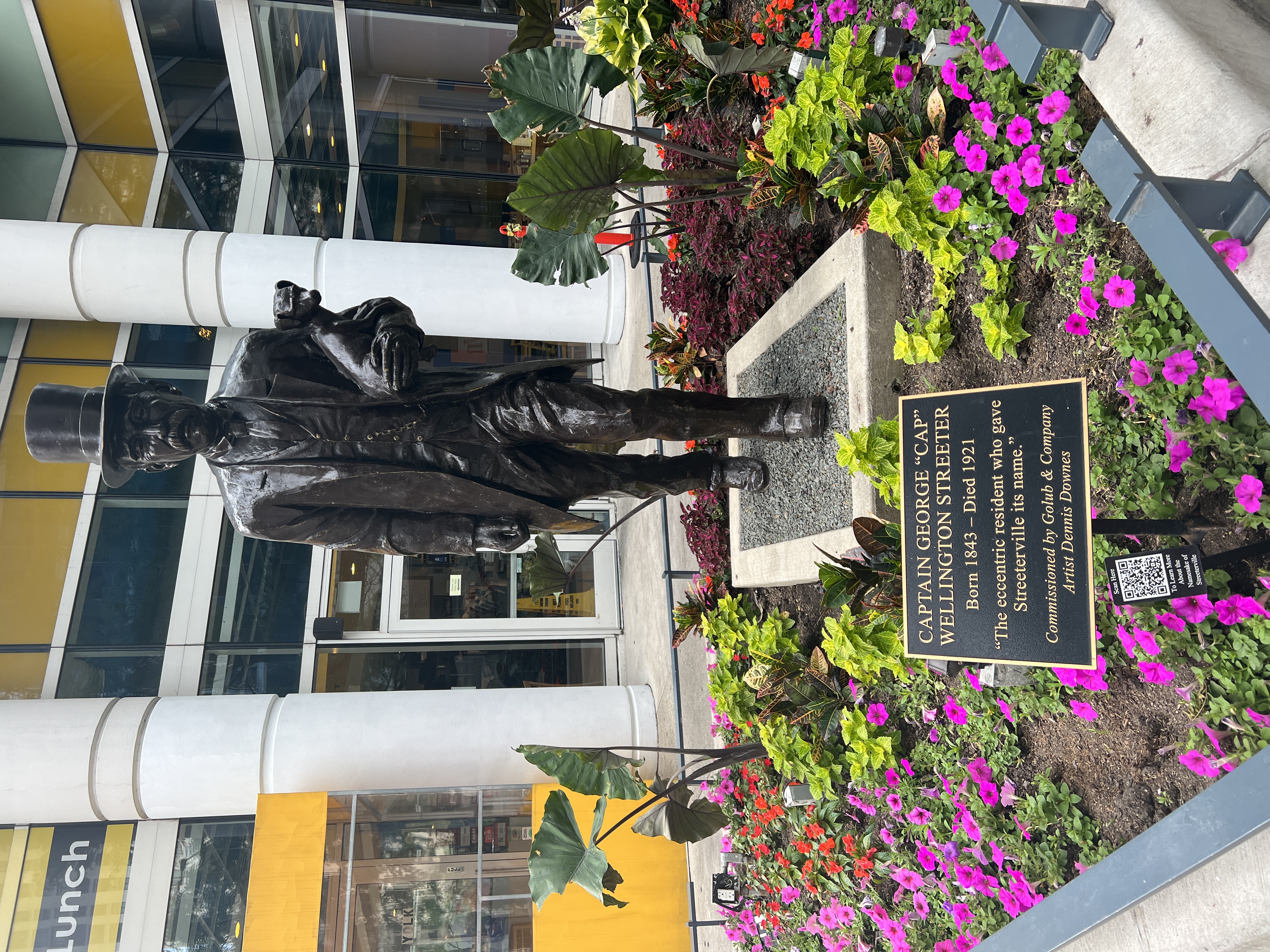
 Attorney-General Moloney Monday morning will be asked to add a few more defendants to the list named in his bill to restrain the building of the Lake-Shore drive and the reclamation of submerged lands adjacent. Attorney Francis E. Burton, who will preside the reasons for such action, will name among the additional defendants is the United States of America and a number of persons to whom Capt. George W. Streeter of Lake Shore fame has transferred lots. In the maps, plats, abstracts, and other papers which Mr. Burton will show copious references to Capt. Streeter and Peter J. Johnson will appear; for not withstanding his long litigation in courts, the Captain stil claims a big chunk of property adjacent to the drive. In fact, he says, he and Johnson claim all the land from Chicago avenue to the North Pier lying east of a line east of St. Clair street. The Captian has located the land in soldiers’ warrants issued for fighting in 1812. He wants to be one of the defendants, he says. He doesn’t care for the suit, he declares, nor the Attorney-General, nor the courts, the City of Chicago, nor anybody else as far as his claims to the land are concerned. He is outside of Chicago, he says, and gets his title from the United States Government.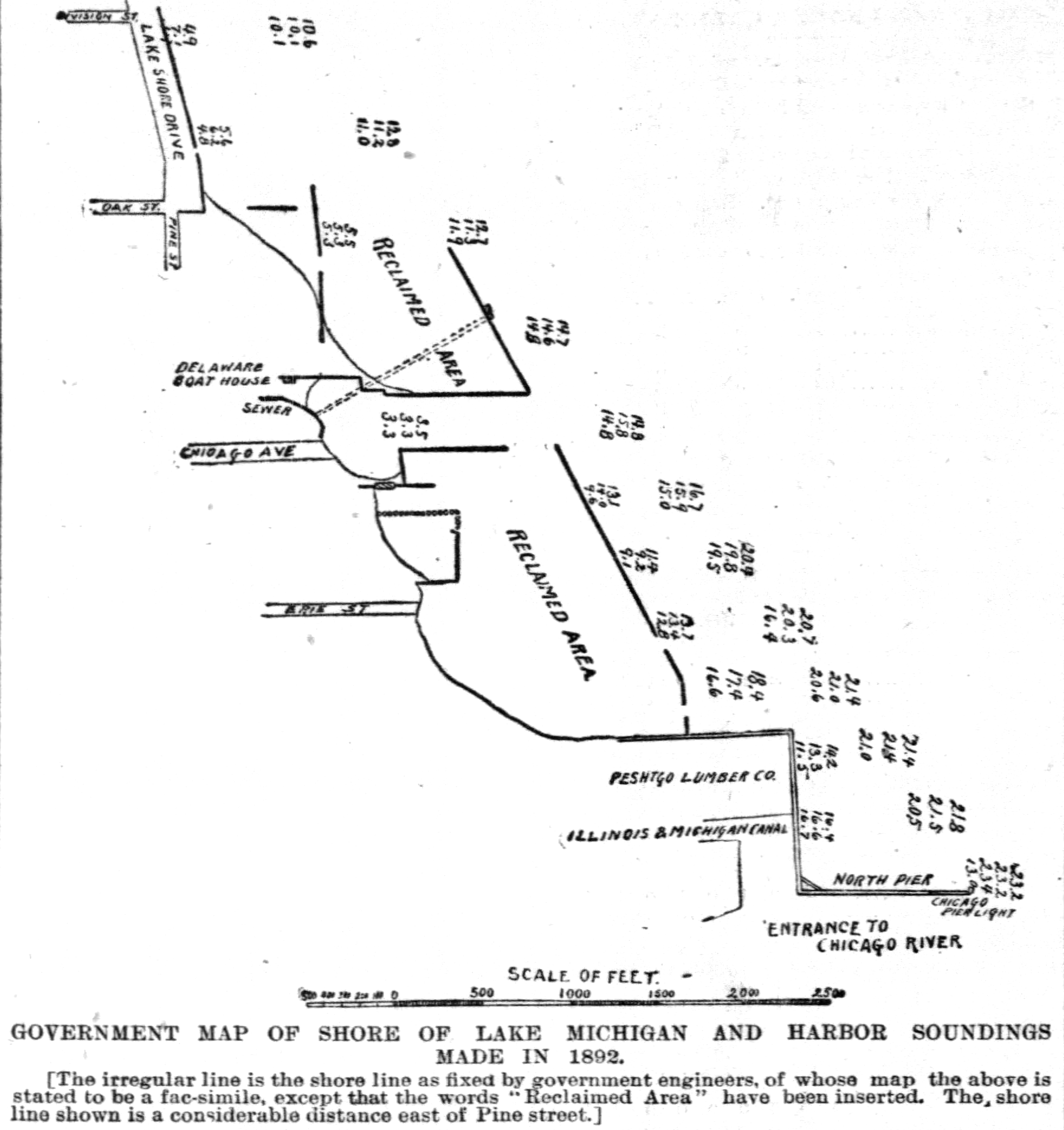


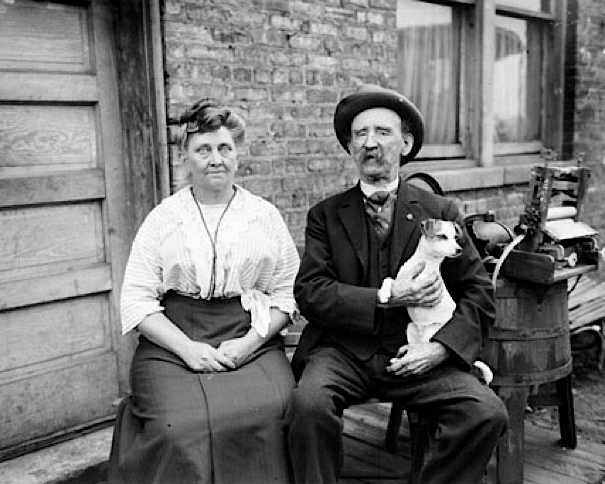
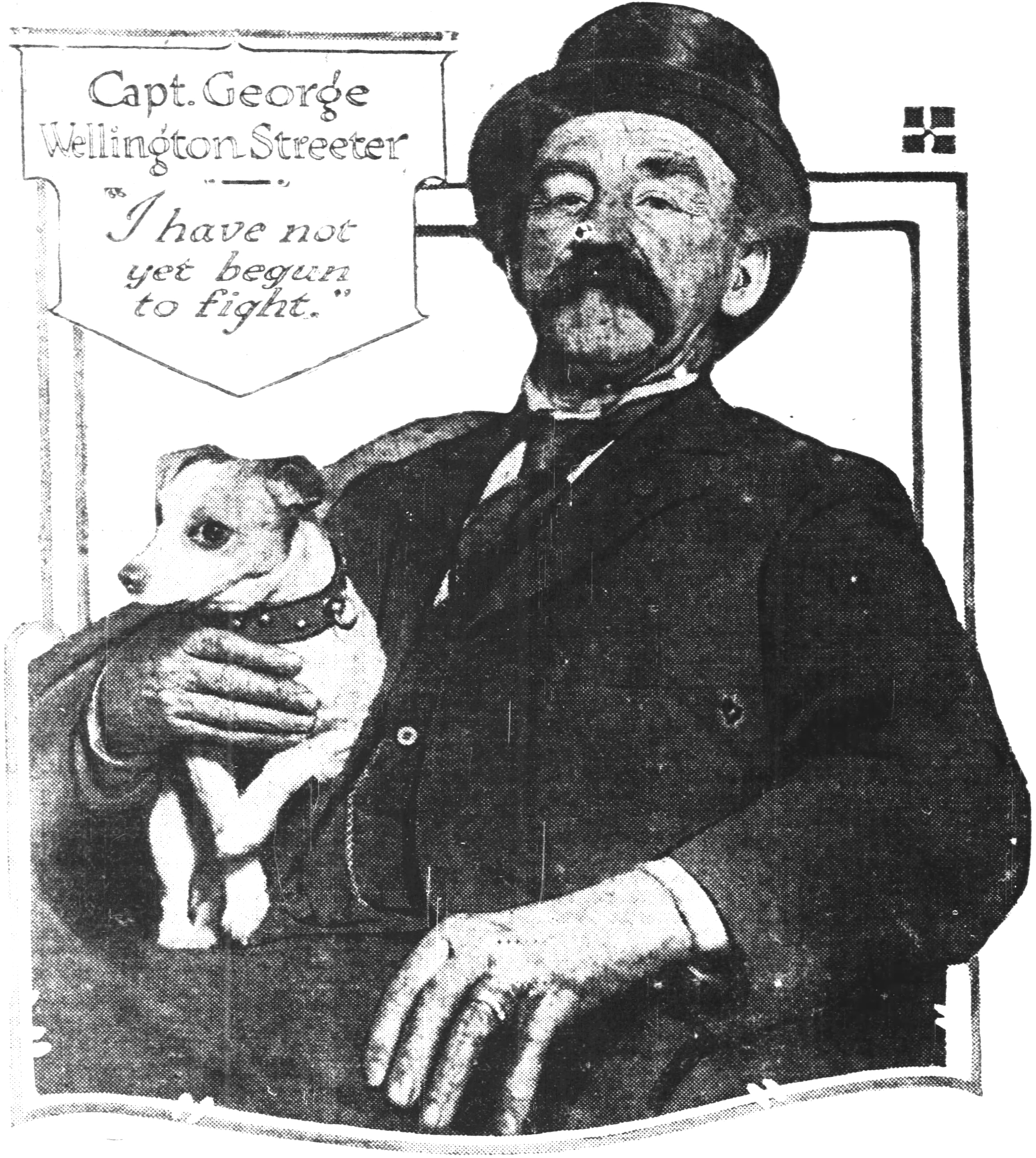
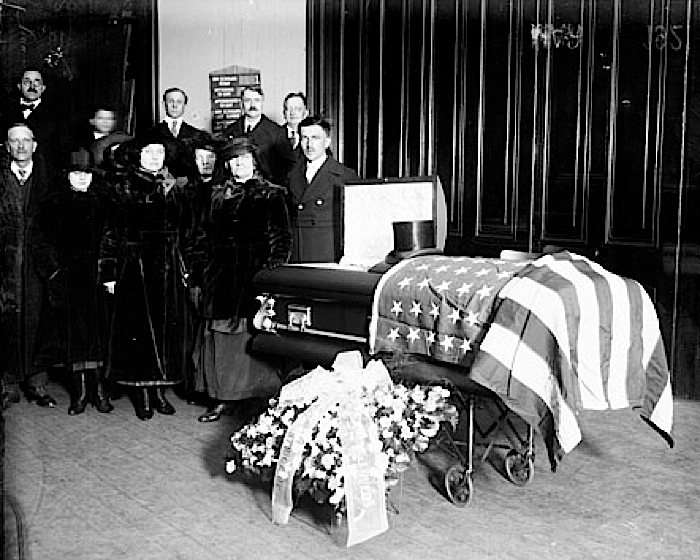
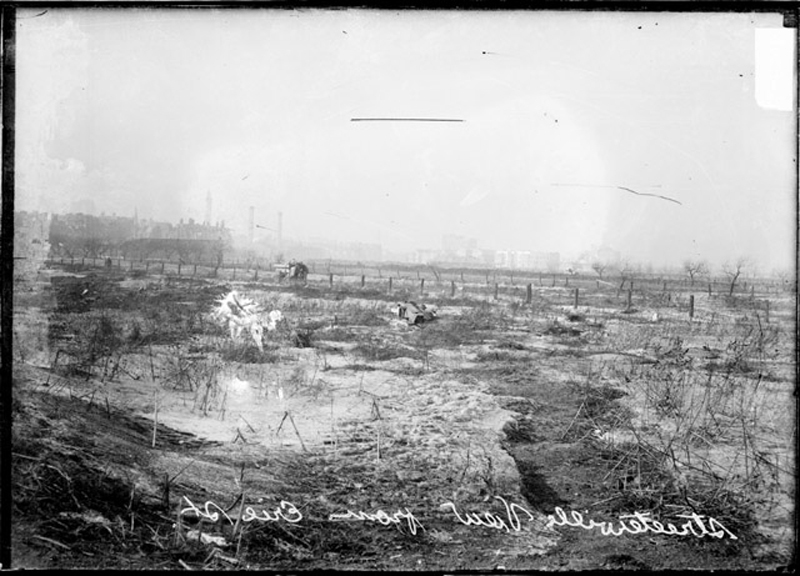
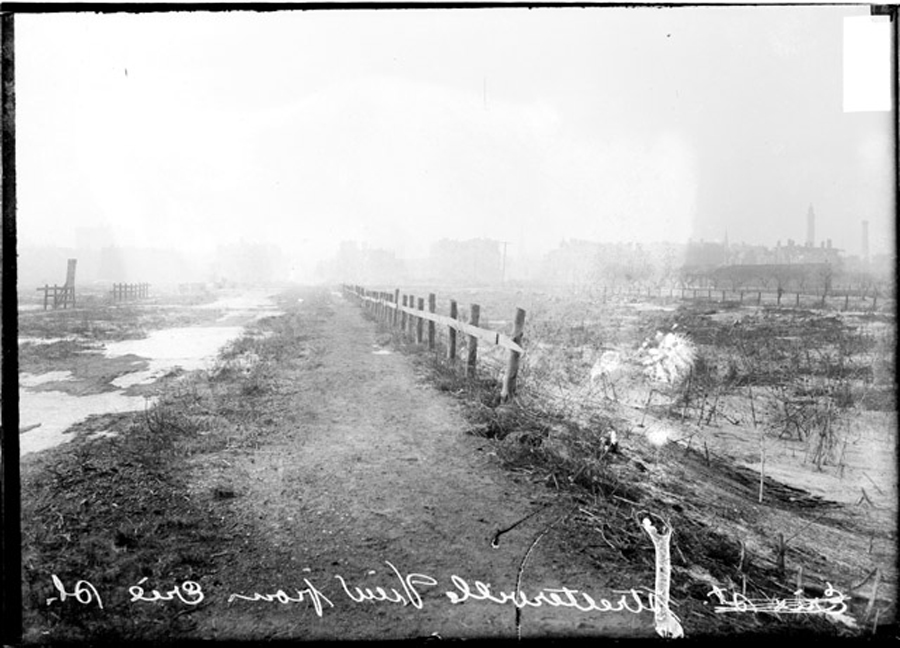
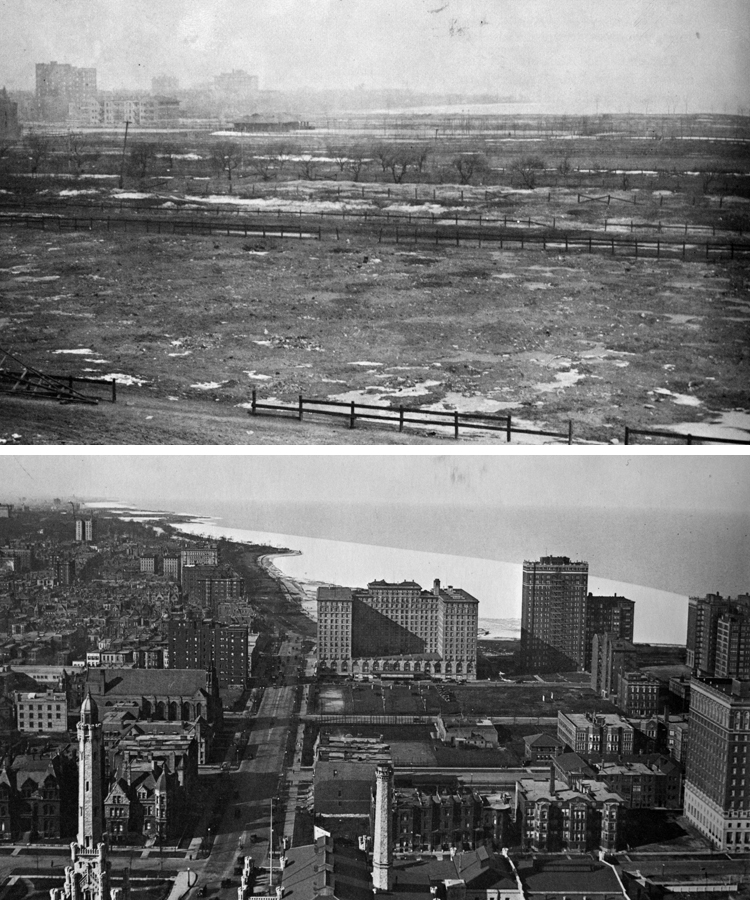
 No. 18 Tooker place, the home of the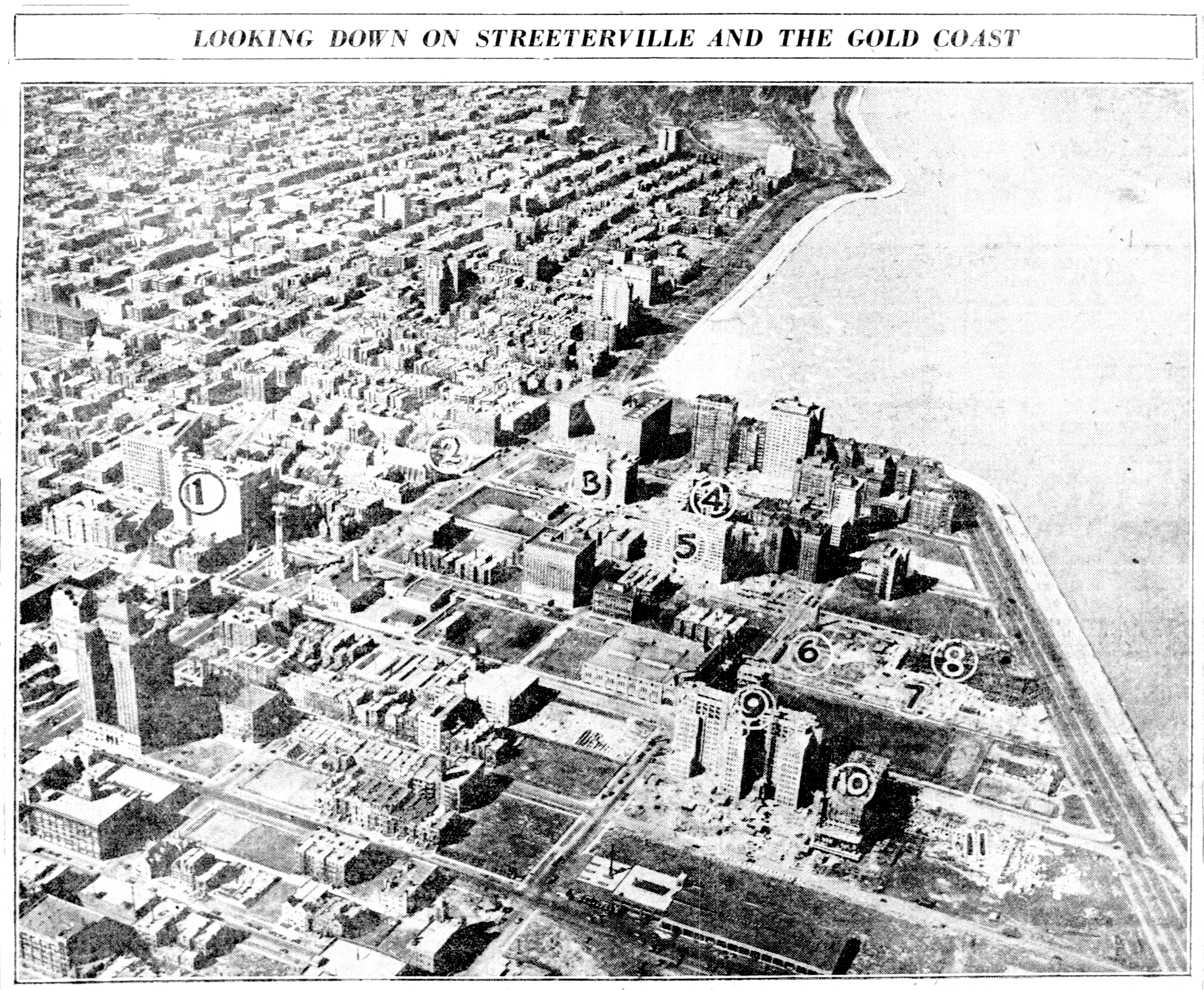
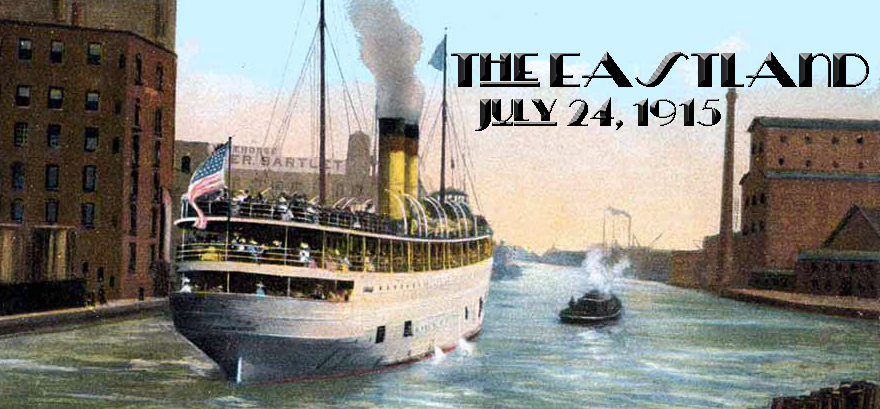
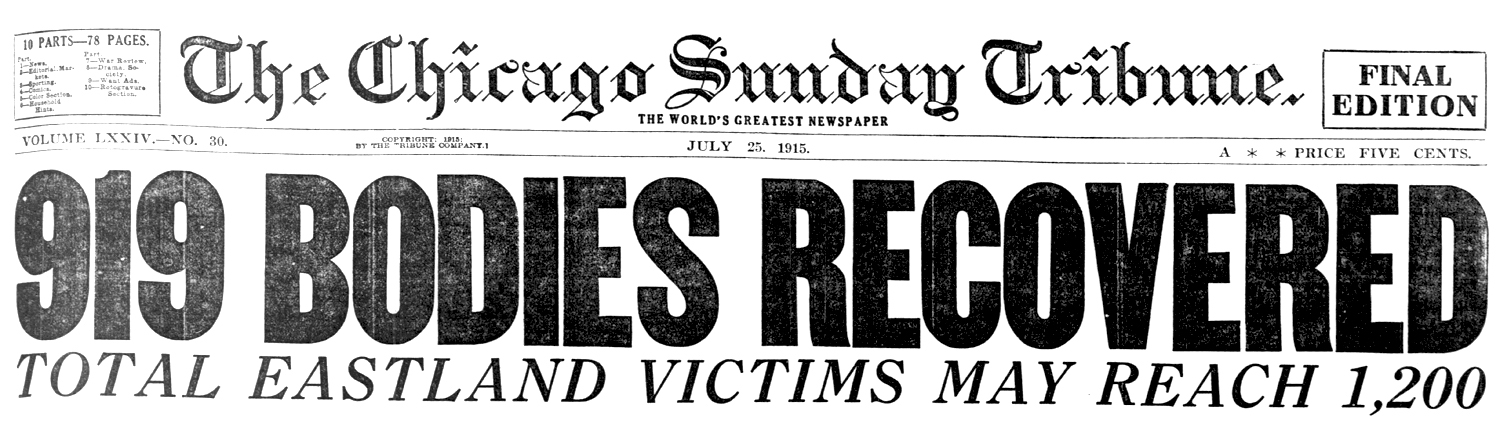
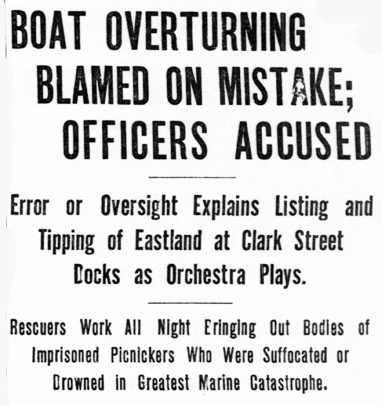
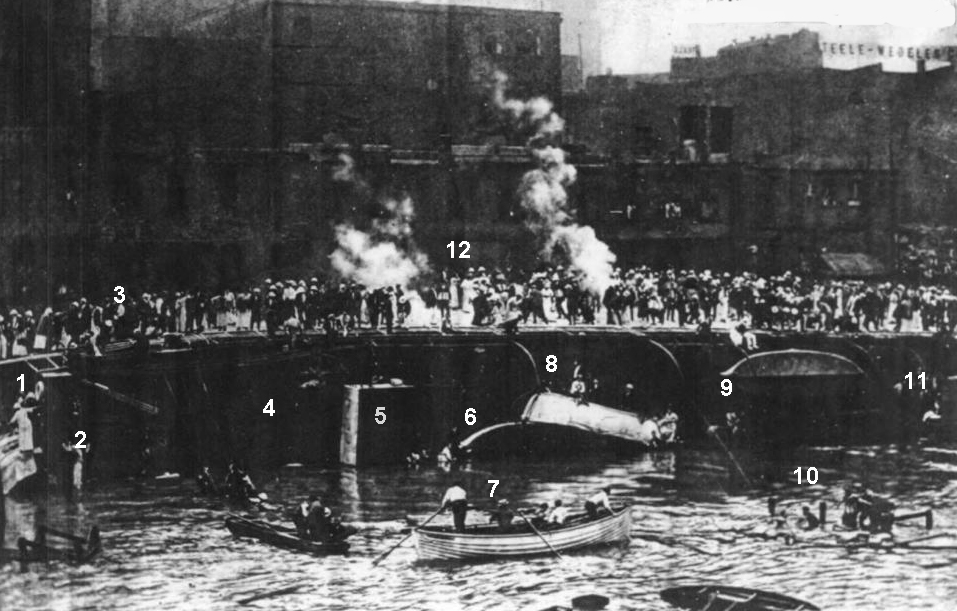
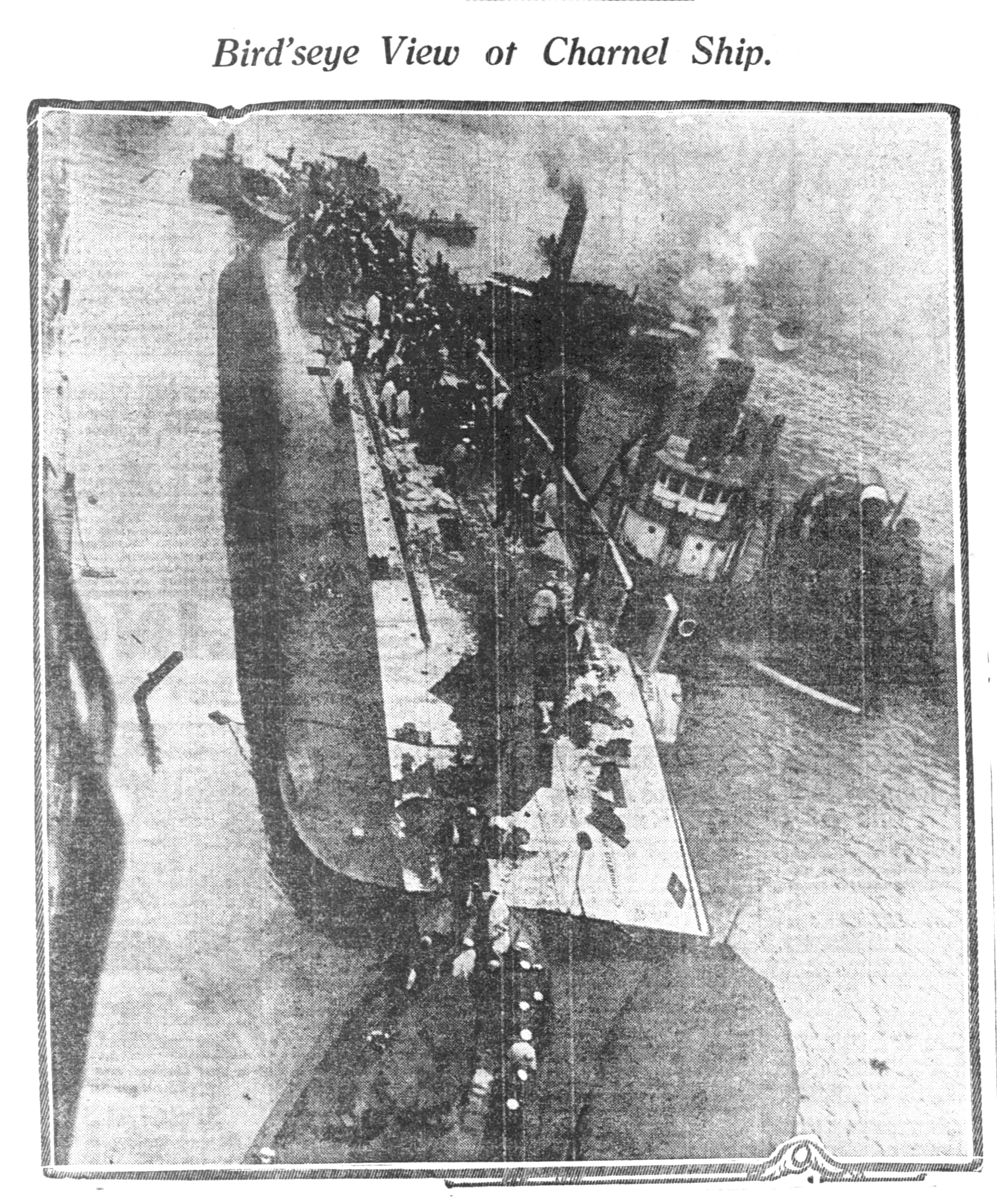
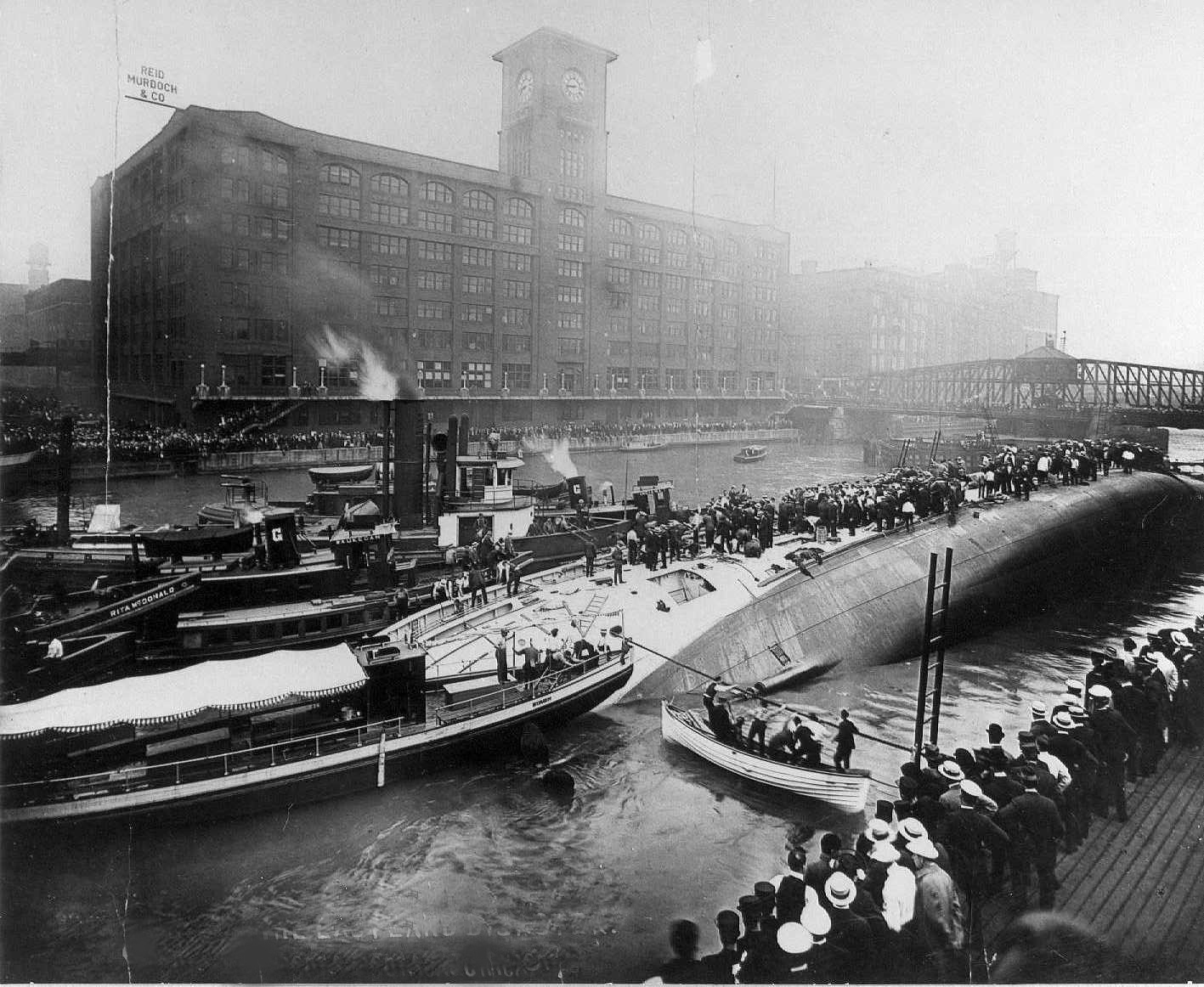
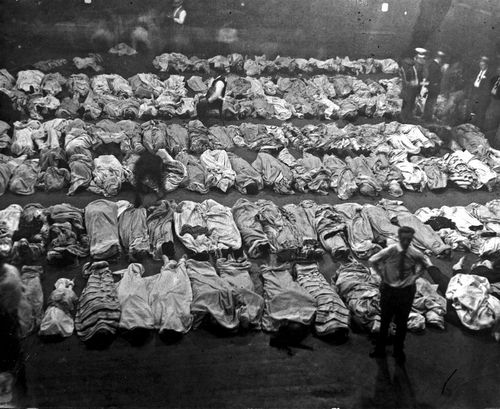
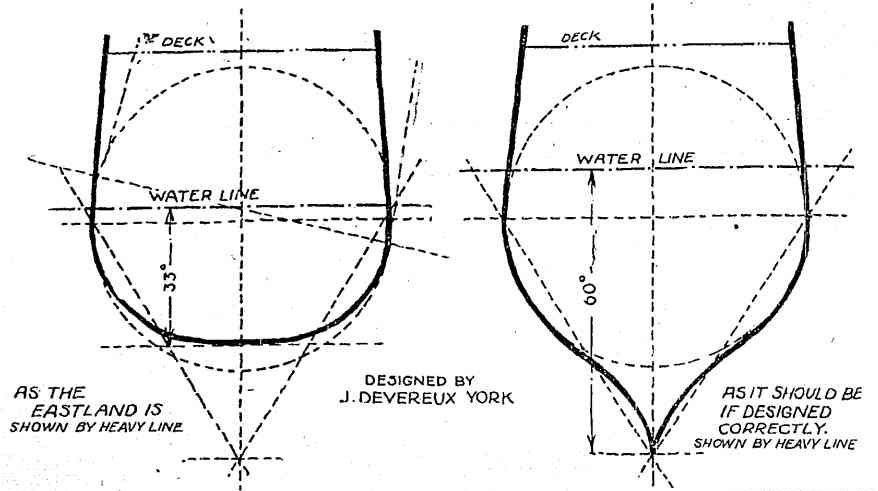
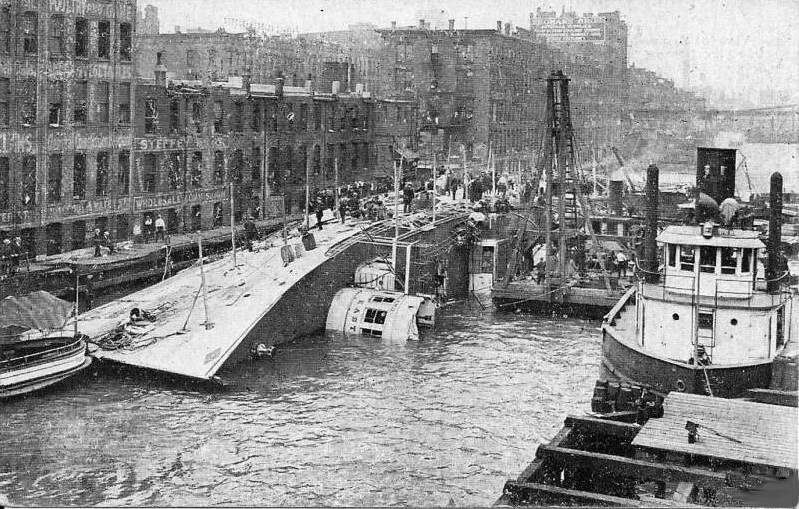
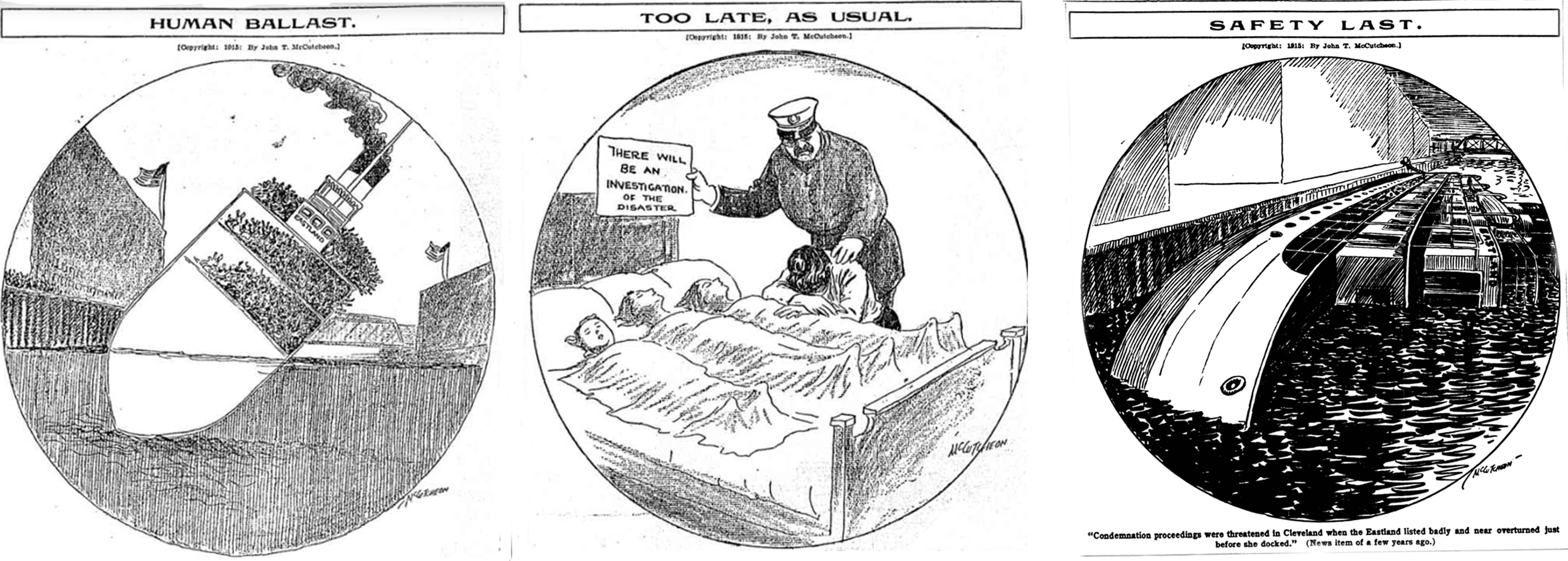
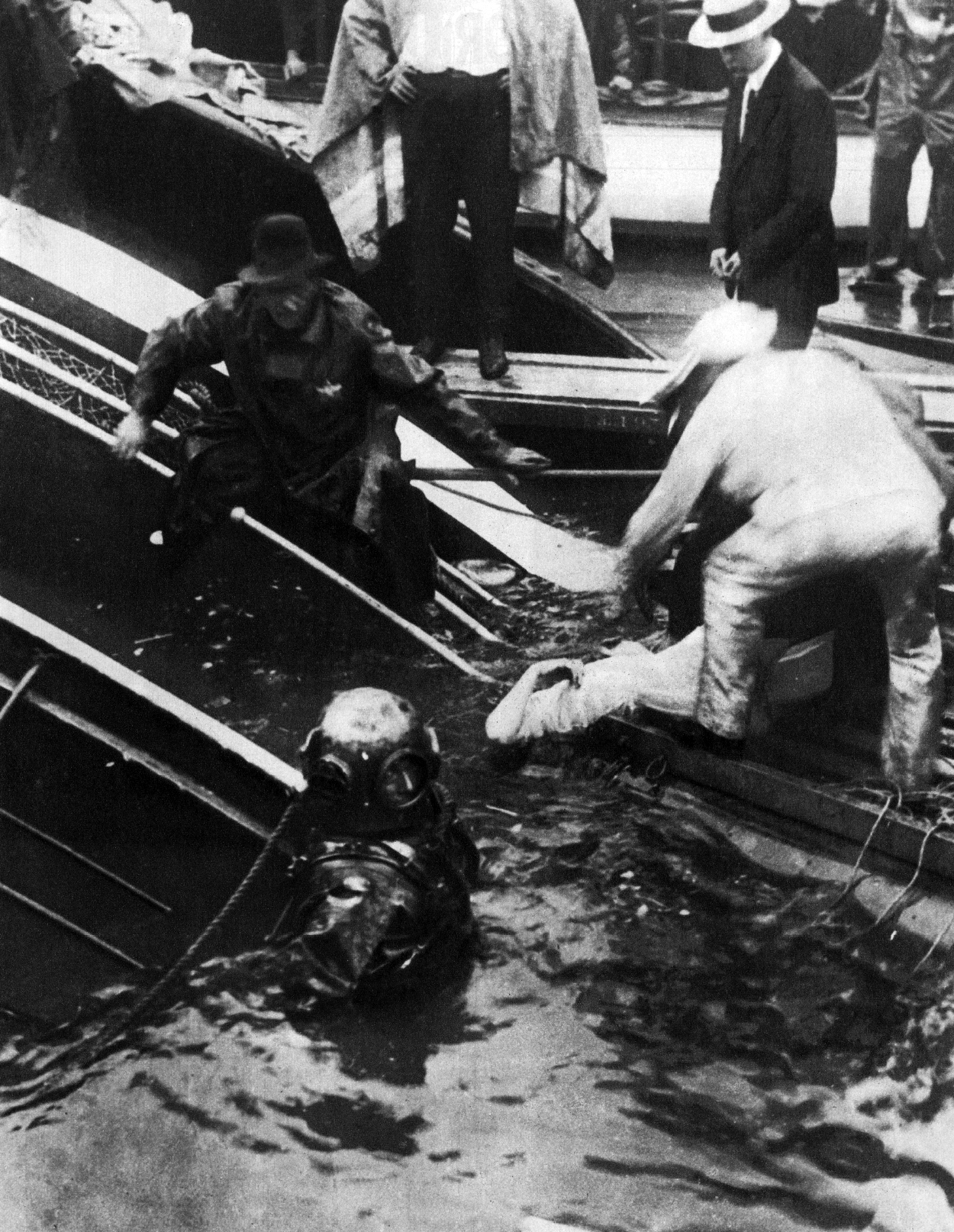
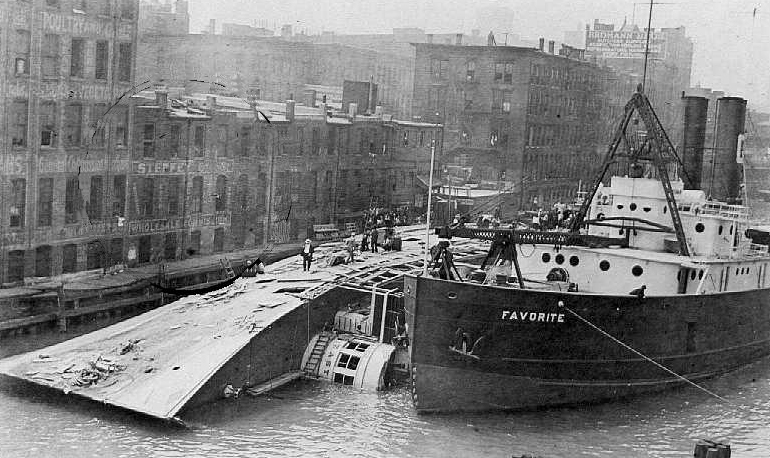
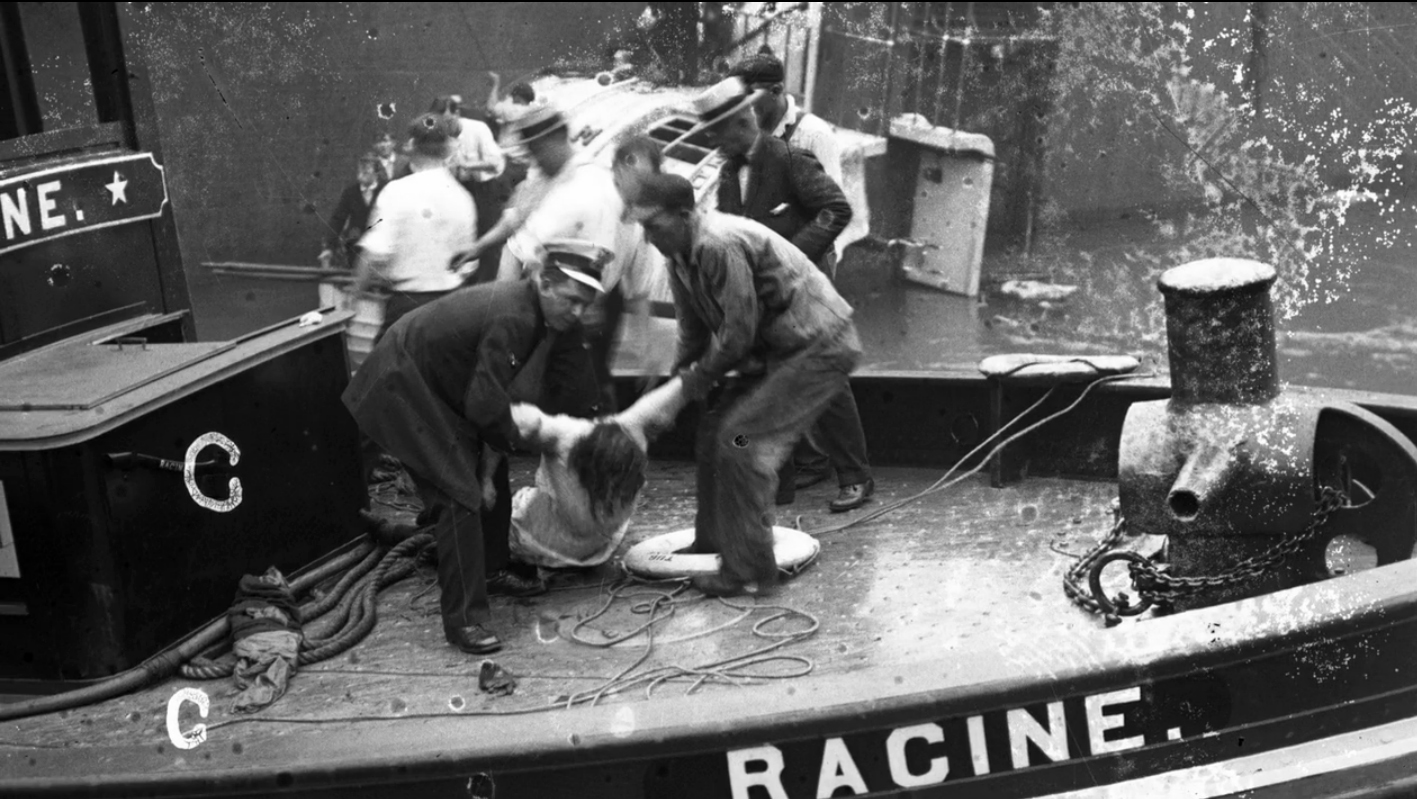
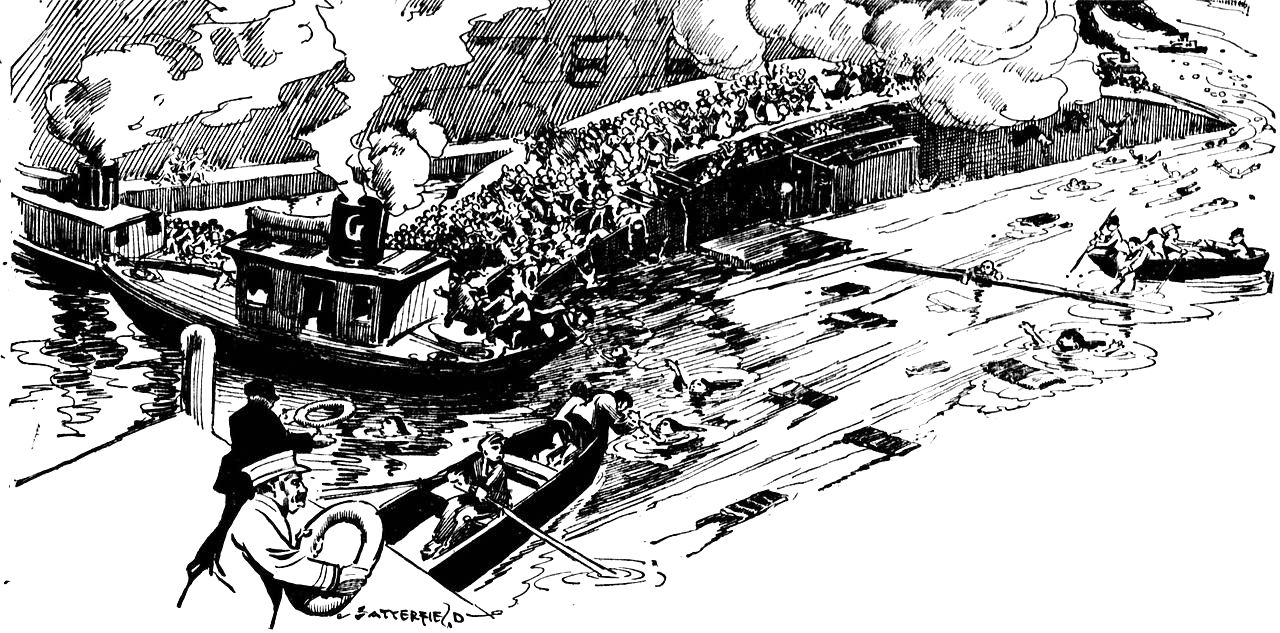
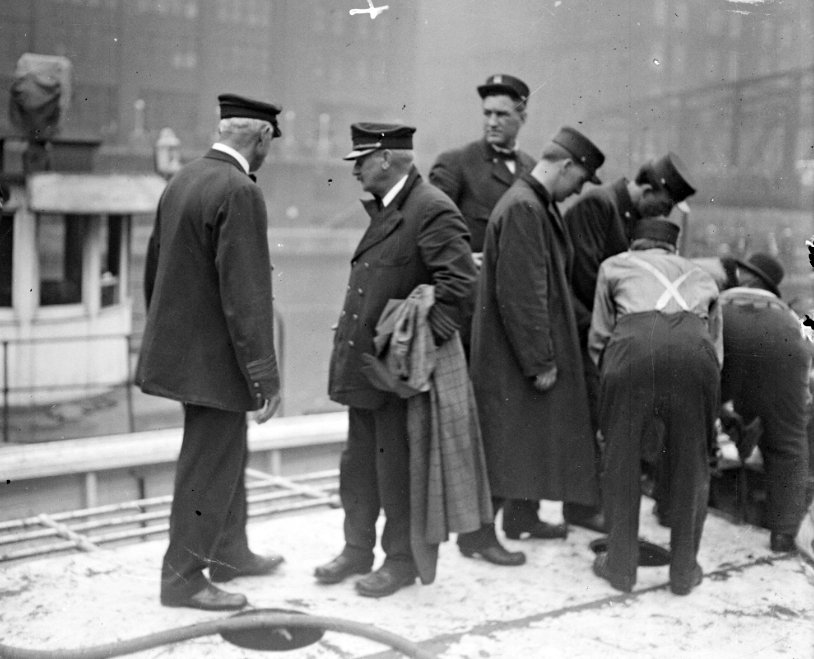
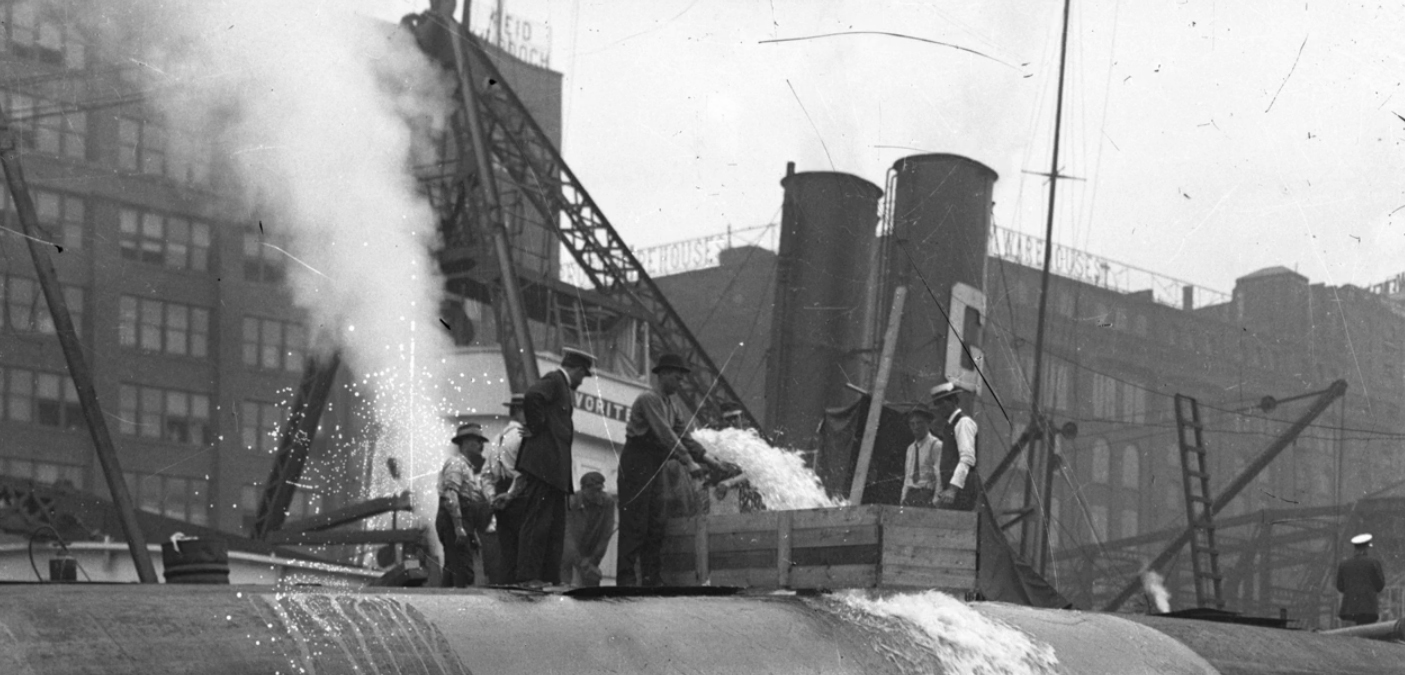
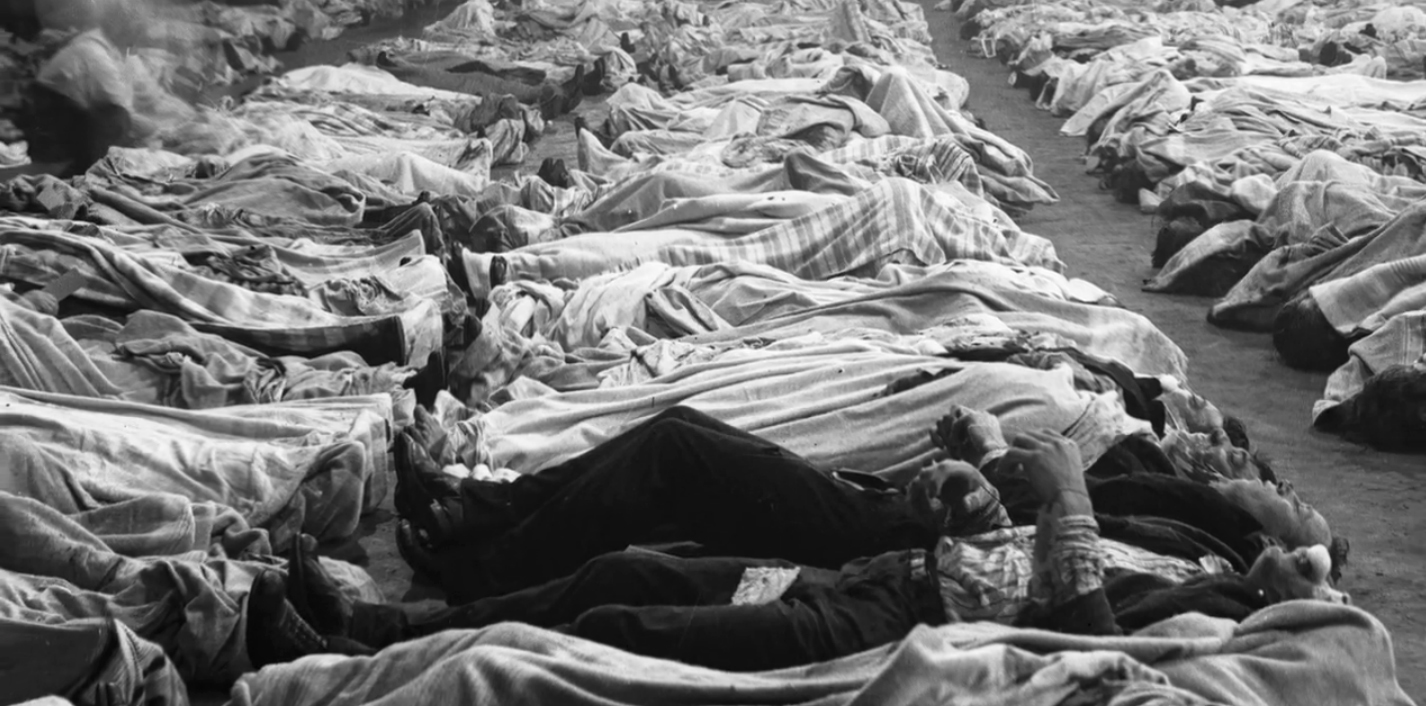
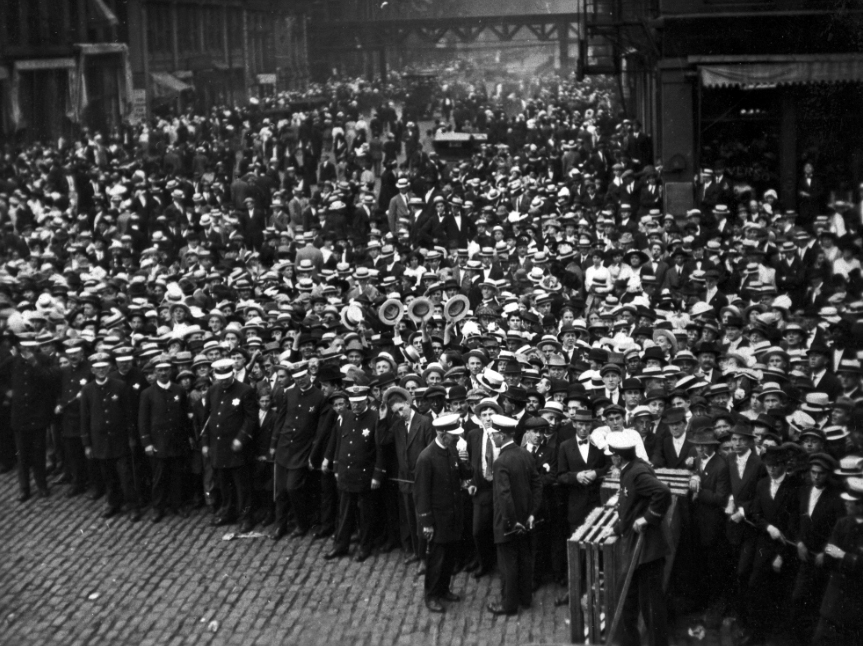
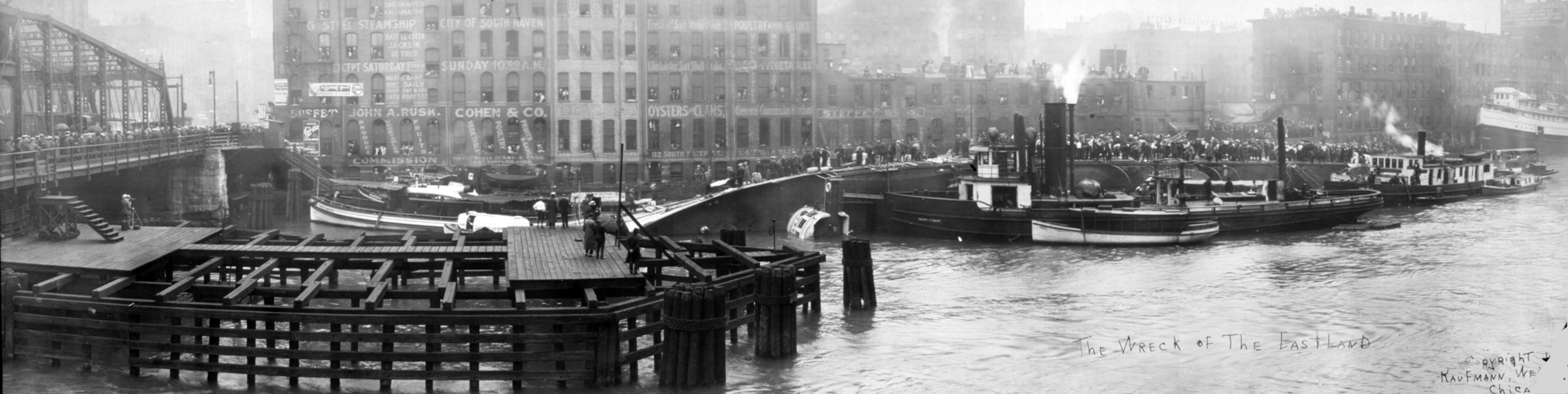
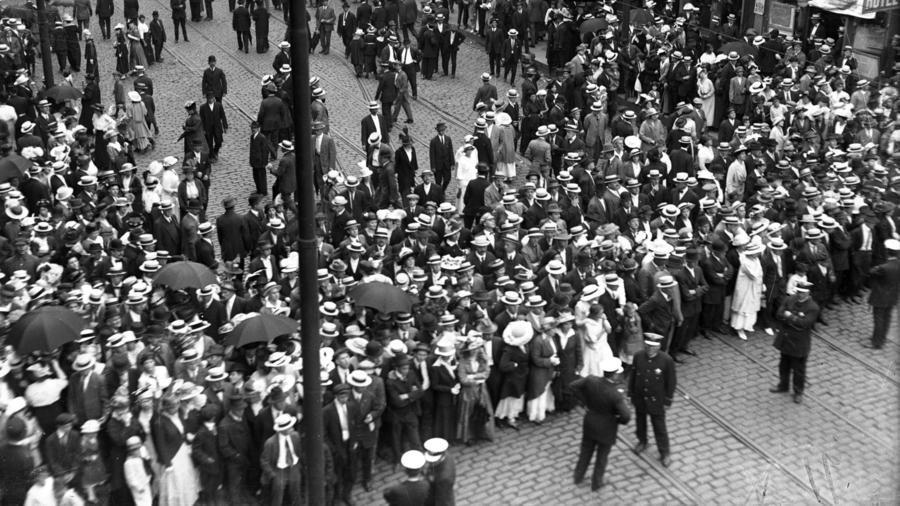
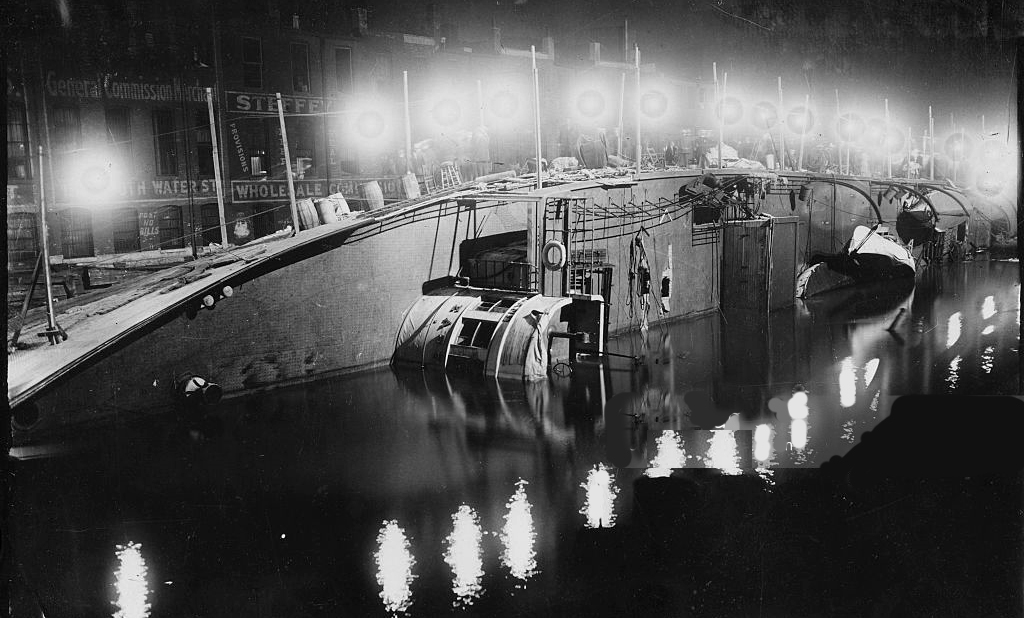
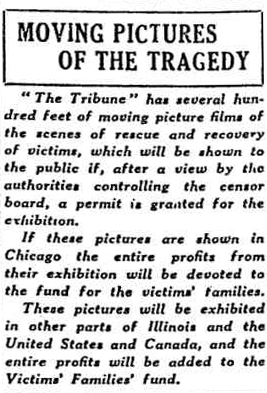
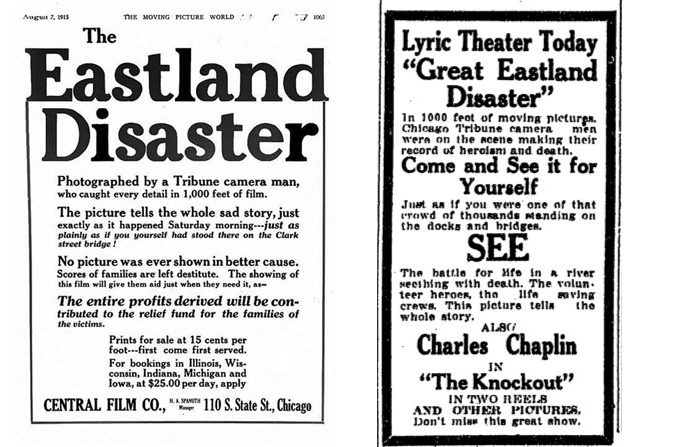
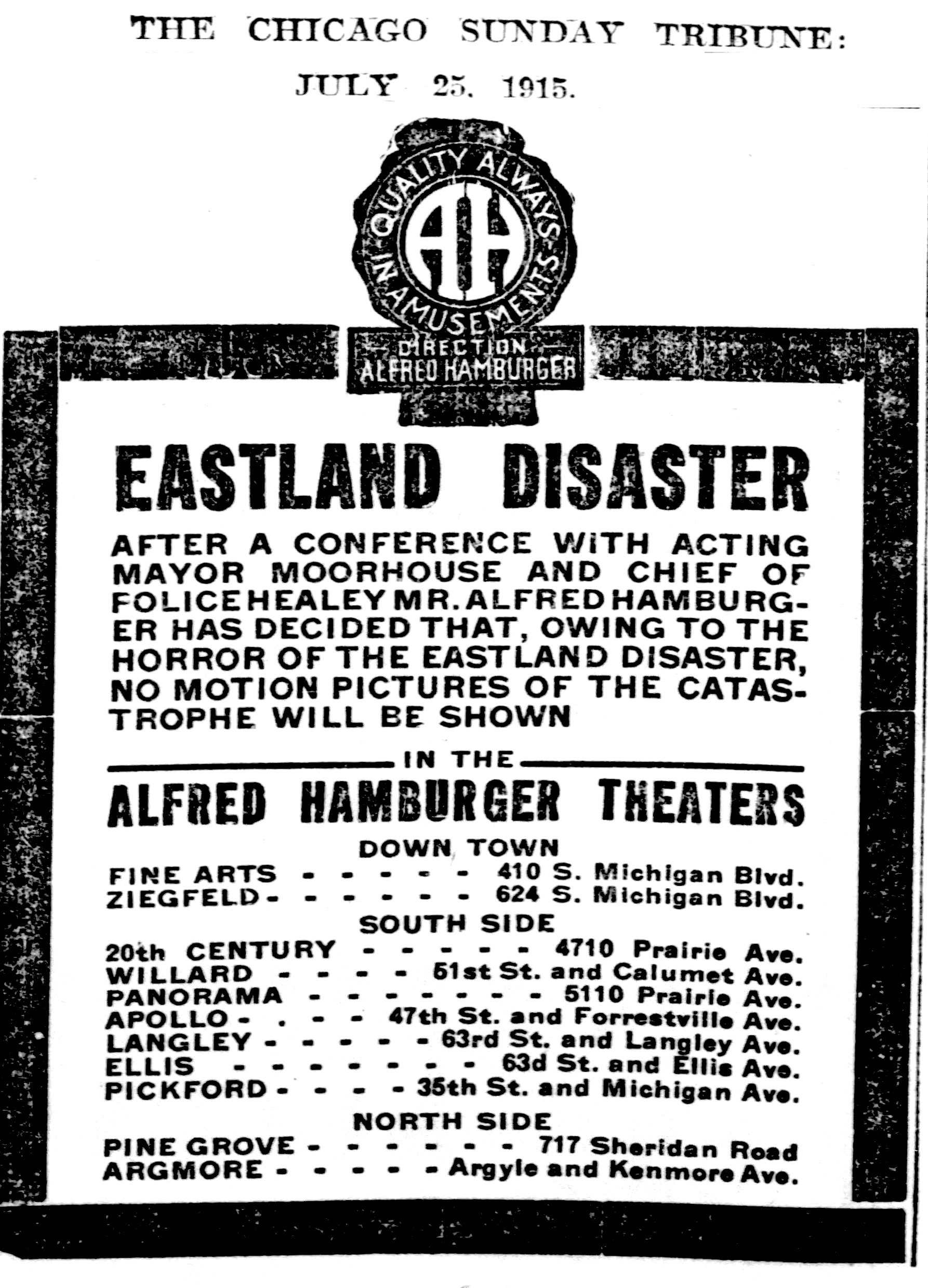
 Providence permitting the Eastland will be raised today.




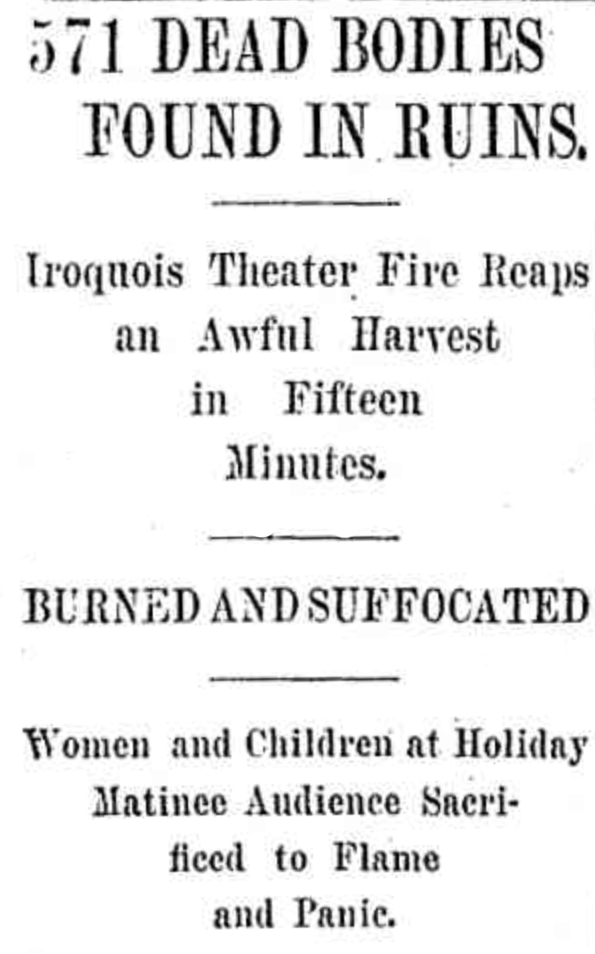
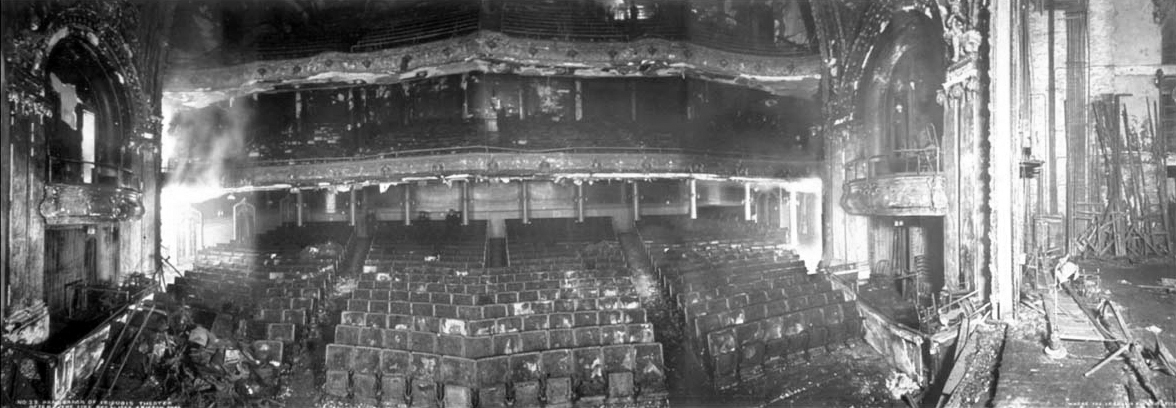
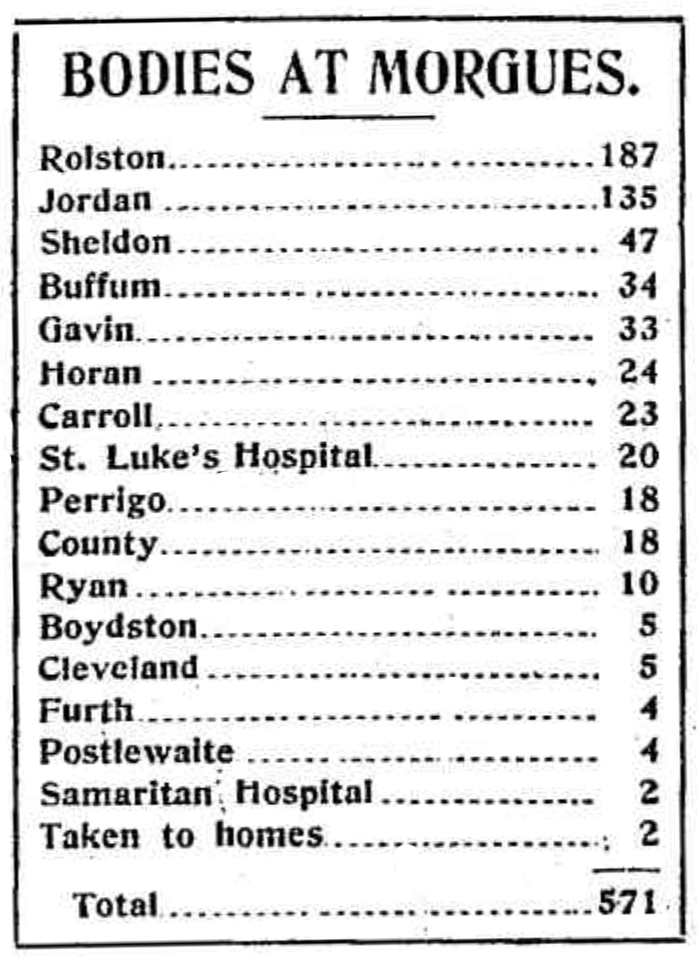
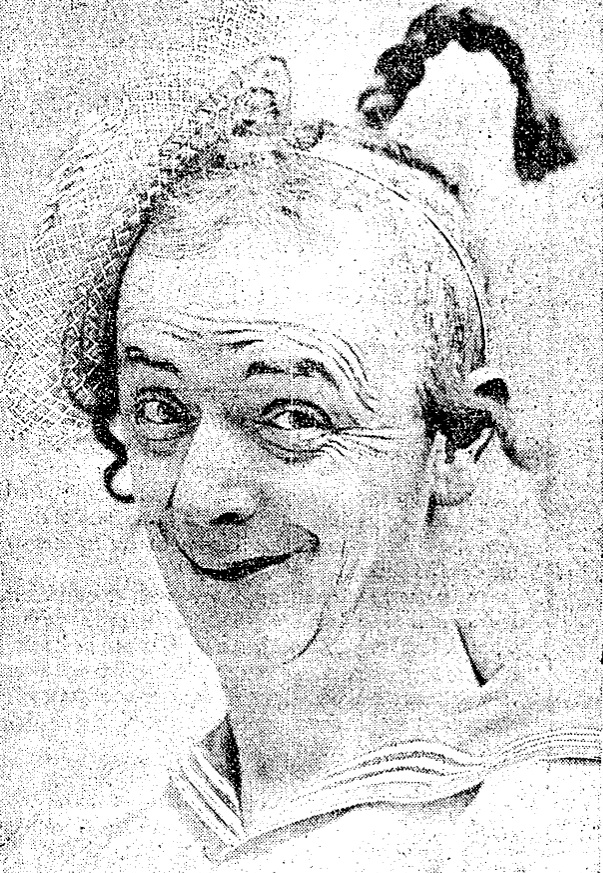
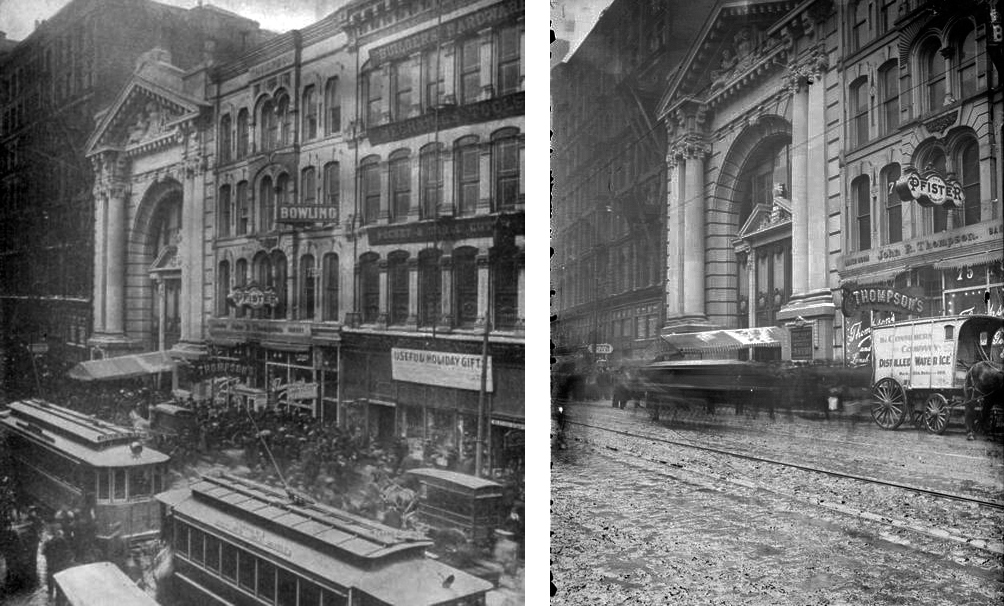
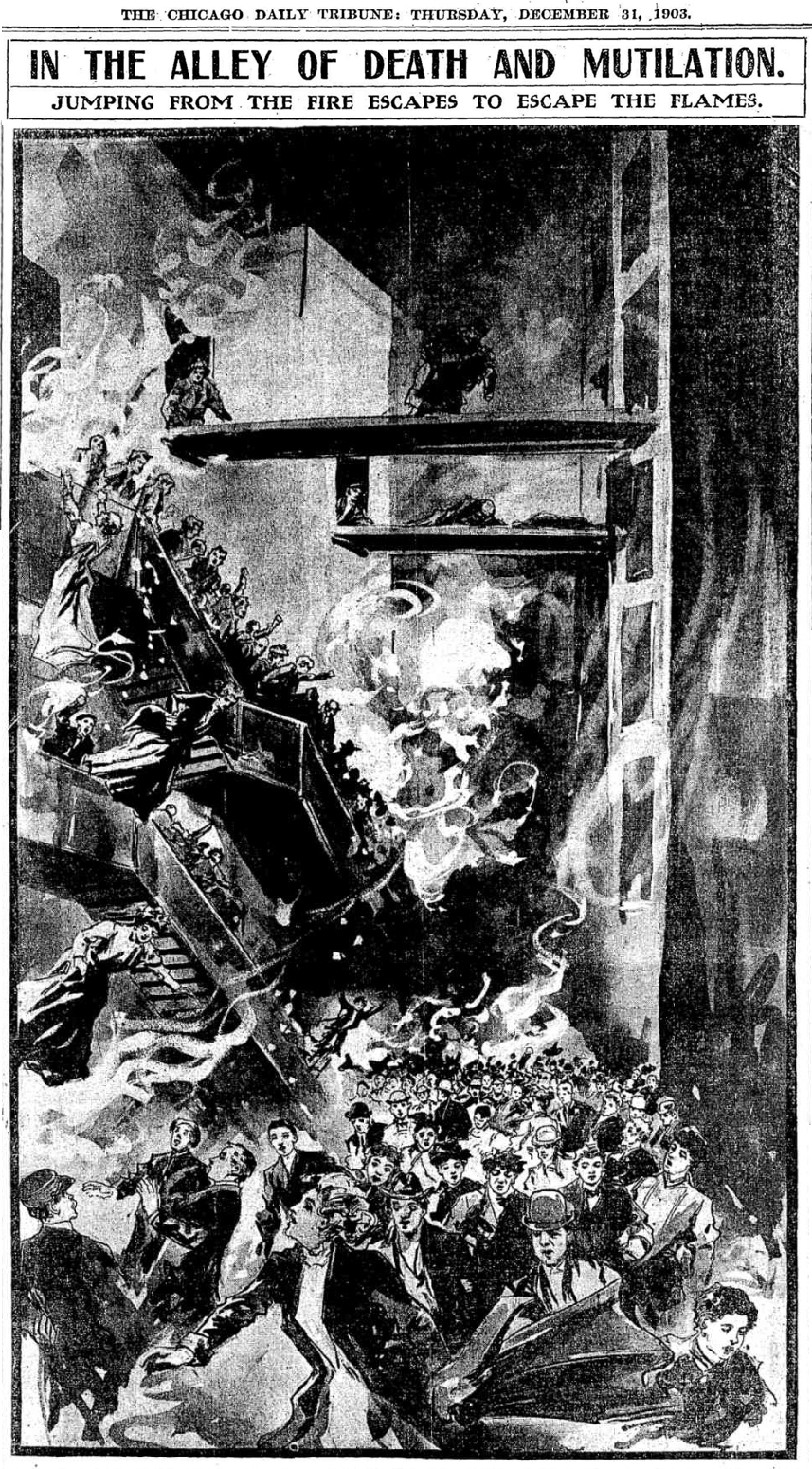
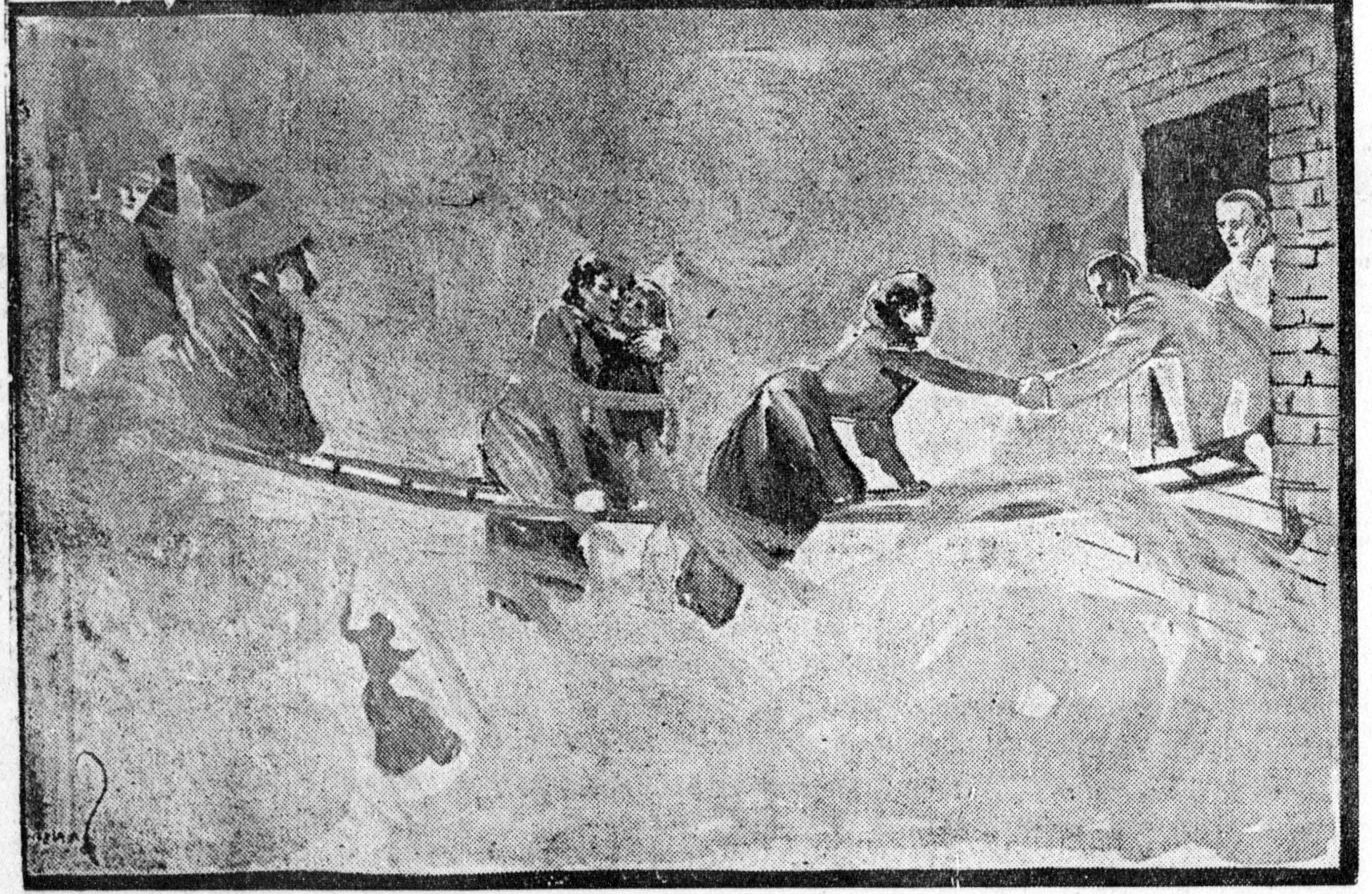
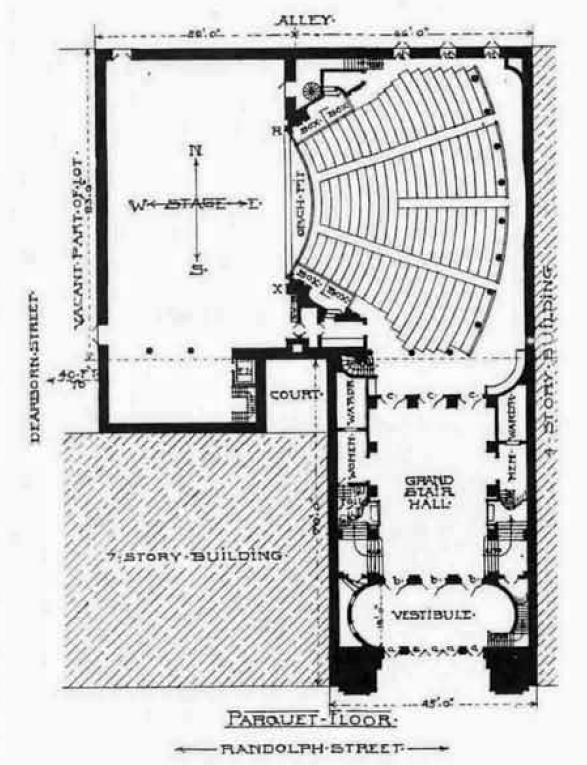
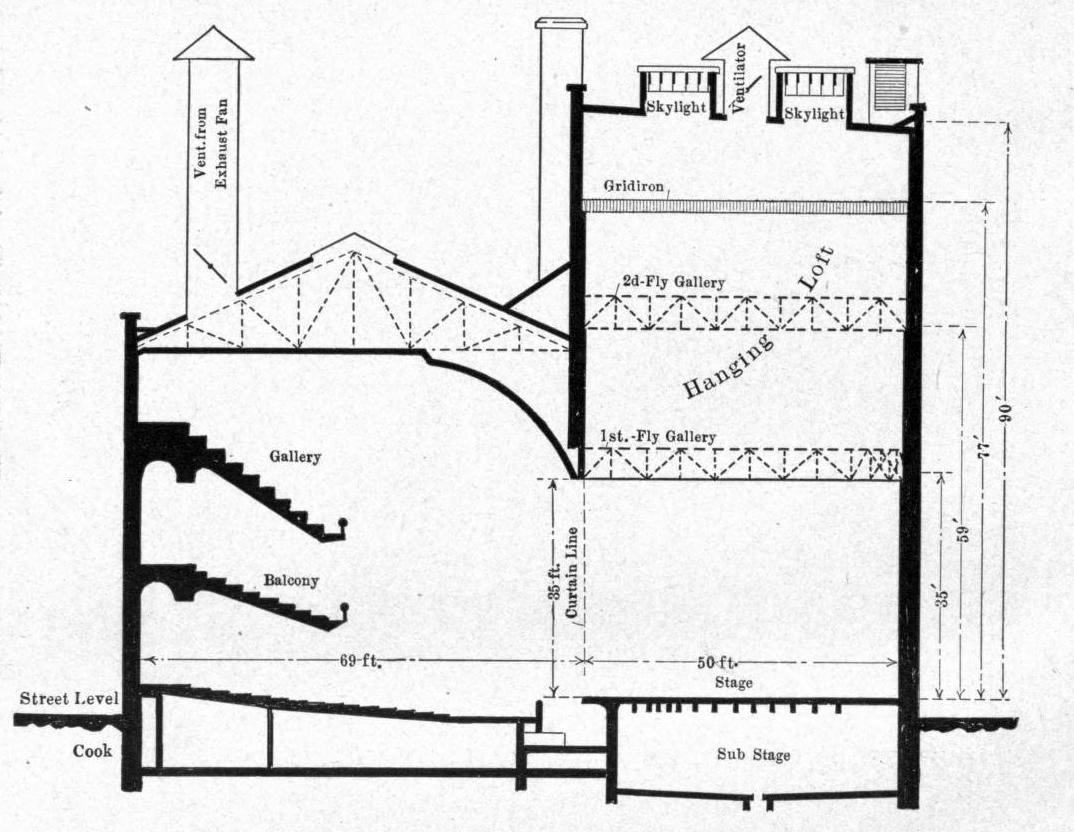
 EDITORIAL: TRUTH ABOUT THE IROQUOIS THEATER