Cochrane Saloon,
Life Span: 1856-1859
Location: 228 S. Canal
Architect: Van Osdel & Bauman
- D. B. Cooke & Co.’s City Directory for the Year 1859-60
Cochrane John, saloon, 228 S. Canal, h same
Chicago Daily Tribune, January 4, 1856
A six story brick boarding house on Clinton street, for J. W. Cochrane, 25 by 32 feet. Cost
$5,500. Van Osdel & Bauman, architects.
The Press and Tribune, September 16, 1859

 One of the most disastrous conflagrations that has ever visited our city, occurred last night on the West Side, which, while we write, at 12 M. is still burning fiercely and extending its ravages north and west.
Up to the present time an immense amount of property has been destroyed. which cannot fall below the figure named, and may exceed that sum from present appearances, unless the Fire Department succeed in checking the flames.
The fire broke out about 3.30 P. M., in a frame stable on Canal street, near the corner of Lake street, owned and occupied by T. Mehring & Co., Ice dealers. A high wind was blowing at the time from the south-east, and the flames were swept into the heart of the block which was occupied by high piled stacks of lamber, timber, &c., and also by very closely ranged wooden buildings, sheds, outhouses’ workshops, &c. By such material fed before tbe Fire Department had got well at work an immense volume of heat and flame was being driven north and west, which swept every thing in its course along the Lake street street and Canal street fronts. The latter were mostly small buildings of little value, the former were chiefly one and two story structures, and occupied by saloons, small stores, &c., &c., until midway of the block began the large Milwaukee brick structure, the Cleveland House. This with the Clinton House on the corner was destroyed.
Crossing Clinton street, the devouring element laid in rains the Cochrane House, a six story marble front building, owned by J. W. Cochrane, Esq. Also the Hydraulic Mills, a four story stone structure, owned by Mr. Monroe, and occupied by Mr. Mitchell, and E. W. Blachford’s extensive Lead Works. The fire, then spread to the adjoining block destroying the Reformed Presbyterian Church, of which Rev. Robert Patterson is pastor, and a row of good dwelling houses adjoining. How far the fire will extend, we cannot definitely, state at the time of going to press; but there is little doubt that the entire four blocks which are described. will be in ruins.
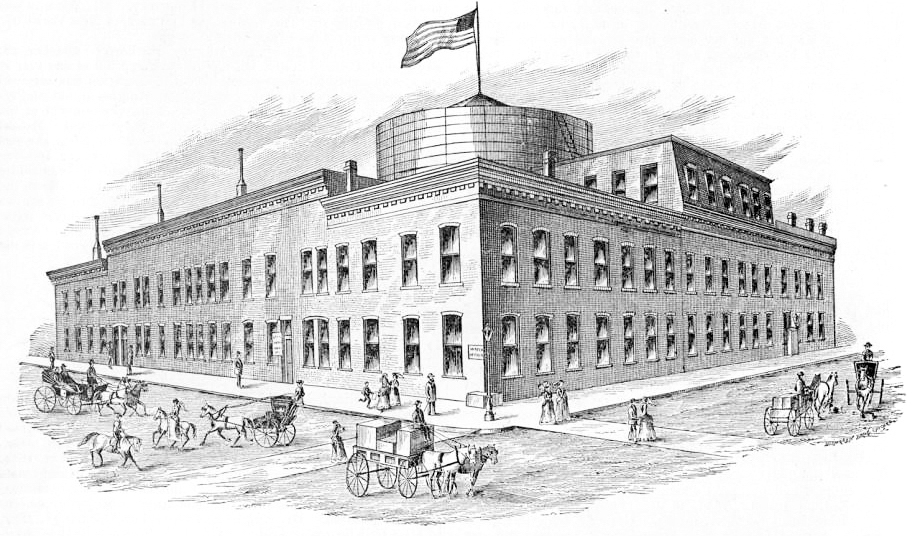
The Cochrane House was an elegant six-story structure of the first class in hotel architecture, and finished and erected some three years since, by J, W. Cochrane, Esq. It was six stories in height, and fronted on Lake street, just west of Clinton street. It was of Athens marble front, and thoroughly appointed and finished for hotel business of tbe first order. In fact, it was too good and too much in advance of that immediate section of the city, to have proved a profitable investment of the outlay, nearly $50,000 we believe, and it had for some time stood unoccupied. It was finished below for stores on its Lake-street front. The fire commenced its work upon this fine structure at the roof, and thence, far above the reach of the firemen, it ate its way down into the heart of the building, totally destroying it.
An ell from the Cochrane House, of equal height with the main edifice, extended east with the main building, to Canal street, thus forming an angle on tbe corner of the streets, occupied by a three-story brick building, eighty feet on either street. This, occupied by various tenants, was also destroyed.
Next west of the ell of the Cochrane House, was the stone structure occupied as the Hydraulic mills. This was completely gutted.
The Chicago Lead Works, of E. W. Blatchford, were erected in 1856, at a cost of about forty thousand dollars. It was the largest establishment of the kind in the West, if not in the United States, and in a manufacturing point of view, was one of the chief ornaments of the city. Besides the buildings, there were destroyed 500 barrels of linseed oil, machinery, lead, lead pipe, sheet lead, &c., to the value of upwards of $60,000. The business carried on was immense, for besides manufacturing upwards of 100,000 pigs lead annually into lead pipe, sheet lead, with &c., they were extensive dealers in shot of all kinds. The engine is spoken of as being one of the finest in the West, and their machinery was of the most perfect character in every particular.
The building itself was very fine—having been constructed without regard to expense, and in a most durable manner, as all who witnessed the scorching it received before it fell can testily.
One thing with regard to it, however, had been overlooked. There were no iron shutters on it—a strange mistake, when its position to the lumber yards opposite, is taken into consideration. It is not too much to state, that had the windows been securely closed by iron frames and shutters, the Chicago Lead Works might have been saved, and the limits of the fire lessened.
Further Particulars.
When, as one of the crowning attractions of the Great United States Fair in this city, was proposed a grand trial of Steam Fire Engines, it was most lamentably opportune that the con flagration took place. Never before did we see so much force displayed with so little confusion, and noise. At the time the fire broke out, the Hope Fire Engine Company, of Philadelphia, were at supper at the Orient House, when they instantly started for the scene with their steam engine, and rent to work most vigorously, rendering our own Fire Department much assistance. The city fire engines also did noble work, but the high wind proved too much for them all combined. And now, if not before, it must seem unfortunate that the number of our steam fire engines has been for any reason whatever allowed to await a reinforcement. Under ordinary circumstances it could have been subdued without difficulty.
Details of the Fire.
The fire commenced in the livery and sale stables of F. Mehring, 47 and 49 North Canal street, consuming all its contents including fonr valuable horses, one a stallion valued at $1,OOO, owned by Thomas Wilson, of Palatine in this county. From thence it spread to another stable in the rear, belonging also to Mr. Mehring. There were but six horses in this stable, all of which, were rescued. The fire then communicated to the blacksmith shop on the North side (No. 45) of Redmond Hunt & Co., which was speedily consumed, spreading thence in different directions, destroying the entire block, bounded by West Lake, Clinton, Falton and North Canal. In this block, on Lake Street, were the Cleveland house, kept by Wm. Sander, and.owned by S. L. Baker, valued at $37,000 and insured for $15,000; the Clinton House adjoining on the West; the lumber yard of Wm. Avery & Co., on the corner of Canal and Fulton, containing 3,000,000 feet of lumber, valued at a $30,000—insured for 15,000, and a large number of small buildings.
From the block above named the fire communicated to the building attached to E. W. Blatchford’s Lead Works, and from thence to the Lead Works, which were consumed. From the Lead Works it communicated to the Hydraulic Mills, and these, with the entire block by West Lake, North Jefferson, Fulton and Clinton Sts., were entirely consumed. In this block, on West Lake street, were Cochran House, owned by J. W. Cochran, valued at $65,000; (there was an insurance, for a considerable amount, but how large we could not learn,) the West Washington House, a fire-engine house, and various residences.
On the north, from the northwest corner of North Canal and Fulton, the fire communicated to the extensive lamber yard of Ryerson, Miller & Co., destroying 2,500,000 feet of lumber, valued at $25,000 and insured for $12,000 to $14,000; thence to the hard wood lamber yard of Sutherland, entirely destroying his stock, valued at $IO,OOO, and insured for $3,400; Walter Lull’s lumber yard, adjoining on the North, he having about 2,000,000 feet of lumber, valued at $20,000, with some insurance, but how much we cannot learn. The machine shop of Mason & Co., next to the corner of Carroll and North Canal street; the Blue Bonnet House on the corner, with a large number of tenements.
From Ryerson’s lumber yard it communicated to the Vulcan boiler works, of Warrington and Mc Arthur; thence to the Vulcan boiler works, destroying the block bounded by Fulton, North Jefferson, Carroll and Clinton streets. On this block was the Reformed Scotch Presbyterian Church, and a number of goad dwellings; on Jefferson street the packing house of Philips & Co; the planing min belonging to E. A. Rucker, together a, number of other buildings belonging to the same gentleman, whose entire loss is $7,500 and no insurance. There were a number of other valuable buildings on this but we could cot learn who their occupants were.
At the time of going to press it seemed as if the fire might be confined within the limits of the four blocks described. It may spread farther end prove still more destructive, but we trust not.
It is impossible to determine, at this hour, anything; take tho actual amount of property destroyed, but we think we are not greatly out of the way in placing it at half a million of dollars. It may prove, more than this—we hope it may prove less, of coarse, anything like the amount of insurance on the property cannot be known in time for our present issue.
In the block in which the fire originated, besides the more prominent buildings mentioned above, the following buildings were destroyed:
- Door Sash and Blind Factory of Mr. Roelle, 41 Canal street.
Saloon, called “North River Hall,” kept by A. Mach, at 43 Canal Street.
Blacksmith Shop by Redmond, Hunt & Co., 45 Canal street.
Peterkin’s “Exchange Saloon” at 51 Canal street.
H. Finnegan’s saloon, at 53 Canal street.
Store of B. Lummix, with groceries, &c., at 49 Canal street.
Soda-water establishment of John Lummix on West Lake street.
Billiard Saloon, under the Cleveland.House.
Wine, Liquor and Rectifying establishment of B. Bernauer, 50 West Lake street.
C. & W. Matther’s Grocery Establishment, 60 West Lake street.
Reuben Taylor’s Land Office, 58 West Lake street.
Besides a quantity of other small buildings occupied as dwellings.
The Want of More Fire-Engines.
Since the inauguration of steam fire-engines, we have not had fires extensive enough to show our citizens how much they were needed. Last night, while the flames spread rapidly from block to block, it was painfully apparent to all that we ought to have at least two engines in each division of the city. We trust the matter will be token into immediate consideration.
Accidents.
While a saloon on Canal street was being burned, a member of the Fire Brigade, named L. Pearce, a constable of the Third Ward, and another man, whose name we did not learn, rushed into the house, and after saving some property, were compelled to jump from the upper story windows, and were severely injured. Mr. Pearce had to be taken home in a carriage. We did not learn the fall extent of his injuries.
Later.
2 A. M.—The fire is at length subdued. After having crossed Carroll street to the block bounded by Carroll, No. Jefferson, the Galena R. R. track and Clinton st., it consumed the entire block, making five blocks in all destroyed.
Full Account of the Great Fire.
Extra copies of this morning’s Press and Tribune containing full particulars of the great fire in tbe West Division, as well as a complete report of the National Fair, can be obtained at the counting-room, No. 51 Clark street.
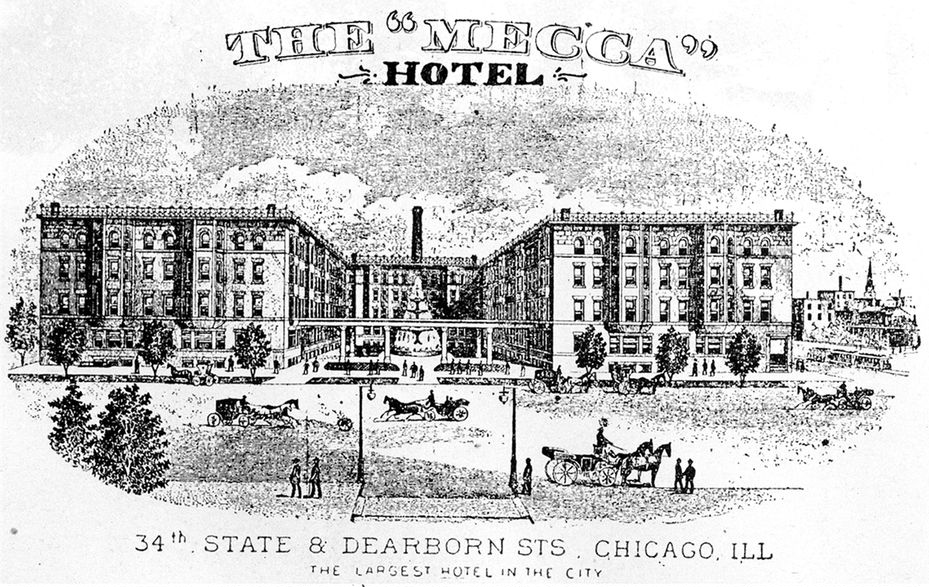
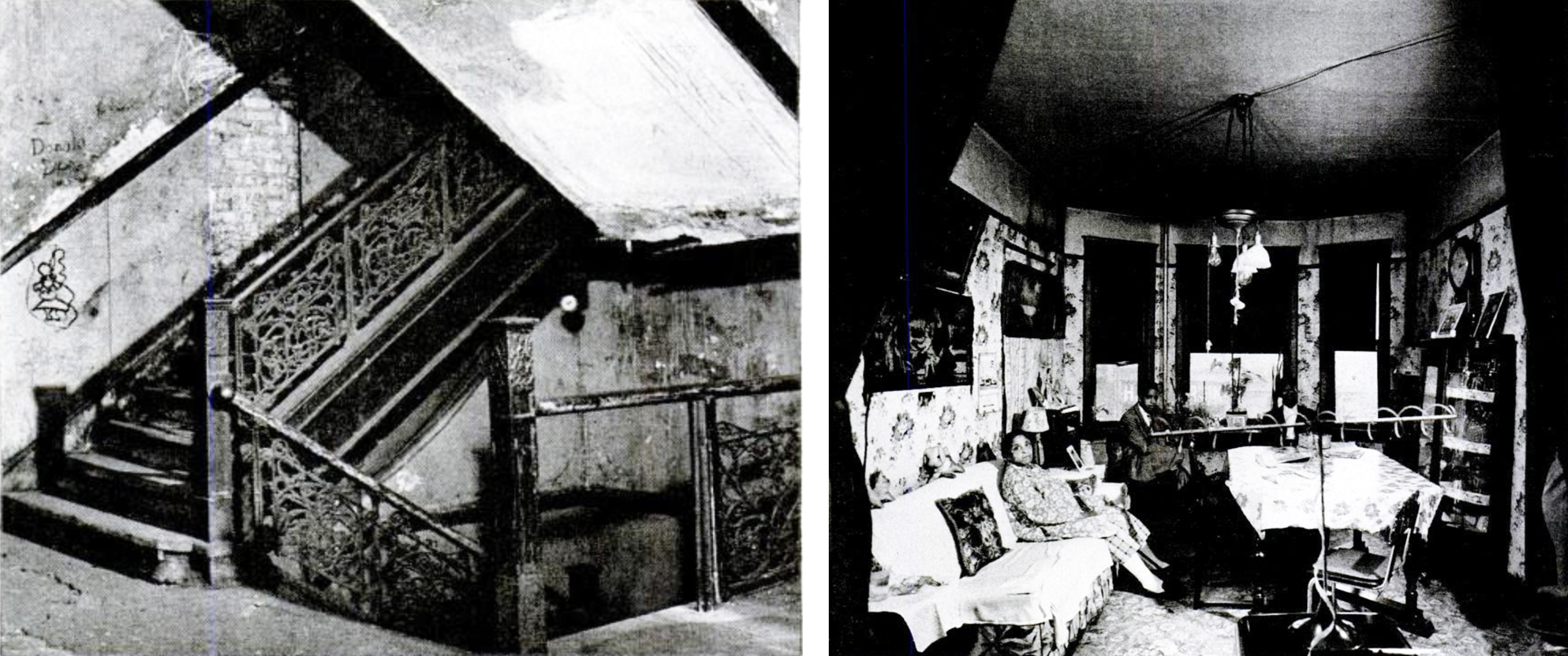
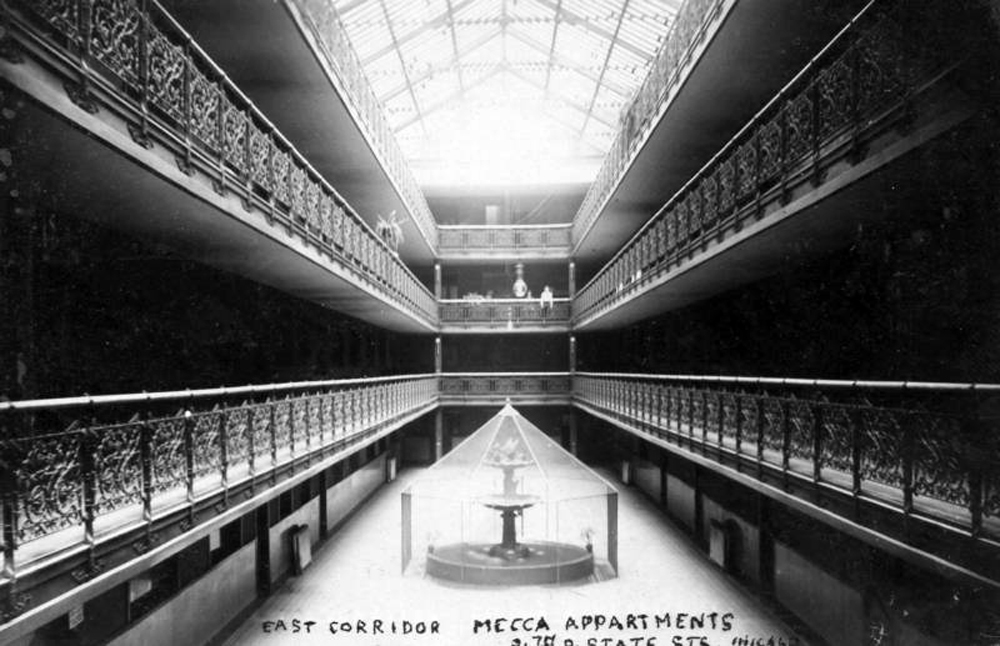
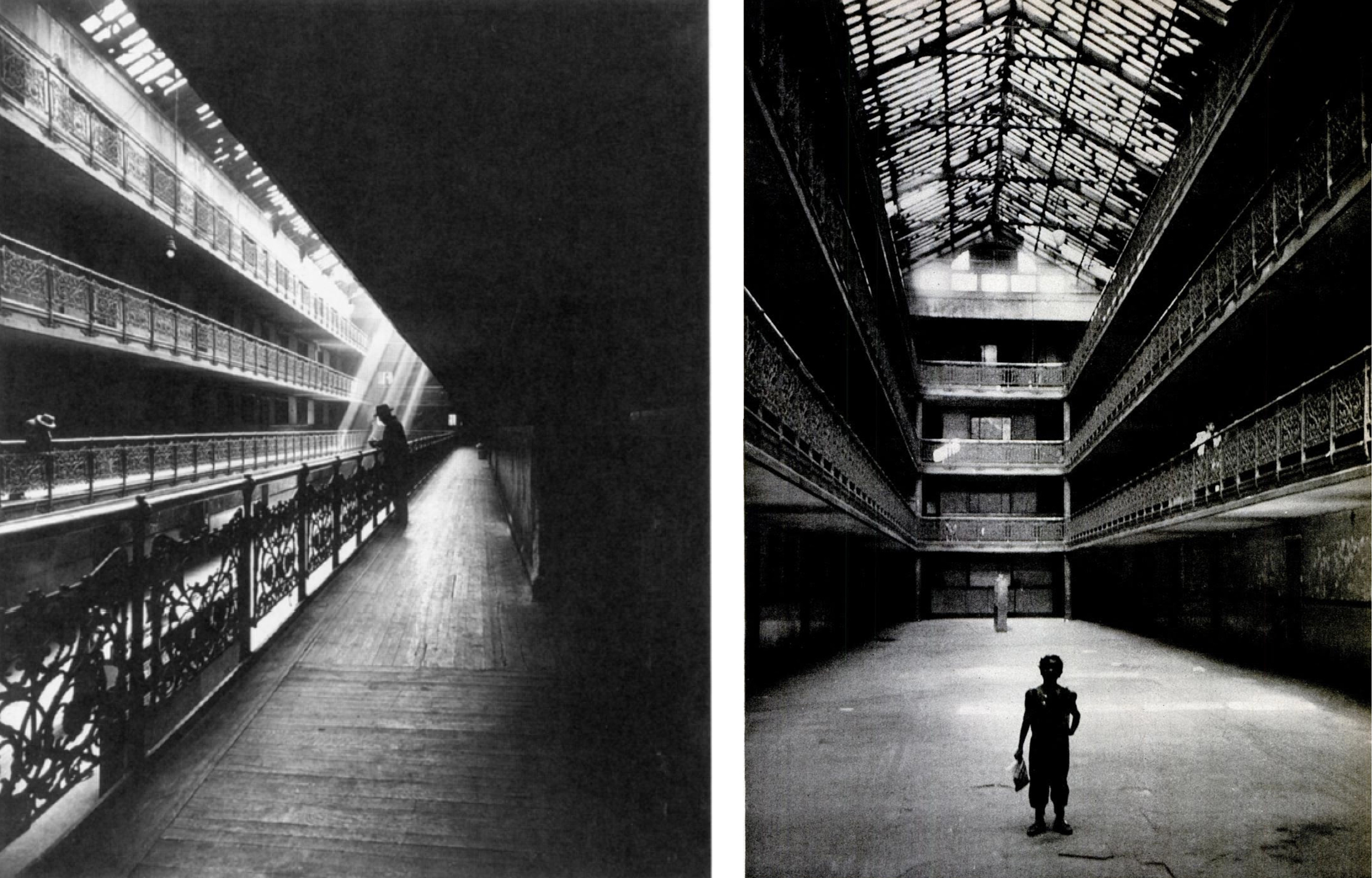
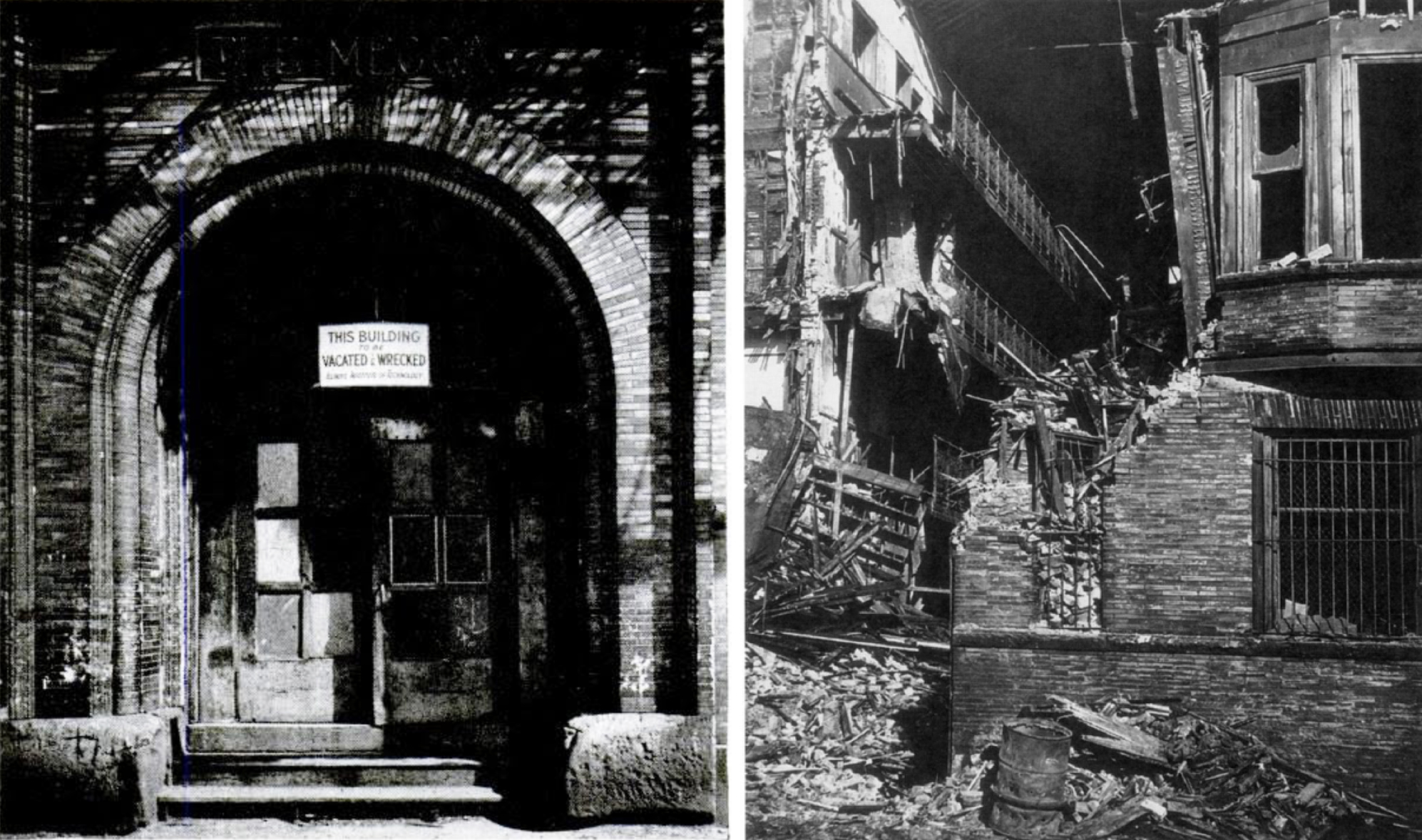
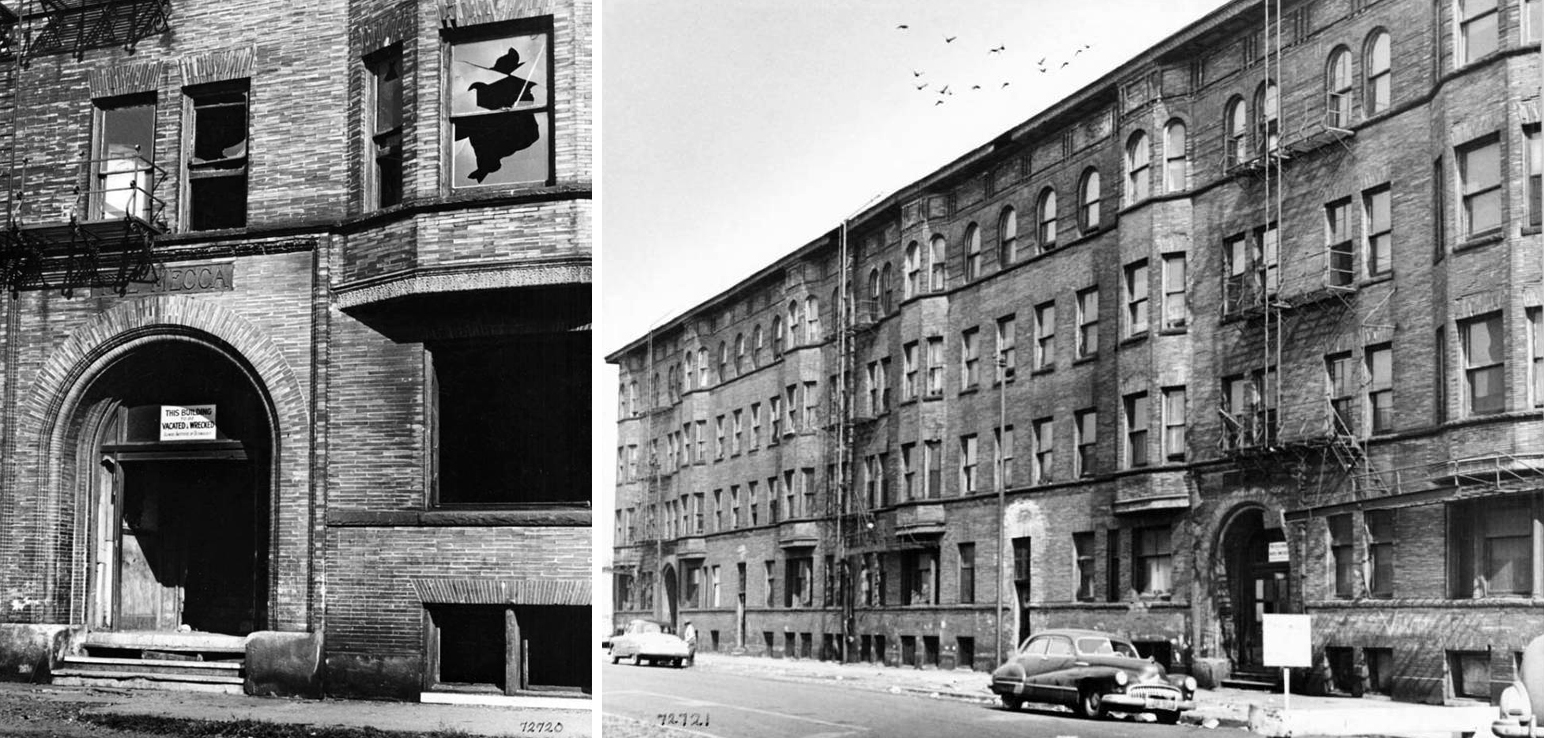
 The hundreds of newspaper men from all over the country who are quartered at the Mecca Hotel, at State and Thirty-fourth streets, devoted the earlier hours of yesterday to enjoyment and sight-seeing, with a view of unlimbering themselves after the fatigues of travel. They are a jolly sociable crowd and took readily and with zest to the many programmes of entertainment designed to make their stay in Chicago pleasant.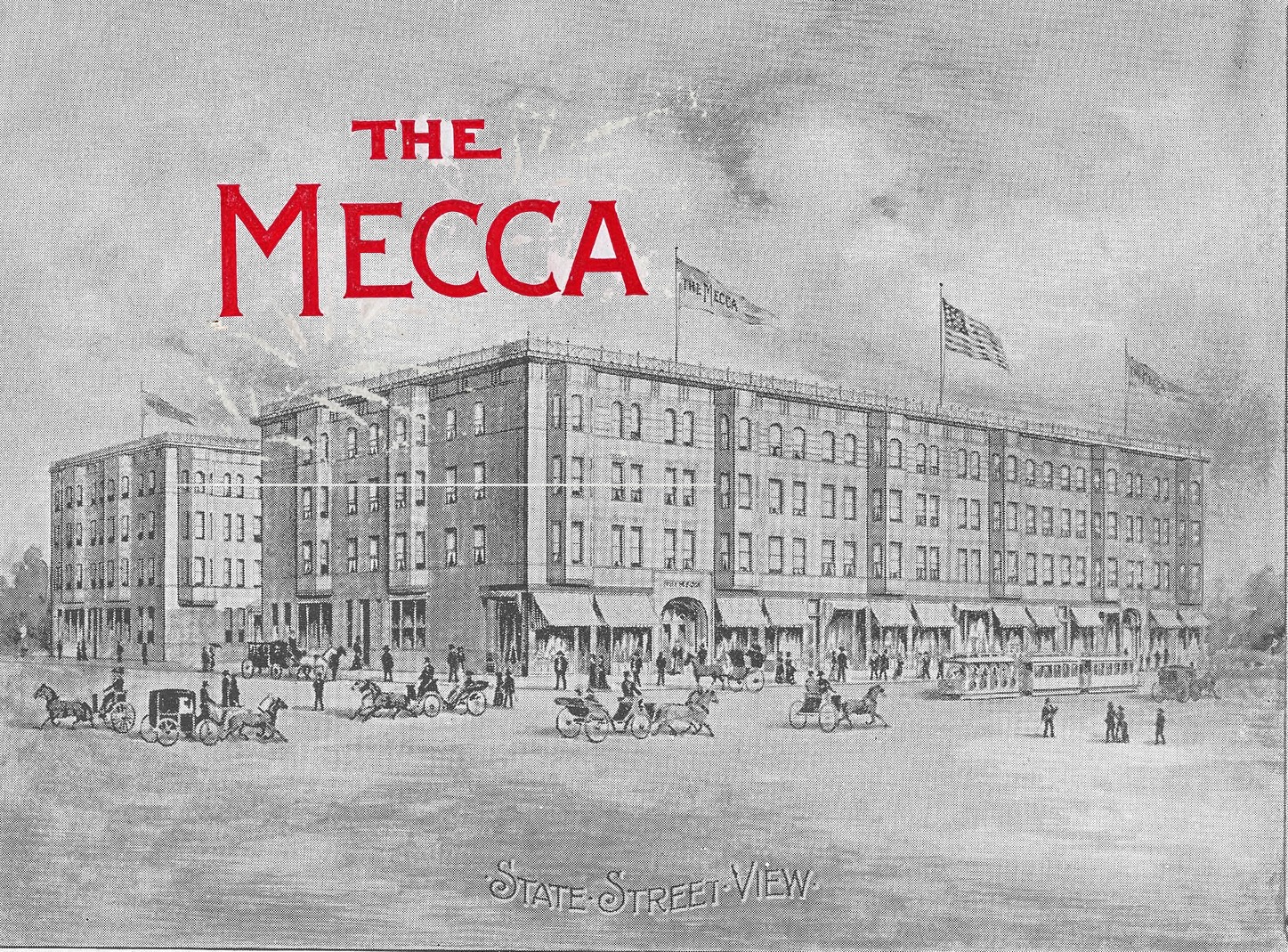
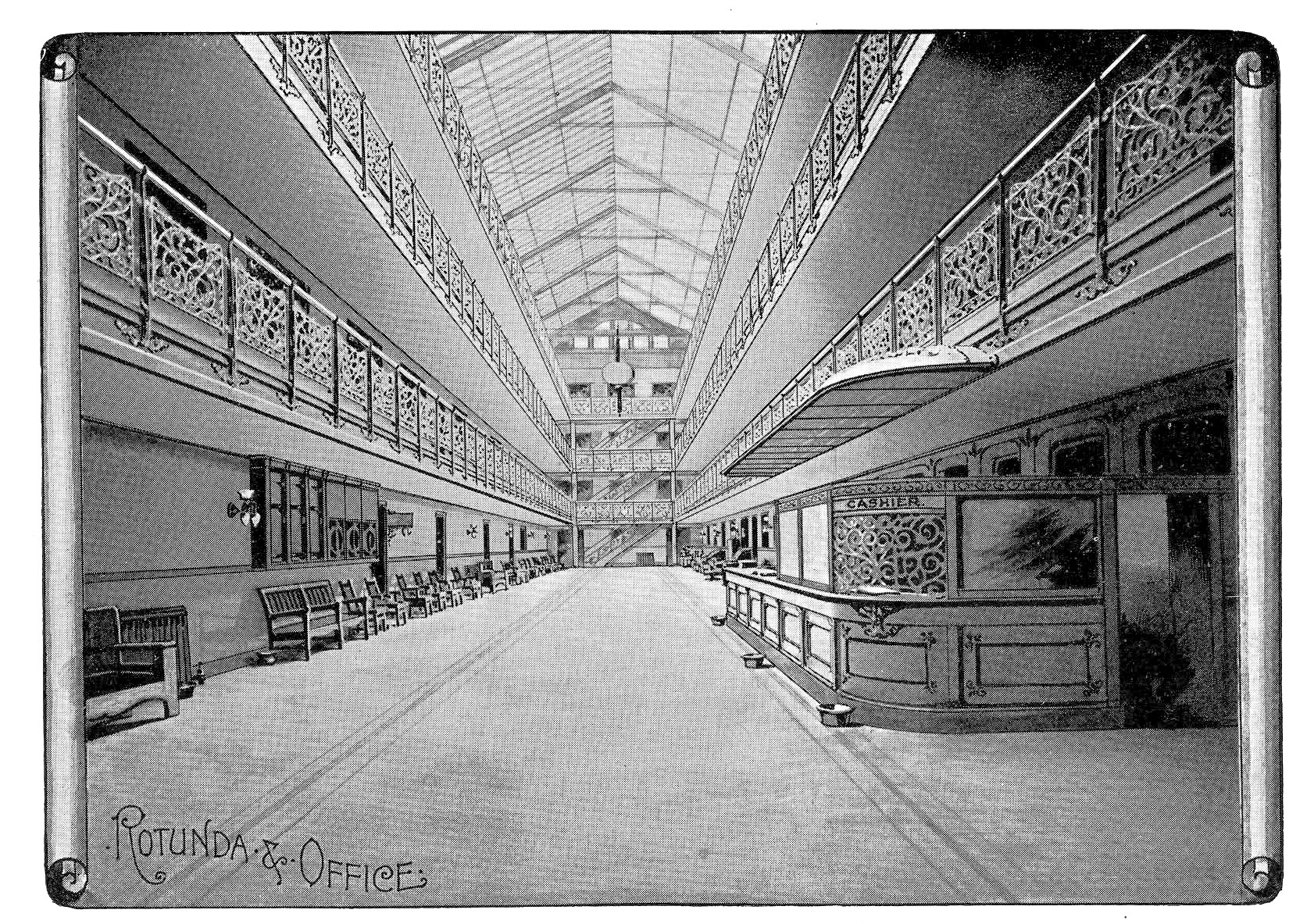
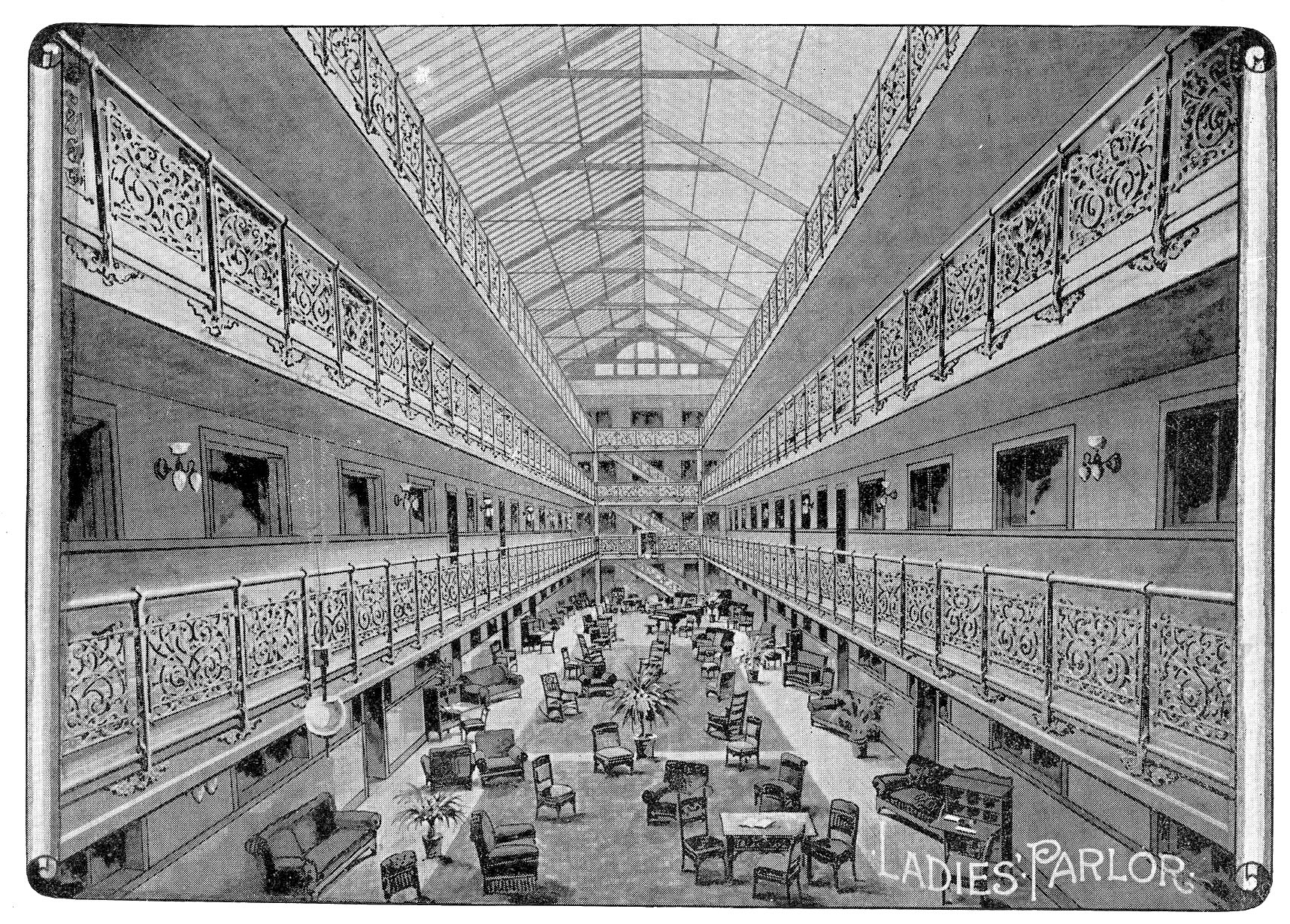
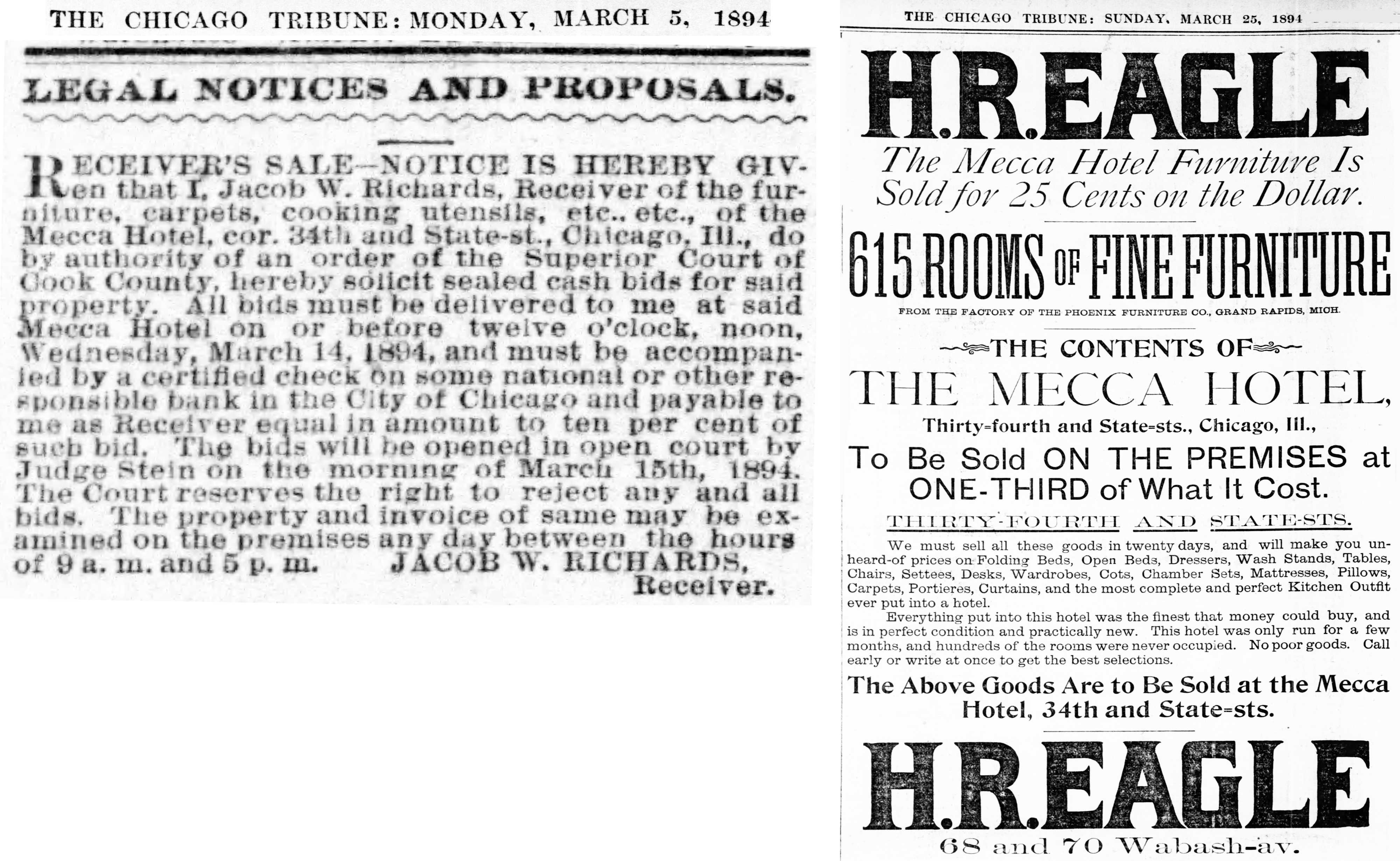
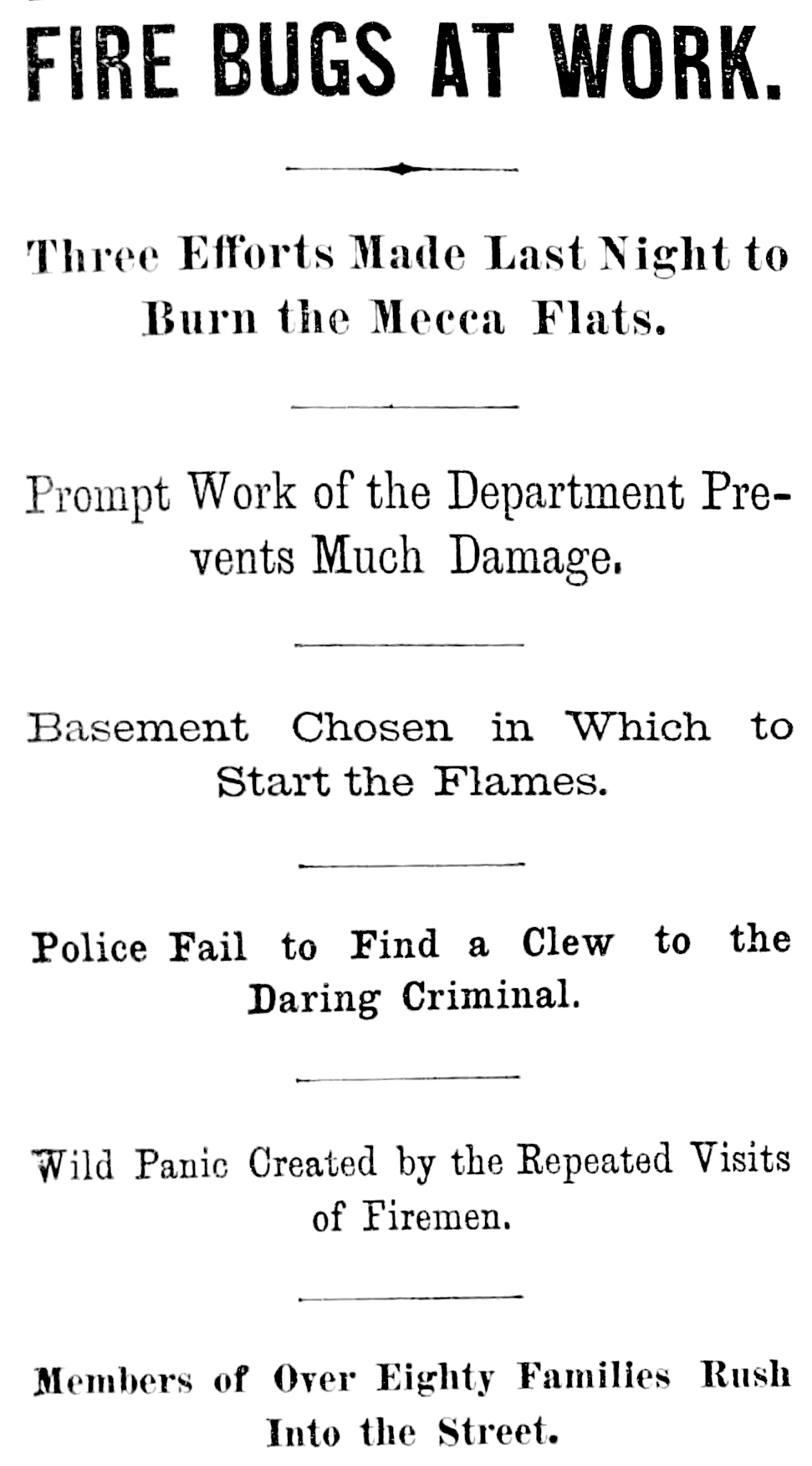 Three determined but unsuccessful attempts were made to burn the Mecca apartment building, Thirty-fourth, State and Dearborn streets, last night.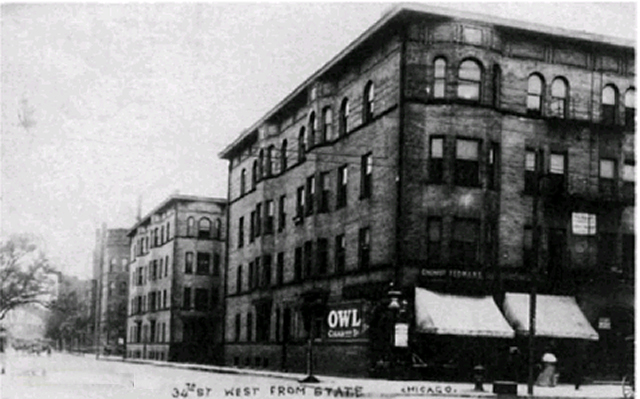
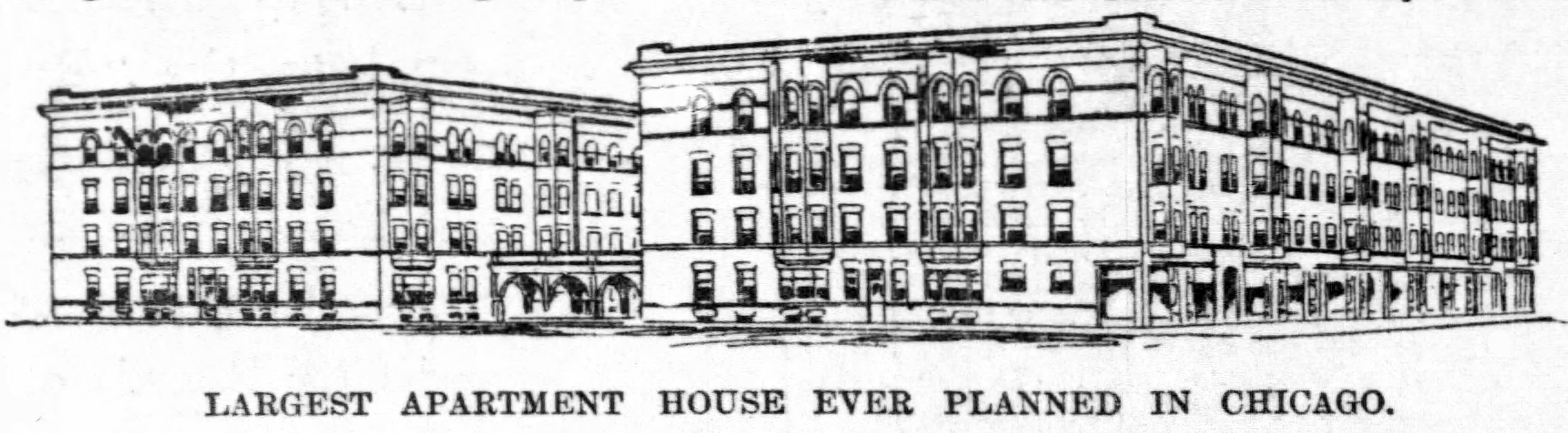
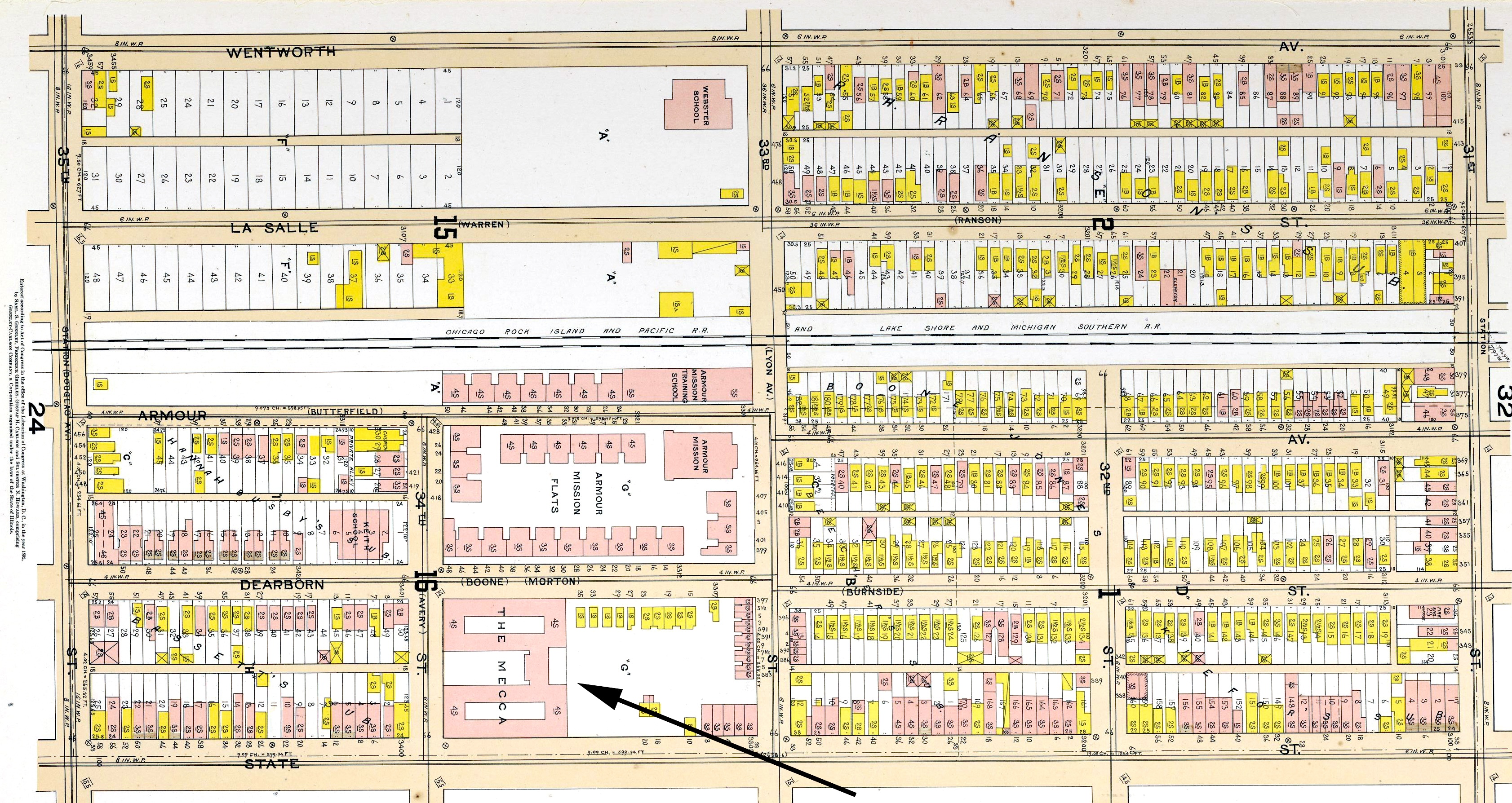
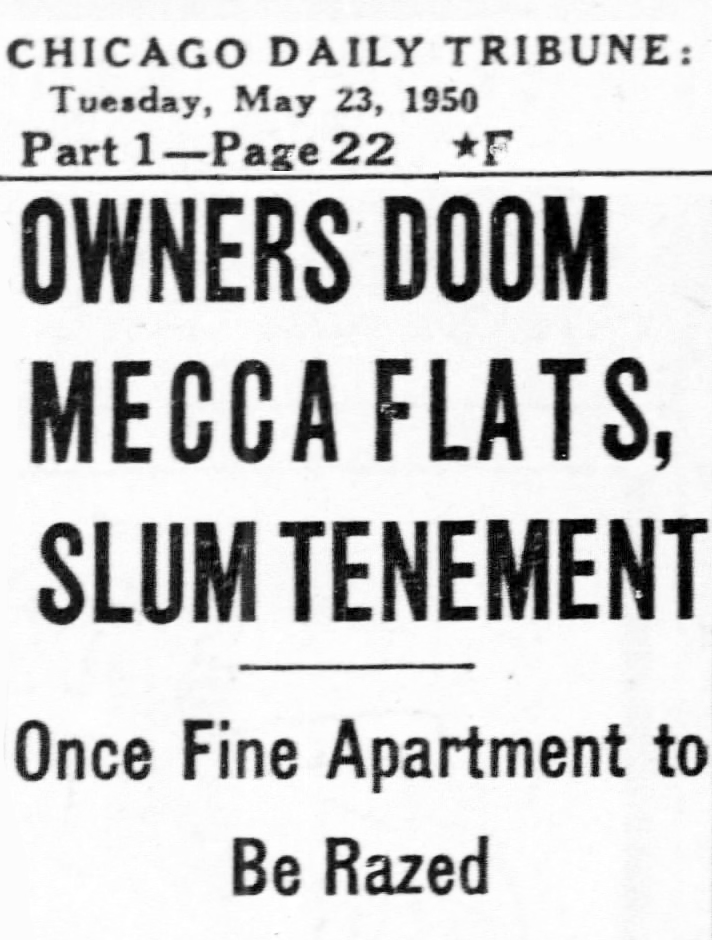 The Mecca, said to be the largest apartment building in the West and one of the largest in the country, occupying 234 feet frontage on State street at the northwest corner of Thirty-Fourth, extending through to Dearborn street, has been acquired by Franklin T. Pember of Granville, N. Y., from Benjamin H. Wallace at a consideration said to be around $400,000. 8. A. French & Co. represented the purchaser.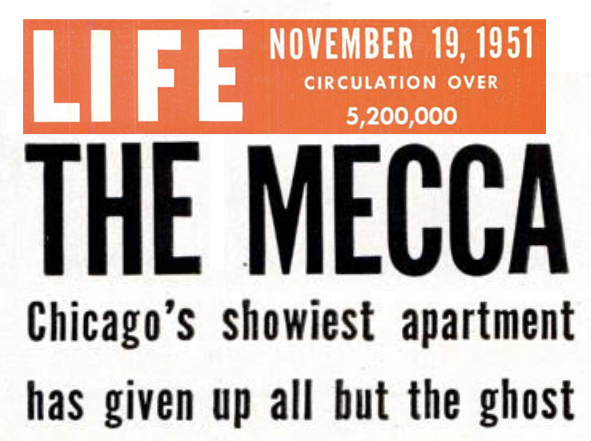


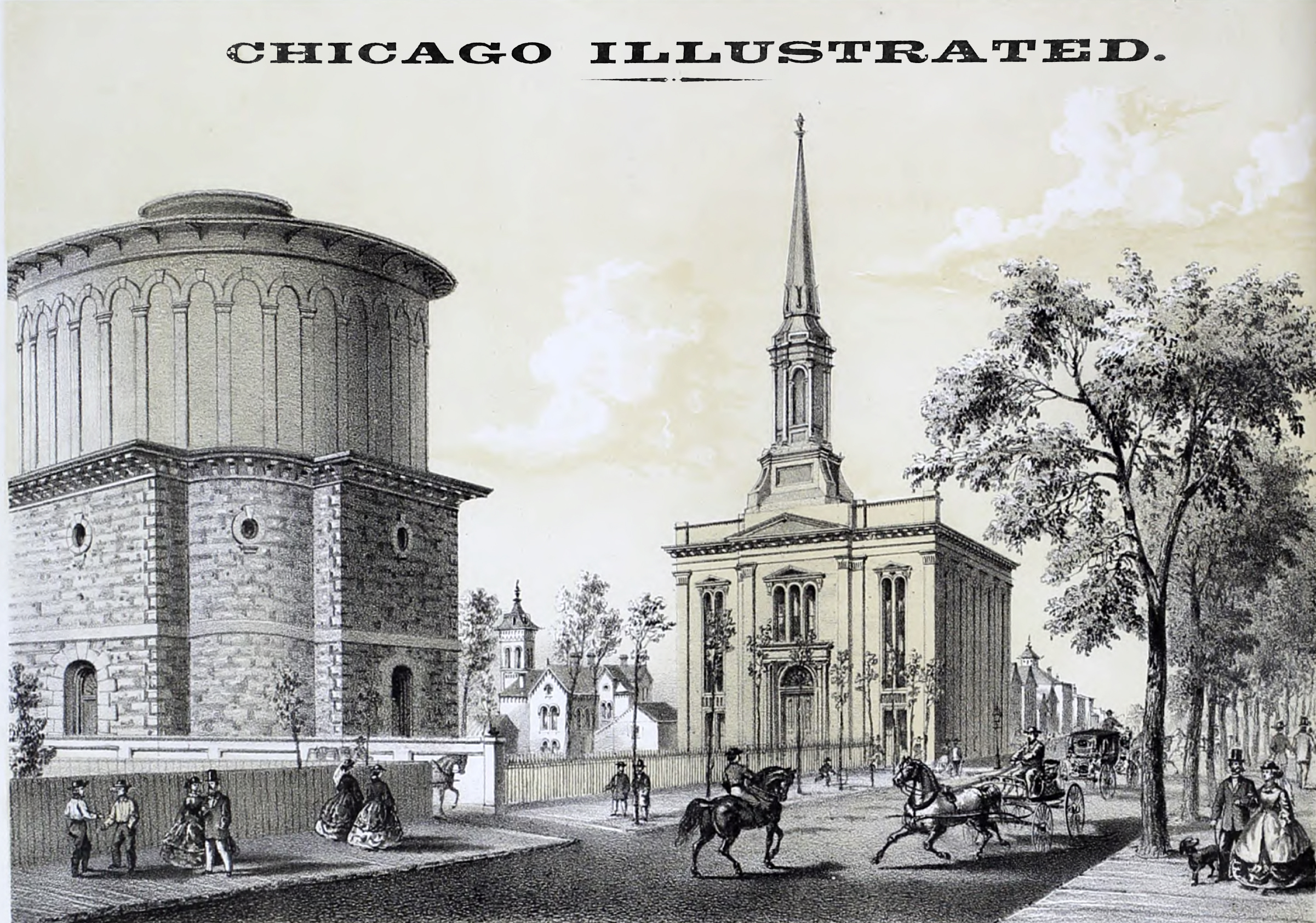
 We were enabled to give a good general idea of the great conflagration in the Western District in our issue of yesterday morning, without going much into the particulars. During yesterday our reporters gave their most indefatigable attention. to the gathering of such facts as nay be worth knowing, the result of which will be found below.


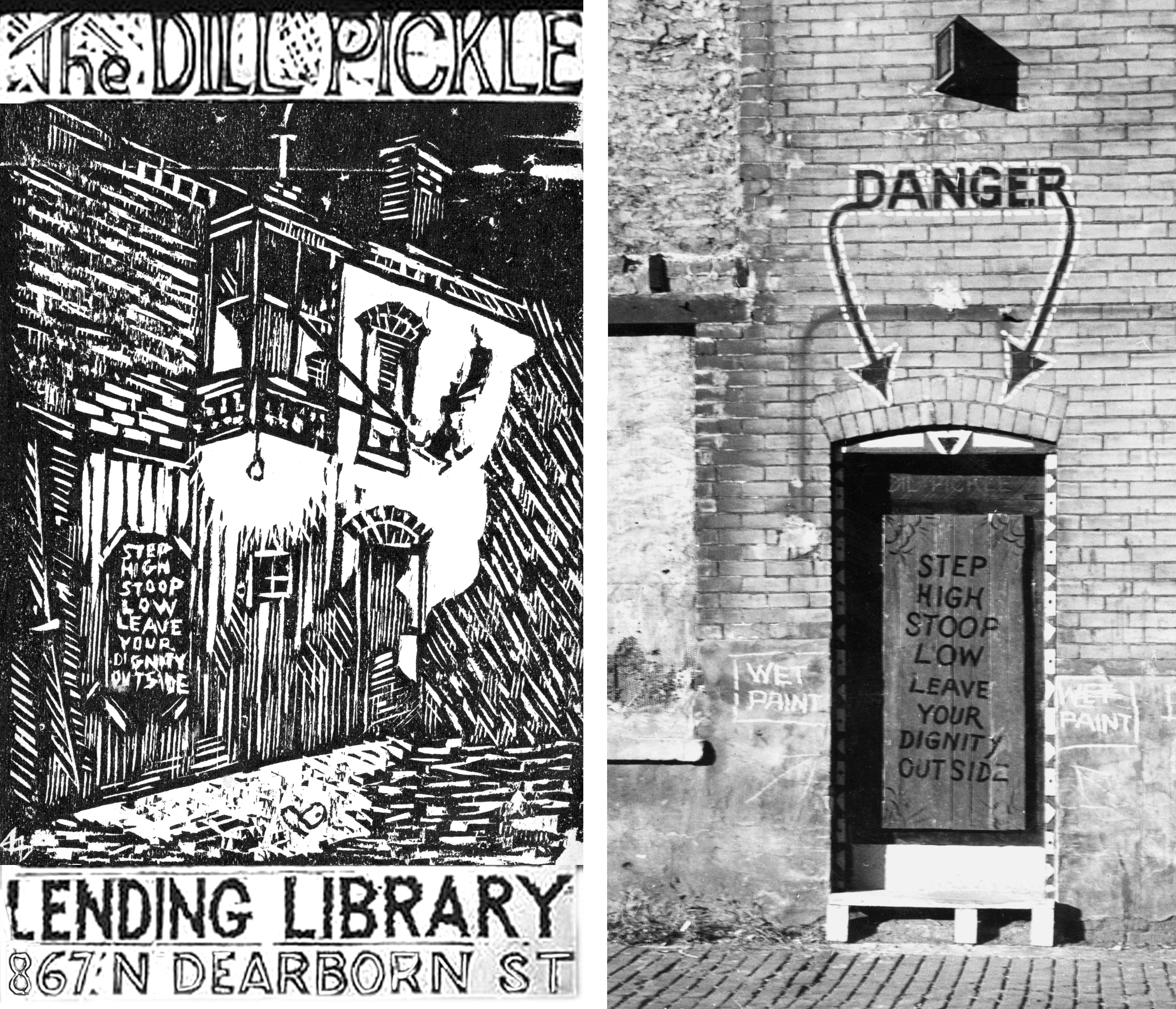
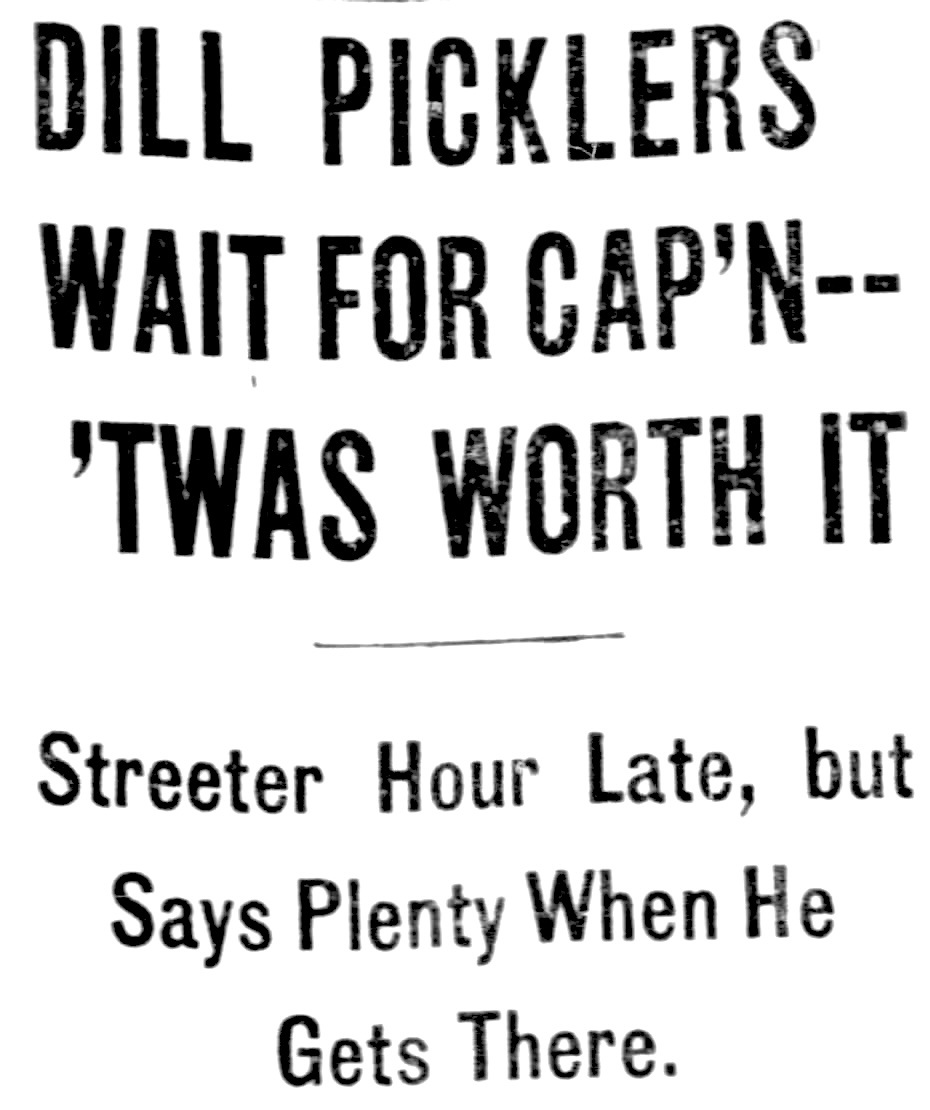 No. 18 Tooker place, the home of the Dill Picklers, was dignified last night with the presence of
 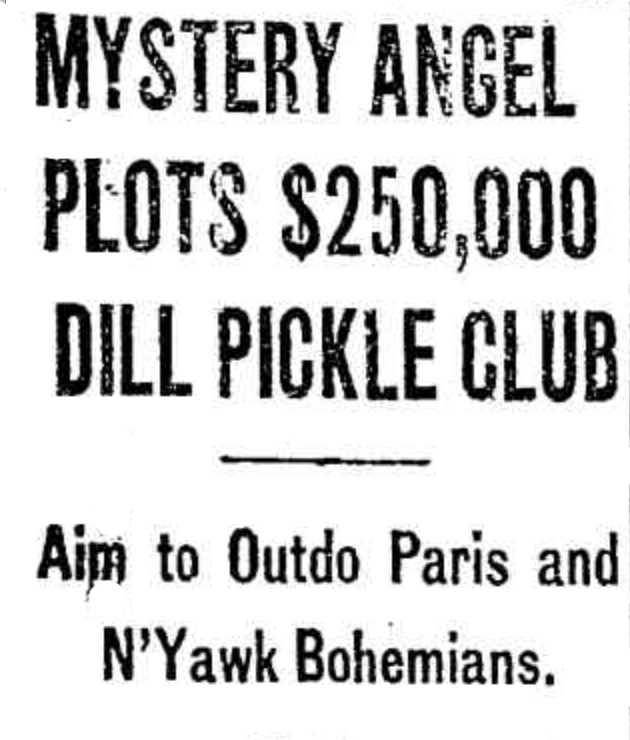 A mysterious woman, scion of “one of Chicago’s oldest and richest familles,” is at the bottom of an arch plot to overthrow Greenwich Village and the Latin quarter of Paris as capital of the bohemian world, and make Chicago the ultimate goal of short haired women and men that barbers know not.
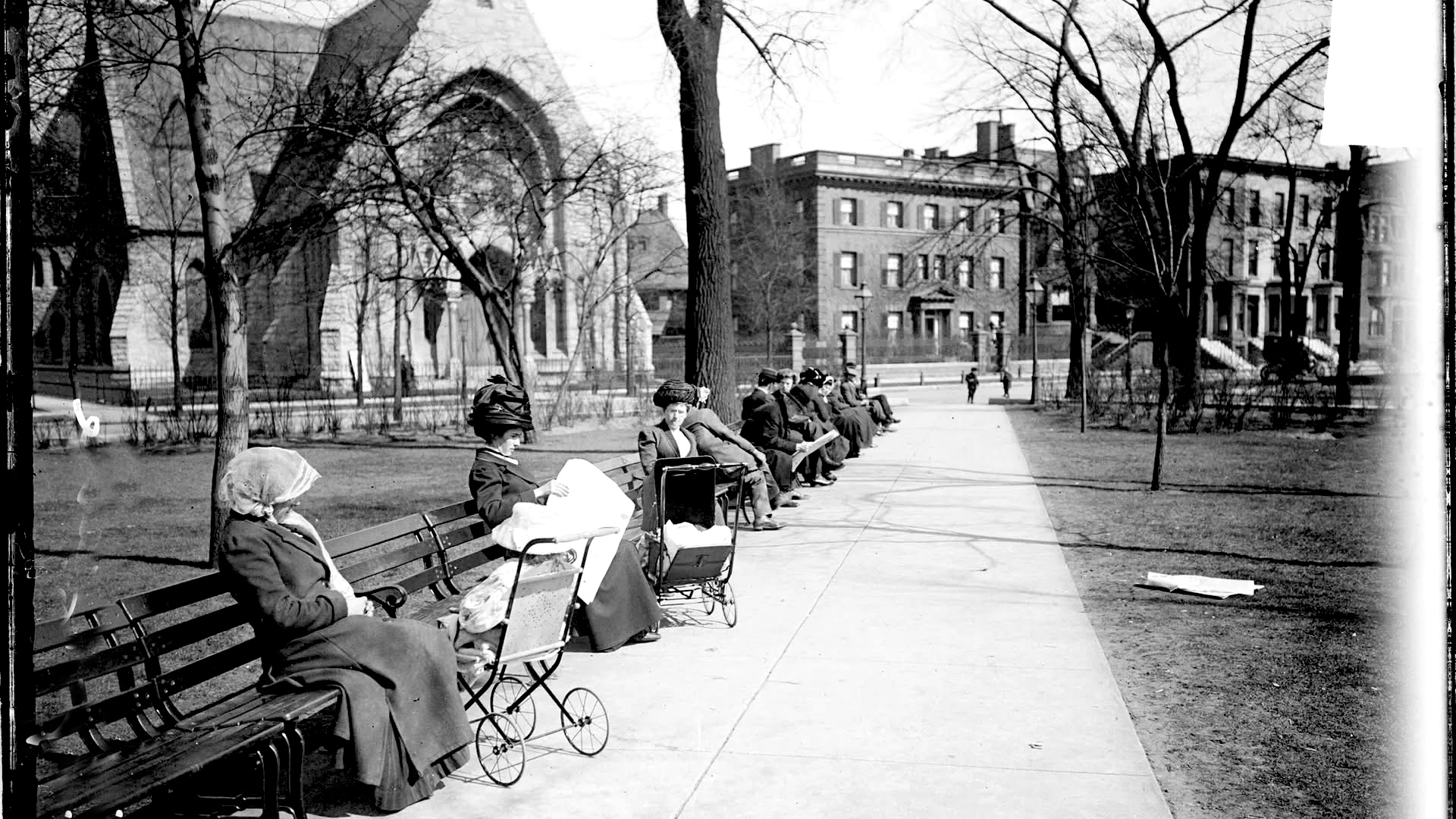
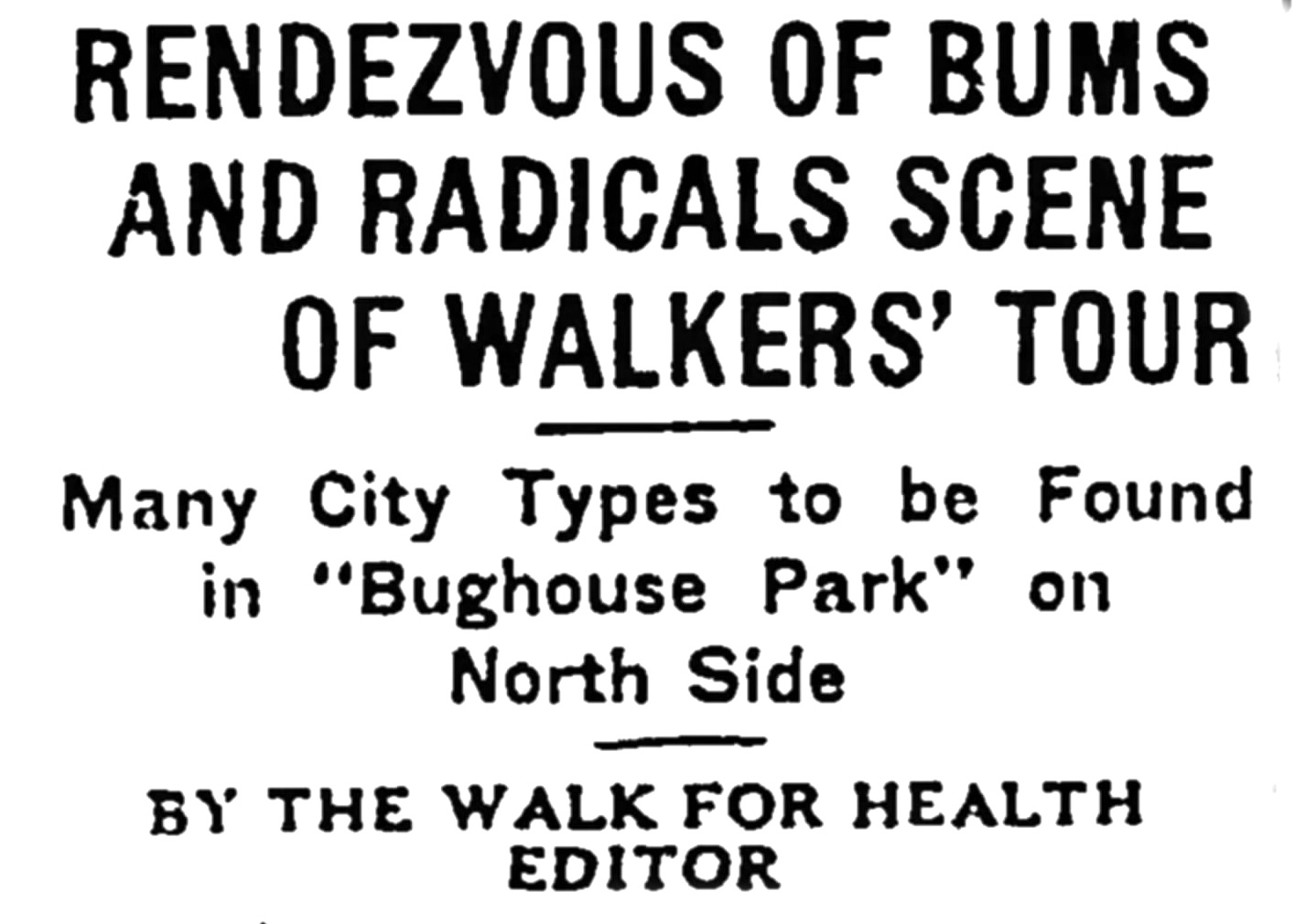 To the average Chicagoan Washington Square is non-existent: call it “Bughouse Park” and he remembers having heard of it; only a very fair, however, are familiar with the picturesque little plot of ground on north Clark st, where the down-and-outer and the up-and-comer meet.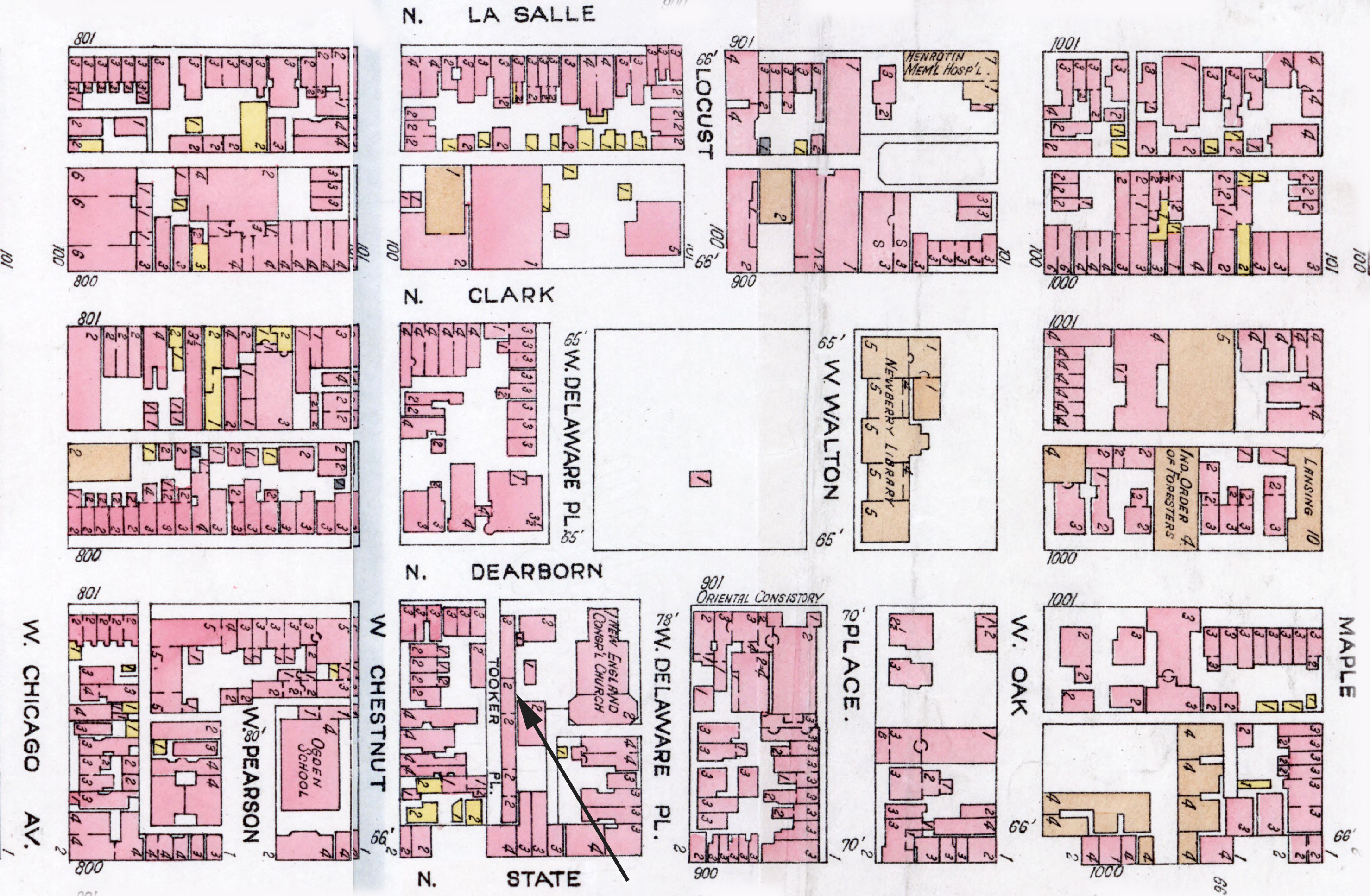
 During Chicago’s literary renaissance of the early 20th Century new generation of bohemians congregated in the city s salons studios and flats Their hangouts were in Towertown rundown area in the vicinity of the Old Water Tower where the rents were cheap Bughouse Square across from the Newberry Library and right around the comer from the Radical Book Shop at 817 Clark St and in the Jackson Park artist colony of 57th and Stony Island They were largely fun-loving free spirits one historian observed more interested in free verse than free speech Some of the more colorful people and places of that era induded The people Margaret Anderson Founder of the avant-garde literary magazine The Little Review Charming tric and flighty Anderson was true bohemian who lived by her own preset of standards She published imagism dadaism futurism any thing that struck her fancy and introduced the early work of an up- and-coming writer named Hemingway Floyd Dell Editor of the Friday Literary Review Dell was the town s most influential critic He was also socialist who advocated free love Dell and his plain-spoken wife Margery Currey hosted parties long into the night in their tiny Jackson Park studios Ben Hecht Reporter-playwright-novelist Hecht was the force behind Chicago’s bohemia In 1923, he and fellow maverick Maxwell Bodenheim began publishing their biweekly newspaper the Chicago Literary Times which purported to follow the comings and goings of the bohemian set Like most under takings of its kind it was short-lived lasting little more than year Ben Reitman Probably the most flamboyant figure on the scene was Reitman social reformer tramp intellectual physician and founder of the peripatetic Hobo College which sponsored lectures pre- sented short courses and offered sound advice The places The Dill Pickle Organized by drifter Jack Jones and located on tiny Tooker Place the Dill Pickle opened its doors to anyone with an opinion poets hobos unionists intellectuals street comer philosophers salts of the and presented speakers plays poetry serious discussions lectures and de bates It dosed down in the early 1930s. Its successor the College of Complexes started where it left off The Whitechapel Club No torious social club that took its name from the grisly Jack-the-Ripper murders in London’s Whitechapd district It consisted of mostly young reporters and car Finlev Peter Dunne George Ade John McCutcheon were three of the best known who engaged in devilish pranks and ma cabre escapades including the cremation of suicide victim on the shores of Lake Michigan Schlogl’s Famous tavern and restaurant frequented by Chicago Daily News Staffers and other literary figures As the Roaring ’20s drew to dose the literary tempest had cooled and the last of the city s bohemians packed their bags and fled migrating east to the coffeehouses of Green wich Village and the cafes of Paris