Evans Block
Life Span: 1852-1871
Location: East Side of Clark street, south of the alley between Lake and Randolph
Architect: Dr. John Evans and Dr. Daniel Brainerd
- Fergus’ Chicago City Directory, for the Year 1855
Chicago Tribune, Tribune Building, 51 to 55 Clark
D. B. Cooke & Co.’s City Directory for the Year 1859
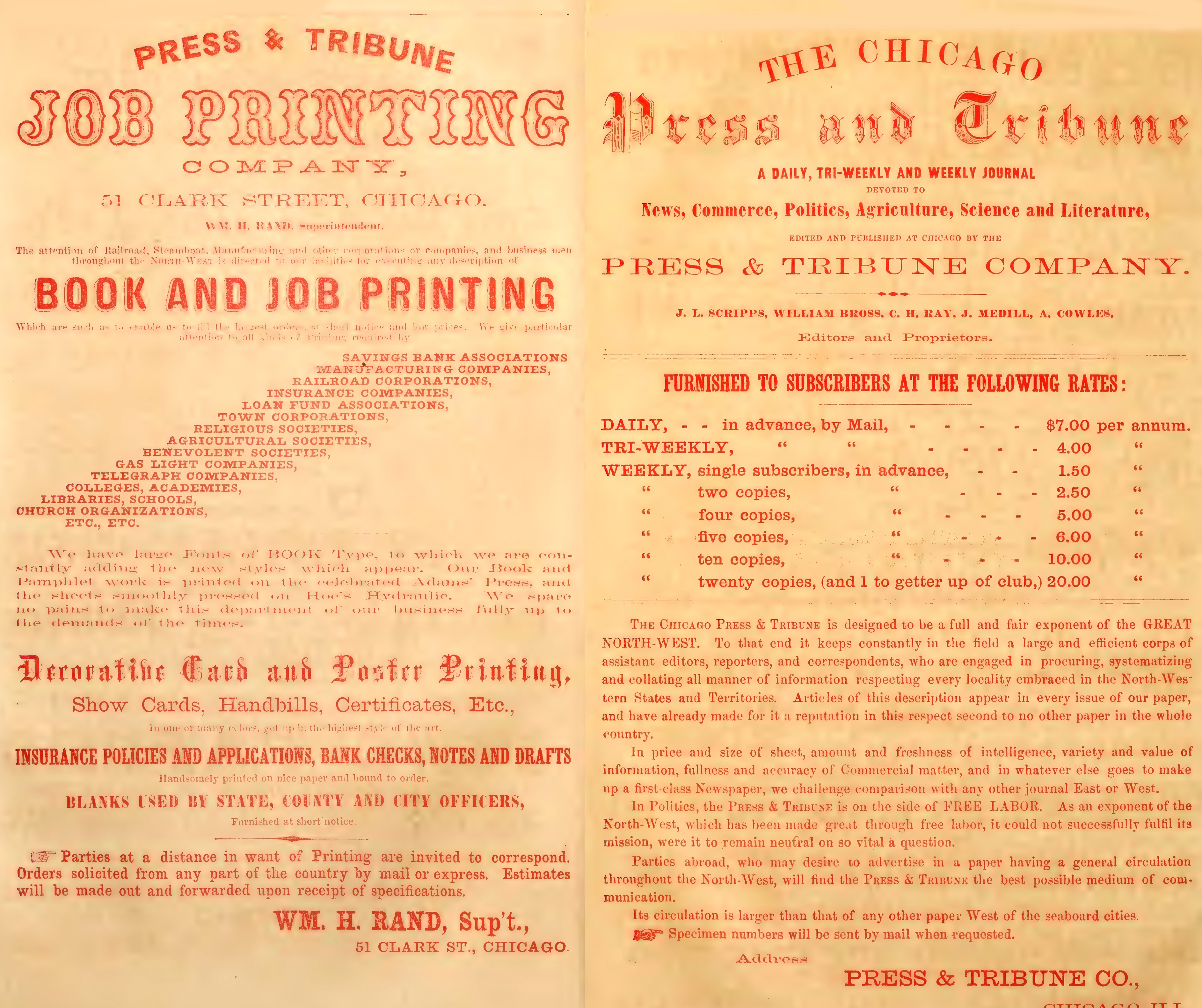
Press and Tribune, 51 S. Clark (See card back cover)
Rand William H., job printing office 51 S. Clark h 997 Wabash av
Halpin & Bailey’s City Directory for the Year 1863
Chicago Tribune.—(Daily, Tri-Weekly and Weekly,)—Chicago Tribune Company, publishers; office 51 Clark street.
Halpin’s Chicago City Directory for 1864
Evans’s Block, Clark, ne cor Randolph
Chicago Tribune, 51 Clark
Rand William H., (Tribune Co.,) 51 Clark, h. 532 Wabash av.
John C. W. Bailey’s Chicago City Directory for 1867
Evans’s Block, Clark, ne cor Randolph
Chicago Tribune, Chicago Tribune Co., proprs., E. Colbert, local editor, office 51 Clark
Rand William H., (Tribune Co.,) 51 Clark, r. Lake av.
Edwards’ Annual Directory in the City of Chicago, for 1870
Rand, McNally & Co. (William H. Rand, A. McNally, Henry M. Kidder, John Reid and George A. Poole), printers and stationers, 49, 51 and 53 Clark
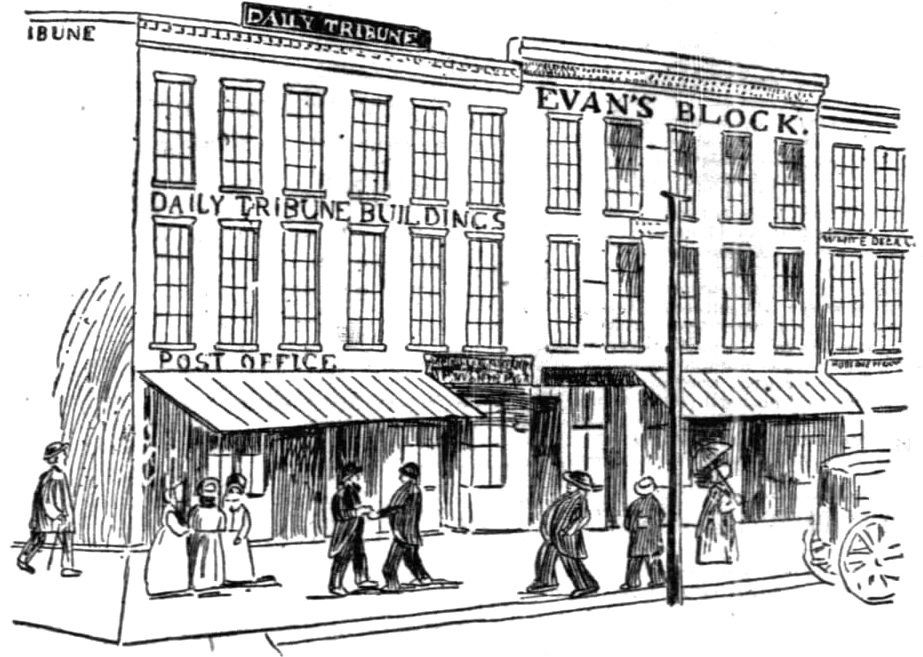
- Evans’ Block
1852
Chicago Tribune, March 24, 1862
Dr. John Evans of Chicago, Ill., is nominated Governor of Colorado Territory, and Harding of Indiana nominated Governor of Utah.
J. C. W. Bailey’s Illinois State Business Directory, 1860
Chicago Tribune, July 4, 1897
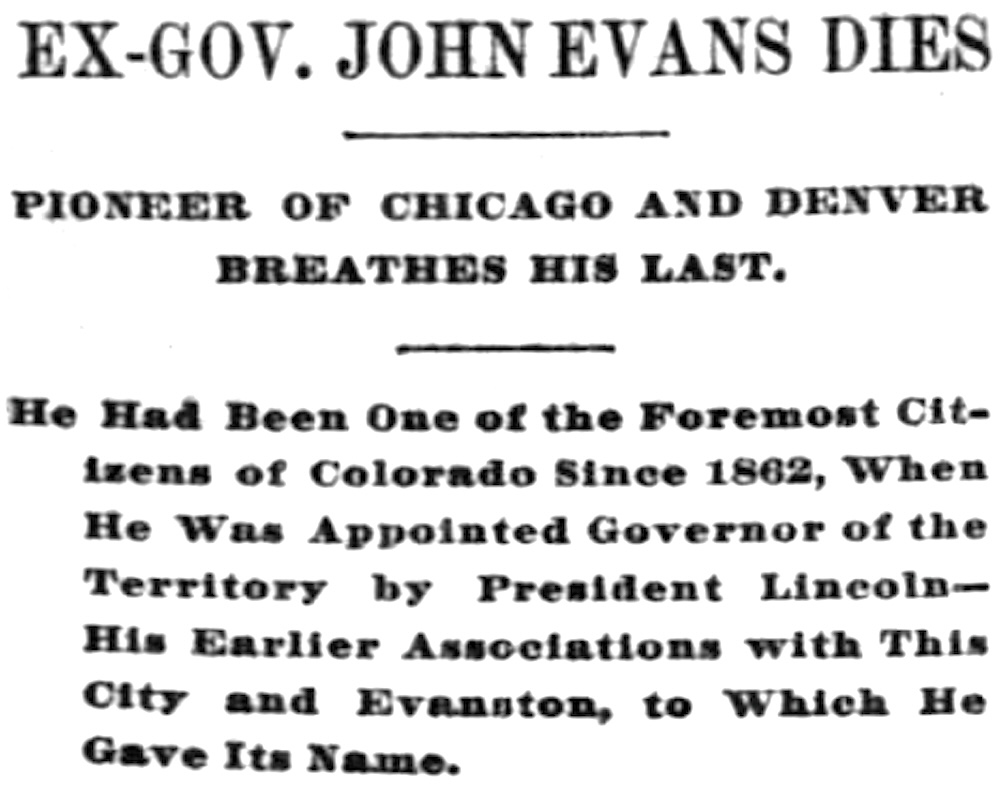
Denver, Colo., July 8.—John Evans, one of the foremost citizens of Denver since 1862, when he was appointed Governor of the Territory of Colorado by President Lincoln, died at 4:30 this afternoon. He was 88 years old last March.
Illinois and Colorado may well have a local pride in the works of John Evans, because of the double role which he has filled so well in both States as pioneer settler and generous, public spirited citizen.
He was the founder of Chicago’s suburb of Evanston and after him the “village” north of Chicago was named. He was connected most prominently with Chicago’s early growth, with the building of its tributary railway system, and with the founding of some of its chief hospitals and institutions of learning.
He was once Governor of Colorado, having been appointed to that office by President Abraham Lincoln when Colorado was a Territory. He was the founder of the University of Denver, patterned after the Northwestern University of Evanston, and constructed Denver’s electric railway system. The first Methodist Church in Denver was also built by him. Mr. Evans was born in Waynesville, Ind., March 9, 1814; studied medicine and graduated from the medical department of Cincinnati College in 1838. In Attica, Ind., he first up his sign of ” M. D.” and secured a comfortable practice, becoming in time Superintendent of the State Insane Asylum. He came to Chicago in 1848 to lecture in Rush Medical College.
Though of Quaker ancestry, Evans was not of a religious nature, but of a speculative turn of mind in early life, His conversion at this time marked a turning point in his career, and it happened in this way: He was attracted to hear Bishop Matthew Simpson lecture on ” Education.’ He took a remarkable liking to the lecturer and went to hear him preach the next day. The earnestness of the sermon caused his ears “to ring with the name of God,” as he afterward declared, and he at once joined the Methodist Church. At the solicitation of Bishop Simpson he decided to make Chicago his home. He ceased the practice of medicine, invested in real estate, and made his office headquarters in the Evans Block, built by himself and Dr. Daniel Brainerd, Dr. Evans becoming in time the proprietor of the whole building by the purchase soon afterwards of Dr. Brainerd’s interest. This building was located on the east side of Clark street, just south of the alley between Randolph and Lake streets, and opposite the Sherman House. Included in the block were the Chicago Postoffice, which in a limited space did a limited business, and the editorial rooms of The Chicago Tribune.
It was through its great university, the Northwestern, that Dr. Evans became identifled in name with the university’s site at Evanston. With his friend, Bishop Simpson, he went to this place in 1848, where they found only a few cottages and thatched houses. Dr. Evans insisted that the village should bear the divine’s name, and the latter insisted that it should bear the name of Evanston. The daughter of Orrington Lunt, the father of Evanston, was asked to arbitrate the question, and she named the town Evanston.
Dr. Evans was made President of this institution at Evanston and endowed it richly from time to time. It was through his efforts the first high school in Chicago was built. He was a member of the City Council and bent all his energies toward giving Chicago a complete educational system, It was while in the Council that he prepared and introduced the ordinance providing for a City Superintendent of Schools. He also secured the passage in the Legislature of the bill perpetually insuring the property of the university at Evanston from taxation.
In railroads Mr. Evans also became interested and in this and in real estate laid the nucleus of his great fortune. He built the Fort Wayne and Chicago road and it was his shrewd foresight which gave the Pennsylvania railroad its splendid terminal facilities in Chicago.
He was also, while in Chicago, a prominent contributor to scientific journalism and was at one time editor of the Northwestern Medical and Surgical Review, and was also founder of the Methodist book concern and of the Northwestern Christian Advocate.
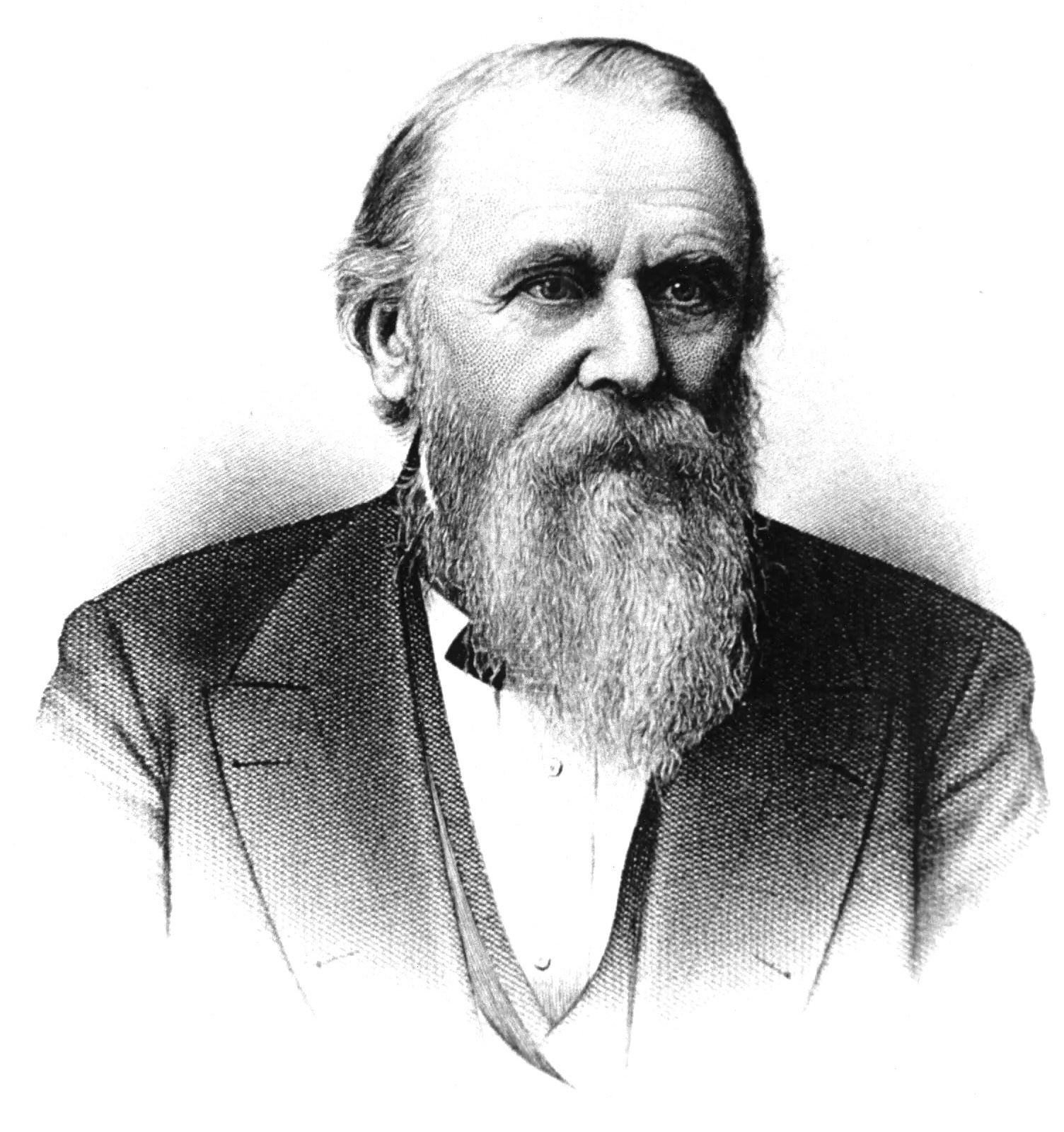
Dr. Evans was a delegate to the convention which nominated Lincoln and was one of his most enthusiastic supporters in the great wigwam convention. He was offered the Territorial Governorship of Washington, but declined; but in 1867 he accepted the Territorial Governorship of Colorado. In that State he remained and devoted himself to railway and educational work. The first railroad in Colorado was promoted by him, connecting Denver with the Union Pacific at Cheyenne. He was recognized as one of the foremost citizens of Colorado and was elected United States Senator, but his election was rendered void by President Johnson’s veto of the bill making the Territory a State.
Four years ago he undertook the organization of an air line of railroad from Denver to El Paso, Tex., but his health prevented its final organization. Within the last eight years he constructed one of the most perfect systems of electric railways in the country in Denver, his last great work.
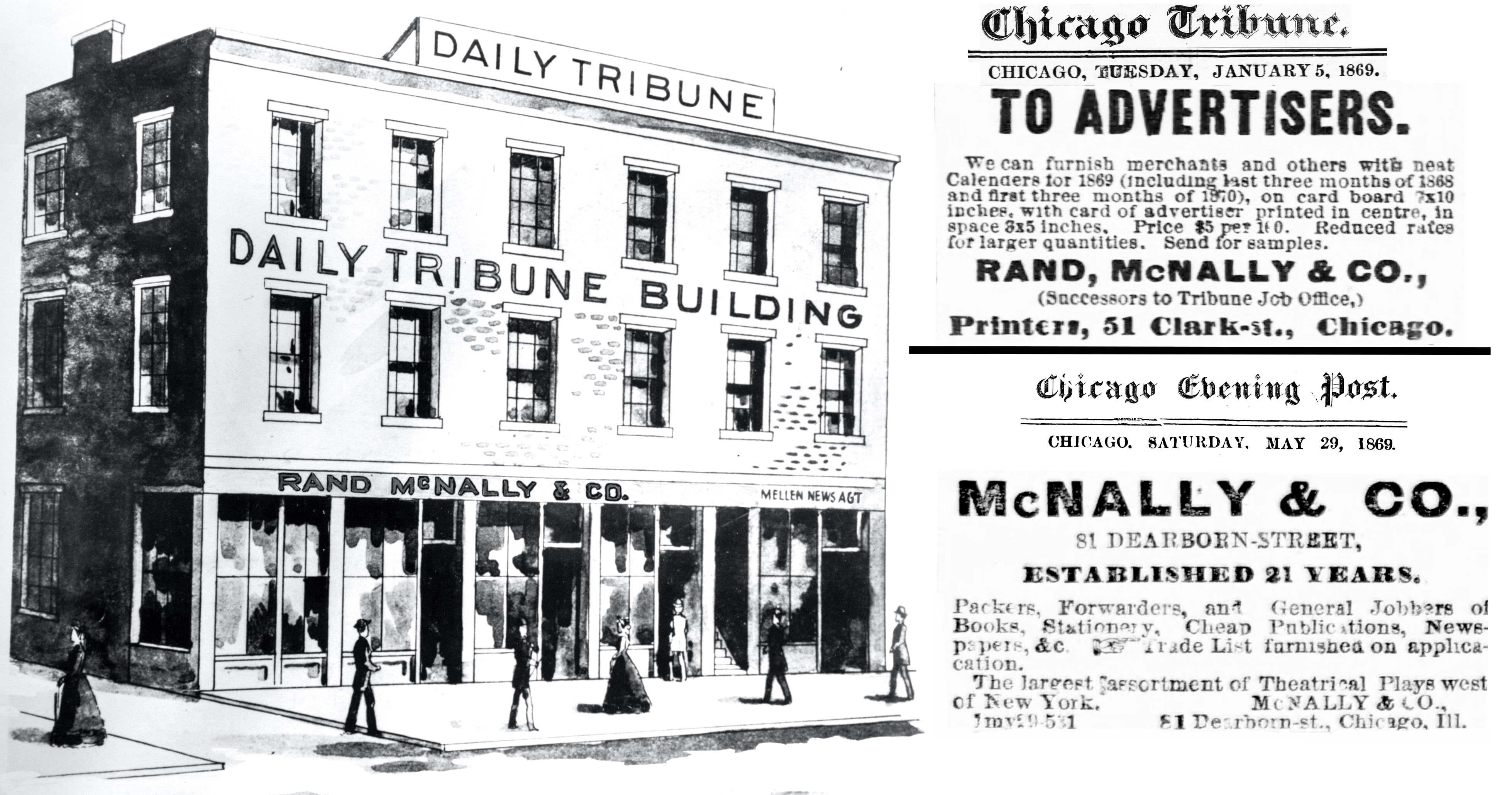
History of Chicago, A.T. Andreas, 1884
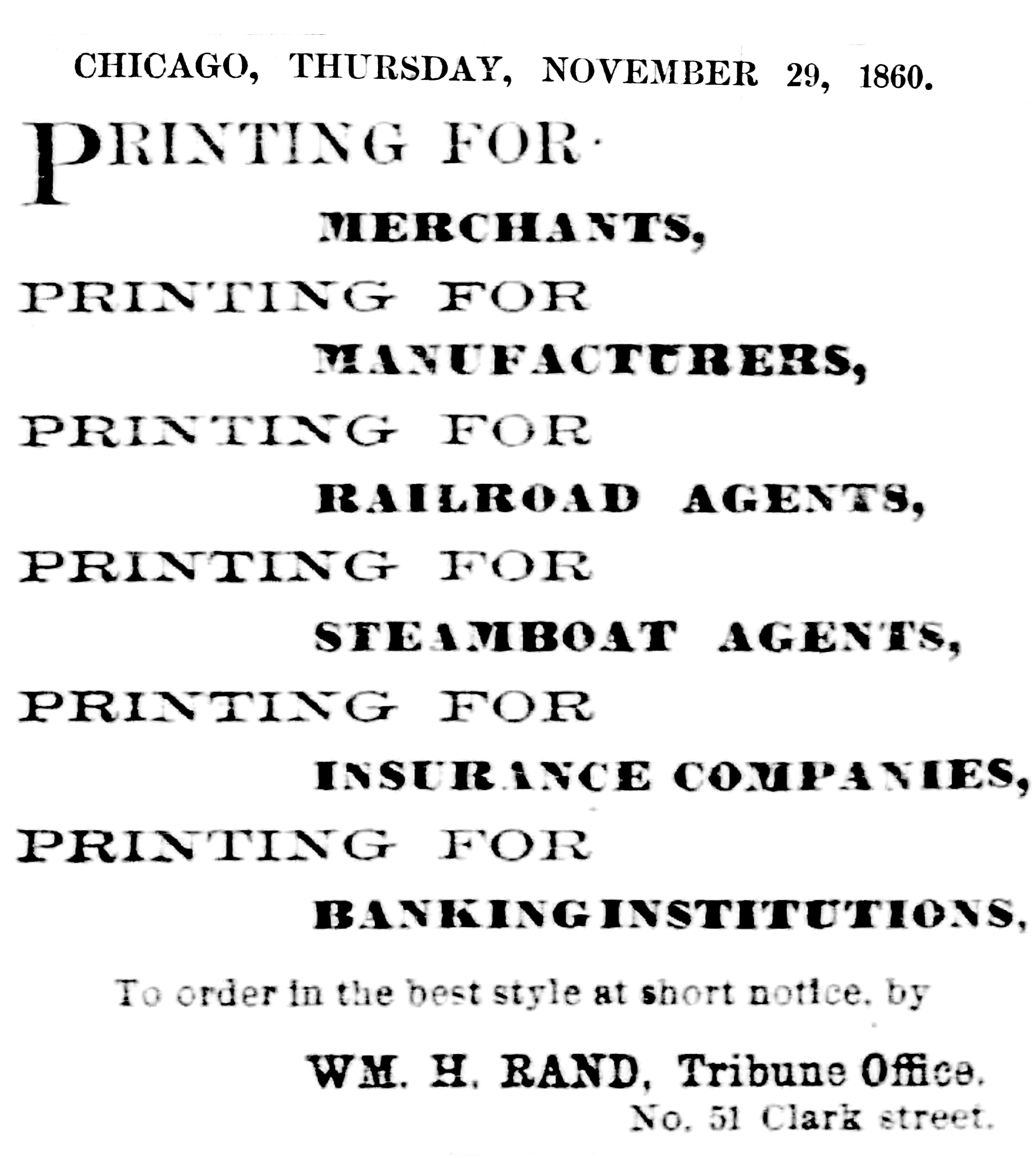
Rand, McNally & Co., the well-known printers, engravers, electrotvpers, and map and book publishers, take their origin from a printing establishment opened, in 1856, at No. 145 Lake Street, by William H. Rand, the senior member of the firm. Mr. Rand, in 1860, consolidated with the Tribune job department, at No 51 Clark Street, and assumed the superintendence. In this capacity he continued for eight years, when he and A. McNally, with others, formed a partnership, to establish a printing and publishing house under the firm name of Rand, McNally & Co. In 1873, the firm was incorporated as a stock company, with a capital of $200,000, under the same name, and has since assumed such large proportions, that it is now one of the largest printing houses in this country, with a surplus capital of over $300,000. October 9, 1871, when located at No. 51 Clark Street, the establishment was burned out, but business was resumed temporarily at No. 108 West Randolph Street, until 1873, when the company moved into their own quarters at Nos. 79 and 81 Madison Street. This building becoming too small, they erected a five and six story building, ninety by one hundred and ninety feet, at Nos. 148 to 152 Monroe Street, which the company has occupied since January, 1881. William II. Rand is president and treasurer, A. McNally is vice-president and general manager, and the superintendents of the various departments are as follows John Reid, ticket department ; T. C. Ilavnes, job work; R. A. Bower, map and atlas publications; James McNally, book publications and school maps; R. B. Marten, wood engraving; C. R. Williams, Bankers’ Directory, Bankers’ Monthly, and Business Directory John Ludwig, stationery and blank books. Among some of their celebrated publications may be mentioned the Atlas of the World, Business Atlas of the United States and Canada, large scale-map of the United States, Banker’s Directory, Lumbermen’s Guide, and a map of every country on the globe. The Rand-McNally Railway Guide is known and used the world over.
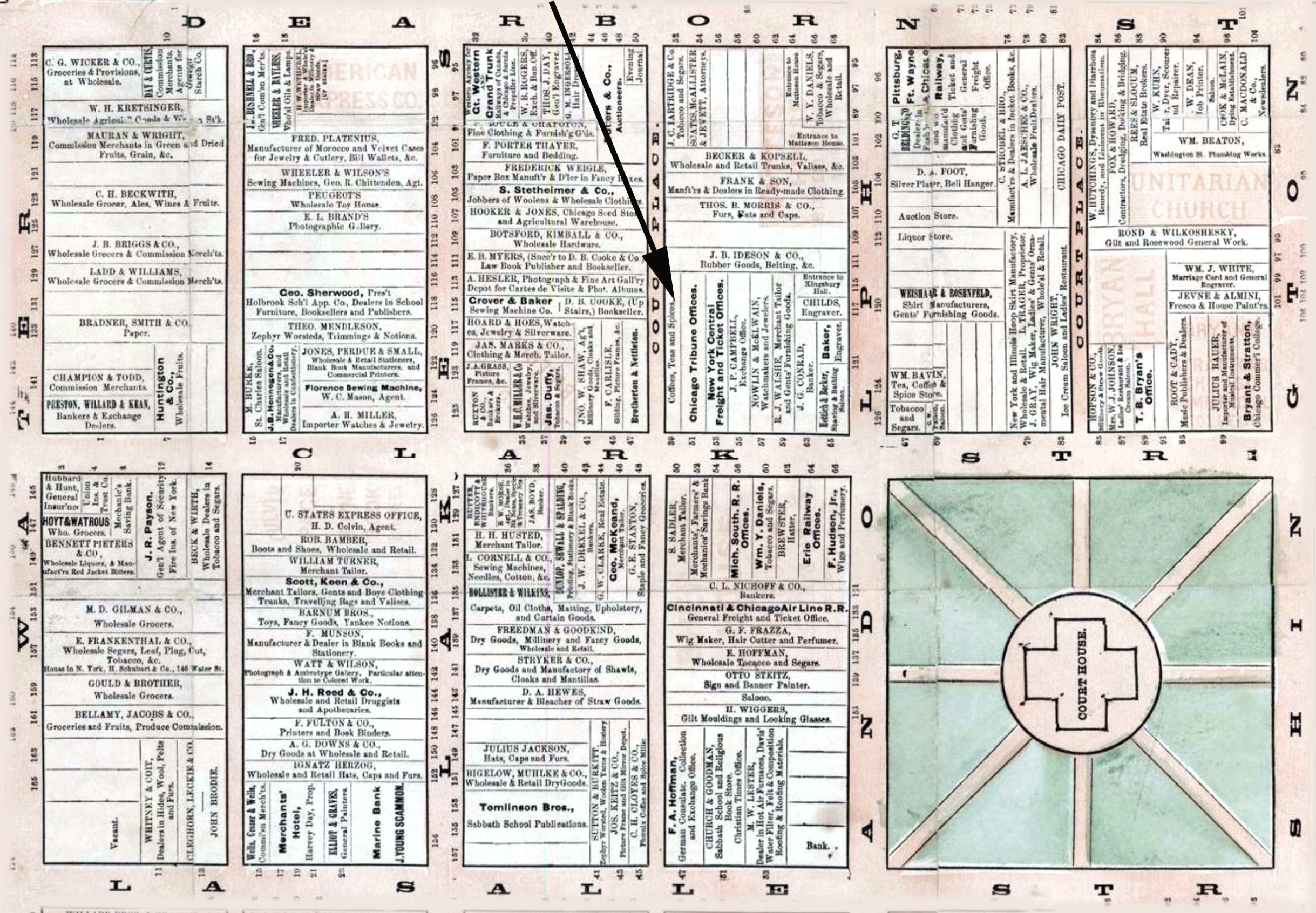
- Evans’ Block
51 Clark street
1862
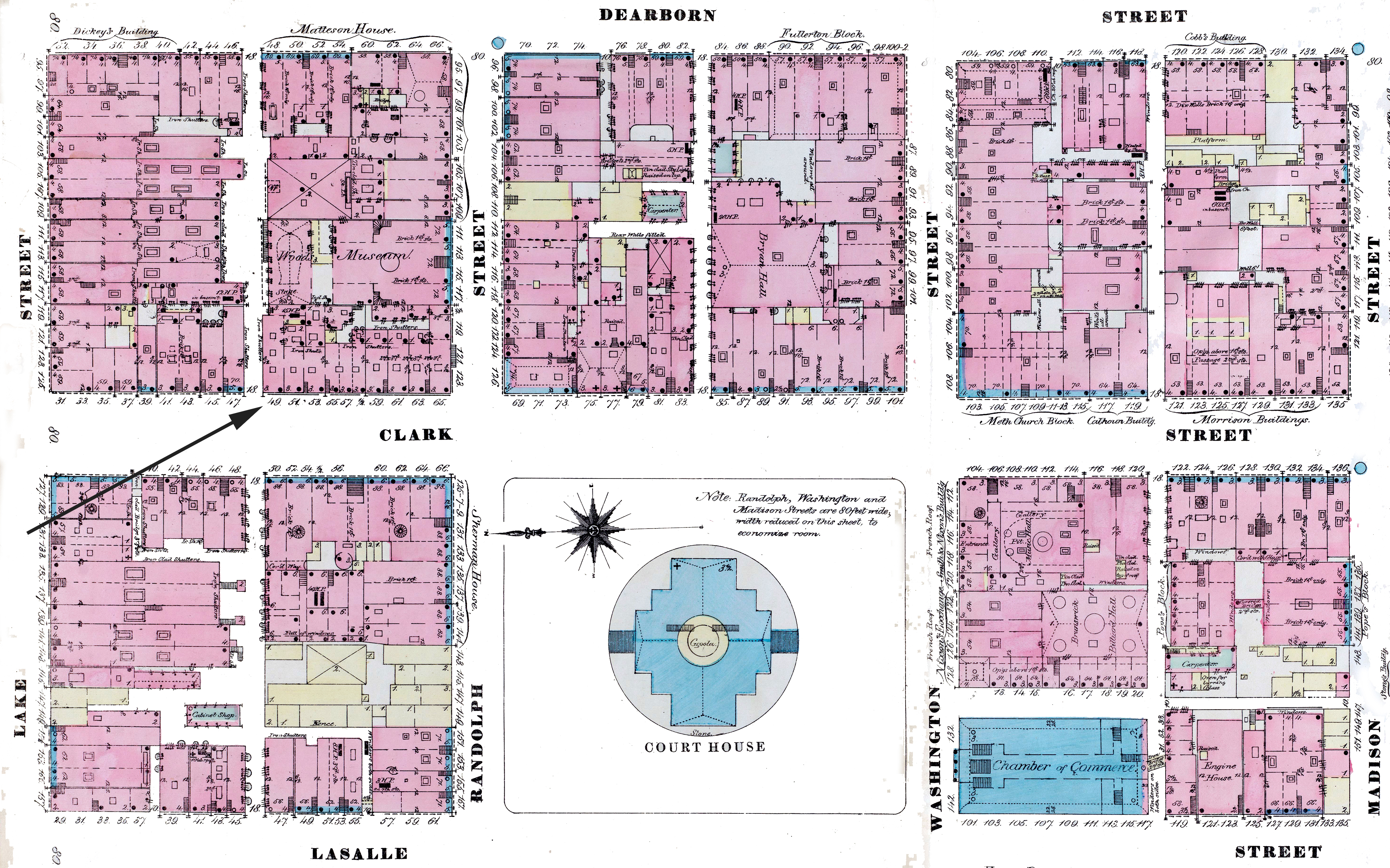
- Evans’ Block
Sanborn Fire Insurance Map
1869

Leave a Reply