Collins & Burgie Stove Works I
Location: Jefferson, s.w. cor. Vanburen.
Life Span: 1857-after 1872
Architect:
- D. B. Cooke & Co.’s City Directory for the Year 1859
Brown & Burgie, (John P. Brown & Henry C. Burgie), stoves, etc., 213 S. Jefferson
Halpin & Bailey’s City Directory for the Year 1863
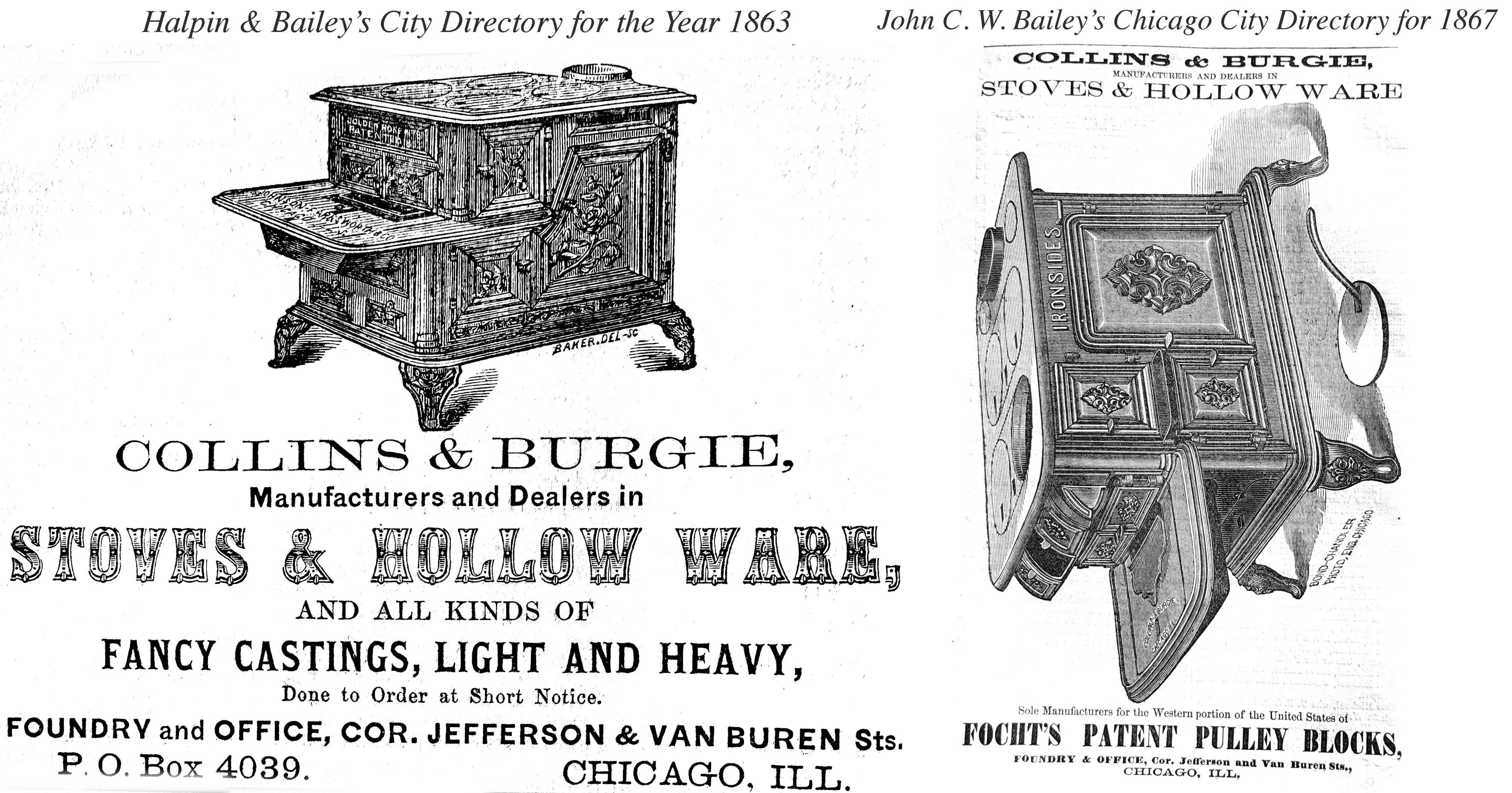
Collins & Burgie, (James L. Collins and Henry C. Burgie,) stove works, S. Jefferson, s.w. cor. Van Buren. (See advt. op. page).
Halpin’s Chicago City Directory for 1864
Collins & Burgie, (James L. Collins and Henry C. Burgie,) stove works, S. Jefferson, s.w. cor. Vanburen.
John C. W. Bailey’s Chicago City Directory for 1867
Collins & Burgie, (James L. Collins and Henry C. Burgie,) stove works, Jefferson, cor. Vanburen. (See adv’t opp. p.)
Edwards’ Annual Directory in the City of Chicago, for 1870
Collins & Burgie, (J. L. Collins and H. C. Burgie,) stove mnfrs. Jefferson, sw. cor. W. Vanburen.
Edwards’ Annual Directory in the City of Chicago, for 1871
Collins & Burgie, stove and hollowware mnfrs. and iron founders, Jefferson, sw. cor. W. Van Buren.
Chicago Tribune, January 30, 1855
STOVE FOUNDRIES.
There are but two establishments exclusively engaged in making stoves and grates, with a capital of near $200,000. The oldest foundry of this kind is the “Phoenix Foundry” of Sherman & Foster, corner of Van Buren and Jefferson streets, West Side. The este rooms and office are at 171 Lake street. A new foundry, double the size of the old, has recently been erected by this firm, capable of turning out 100 stoves per day, and employing 150 hands. The quantity of coal annually need is 400 tons, of iron 700 tons, and the past year’s sales, are $130,000. Capital invested, about $100,000.
Chicago Tribune, March 21, 1860
The Co-Partnership heretofore existing under the firm of Colins, Brown & Burgie, is on this day dissolved by the withdrawal of J. P. Brown. Collins and Burgie being only authorized to settle all out-standing claims of the late firm.
J. L. Collins, John P. Brown, H. C. Burgie.
Chicago, March 7, 1860.
The undersigned will contine to carry on the Foundry business at the old stand, cor. Van Buren and Jefferson sts.
Chicago Tribune, October 13, 1871
Collins & Burgie.
Our Stove Manufactory having escaped. destruction from the great conflagration is now in full operation as usual. Corner Van Buren and Jefferson-sts.
Inter Ocean, August 1, 1872
Messrs. Collins & Burgie obtained permits yesterday for the erection of two large buildings on South Clinton street, for a foundry. One of the buildings is 180×100, and the other 80×220,
History of Chicago, A. T. Andreas, 1885
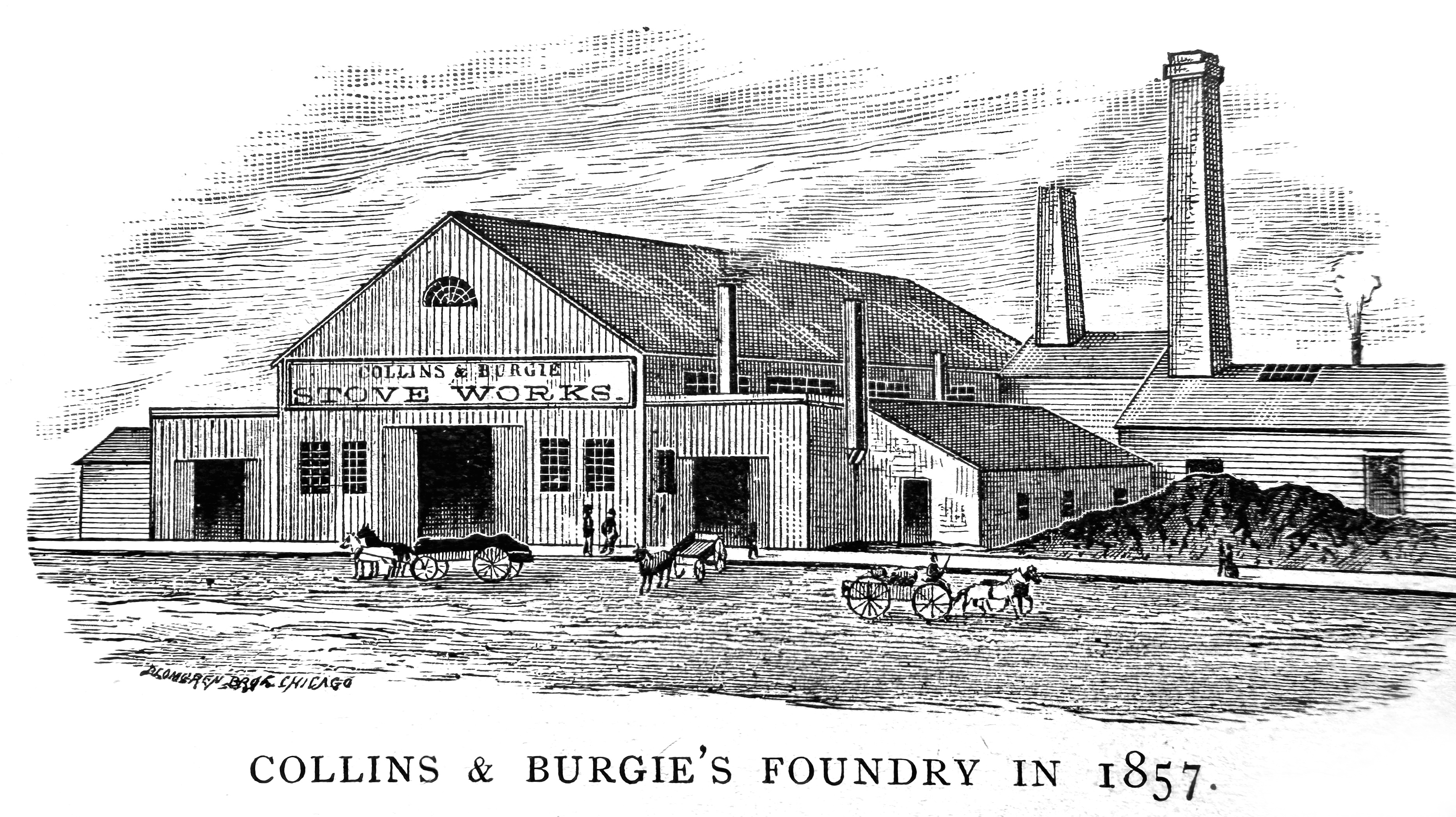
Collins & Burgie.—In the first volume of this work mention has been made of the first stove-foundry established in this city, in 1846, by C. R. Vandercook. It was known as the Phoenix foundry, and was located on the north side of the river, just east of the present site of Kirk’s soap works. The firm made a specialty of manufacturing “Queen of the Prairies,” a new hot-air cooking stove, and also turned out furnaces, grates, etc. This was the first stove foundry in Chicago. For several years Joshua R. Shedd was associated with Mr. Vandercook, who is authority for the statement that during the time he was connected with the works, they employed two hundred men, and turned out fifty stoves a day. In 1852, the ownership of the foundry passed into the hands of Howard Sherman, Joshua R. Shedd and Dr. John H. Foster, who, under the firm name of Sherman, Shedd & Foster, conducted the business until 1857, when James L. Collins, and Henry C. Burgie became the proprietors, and have so continued to the present time. In 1854, the foundry had been moved from its location on the North Pier to the southwest corner of Van Buren and Jefferson streets. The accompanying illustration, engraved from a print furnished by the present proprietors, shows the works as they appeared in 1857. These buildings were erected by Sherman, Shedd & Foster in 1854, when the removal already mentioned was made. There Collins & Burgie employed in the early part of their history about seventy-five men, and melted about twelve hundred tons of iron annually. As the business grew, they enlarged their works, and in 1872 erected their present foundry and warehouse, covering an area of nearly two acres. They now employ three hundred men, and manufacture three thousand tons of stoves annually. During 1883, they made fifteen thousand stoves, varying in weight from fifty to seven hundred pounds. Up to 1873, they did other iron casting, but since then stoves, including heating and cooking ranges, have been their exclusive line of manufacture. A hay-burning stove is also manufactured by this firm, and is one of the very few of this kind that have been successfully made. It was patented in 1878 by M. L. Wood, and has since been much improved.
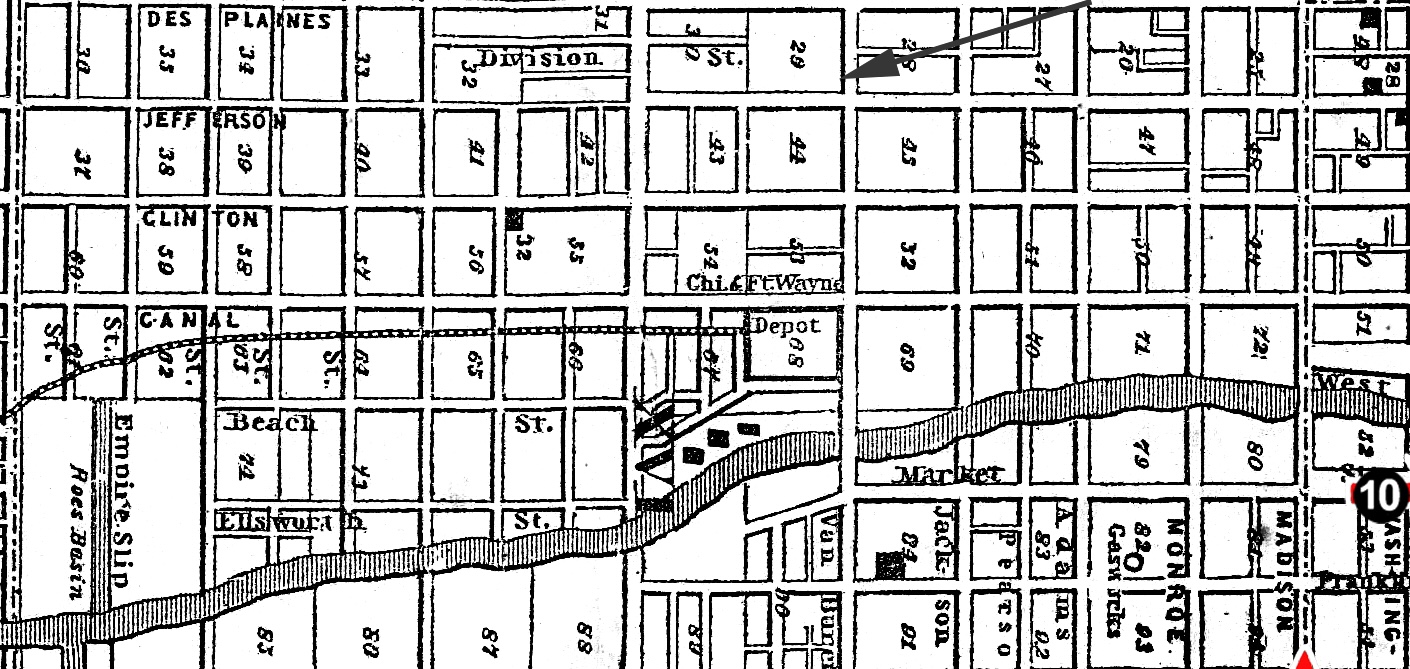
- Collins & Burgie
SW Corner Jefferson and Van Bueen
1862
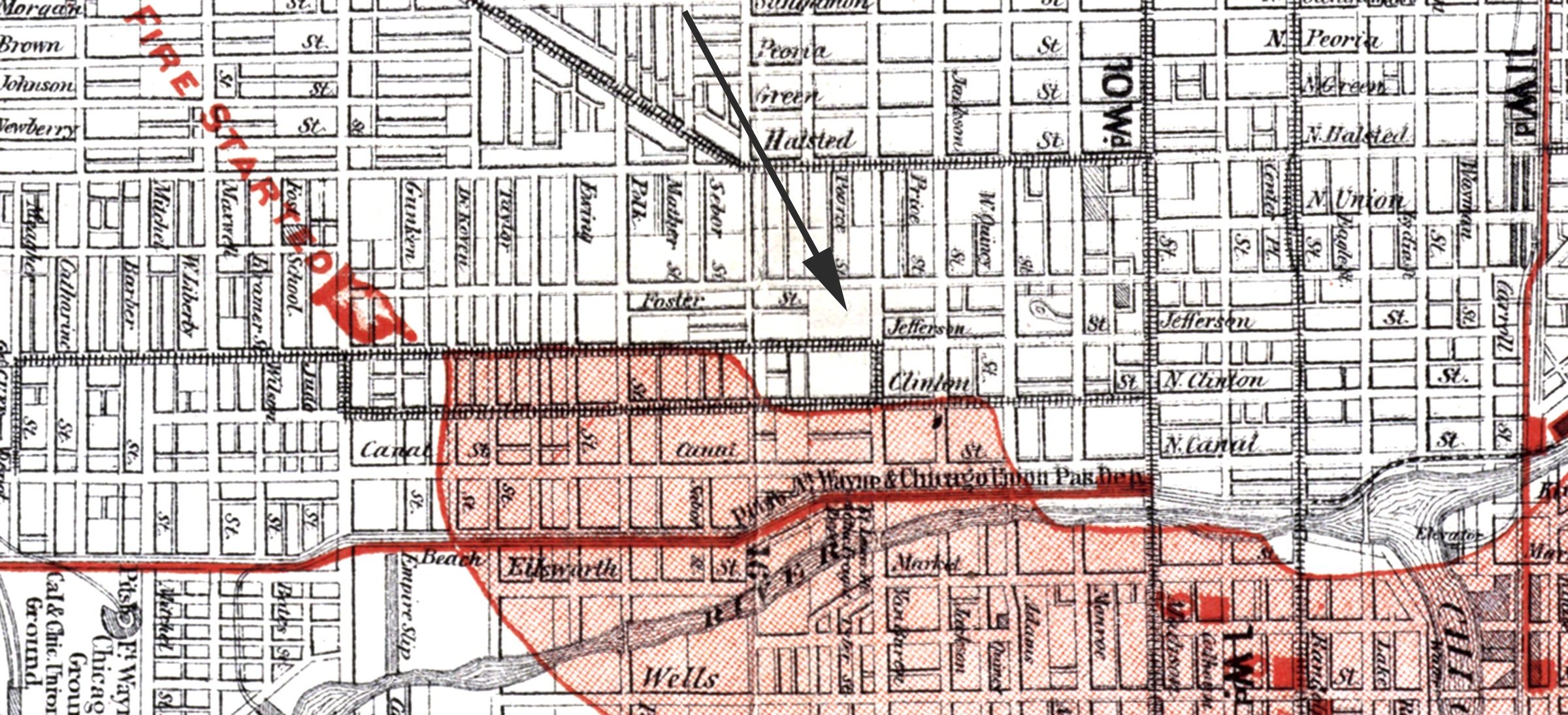
- Collins & Burgie
SW Corner Jefferson and Van Bueen
1871

Leave a Reply